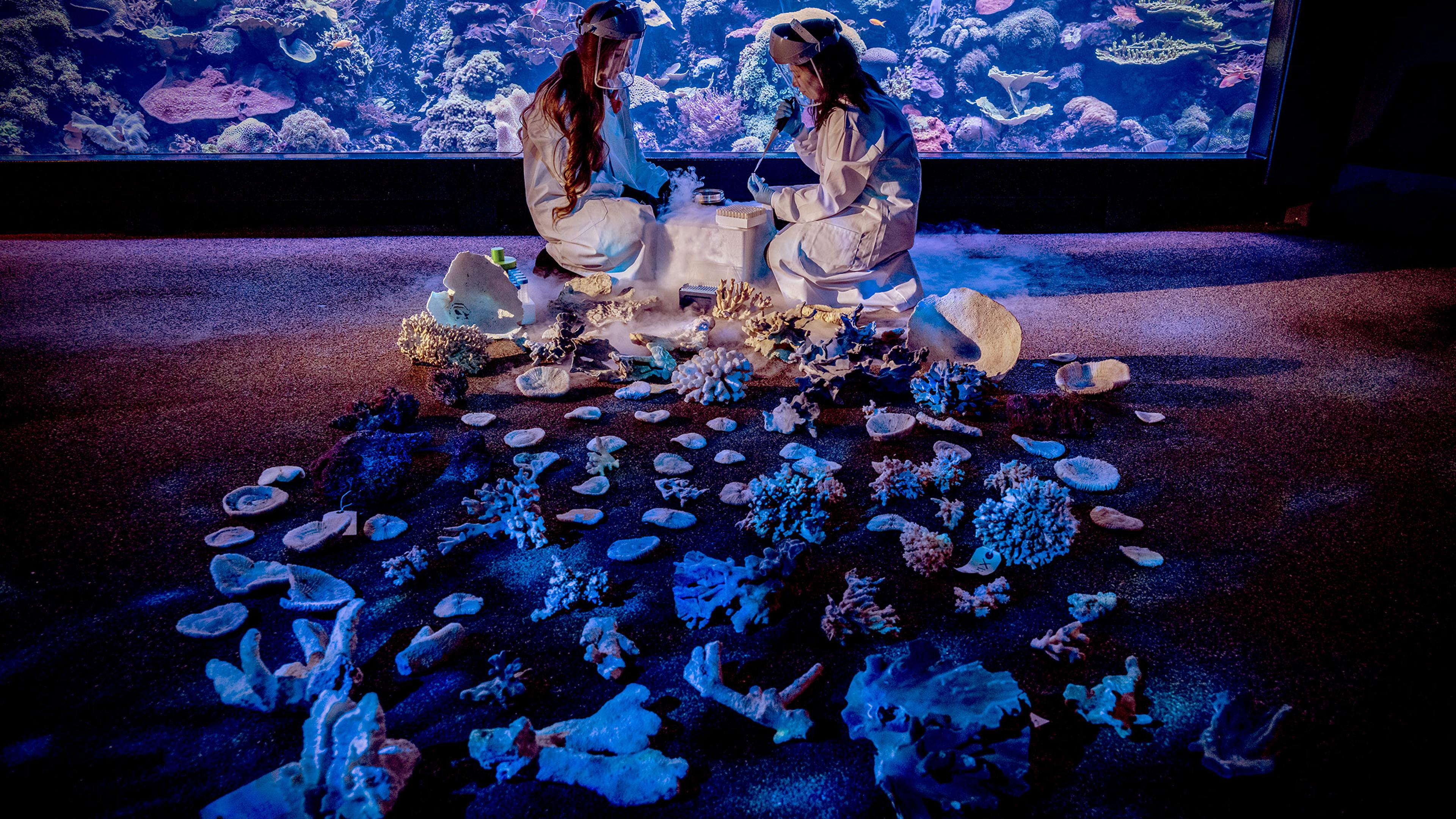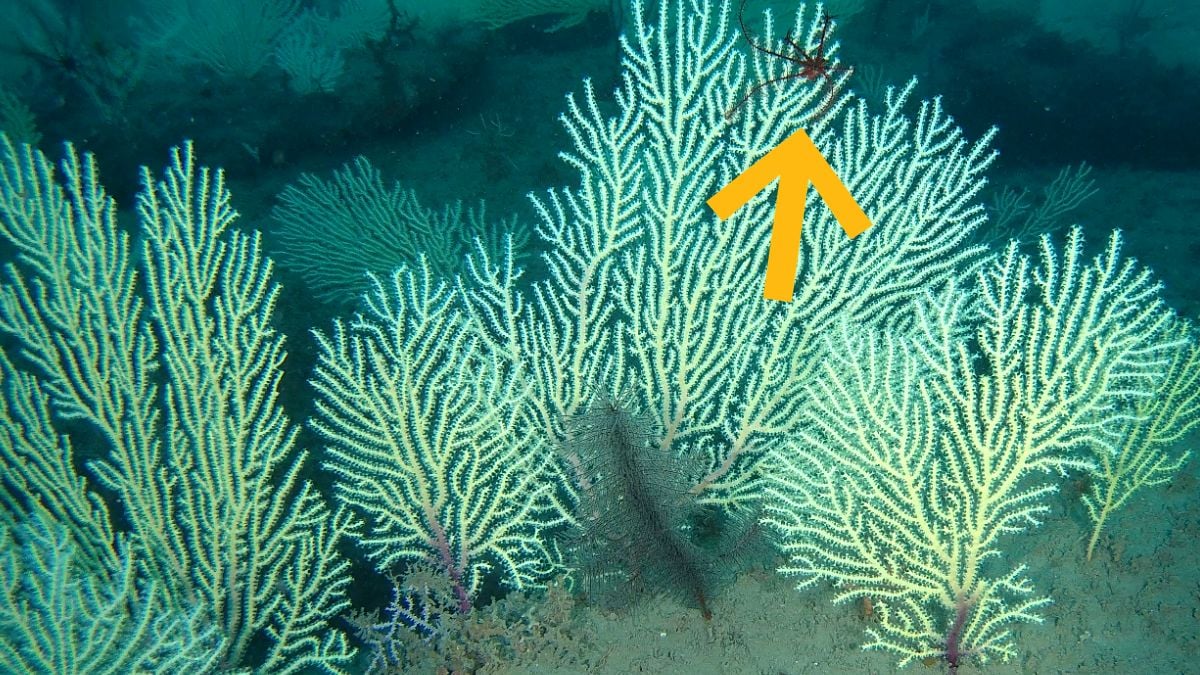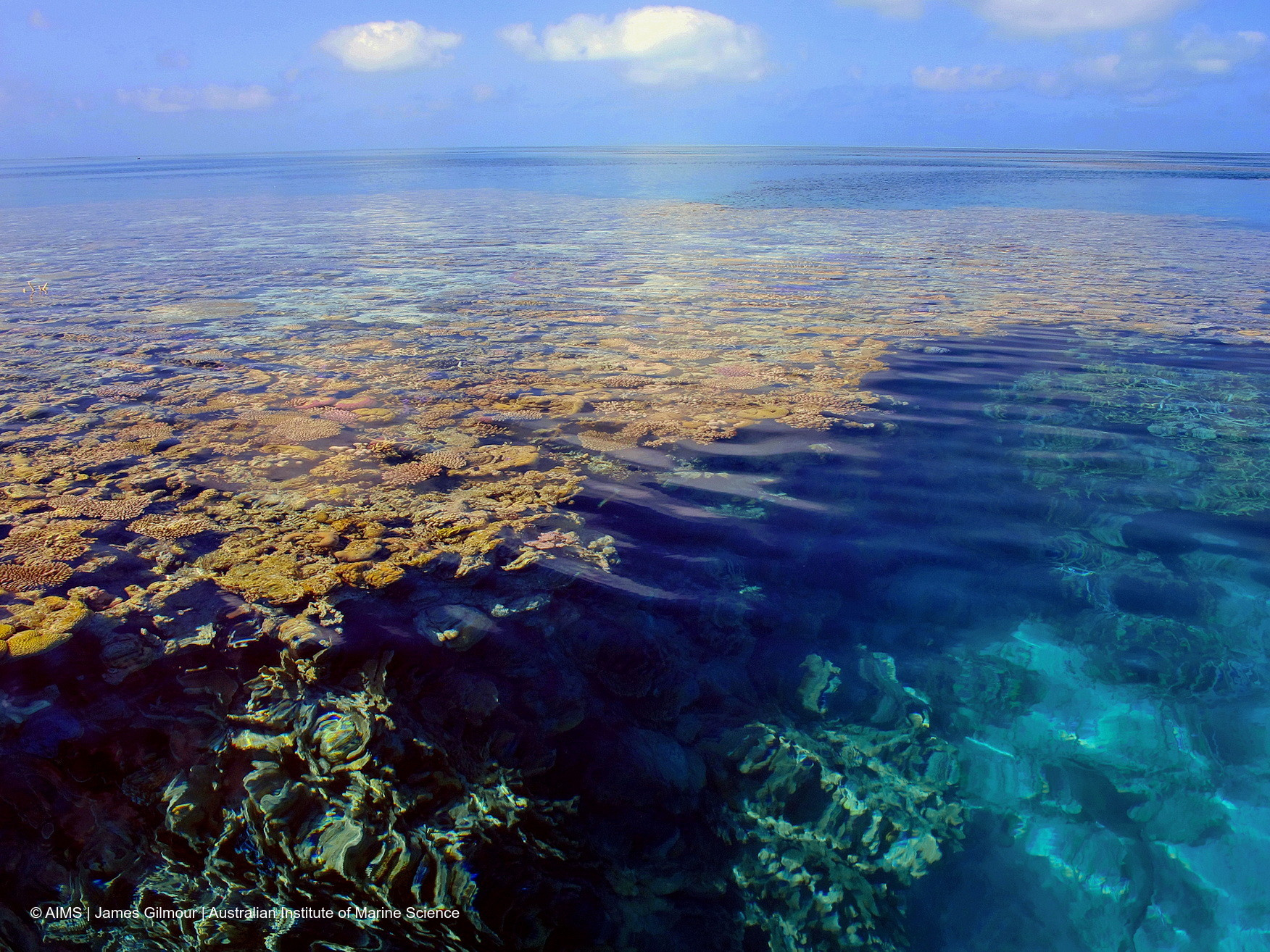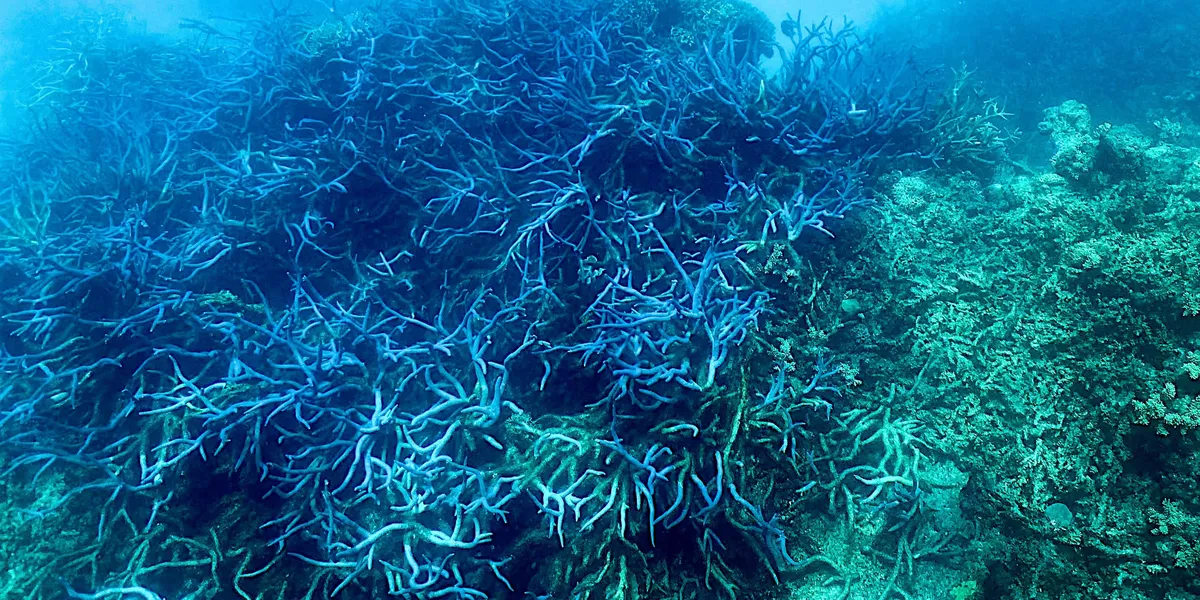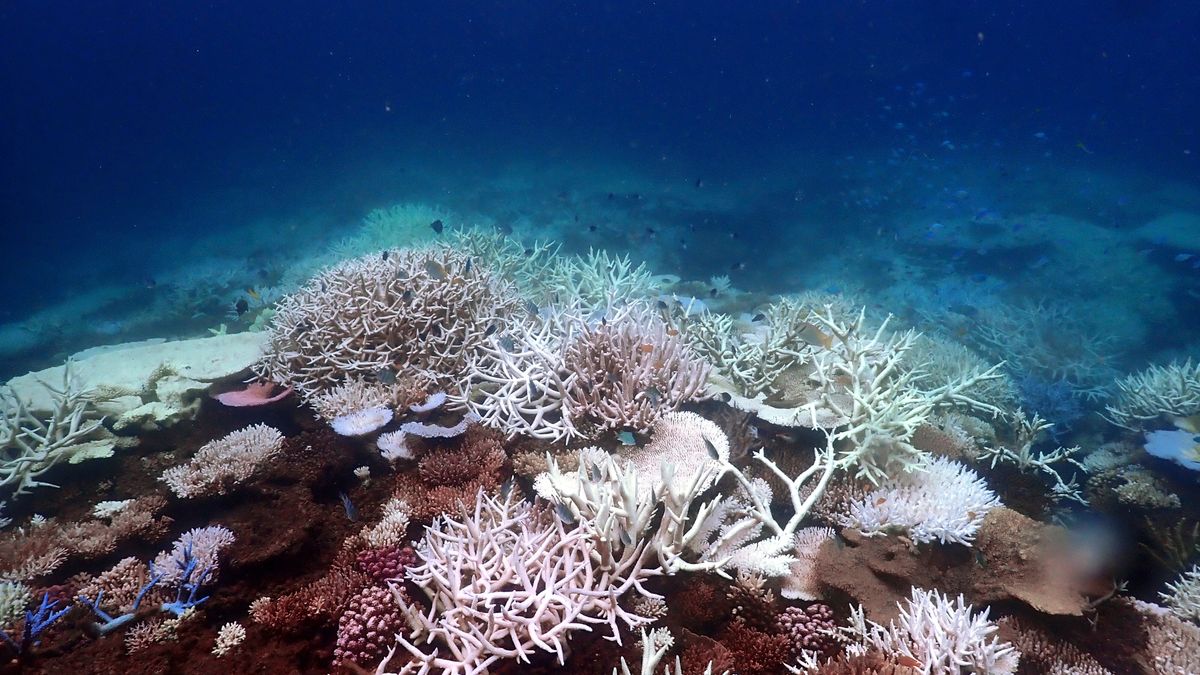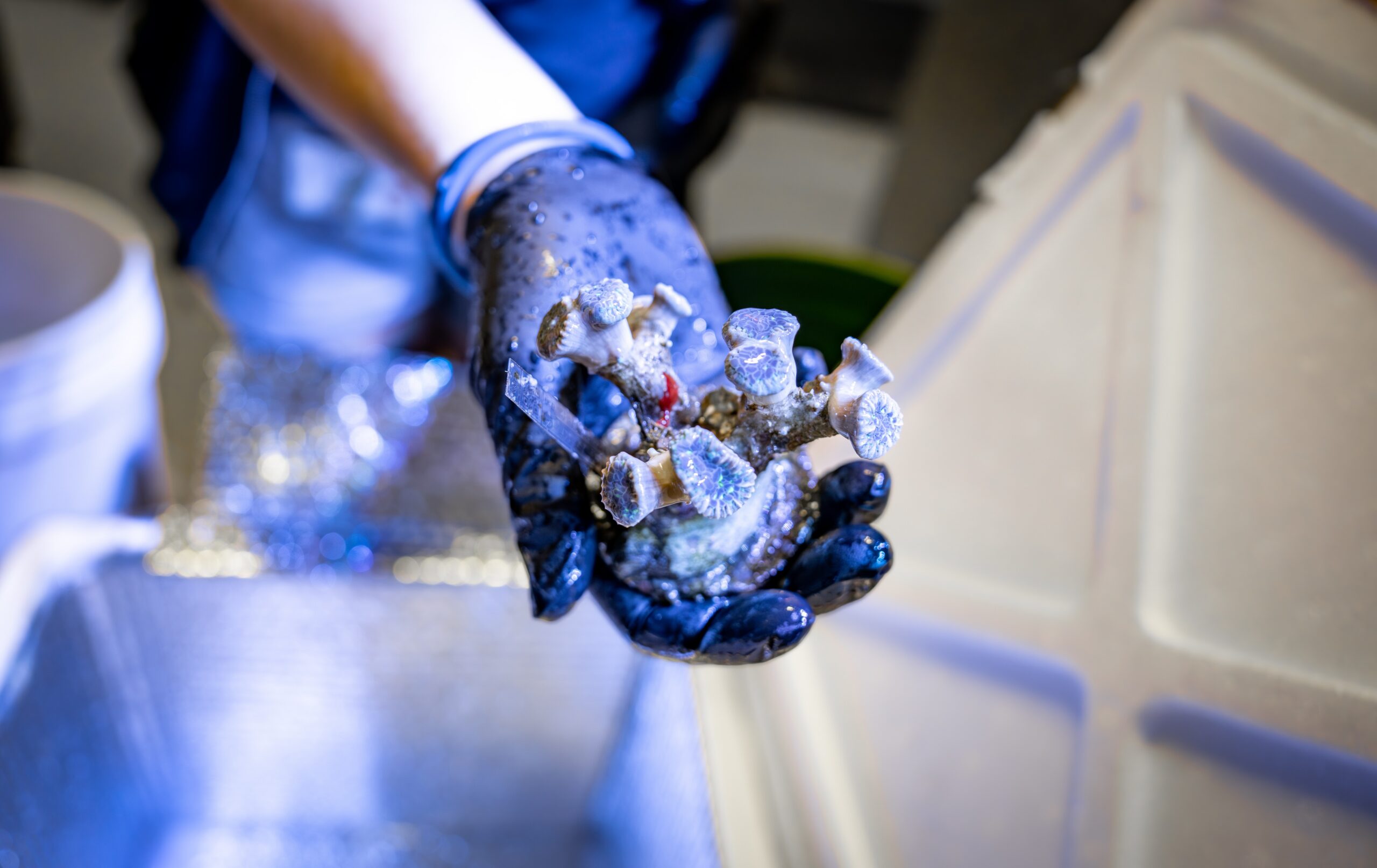
There are more than 1,300 documented cases since 2000 of live coral smuggling, with many cases sourcing coral from Southeast Asia, including the Philippines and Indonesia, according to data from the wildlife trade watchdog TRAFFIC.The cases involve at least 43 countries around the world, with the U.S. by far the biggest importer of corals.The cases include 3.15 million pieces of coral, with many shipments intentionally mislabeled as toys, clothes, or food to get endangered species past customs inspectors.Experts say there are solutions, including farm-raised coral substitutes and dyeing farmed coral to document that it was not grown in the wild, making it easier for authorities to spot illegally harvested varieties.
ArtReef Rocks was an up-and-coming online shop offering aquarium accessories that made waves during the COVID-19 pandemic, offering hobbyists custom reefs and sculpted landscapes for their fish tanks. Aquarists raved about excellent packaging (“Not a single broken piece!”), quick turnarounds (“Arrived in only 4 days.”), and client support (“Customer service is amazing.”) — compliments that mean a lot for an online store that operates in the Philippines, more than 10,000 miles from its U.S. clients.