Academia
A glacier in Tibet fell exactly as the science said it would, and no agency or institution was waiting for it: Indonesia is writing a climate change law with the same blind spot.
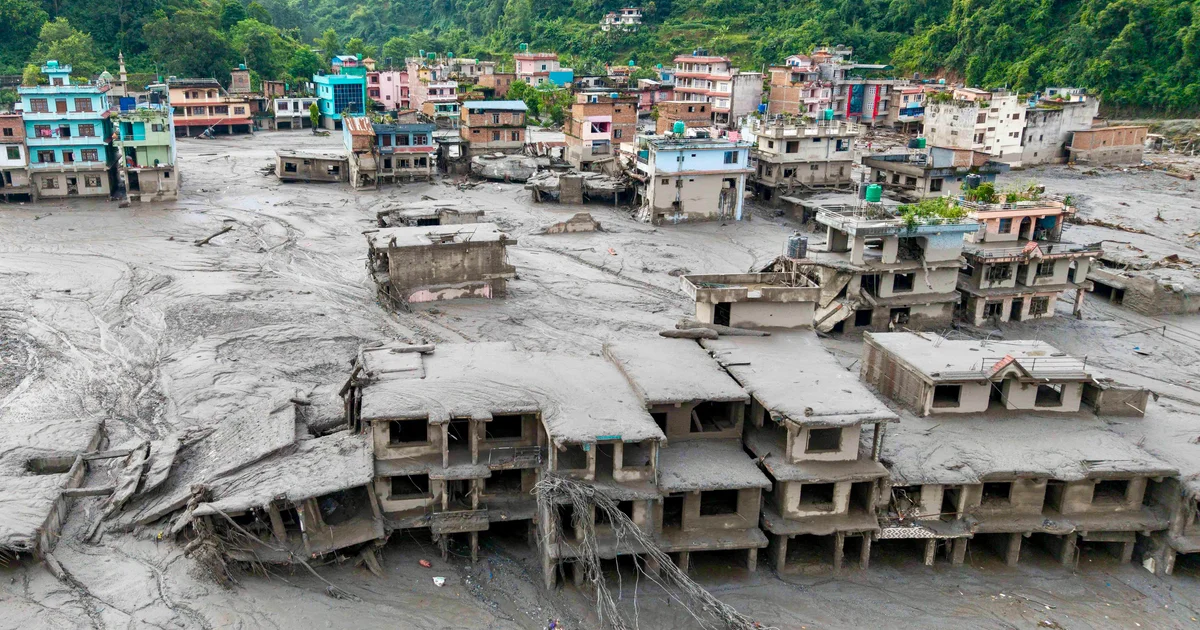
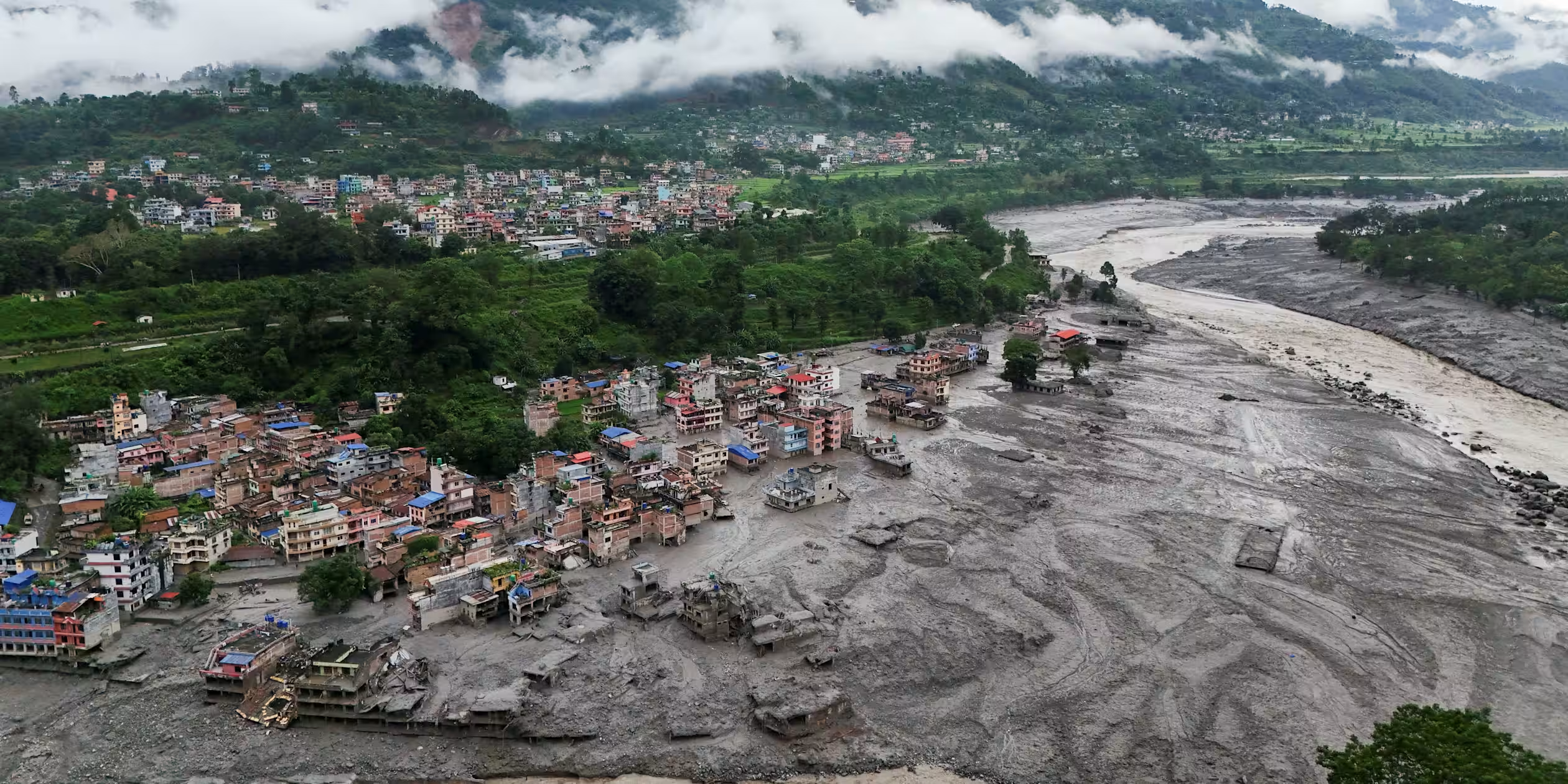
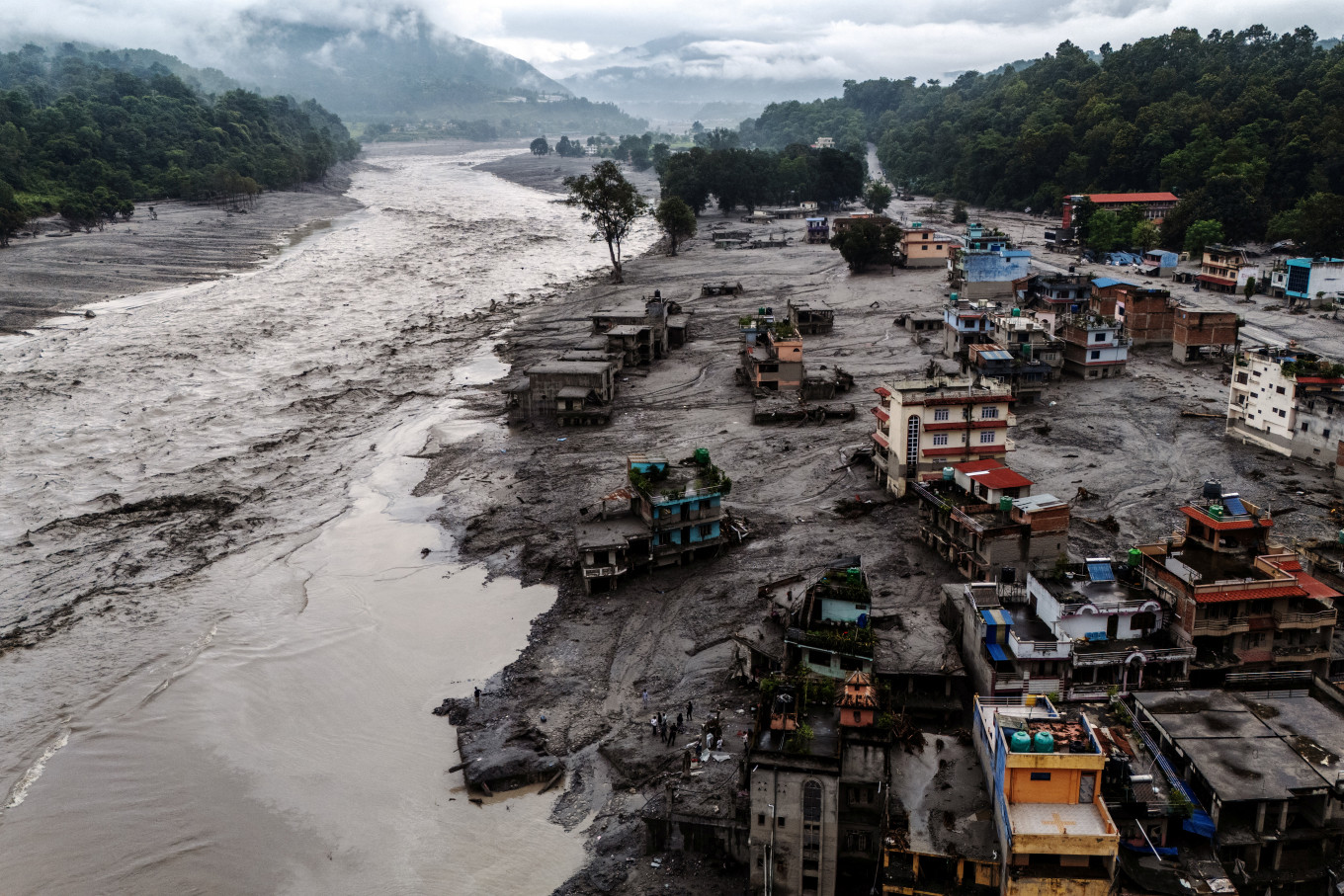
Sludge and mud inundate damaged buildings and houses in a riverbank settlement near the Likhu River on Aug. 30, 2026, after deadly flash floods and mudslides struck Devighat village in Nuwakot district, Nepal. (Reuters/Athit Perawongmetha)
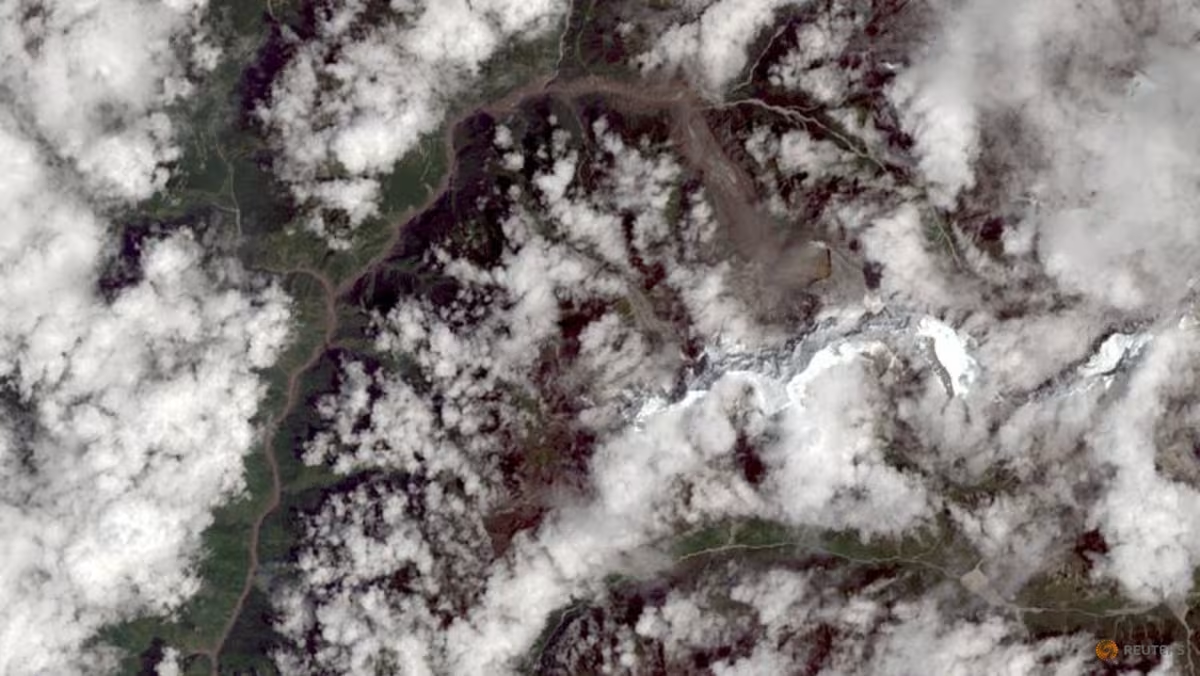
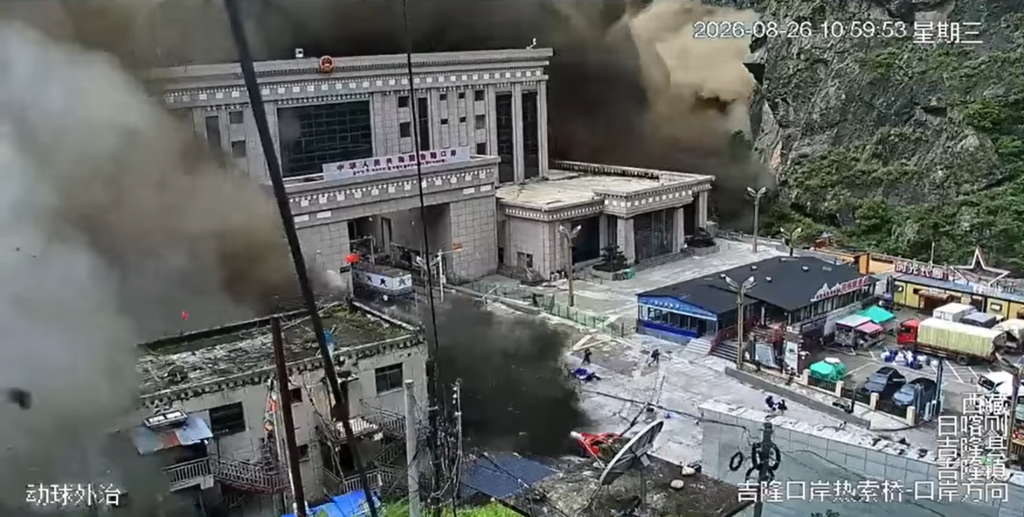
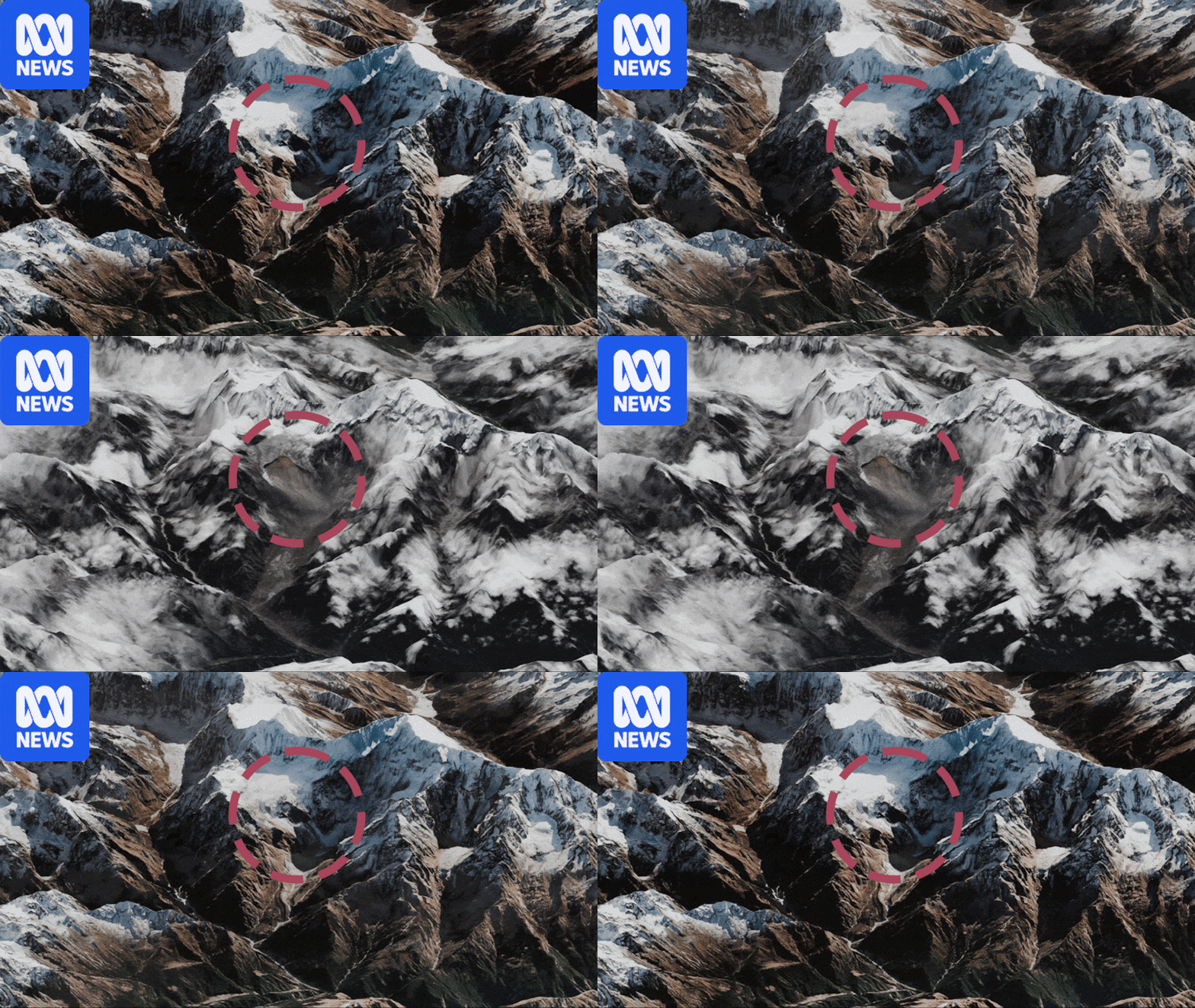
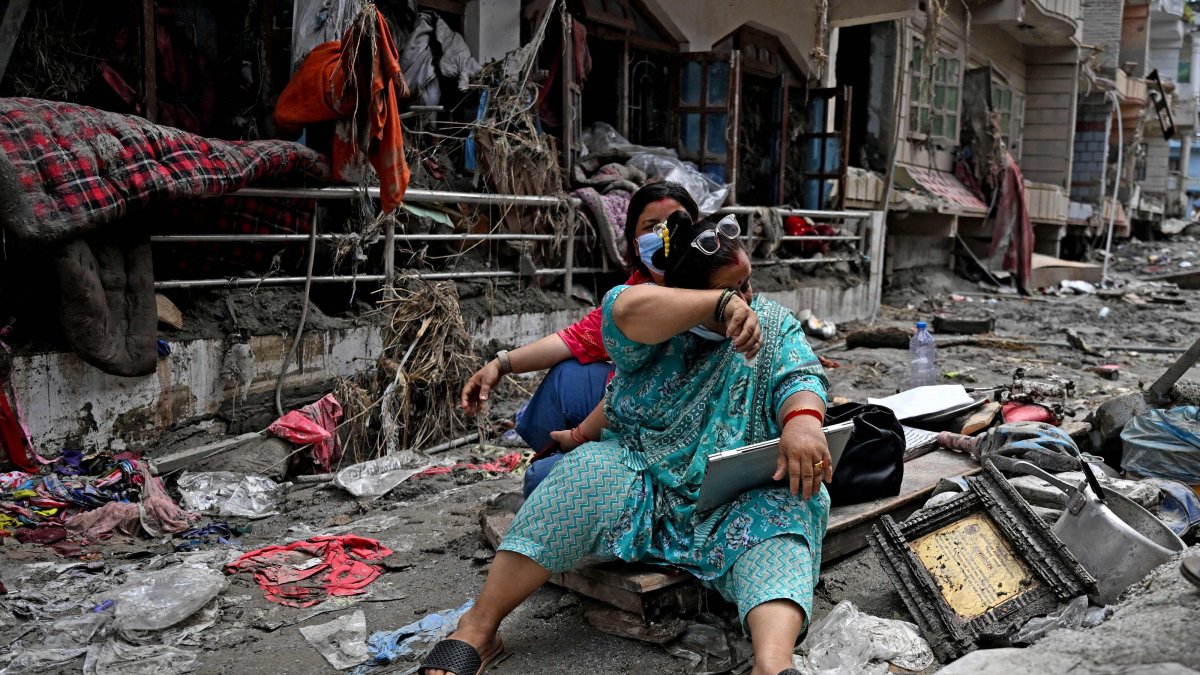
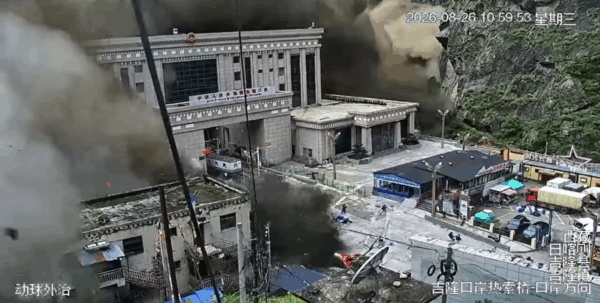
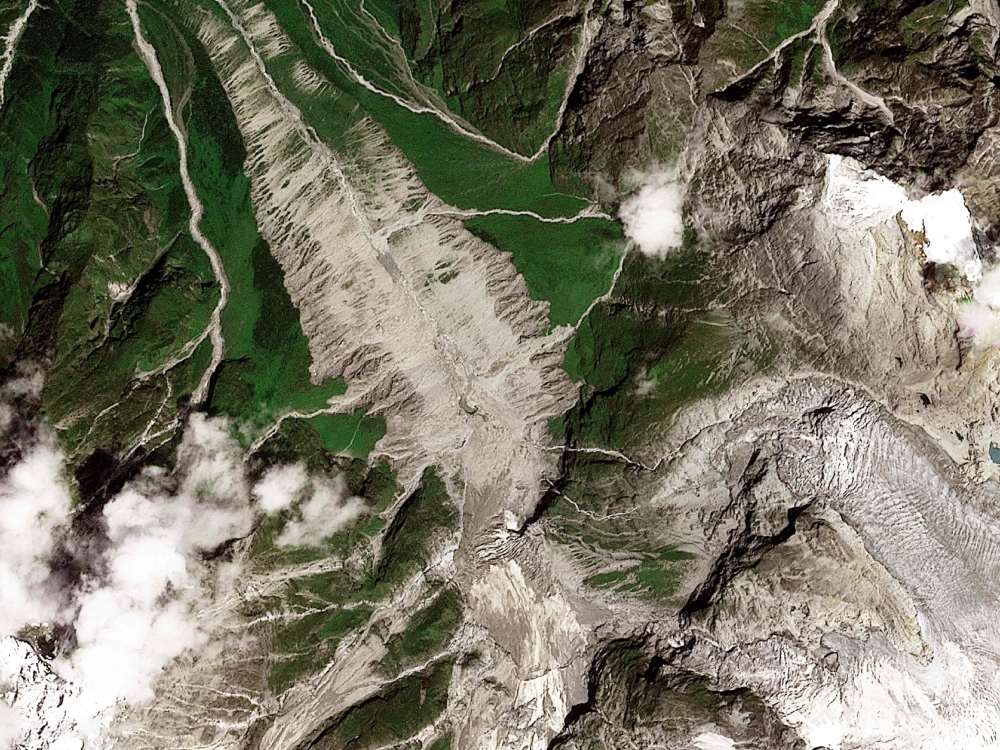
Shortly before 8:40 a.m. on Aug. 26, a wall of water tore through the Lhende Khola valley on the Tibetan side of the Nepal-China border. By afternoon on the following day, Nepal had recovered nearly 290 bodies and listed 826 people missing, more than 500 of them foreign visitors. China reported another 558 missing in Gyirong county. At least 19 bridges and roughly 40 kilometers of road were wiped out.Early reports blamed an earthquake. Seismographs registered a sharp jolt, making it a reasonable assumption, just the wrong one. A glacier section had detached at roughly 5,200 meters and plunged 1,200 m into the valley. The tremor the instruments picked up was simply its impact.
What makes the tragedy relevant to Indonesia is not the ice. It is that every tool needed to see it coming already existed, yet monitoring it was nobody’s job.