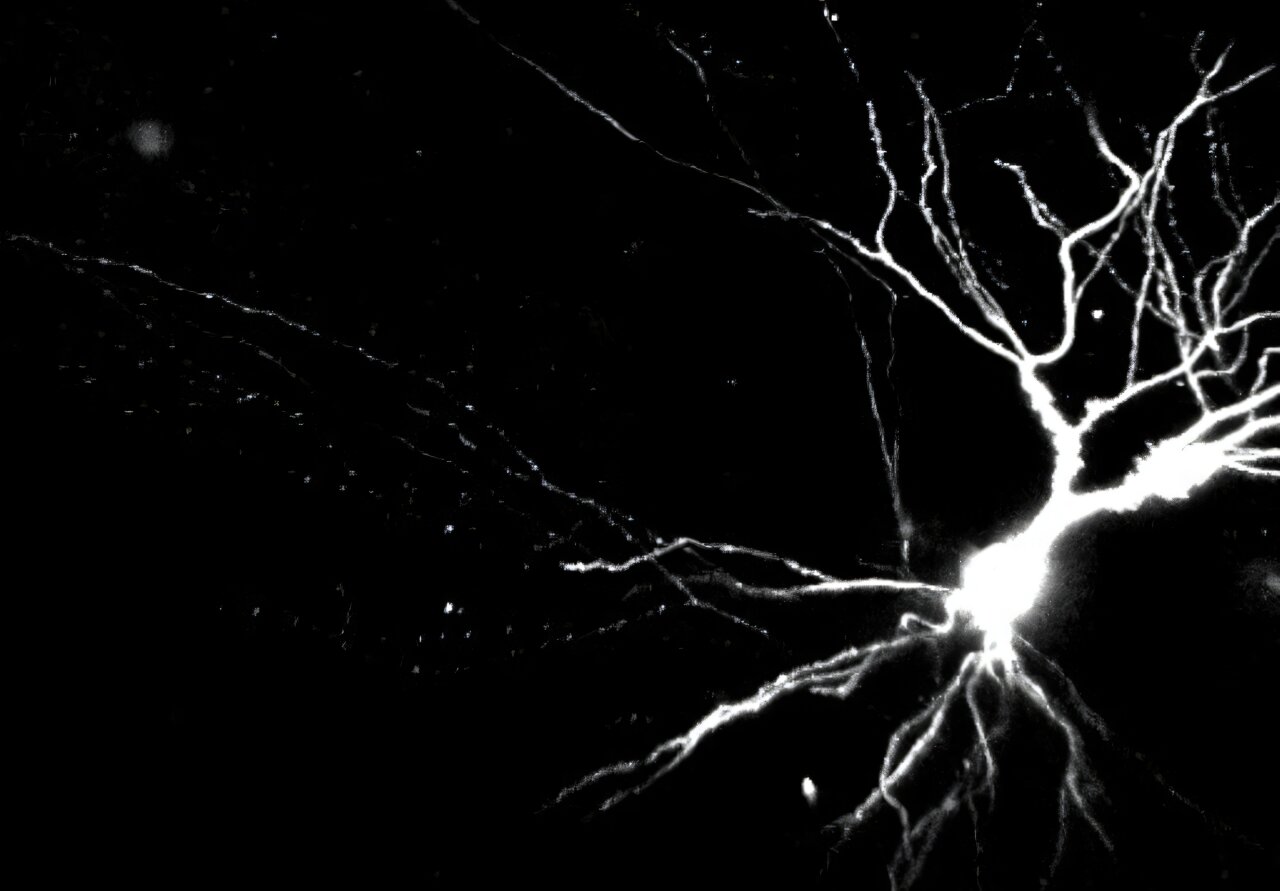
If memories were like a path through the forest, dendritic spines would be the stepping stones. Every thought, memory, and skill we develop travels across these tiny structures that extend from our neurons to receive information. Their size and shape influence how well our neurons communicate, which makes them essential for our development. For decades, neuroscientists classified dendritic spines into a handful of categories such as “mushroom,” “thin,” and “stubby.” New research from the labs of Jessica Zhang and Phil LeDuc, professors in the Department of Mechanical Engineering suggests that the stepping stones of our memory are actually better understood as a continuum.
“We saw that dendritic spines are constantly changing in response to neural activity, and there are structures that exist beyond the traditional categories,” said Uma Sharma, Ph.D. candidate at Carnegie Mellon University. Because abnormalities in spine shape and density have been linked to conditions including Alzheimer’s, schizophrenia, down syndrome, and even chronic stress, better classifying these structures could enable clinicians to flag early indications for neurological disease.
The team developed a computational framework that combines dimensionality reduction, probabilistic clustering, and biological interpretation to model dendritic spine morphology as a continuum. This enables researchers to study how neural connections form, change, and potentially deteriorate from disease in a more nuanced way.