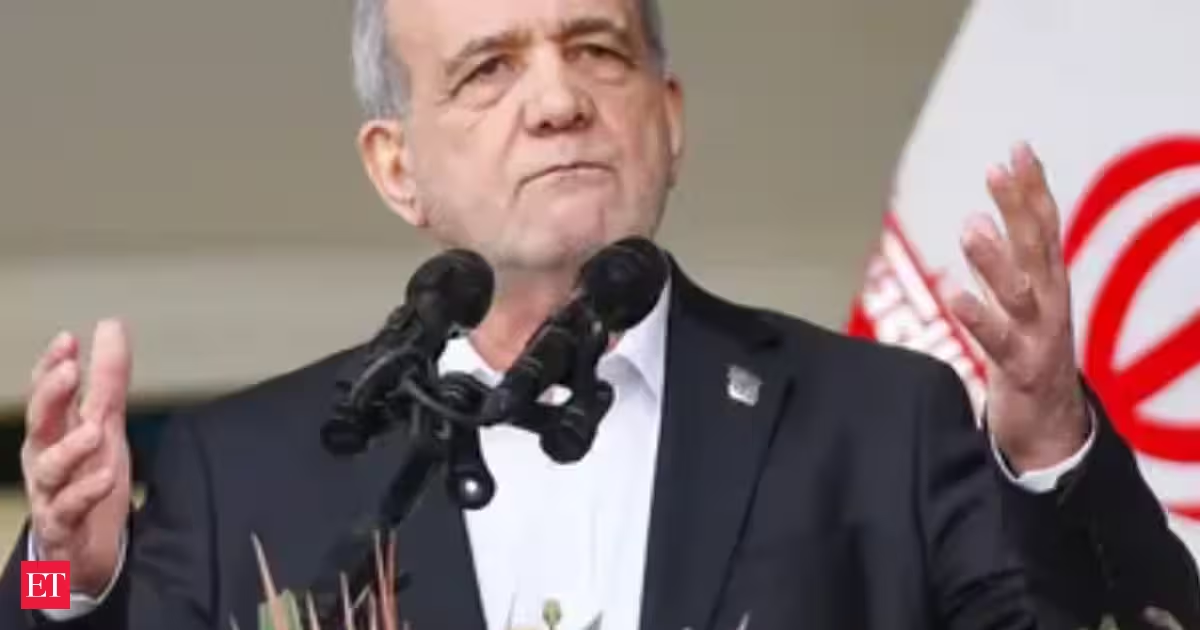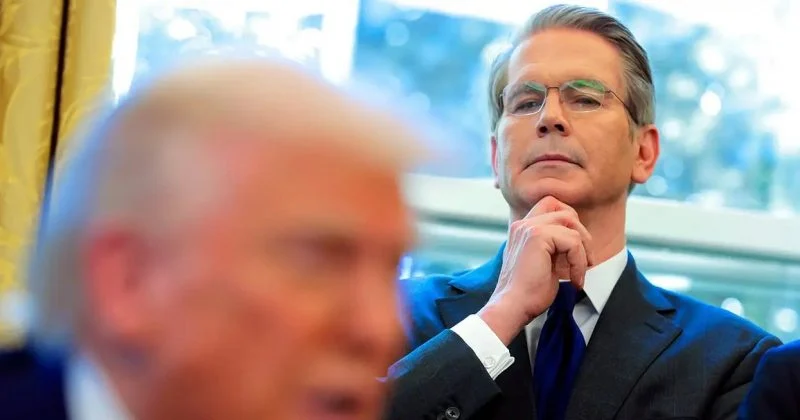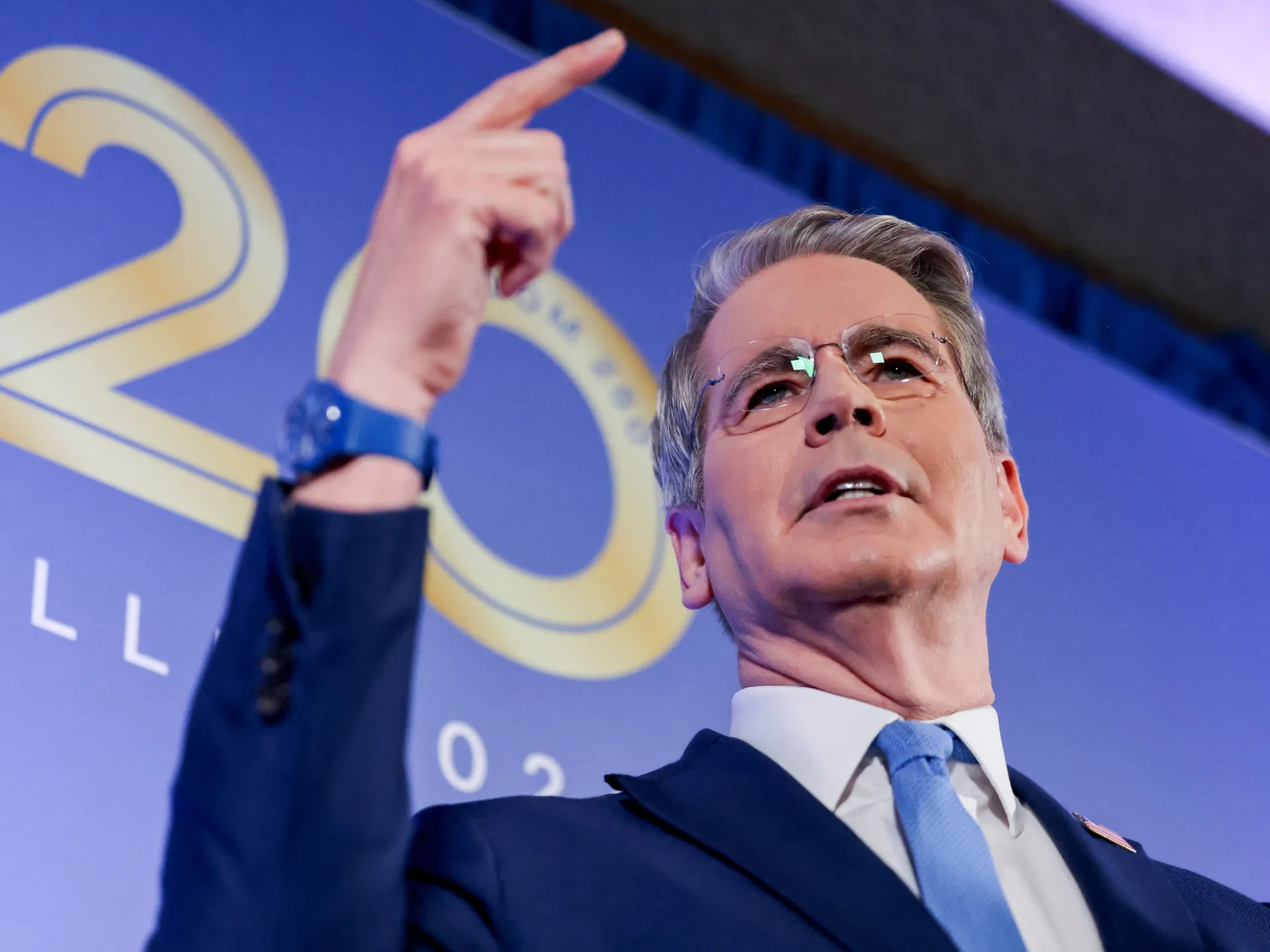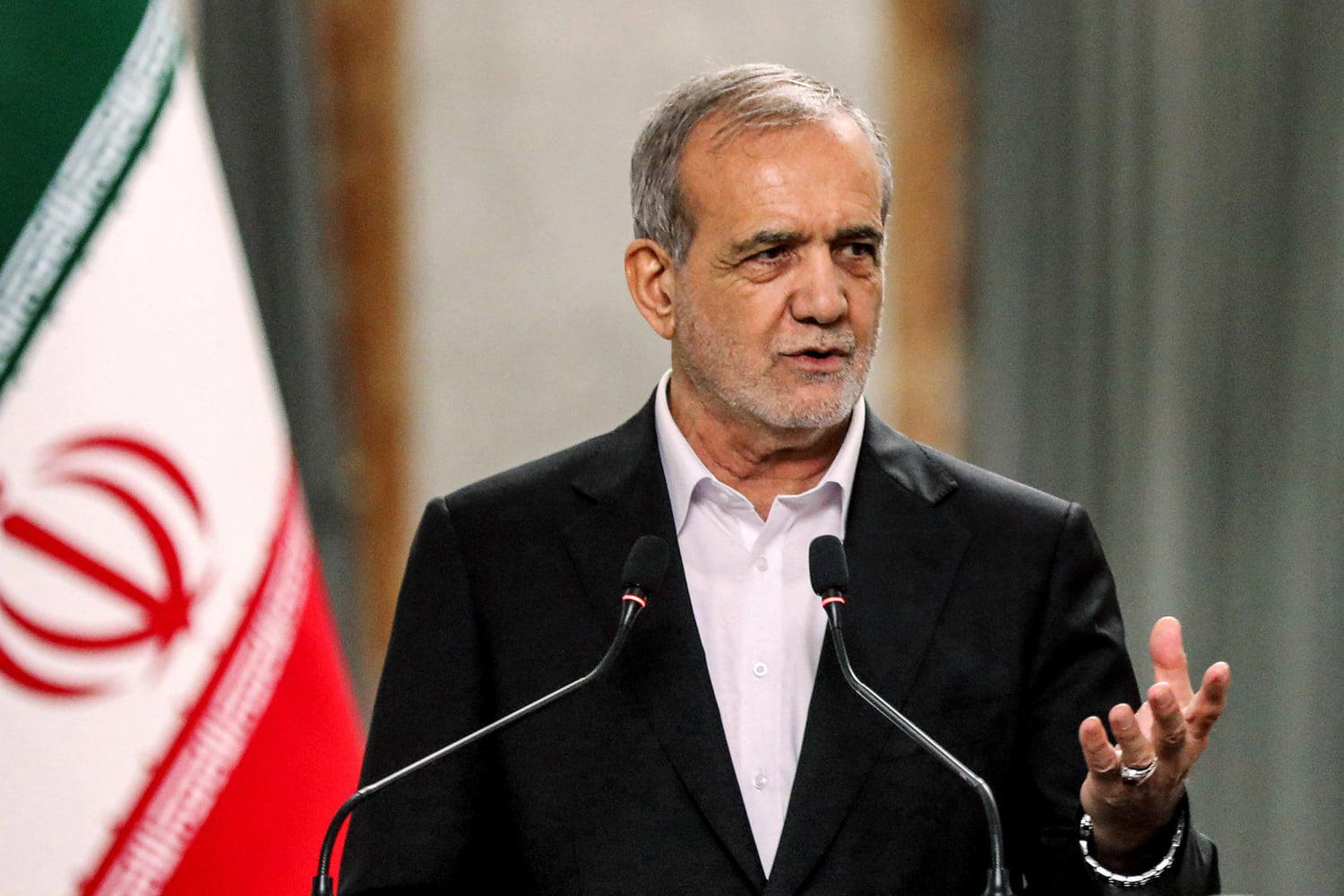
Secretary Bessent has remarked on the dire state of Iran’s economy, suggesting that the nation might be compelled to negotiate due to the impact of international sanctions and blockades. This statement, sourced from Mario Nawfal’s social media account, hints at increasing instability within Iran, which could influence political dynamics within the country. Specifically, in the context of Iran’s leadership, this may have implications for the political future of Masoud Pezeshkian, the current President of Iran, as economic struggles intensify.
Market participants appear to interpret Bessent’s comments as an indicator of potential upheaval in Iran’s political landscape. The prediction market concerning the possibility of President Pezeshkian’s departure by the end of the year has seen a notable increase in the likelihood of a “Yes” outcome. This market, which previously held a 14% probability of Pezeshkian leaving office, has now surged to 25.5% as of the most recent update. Observers suggest that the heightened economic pressures could catalyze leadership changes in Iran, a sentiment reflected in the market’s response.
The key actors in Iran’s political scene, including the Supreme Leader Ayatollah Ali Khamenei, the Islamic Revolutionary Guard Corps (IRGC), and other influential bodies, play a significant role in determining the stability of Pezeshkian’s presidency. The current market pricing suggests a growing expectation that these pressures might lead to Pezeshkian’s resignation or dismissal before the end of the year.