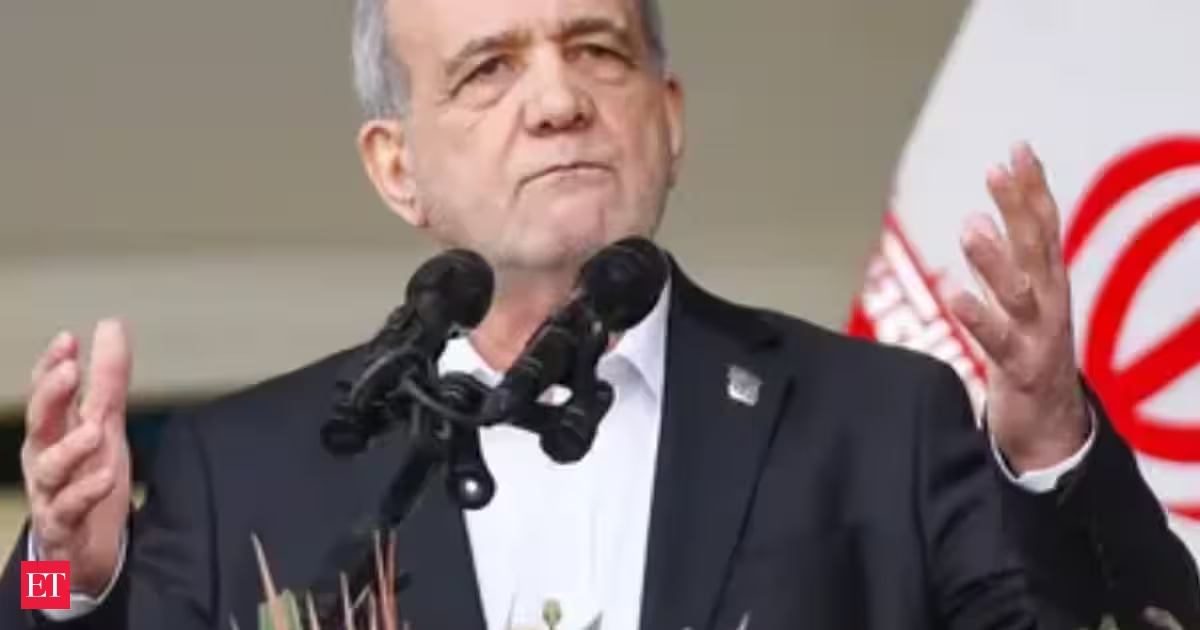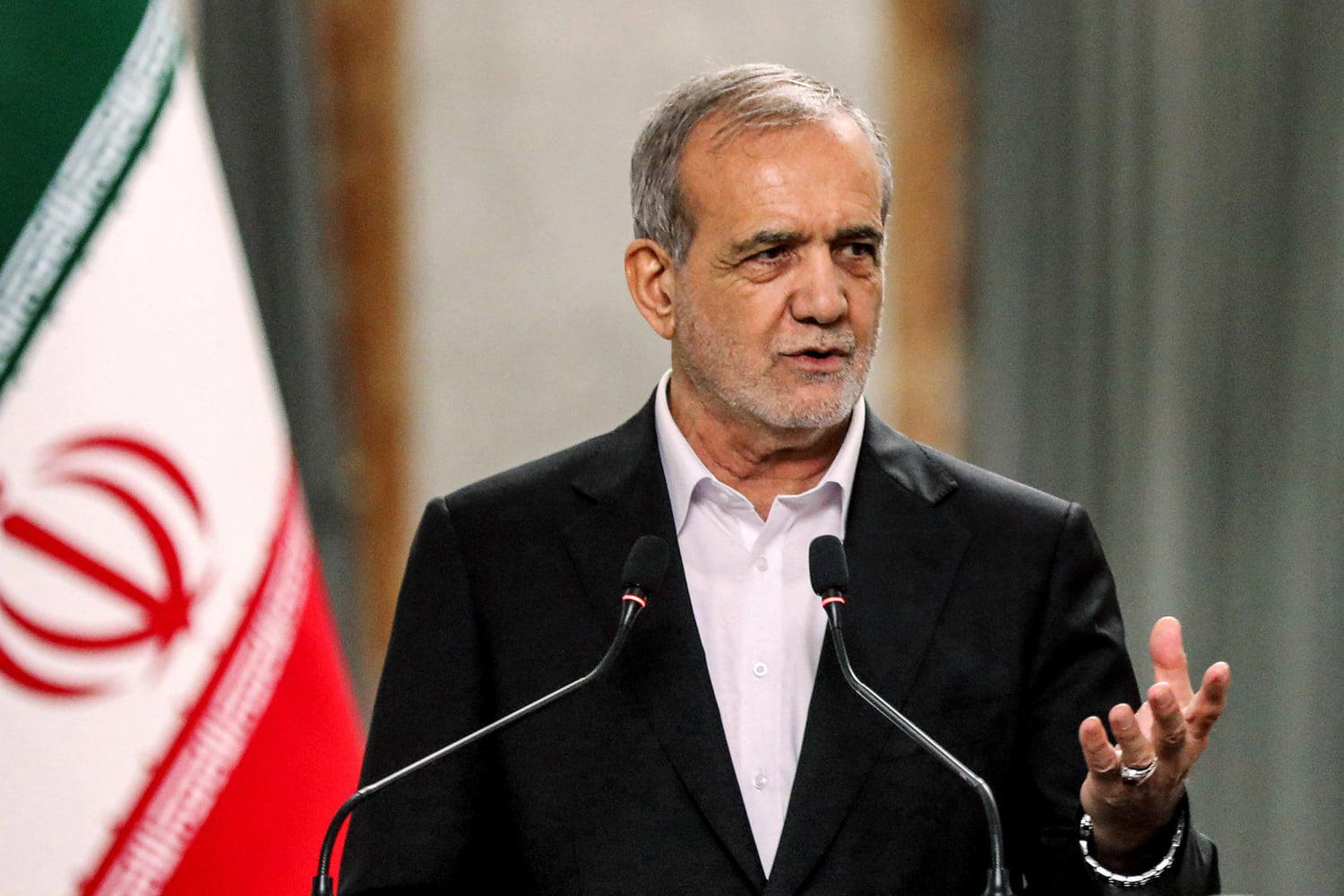
Iranian leaders are increasingly acknowledging the economic toll of the war with the United States, with the supreme leader urging the government to address growing hardships and President Masoud Pezeshkian saying foreign trade has fallen by a third because of U.S. sanctions and a blockade.
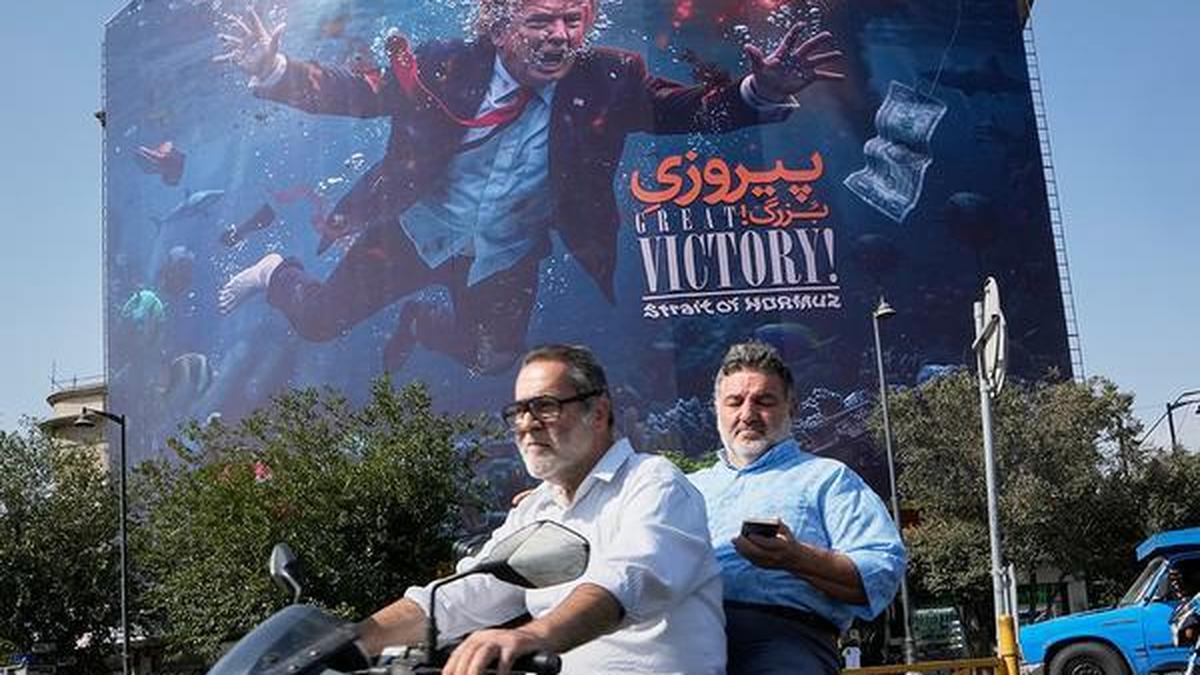
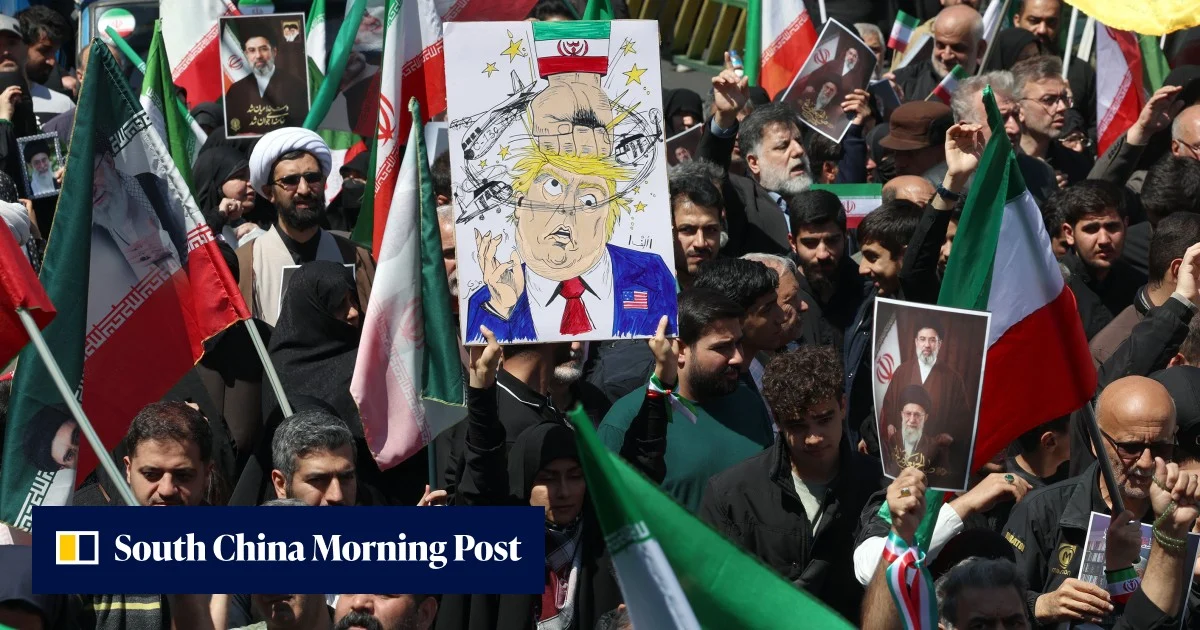
Yet Tehran showed no sign of backing down Saturday, vowing to withstand U.S. pressure, pursue diplomacy and maintain what it described as control over the Strait of Hormuz.
The strategic waterway gives Iran significant leverage because any disruption there could affect global energy markets.
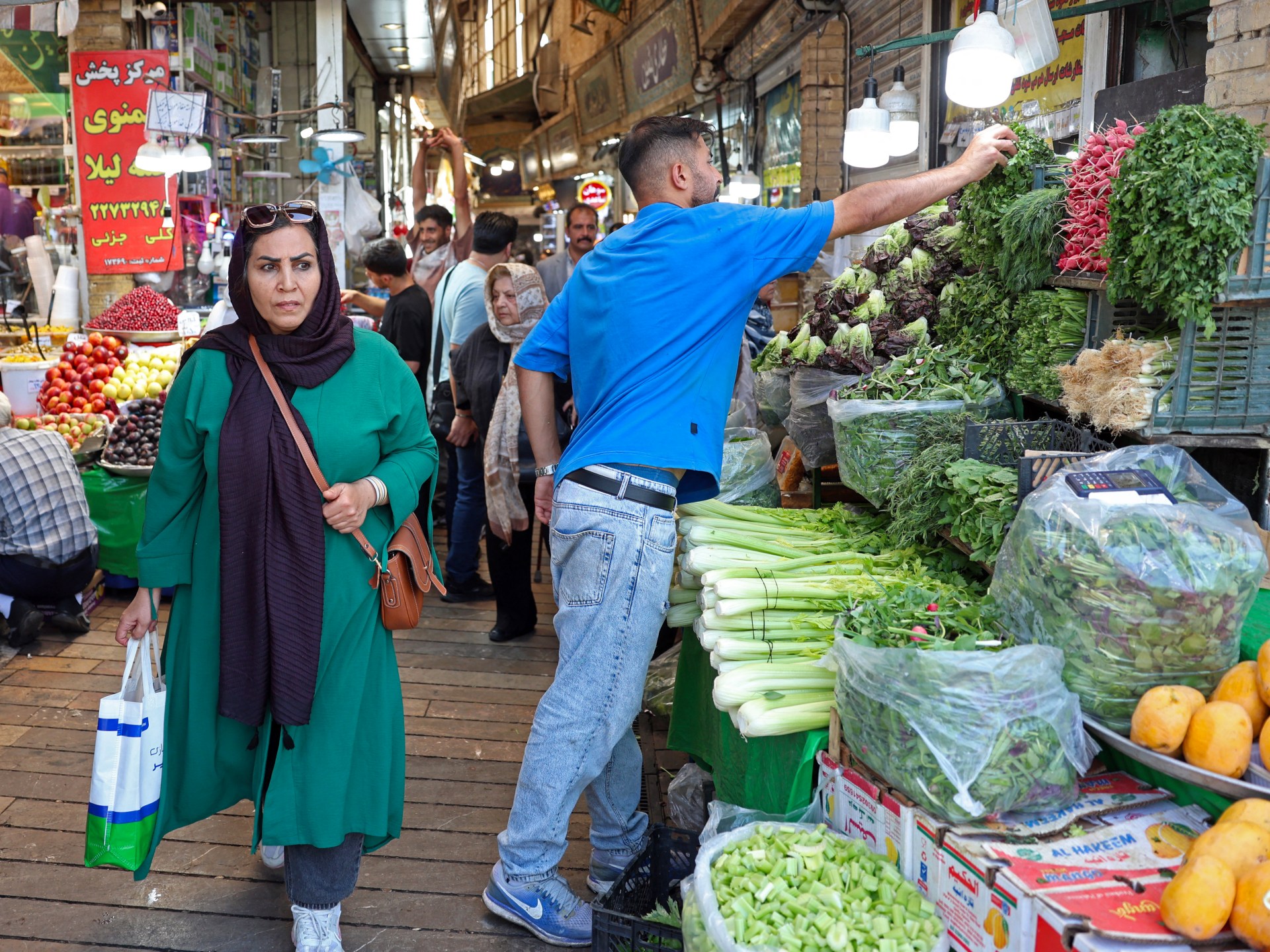
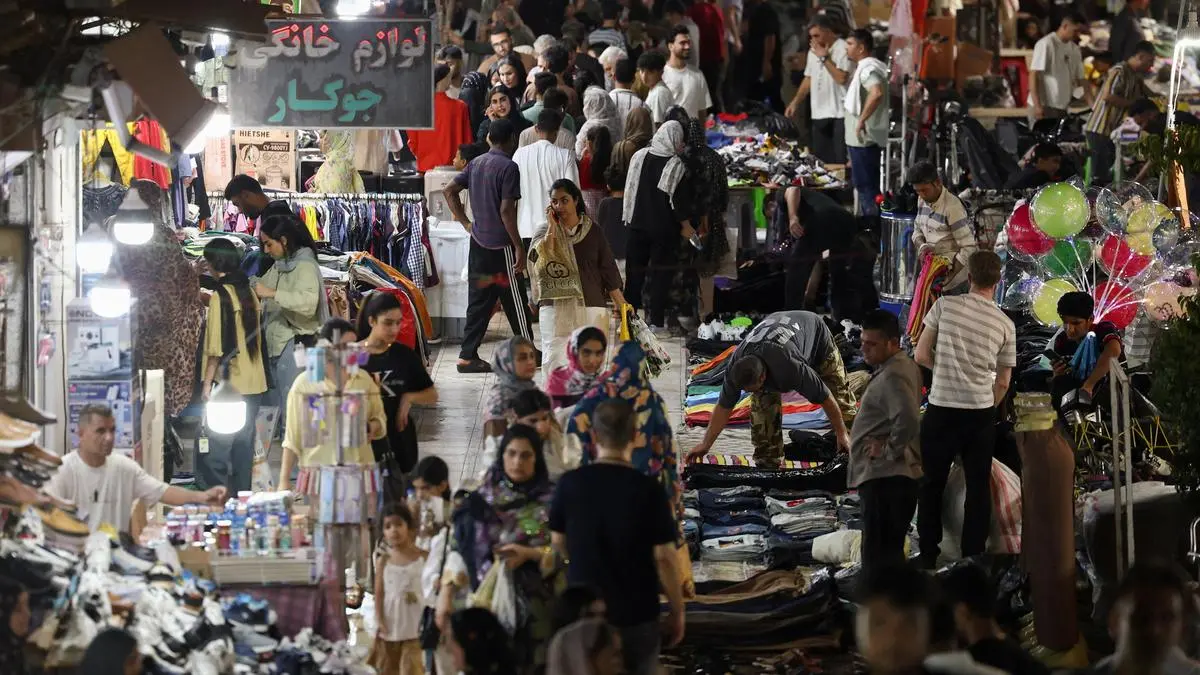
The government said in a statement carried by state media that easing economic pressures caused by sanctions and war remained a central priority. Its measures include curbing inflation, stabilizing markets, creating jobs, directing investment toward domestic production and gradually reducing the country's reliance on the dollar.
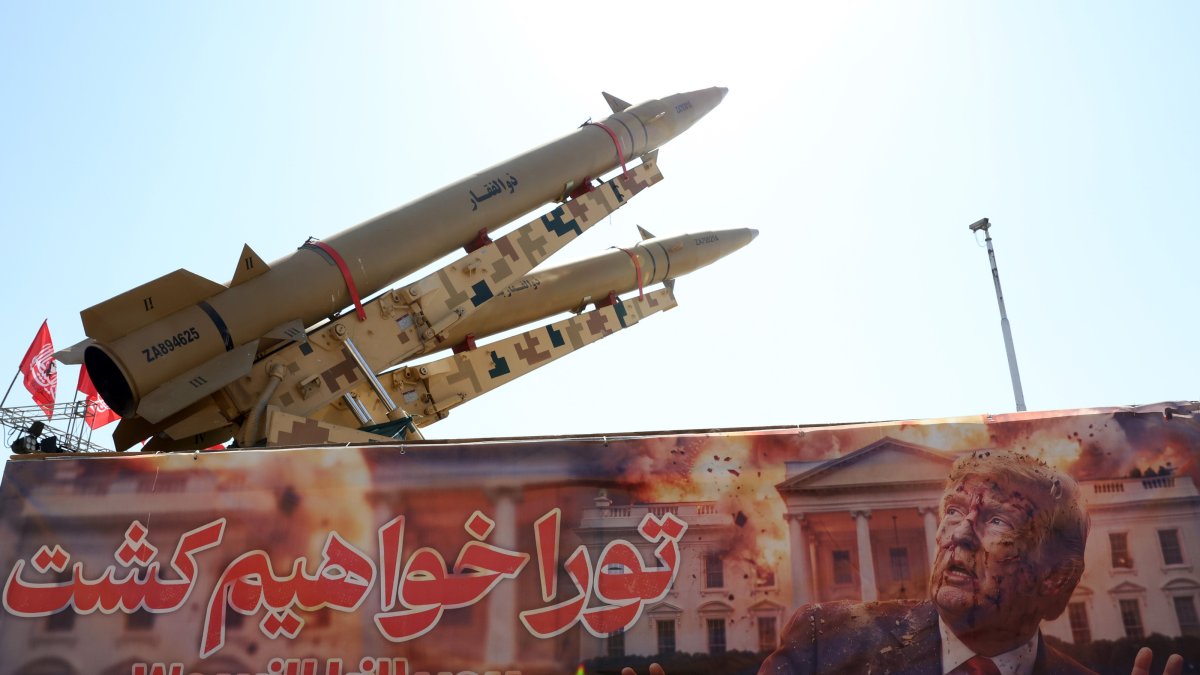
Six months after the United States and Israel launched the war, negotiations remain deadlocked, while President Donald Trump's administration has intensified efforts to squeeze Iran financially through what it has described as an "economic D-Day."