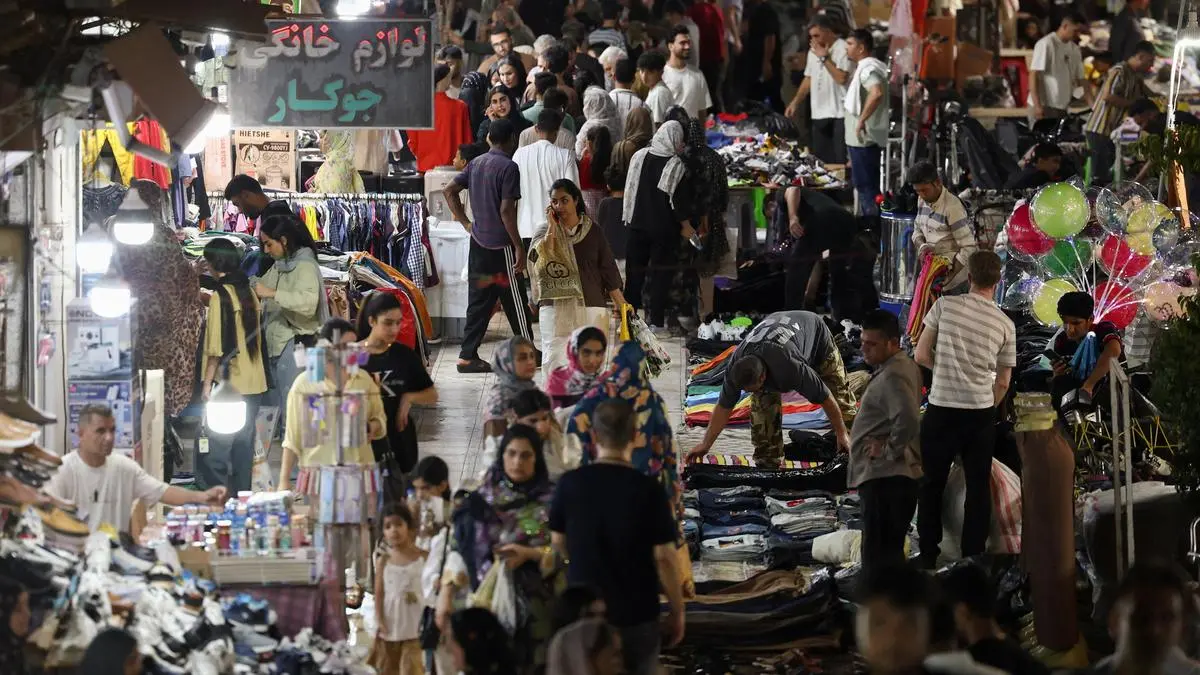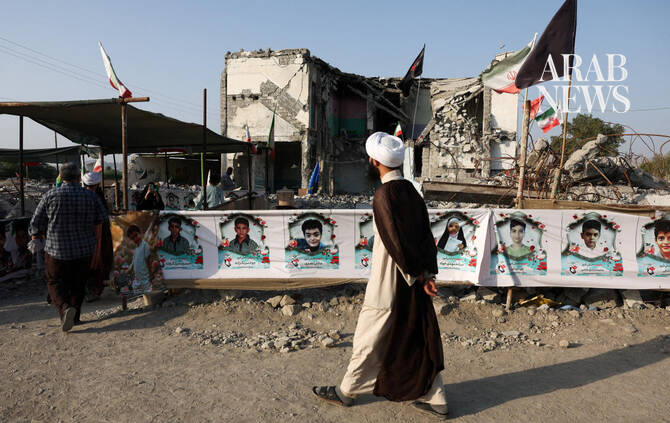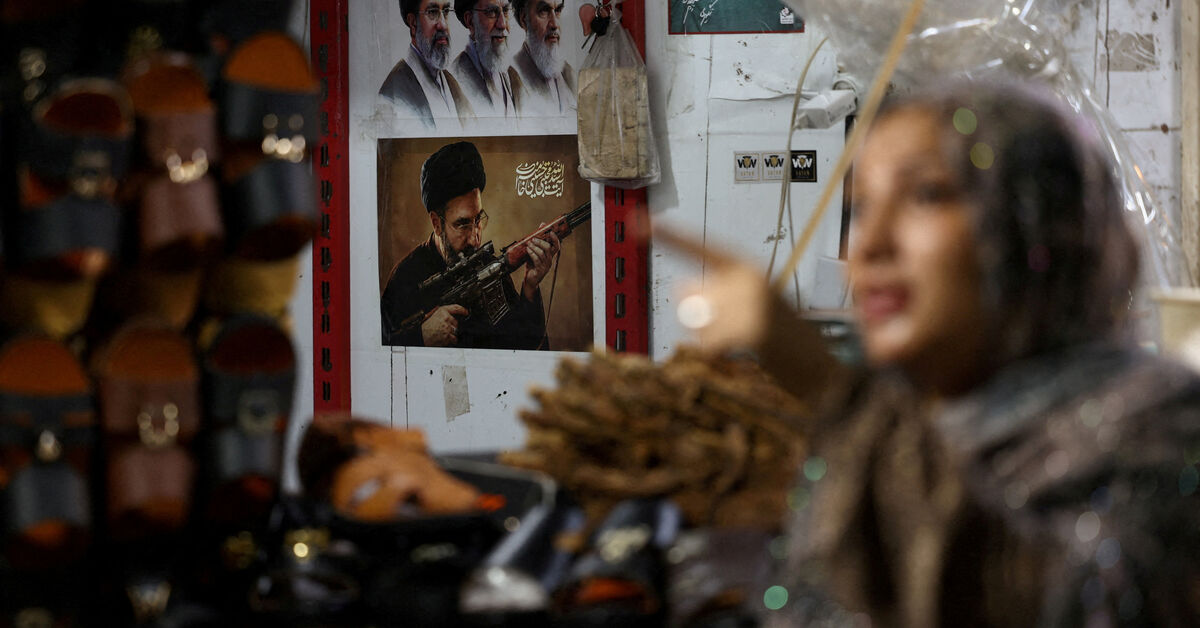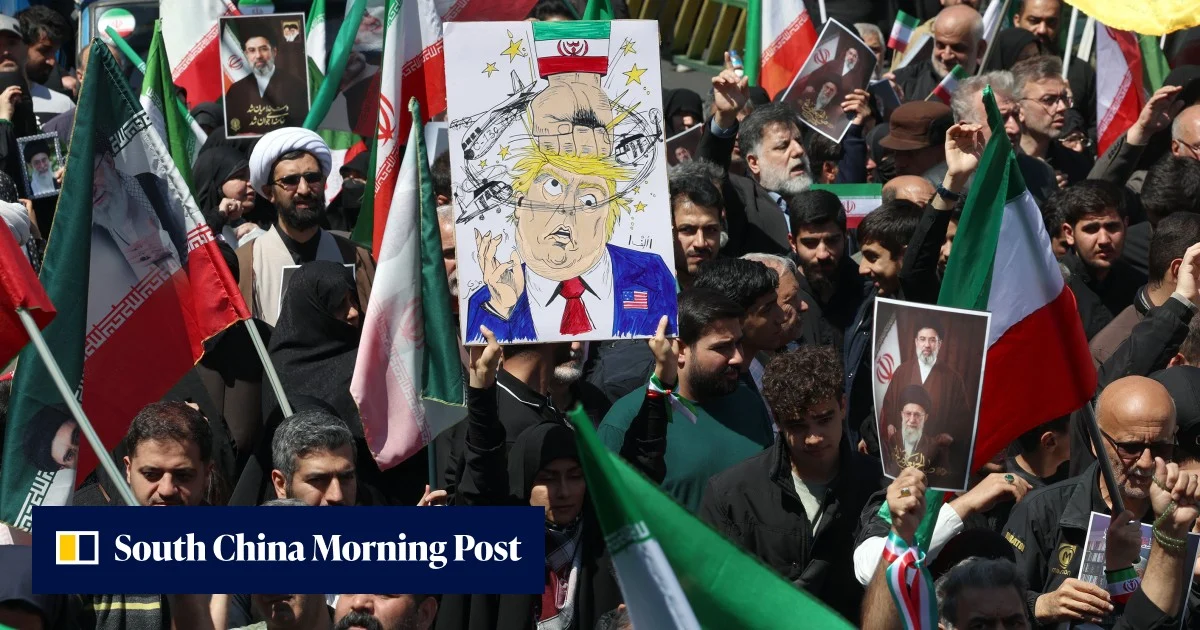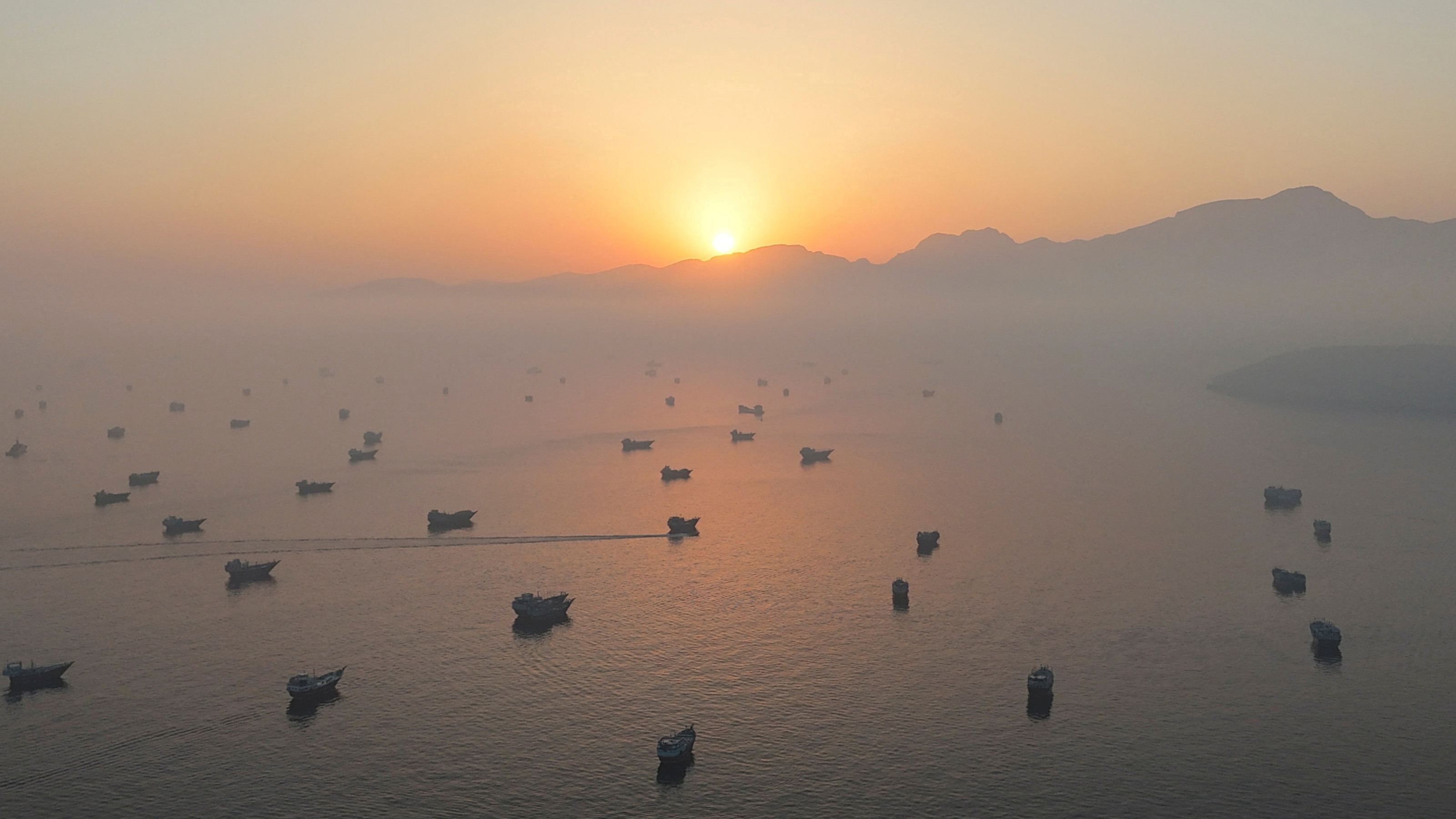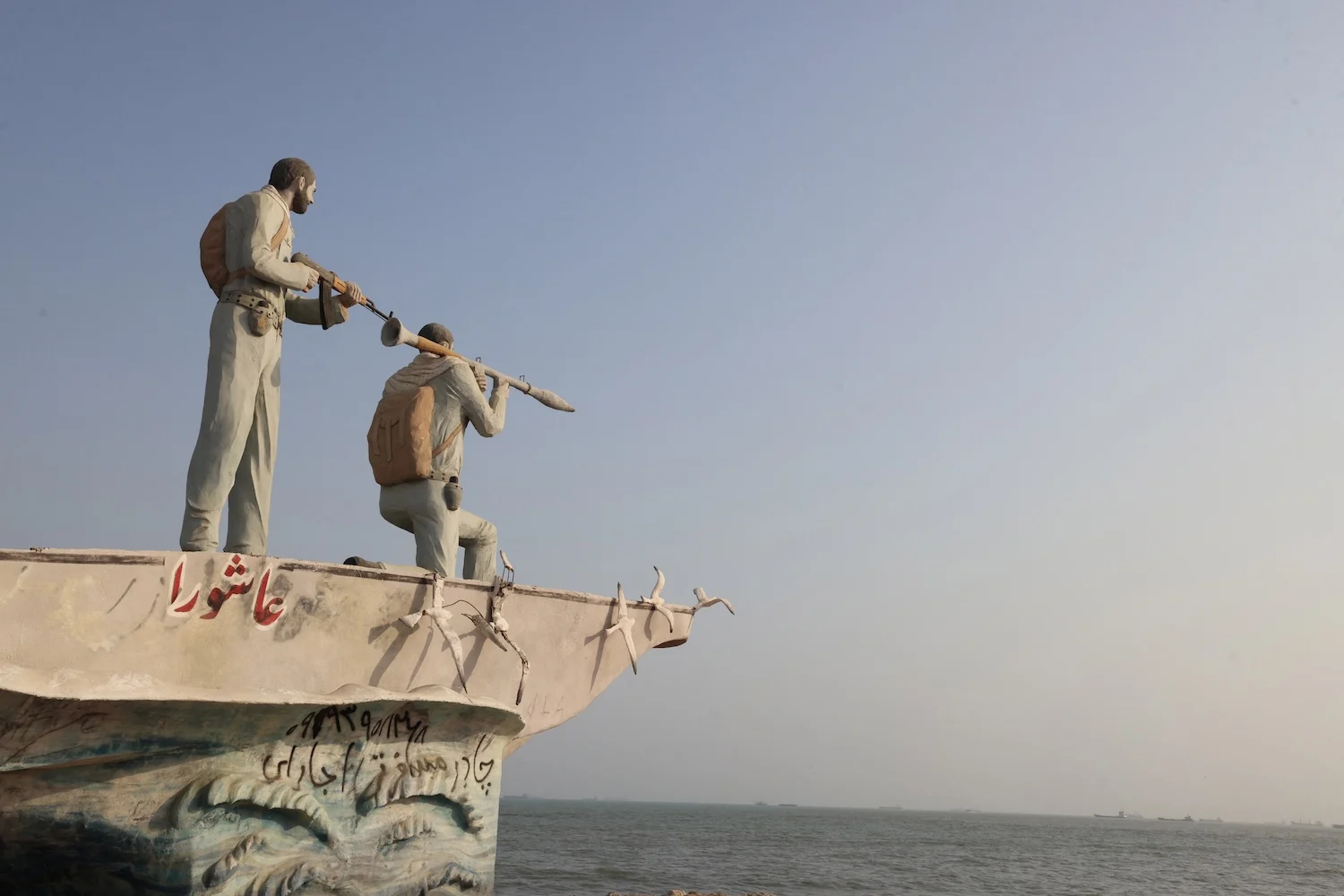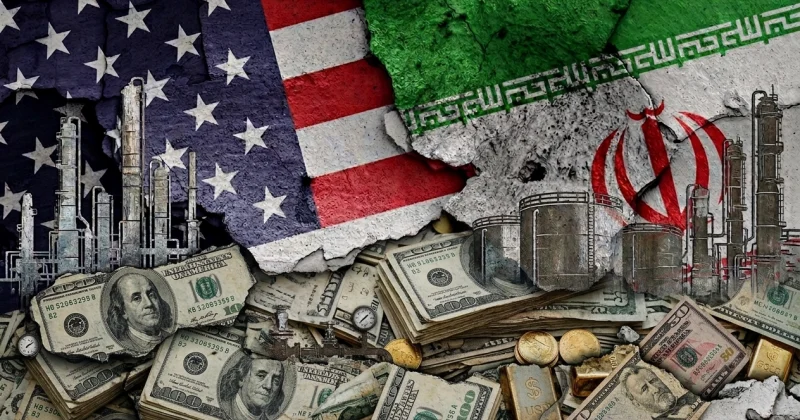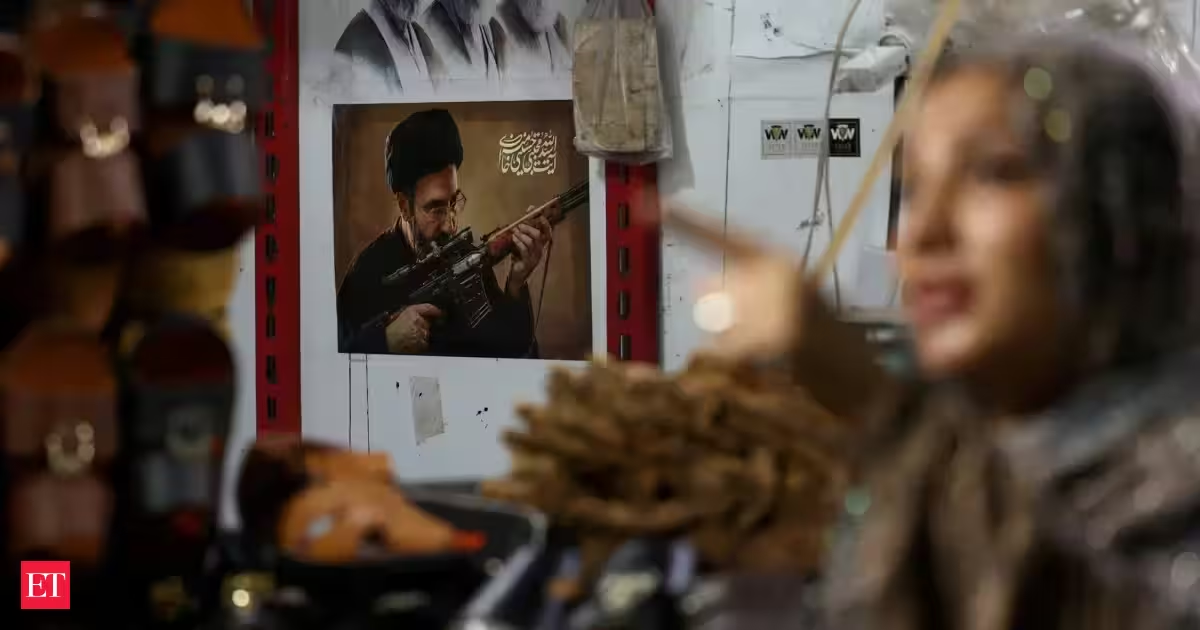
SynopsisIranian leaders are acknowledging mounting economic pain six months into the war with the US, as President Masoud Pezeshkian says foreign trade has fallen 35% under sanctions and a naval blockade. Supreme Leader Mojtaba Khamenei urged action on inflation and unemployment, while diplomatic efforts continue over the Strait of Hormuz.ReutersIran’s leaders are confronting worsening economic hardship as US sanctions drive a 35% drop in foreign trade, while diplomacy continues over the Strait of Hormuz.Dubai: Iranian leaders are acknowledging the economic toll of war with the United States, with the supreme leader calling on the government to address the hardship while the president reported foreign trade has shrunk 35% due to the American sanctions and blockade.The warnings came even as other leaders threaten the U.S. with military retaliation and declarations that the Iranian navy maintains control of the Strait of Hormuz, the strategic waterway giving Iran leverage through its ability to disrupt global energy markets.Also read: US diplomats and family members slowly begin to return to Middle East embassiesWith the war now at the six-month mark, and negotiations at an impasse, President Donald Trump's administration has stepped up efforts to punish Iran financially with what it has billed as an "economic D-Day."Washington has warned countries to cut their business ties with Iran or face secondary sanctions, though the Treasury Department stopped short of imposing penalties against major Iranian trade partners such as China and India, which could have repercussions for the U.S. and global economies.The U.S. Treasury Department did impose sanctions on Egypt's Banque Misr for doing business with Tehran, proposing a rule that would cut off the bank's branches in the United Arab Emirates from dollar transactions.Egypt's central bank said it and the foreign ministry were in contact with U.S. officials concerning the matter, adding the measure was limited to Banque Misr UAE's U.S. dollar transactions with correspondent banks only.U.S. Treasury officials separately issued sanctions targeting one entity based in Hong Kong and one person linked to Iran's Bank Melli, according to a notice posted on the department's website.The sanctions drive compounds the toll of the war on Iran's economy, where annual inflation hit 66% last month.Supreme Leader Ayatollah Mojtaba Khamenei, who was injured and has not been seen publicly since the February 28 attack that killed his father, former Supreme Leader Ali Khamenei, called on the government to tackle the economic hardship."There is the need to seriously address the chain of economic and livelihood challenges, such as inflation, unemployment, management of prices and the market for goods and services," said a written statement attributed to Khamenei.Iranian President Masoud Pezeshkian told state media that Iranian exports and imports slumped nearly 35% because of U.S. sanctions and a naval blockade of Iranian ports.But he said Iran was able to sell about 90 million barrels of oil during the short-lived memorandum of understanding that the U.S. and Iran signed in June, when Washington permitted Iranian oil sales.With the U.S. focused on its economic pressure campaign, others have sought to revive diplomatic efforts to end the war.Qatari Prime Minister Sheikh Mohammed bin Abdulrahman Al Thani met with Iranian leaders in Tehran on Thursday. He said he had stressed during the meeting the importance of returning to the pre-war status of open shipping through the Strait of Hormuz.Also read: Hezbollah chief again rejects Lebanon-Israel deal, refuses 'surrender'Iranian Foreign Minister Abbas Araqchi on Friday described the talks with Al Thani as "creative."Qatar, a U.S. ally and Gulf neighbour to Iran, and Pakistan helped broker the June memorandum of understanding that led to a brief ceasefire before disagreements over the strait caused it to unravel.U.S. military commanders say American forces have cleared sea mines from the strait that had been laid months ago by Iran's Islamic Revolutionary Guard Corps.Trump has repeatedly said the strait is open, but the Islamic Revolutionary Guard Corps' navy said in a statement that such claims "are an obvious lie," reiterating that the waterway remained closed to ships without Iranian permission.Preliminary shipping data released on Friday showed that only seven commodity vessels had transited the Strait of Hormuz on Thursday, down from 17 a day earlier and below the 10-day average of 15.Read More News on
Iran’s foreign trade plunges 35% as US sanctions deepen war’s economic toll
Iranian leaders are acknowledging mounting economic pain six months into the war with the US, as President Masoud Pezeshkian says foreign trade has fallen 35% under sanctions and a naval blockade. Supreme Leader Mojtaba Khamenei urged action on inflation and unemployment, while diplomatic efforts continue over the Strait of Hormuz.
694 words~3 min read