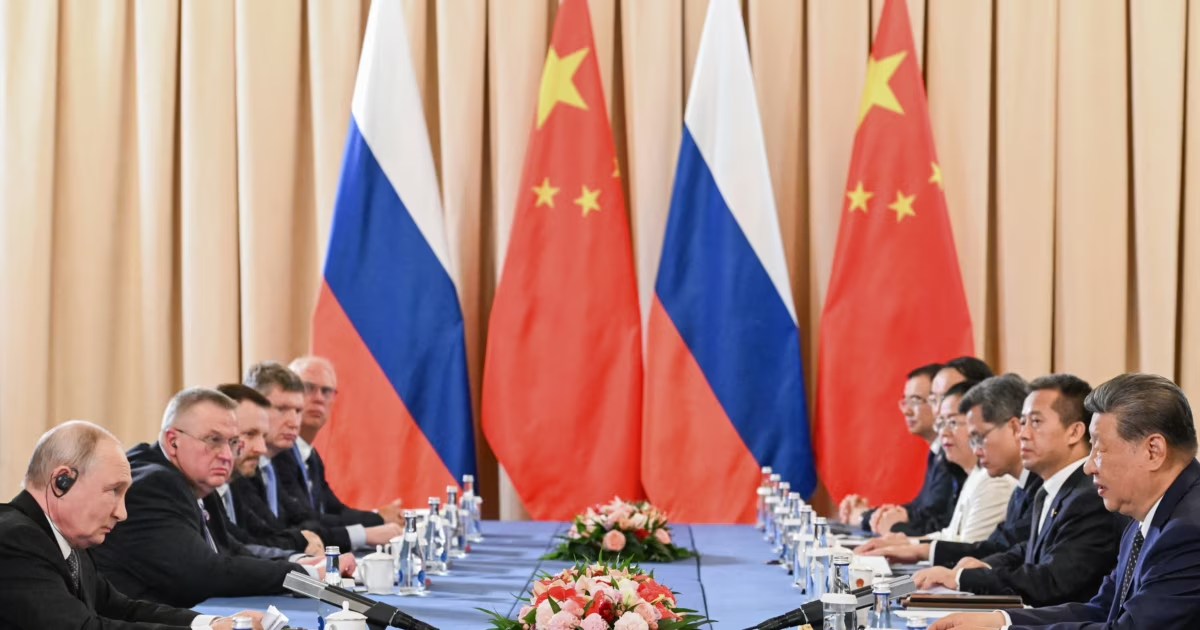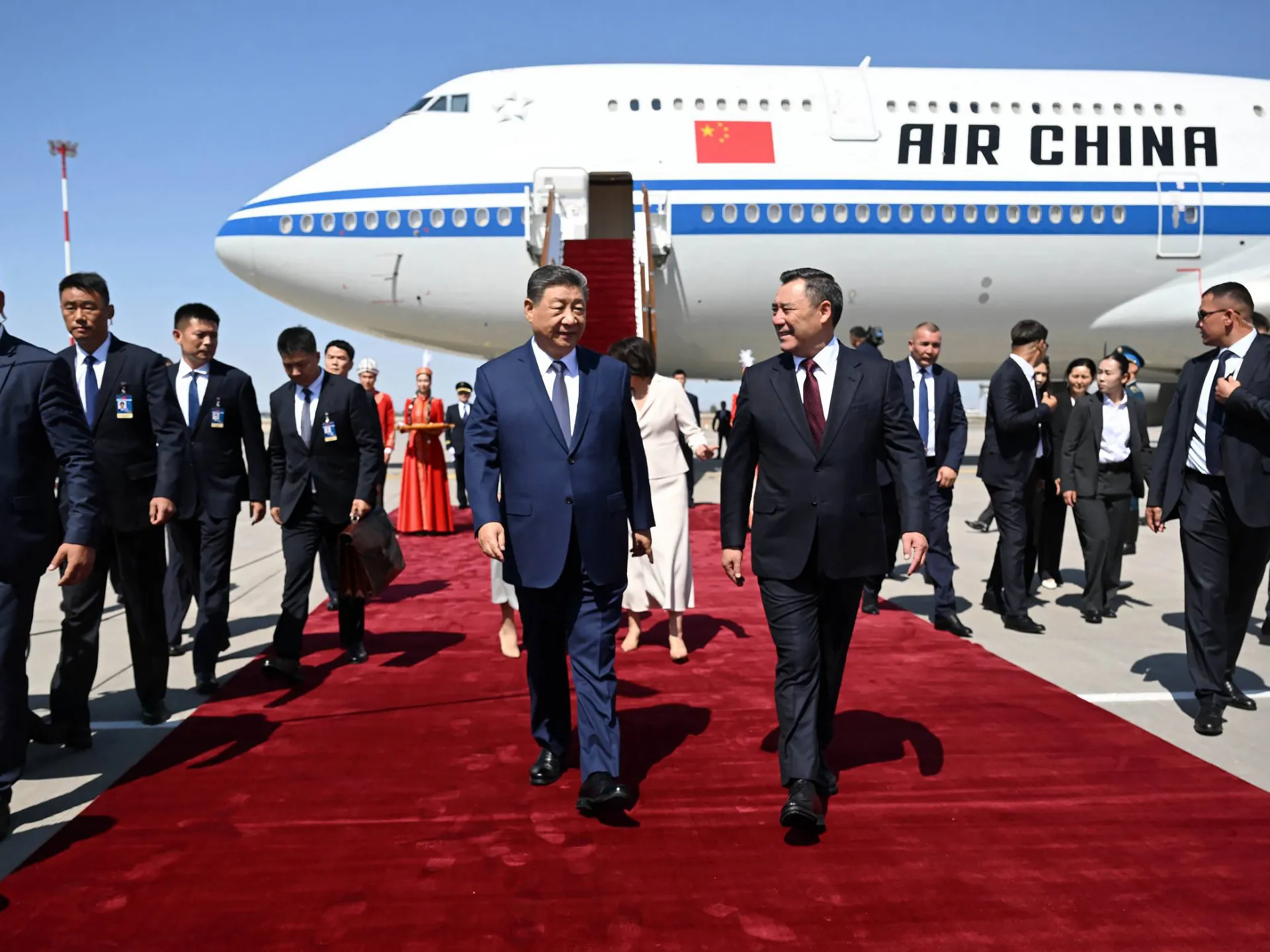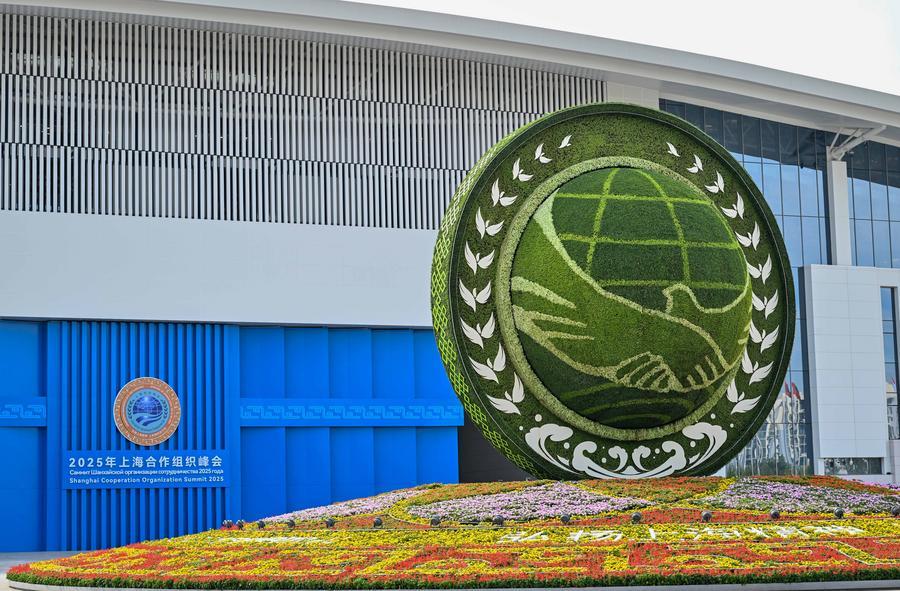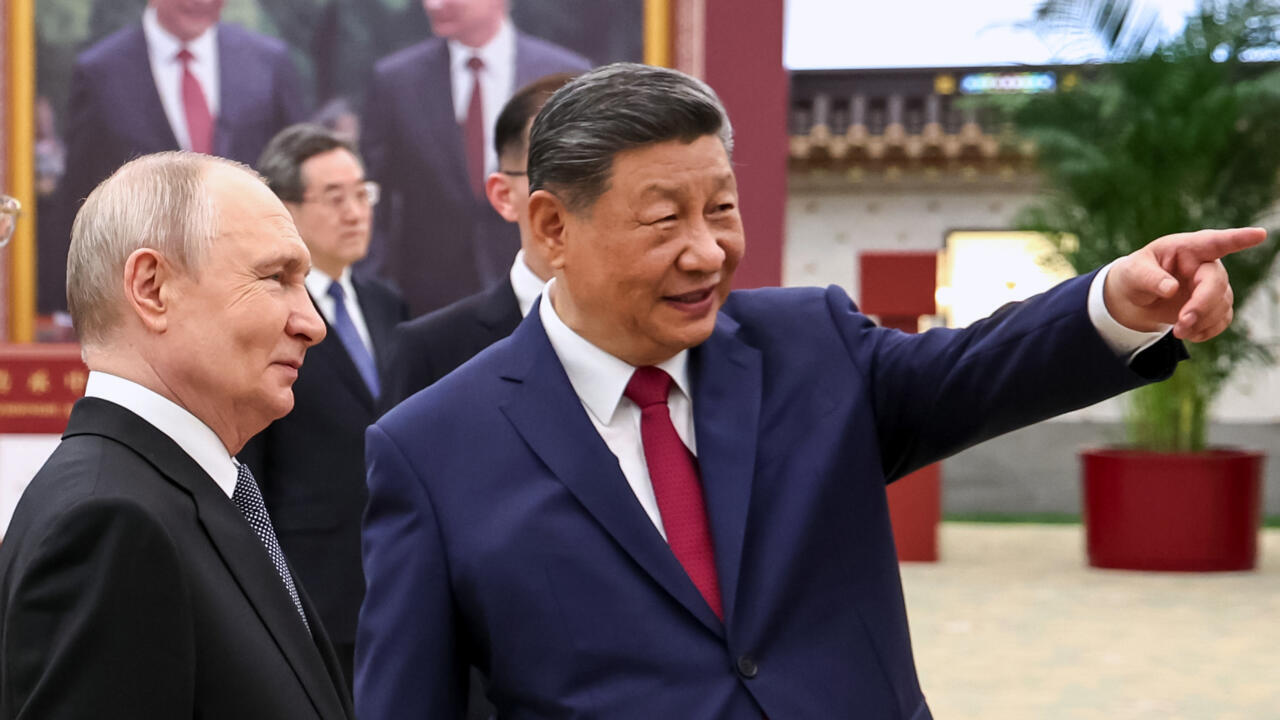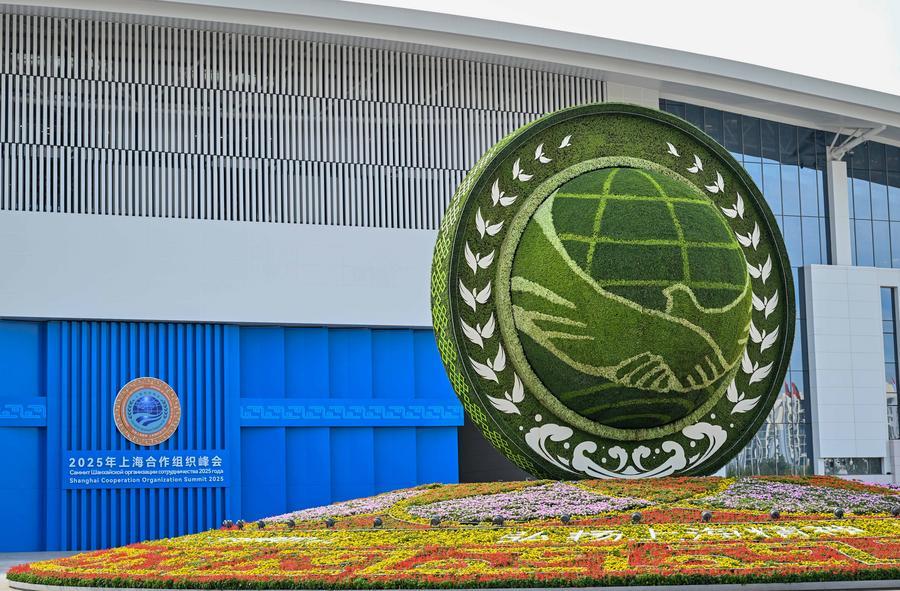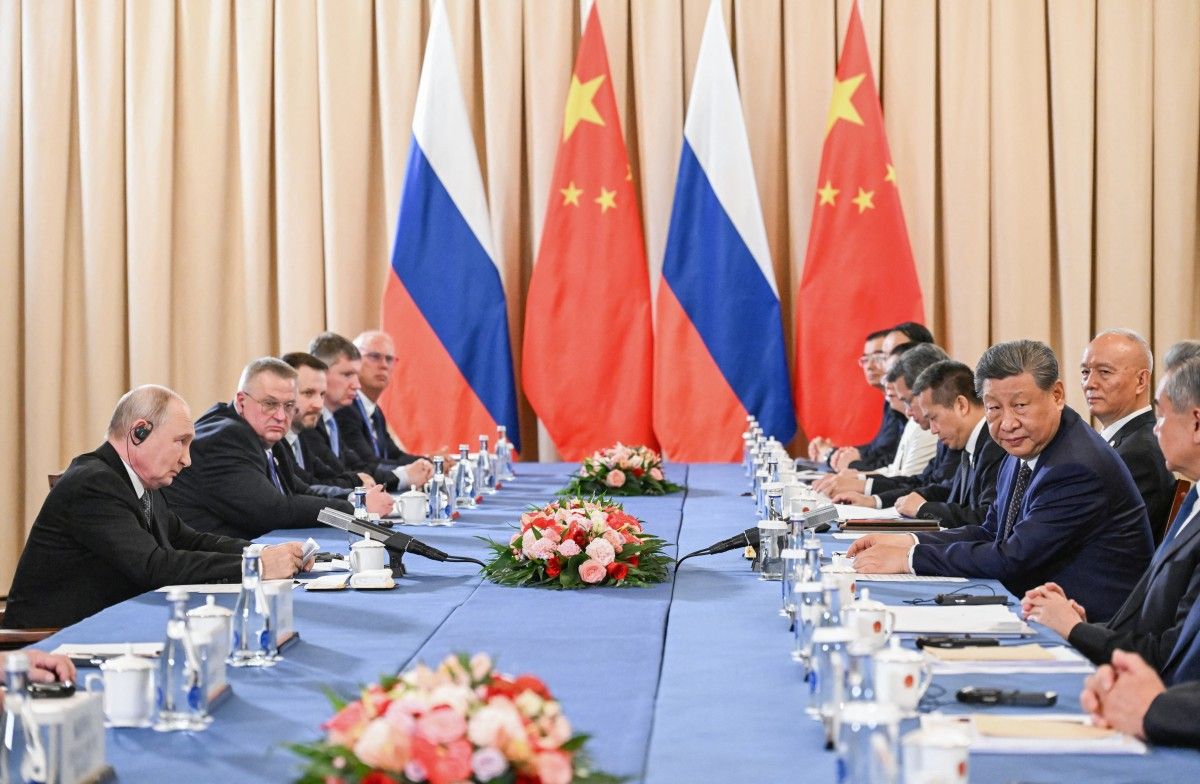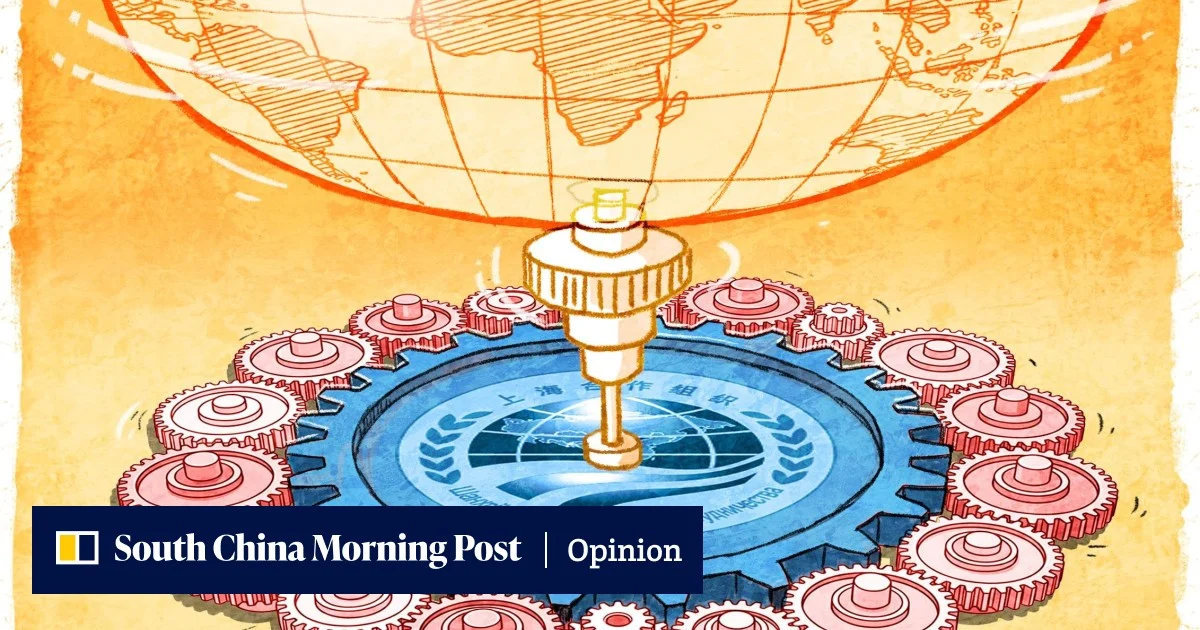
The Shanghai Cooperation Organization (SCO) Summit, taking place on August 31 and September 1, will be another opportunity for China and Russia to try to promote an alternative to Western-led international institutions. But the organization, now in its 25th year, faces internal rivalries and tensions that are becoming ever more difficult to sweep under the rug.
The SCO appears to be high on geopolitical symbolism and low on genuine relevance, at least on the political and security front. Despite its Regional Anti-Terrorist Structure (RATS) and the Peace Mission military exercises between SCO member countries, the organization’s security agenda has been weak, with very little to show in terms of actual results. It is not a security treaty, and it has had little effect in diluting the political and military tension between its major players.
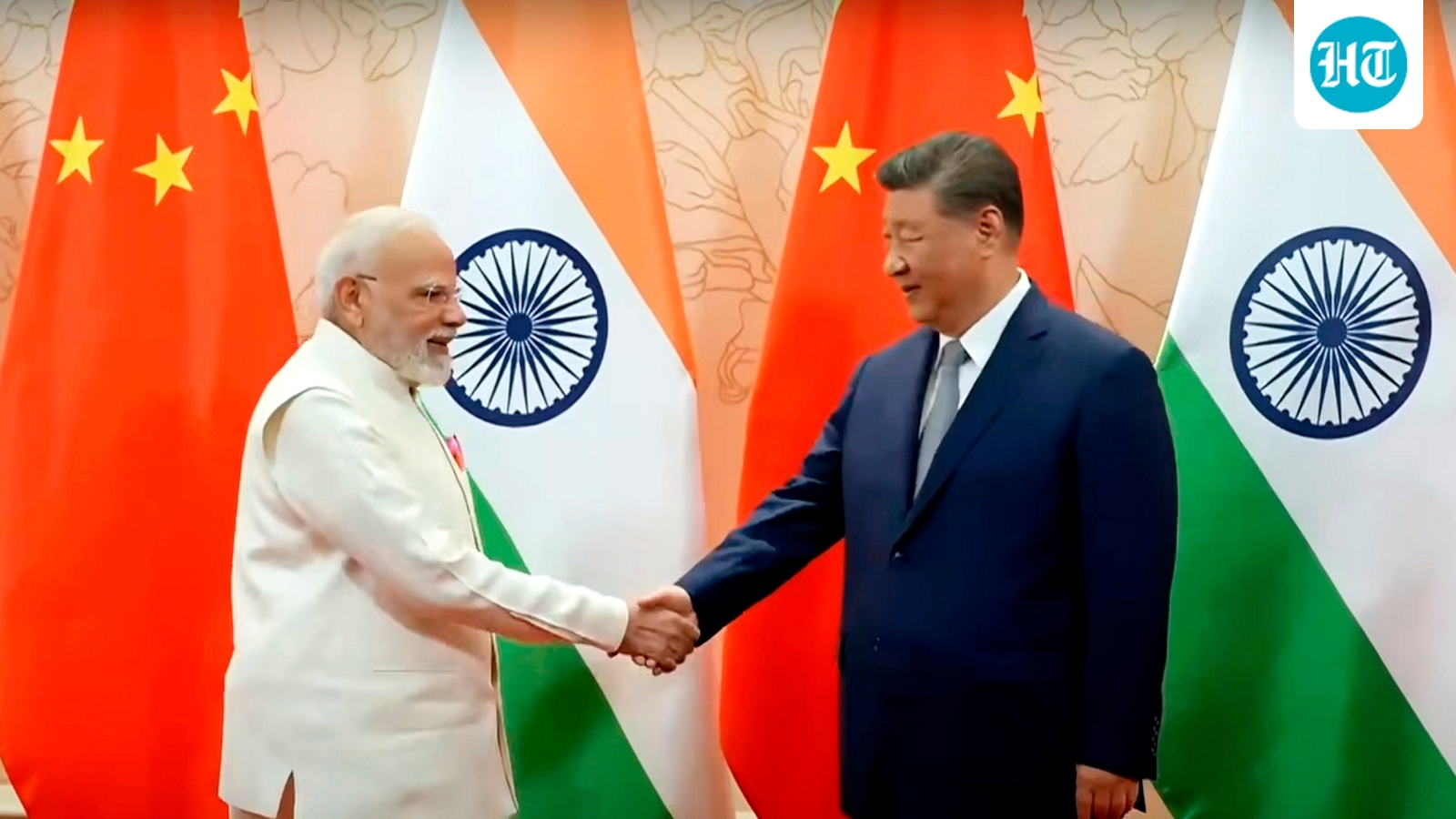
One such point of tension is the Sino-Indian conflict. This is a long-running contest that predates the SCO by decades and periodically erupts into clashes at their disputed border. The most recent one took place in 2020 and was unusually violent, causing the first casualties resulting from such clashes in decades and throwing the relationship into a freezer. Talks this month have made some progress, but the fundamentals of the border conflict are likely to remain unresolved. The two sides have discussed ways to improve understanding of the border demarcation in appropriate areas. In an effort to manage border issues, two new additional military hotlines were agreed upon to connect India’s Eastern Army Command and Central Army Command with their Chinese counterparts. While these institutionalized communication channels are useful to avoid incidents along parts of border, an absence of mechanisms is not necessarily the problem. These may be useful, though in previous crises, such mechanisms were not.