Read The Diplomat, Know The Asia-Pacific
In an international system increasingly characterized by strategic distrust, contested borders, fragmented and overlapping alignments, the capacity to communicate with one’s rivals remains critical for conflict management.
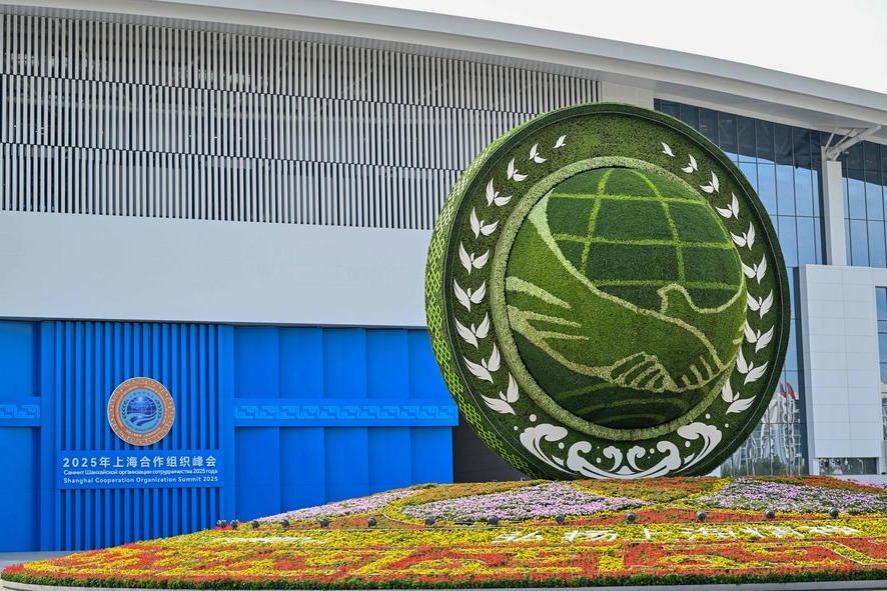
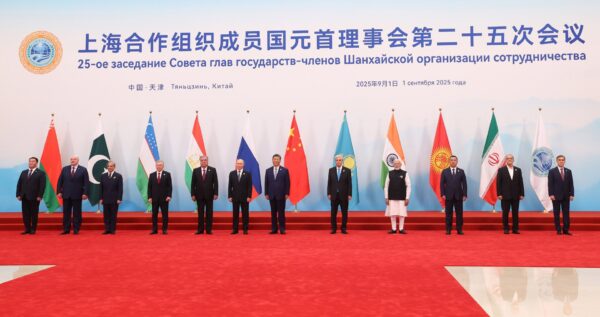
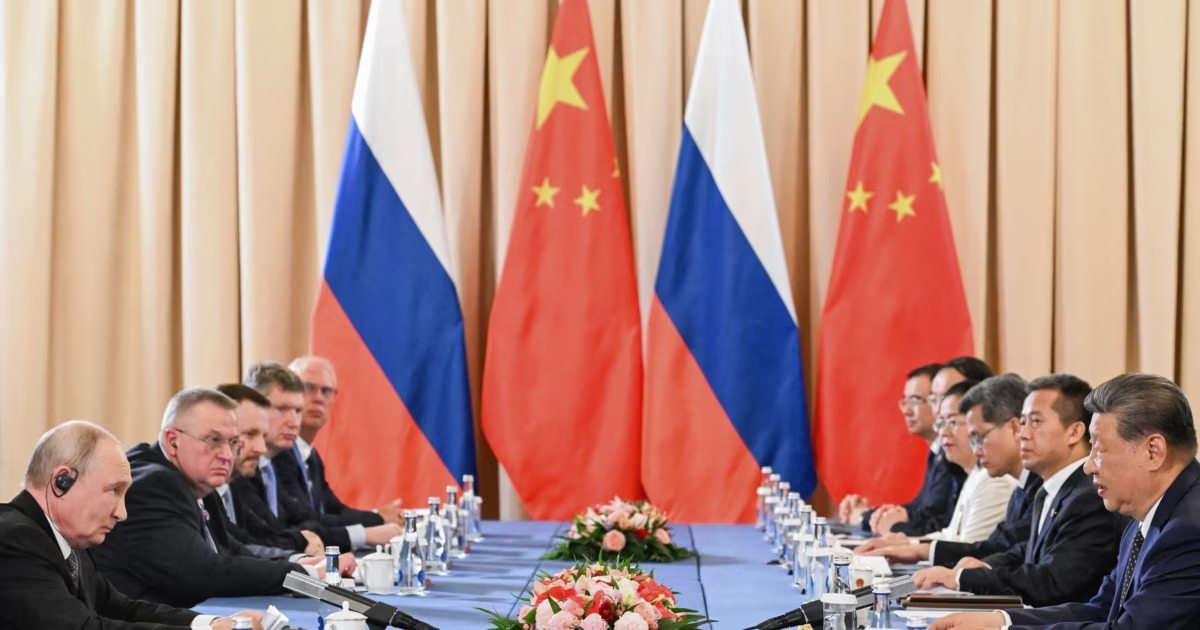
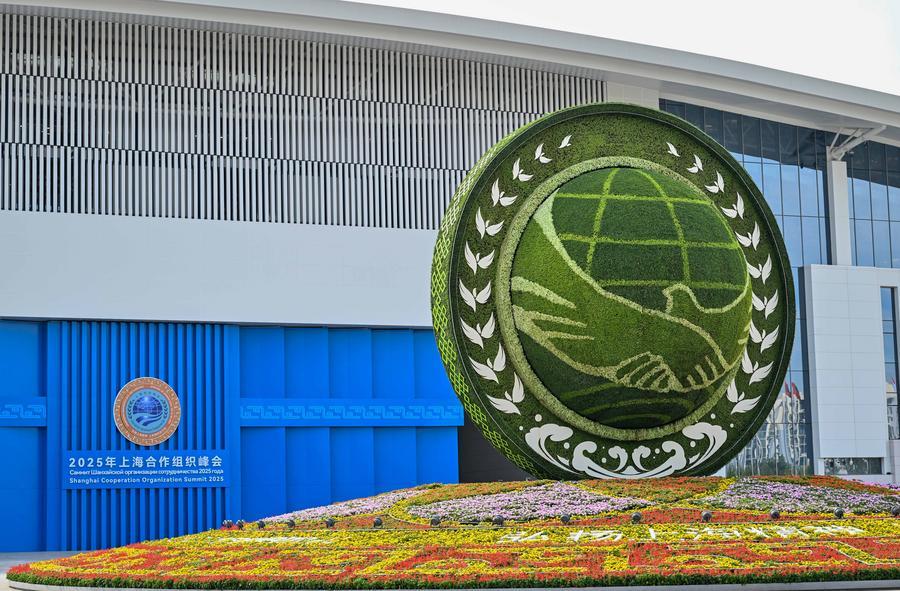
When the leaders of the Shanghai Cooperation Organization (SCO) gather in Bishkek on September 1, 2026, they will be celebrating a quarter-century journey: from an original six members in 2001 to now the world’s largest regional organization comprising 10 members – China, Russia, India, Pakistan, Iran, Belarus, and four Central Asian republics – with Afghanistan and Mongolia as observers, plus 15 dialogue partners stretching from from the South Caucasus to the Middle East, South, and Southeast Asia.
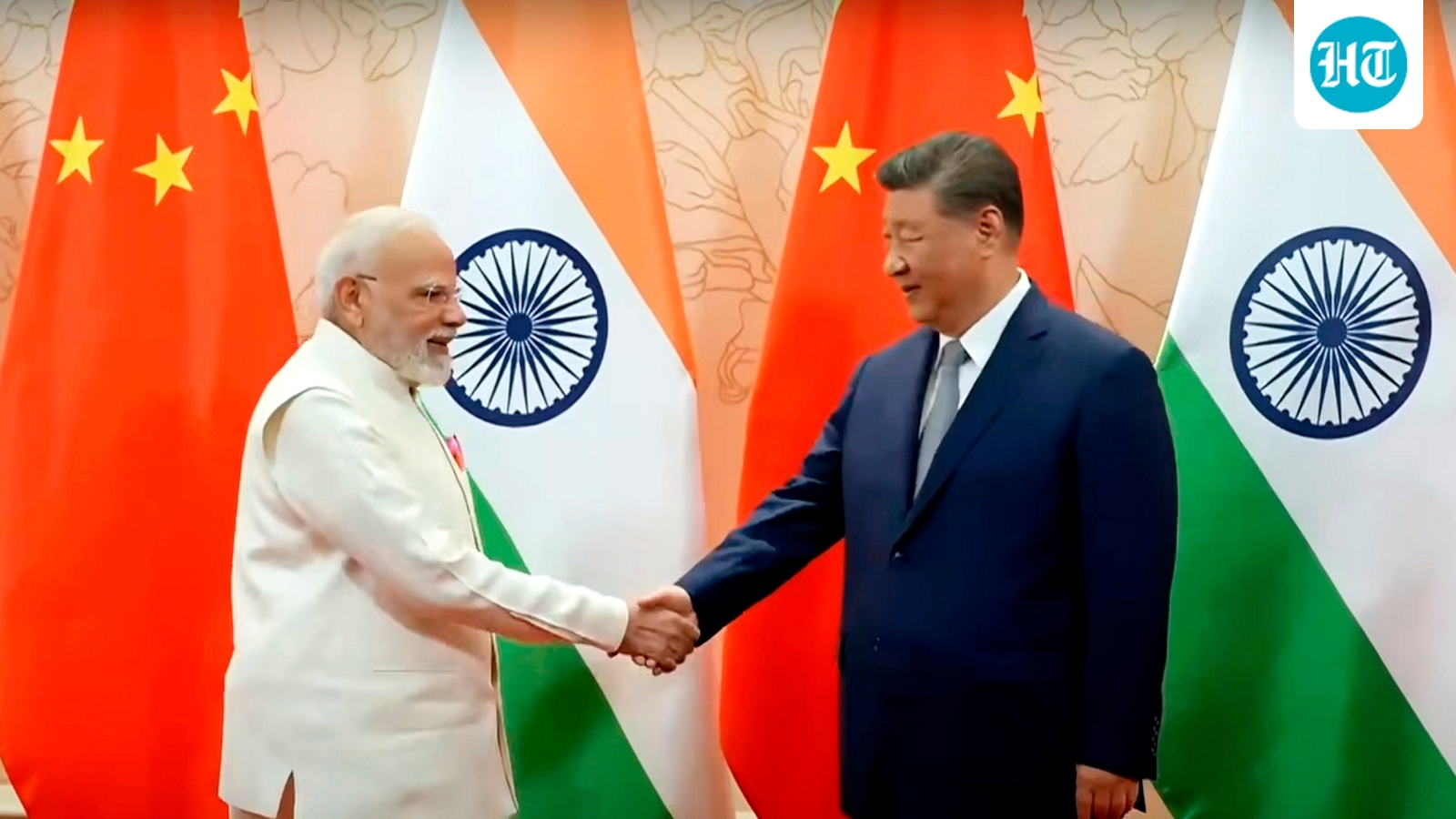
But the 25th anniversary will also be an occasion for a reality check. At first glance, persistent intra-SCO tensions are clear: Russia has dragged Belarus into its war with Ukraine; Iran’s war with the United States has seen it attacking Bahrain, Qatar, Kuwait, the UAE, and Saudi Arabia; Afghanistan and Pakistan are engaged in a cross-border conflict; India and China have an unresolved border and occasional military tensions; India and Pakistan have a deeply adversarial relationship; and Cambodia just last year was embroiled in a border war with Thailand. All of these states are either members, observers, or dialogue partners in the SCO.