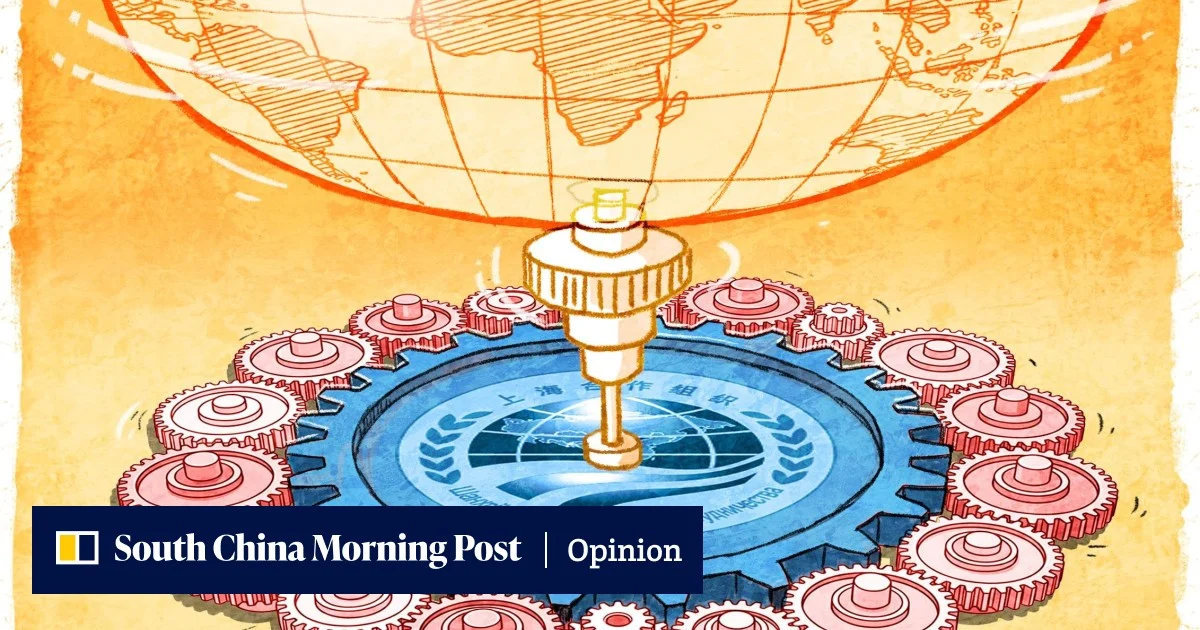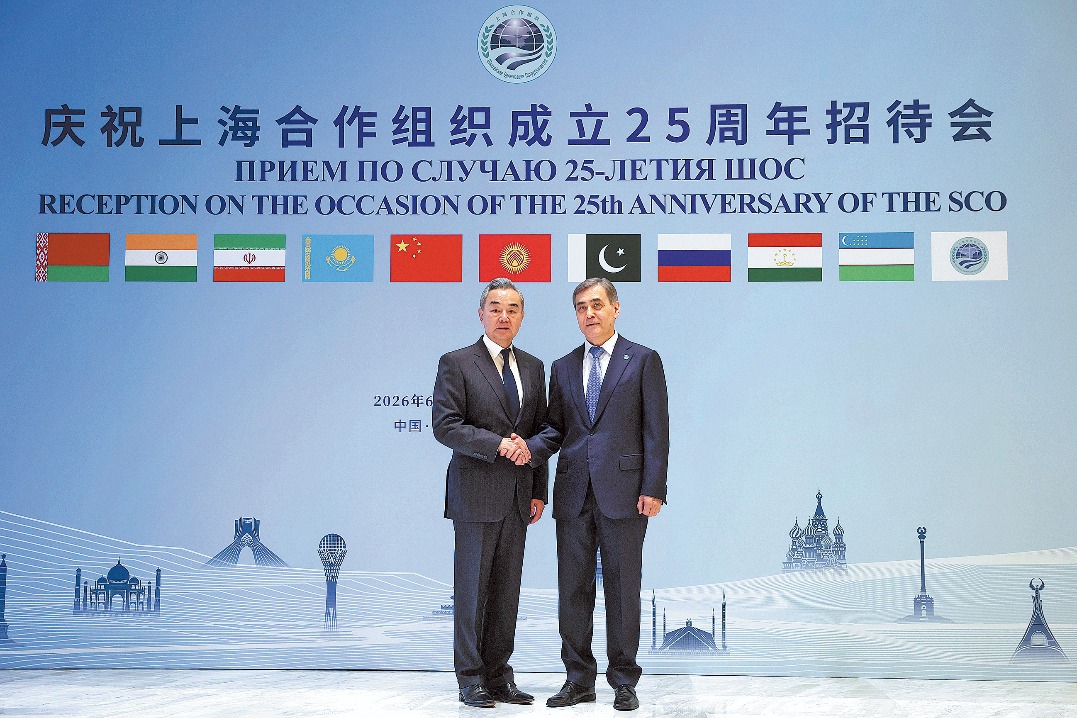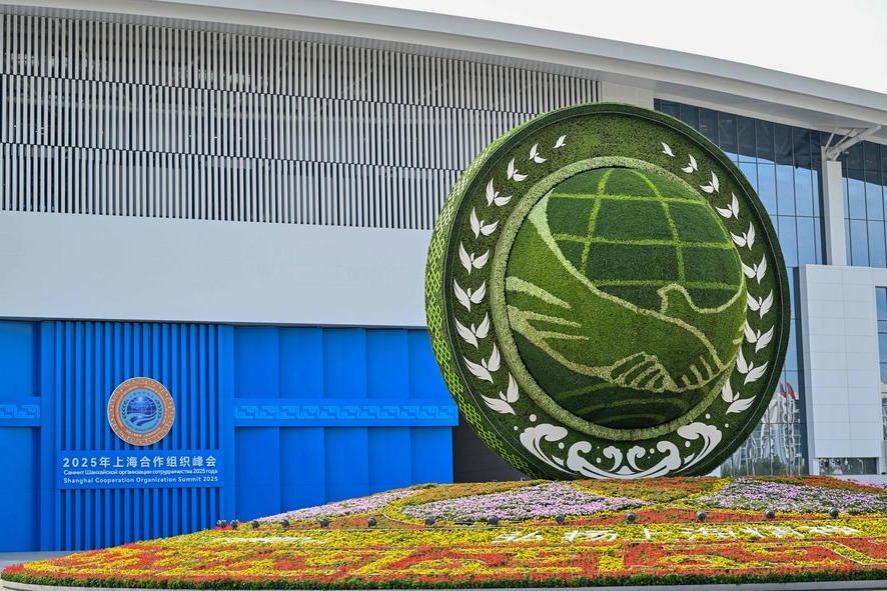
The 25th anniversary of the founding of the Shanghai Cooperation Organization on June 15 marks more than a symbolic milestone. Over the past 25 years, the SCO has evolved from a narrowly focused border-security mechanism into one of the largest transregional organizations in Eurasia and one of the central pillars of the emerging multipolar order.
In a world marked by fragmented globalization, sanctions, conflicts and institutional crises within the Western system, the SCO is increasingly establishing itself as a contributor to international cooperation, emphasizing sovereignty, consensus and strategic pragmatism. The SCO is becoming a symbol of resistance against the unipolar development model some powers are desperate to impose on Eurasian countries. As a key founding member, China provides investment, logistics and an alternative development model to that of the West — one based on the principles of respect for the sovereignty of countries, nonviolence and mutual benefit.
The organization originated from the "Shanghai Five" mechanism created in 1996 by China, Russia, Kazakhstan, Kyrgyzstan and Tajikistan. At first, it concentrated on confidence-building and demilitarization along the post-Soviet Chinese border. However, the geopolitical dynamics of Eurasian integration soon expanded the mechanism's scope beyond border security.