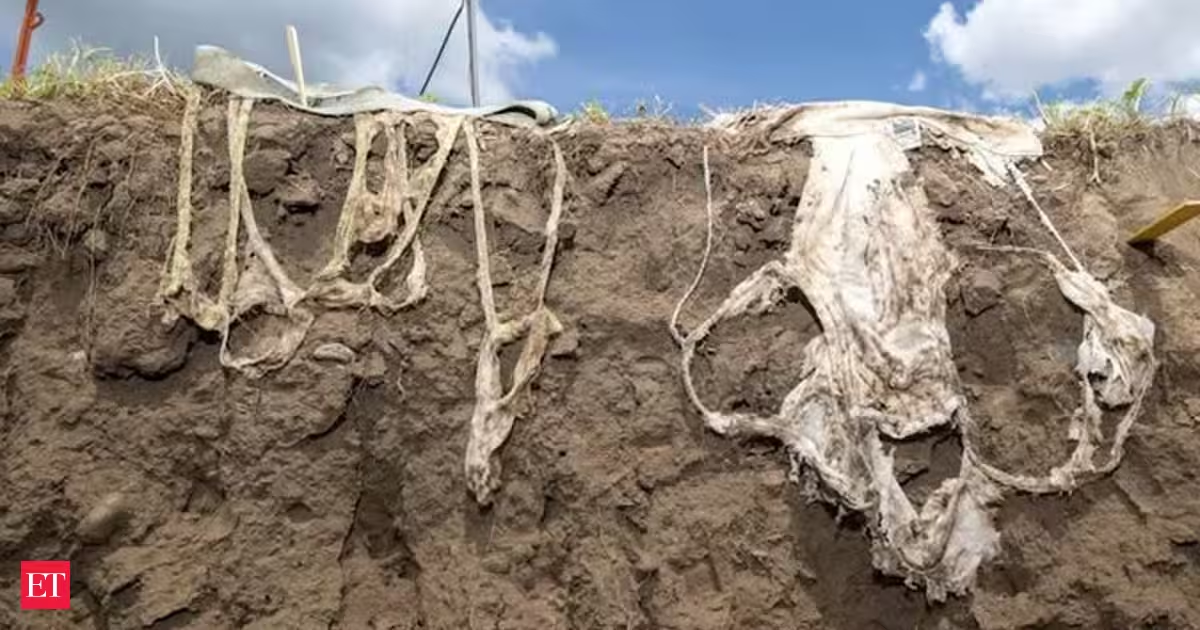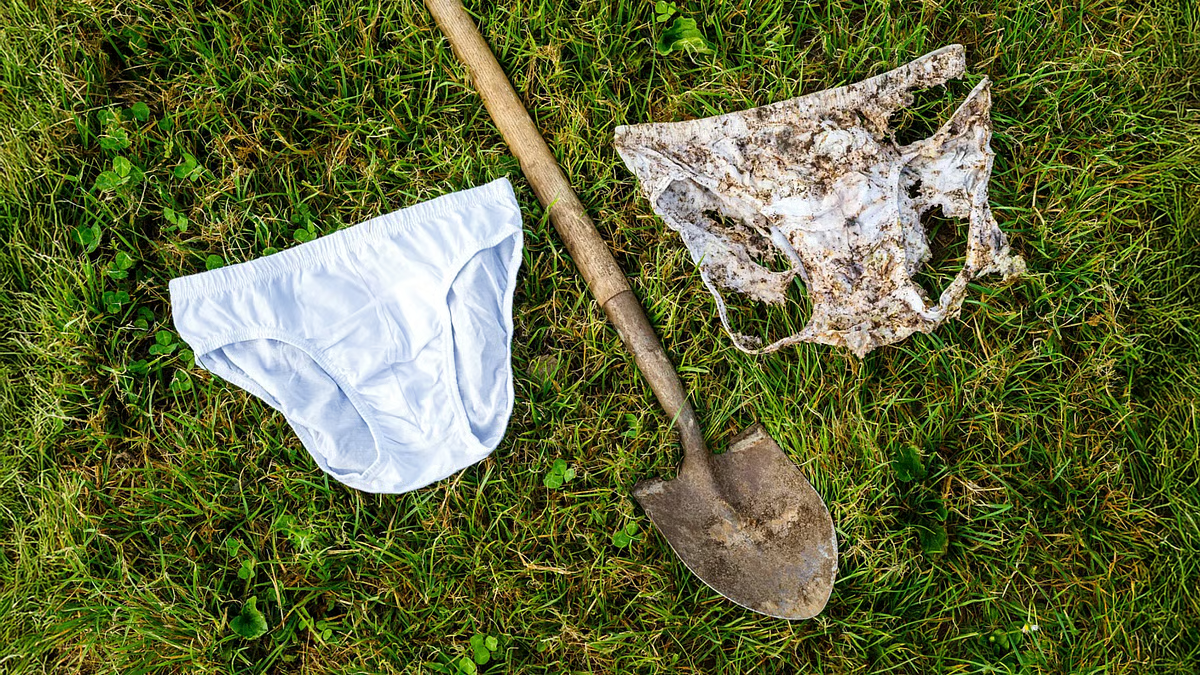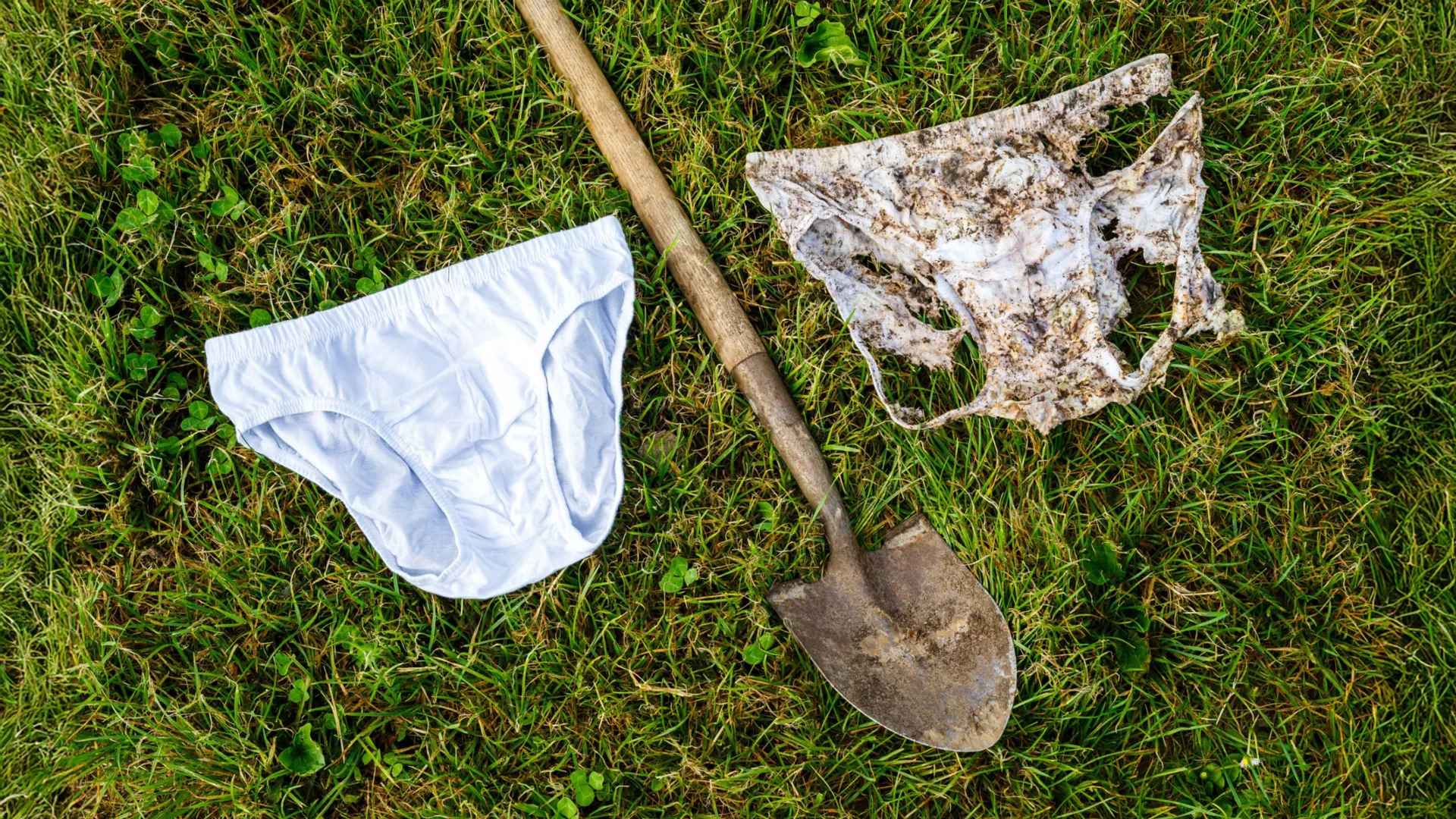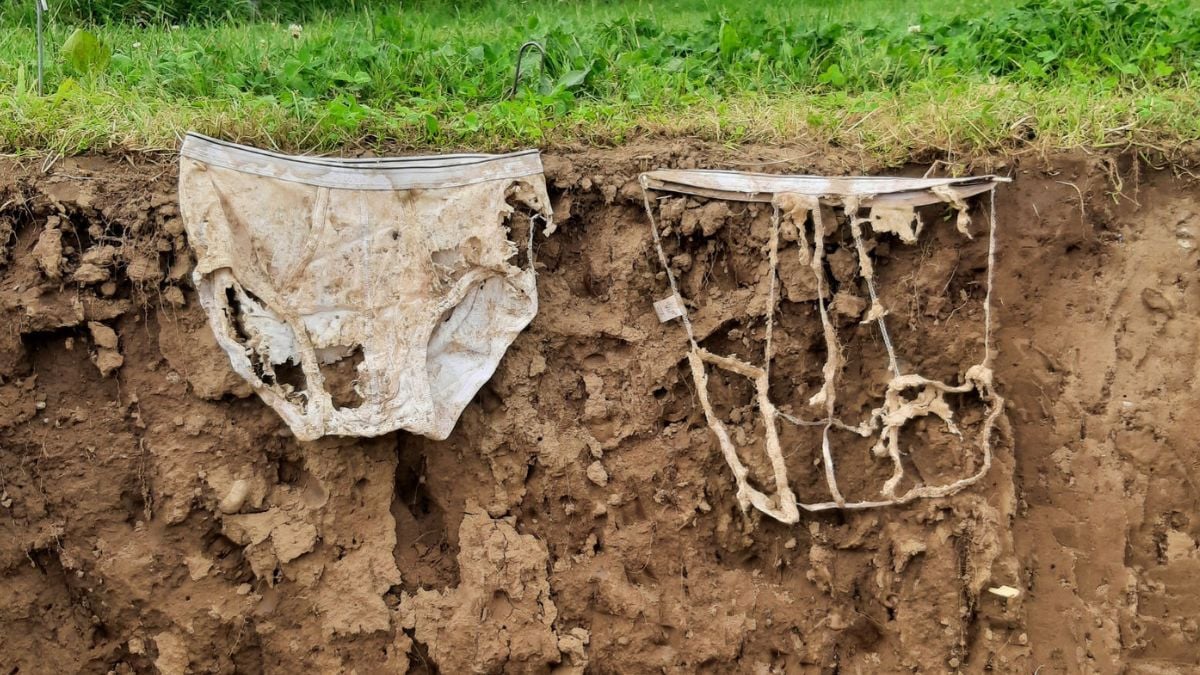
They wanted our attention, and now they have it.Scientists have buried more than 2,000 pairs of underwear in gardens, meadows, fields, and lawns scattered across Switzerland.Sadly, this was not the start of some great, nationwide game of hide-and-seek.It was simply a way to air our dirty laundry.When researchers dug up the cotton undies two months later, some of the pairs had become mere skeletons of seams, while others just featured a hole or two.The findings of the project, called "Proof by Underpants", were published in the journal Plants, People, Planet.It was designed to show us that some soils are hanging on by little more than a G-string.A selection of the more than 2,000 cotton underwear items in various stages of decomposition that were buried in fields, meadows, and gardens. (Gabriela Brändle, Agroscope)"Overall," write the study authors, "this project demonstrates that underpants can serve as a simple and easy-to-interpret tool, providing informative insights into the state of soils."Moreover, they are perfectly suited to raise attention in society for soil."To make more people aware of soil as a threatened resource, the research team, led by scientists at the University of Zurich, has proposed an "Underpants Index".They say that the lack of holes in some buried underwear is a conspicuous sign of missing nutrients, which feed rich biological activity, and that's a big problem.
Soil Scientists Buried 2,000 Pairs of Underwear to Prove a Point
They wanted our attention, and now they have it.
1,000 words~5 min read