view more
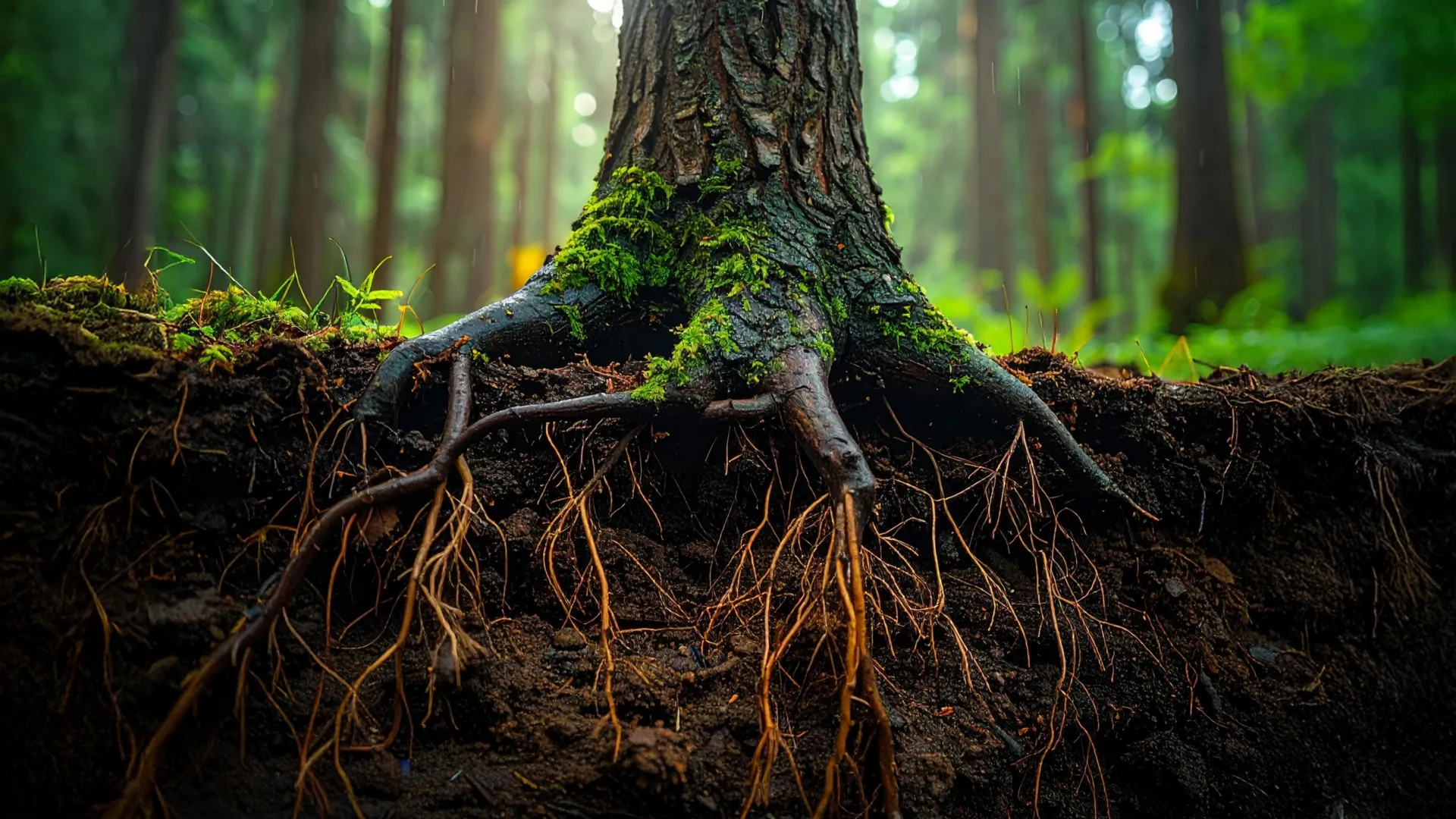
Soil is the foundation of our food supply. It stores water, carbon and nutrients and is home to a large share of the world’s biodiversity. More than half of global biodiversity is estimated to live below ground. Yet biodiversity, and with it soil health, is declining worldwide, with consequences for agriculture, food security and the functioning of entire ecosystems.
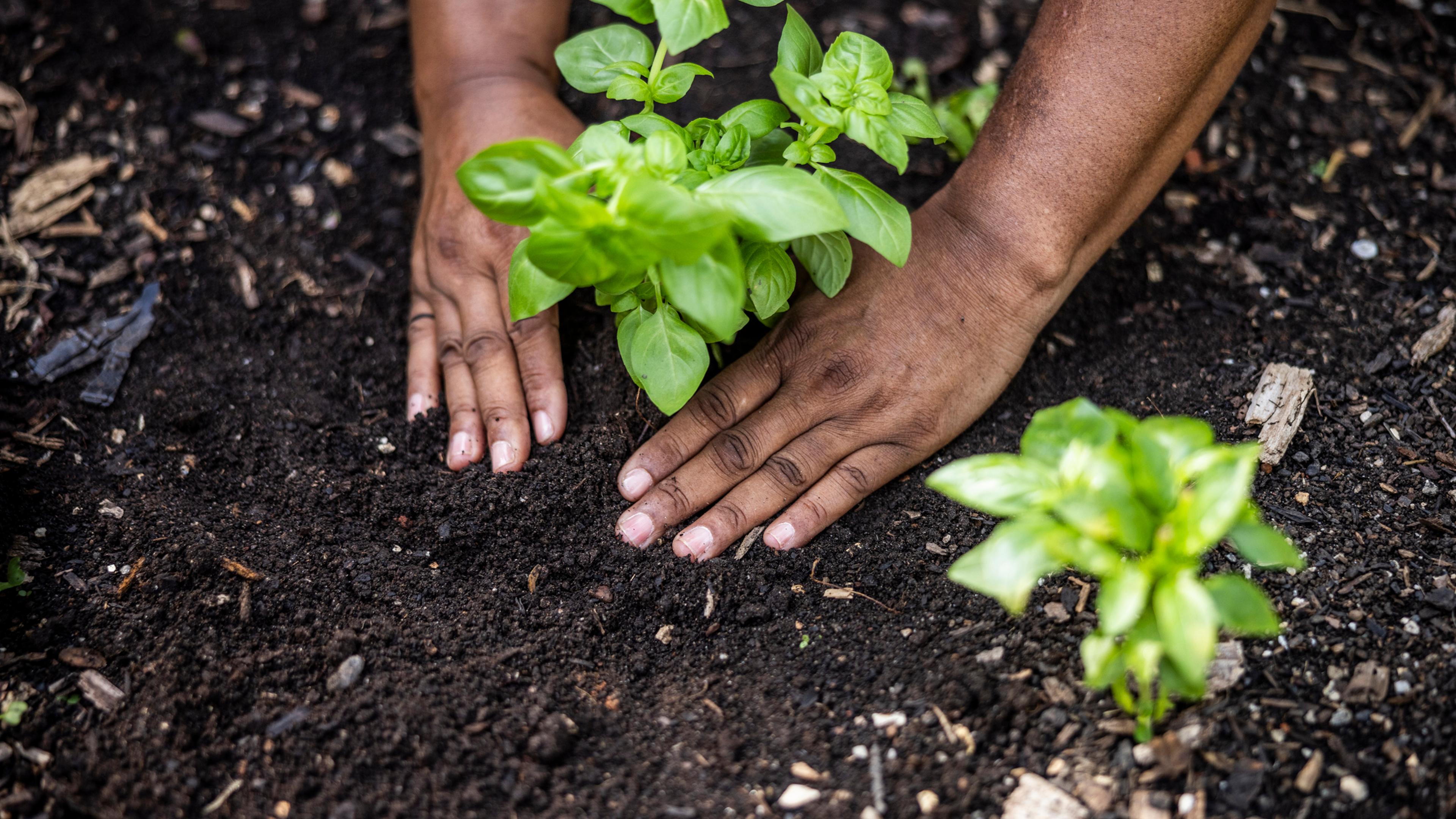
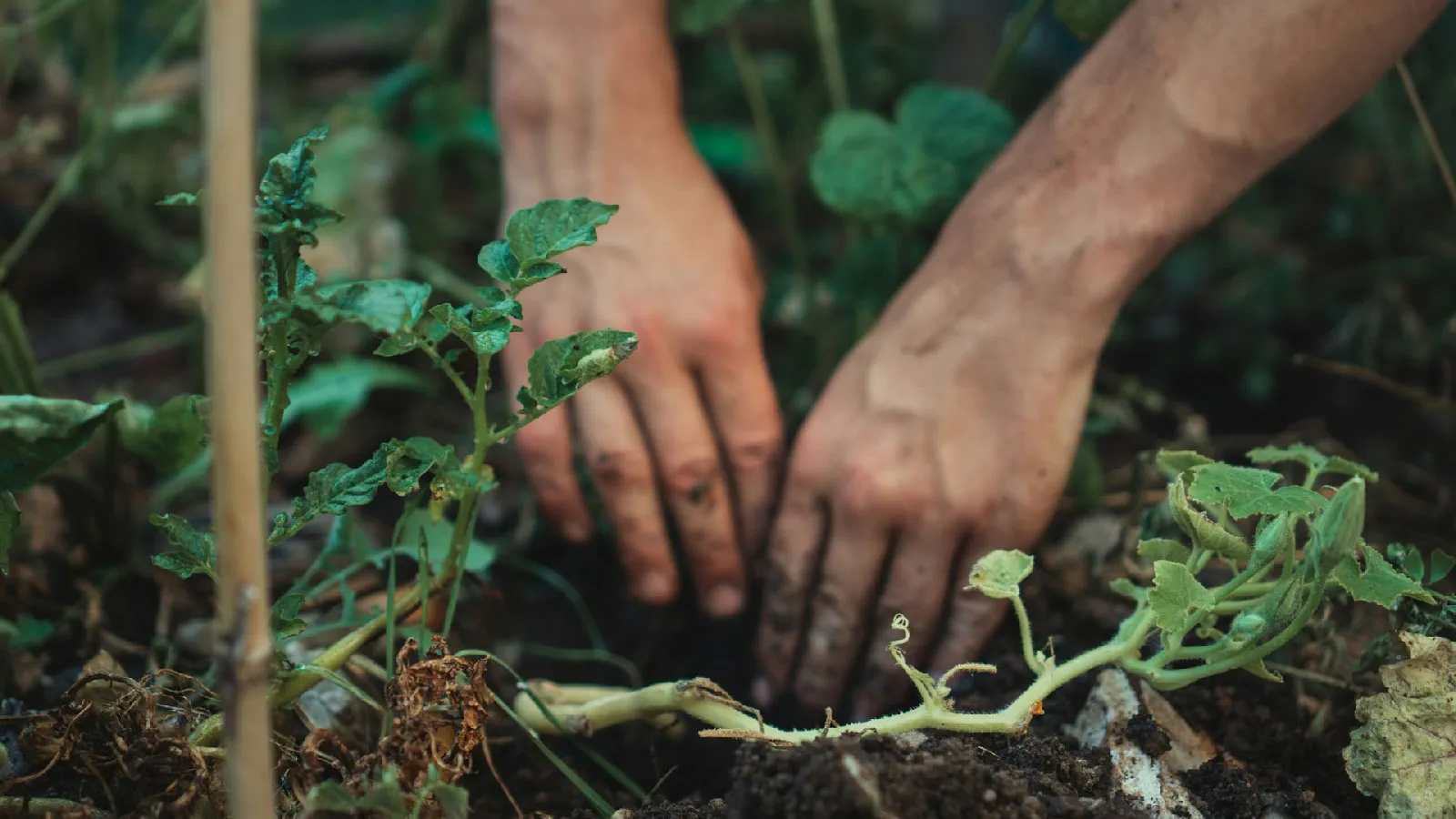
In 2021, researchers from the University of Zurich (UZH) and Agroscope, the Swiss federal center of excellence for agricultural research, launched the citizen science project Proof by Underpants (Beweisstück Unterhose) to draw attention to this often overlooked ecosystem and also collect scientific data. Following a standardized procedure, 1,000 volunteers buried more than 2,000 pairs of cotton underwear and 12,000 tea bags at around 1,000 locations across Switzerland. Two months later, they dug them up, photographed them and sent them to the laboratory together with a soil sample for further analysis.
Decomposition rate as indicator of soil life
The results, a map of soil activity, have now been published in the journal Plants, People, Planet. The analysis shows that the underwear decomposed at very different rates depending on the location, with the decomposition rate providing a measure of biological activity: the more active the soil organisms, the faster they break down the cotton material.