view more
Factors such as erosion, dehydration and compaction of the soil are jeopardizing food supplies for broad swathes of the world’s population according to a recent study by the University of Bonn, the University of Minnesota, the University of Basel and Hamburg University of Technology. If human-made soil degradation were to be reversed by 10 percent, the Earth’s arable land could feed an extra 70 million or so people in purely mathematical terms. The findings have now been published in the journal “Nature Food.”
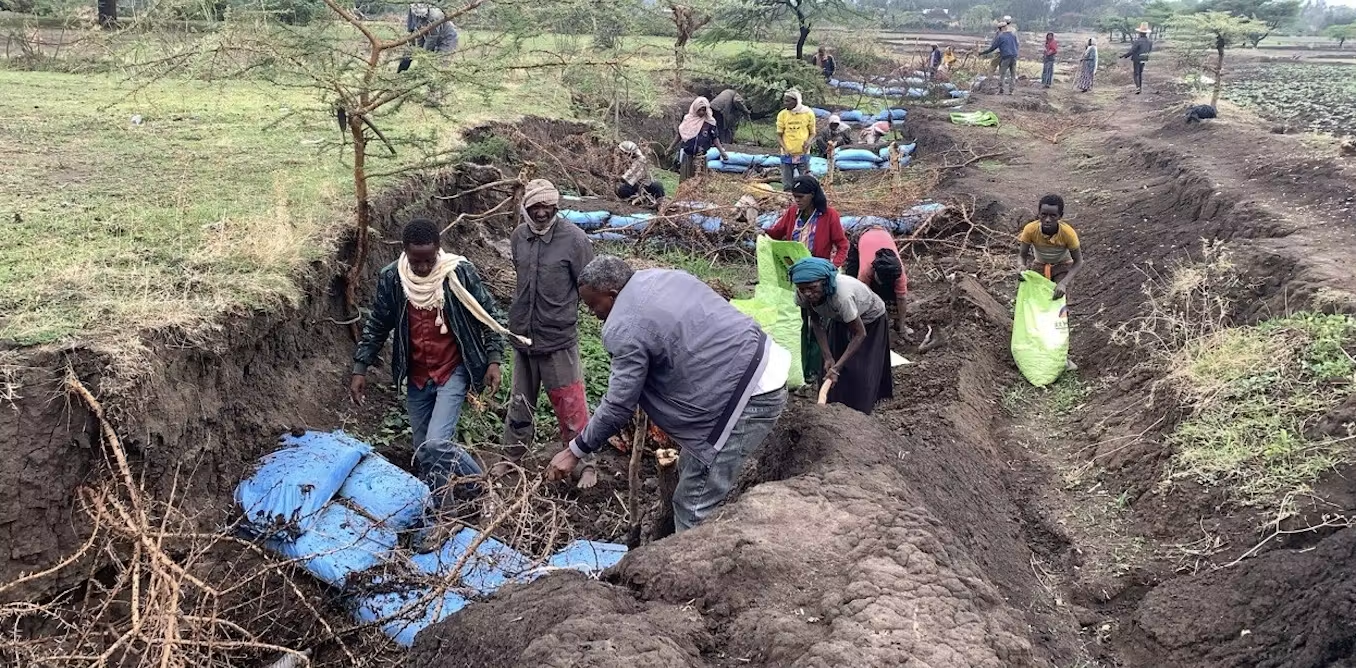
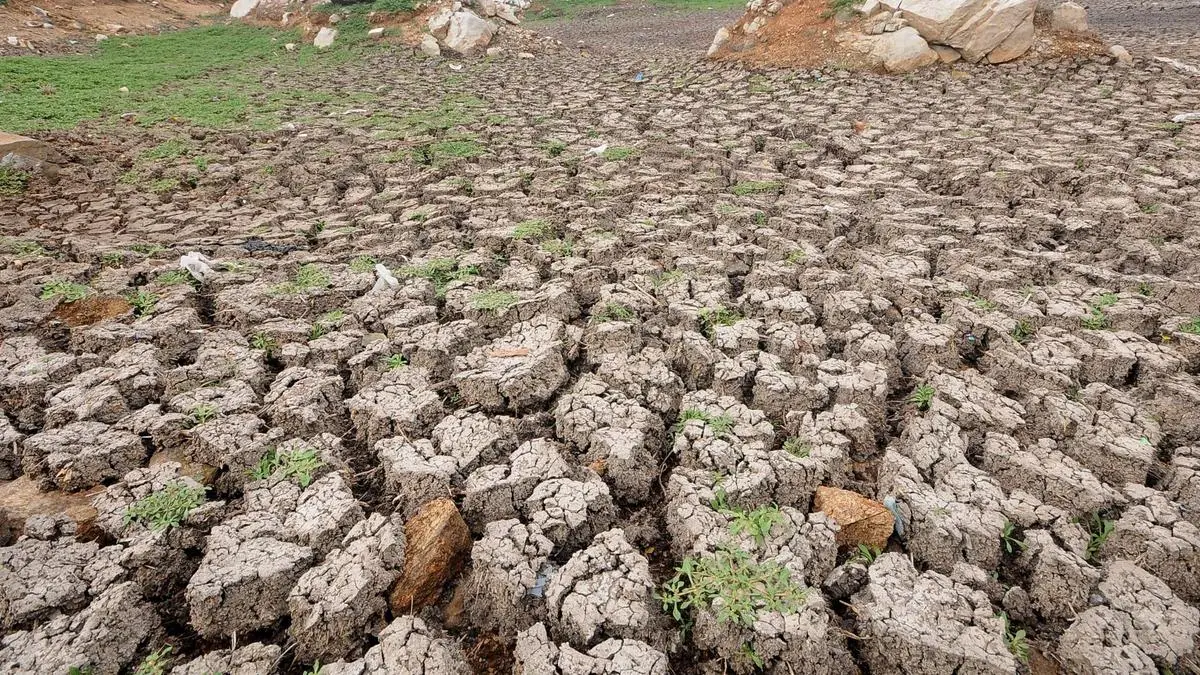
Not only are slash-and-burn agriculture, overfertilization, and monoculture on a huge scale threatening ecosystem biodiversity, but many current farming practices are also doing long-term damage to soil quality. This problem is being exacerbated by human-made crises such as climate change, with storms and heavy rainfall causing fertile topsoil to be blown or washed away. On top of this, groundwater levels are falling, not least because precipitation often comes in such heavy concentrations that it simply runs off instead of seeping into the ground.
Degraded soil is known to be less fertile. However, the severity of this effect and its impact on crop yields have been something of a bone of contention up to now. “Now, for the first time, we’ve attempted to quantify the consequences of degradation for all the arable land around the world,” explains Dr. Hadi Hadi, a postdoctoral researcher in the Land Economics Group at the University of Bonn, who carried out many of the analyses for the recently published study.