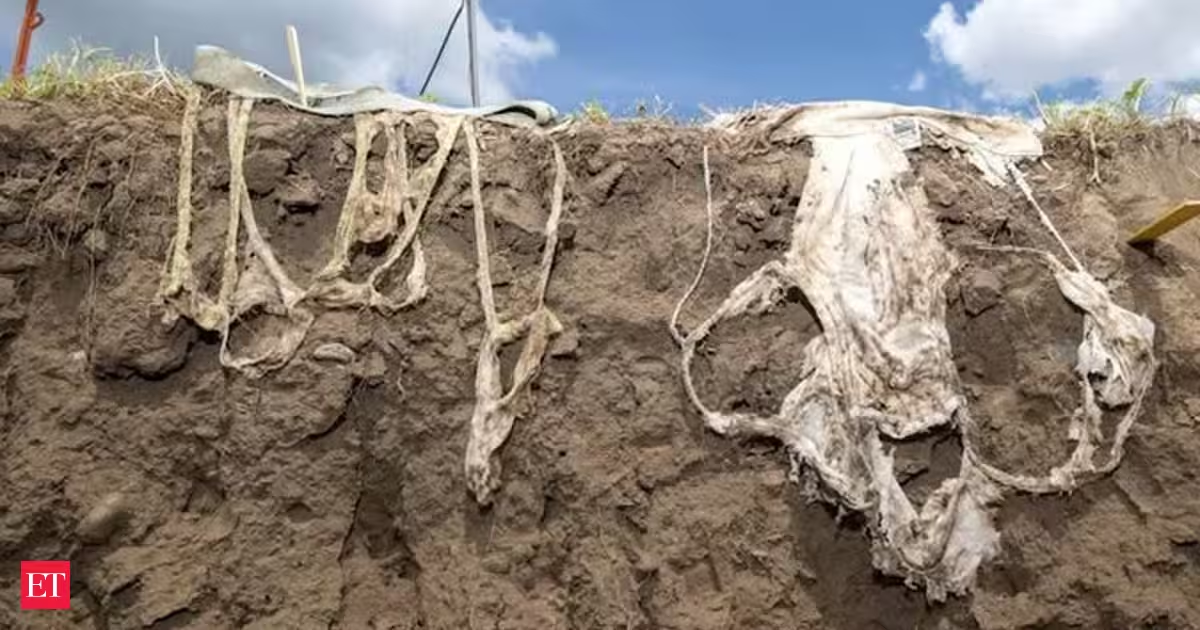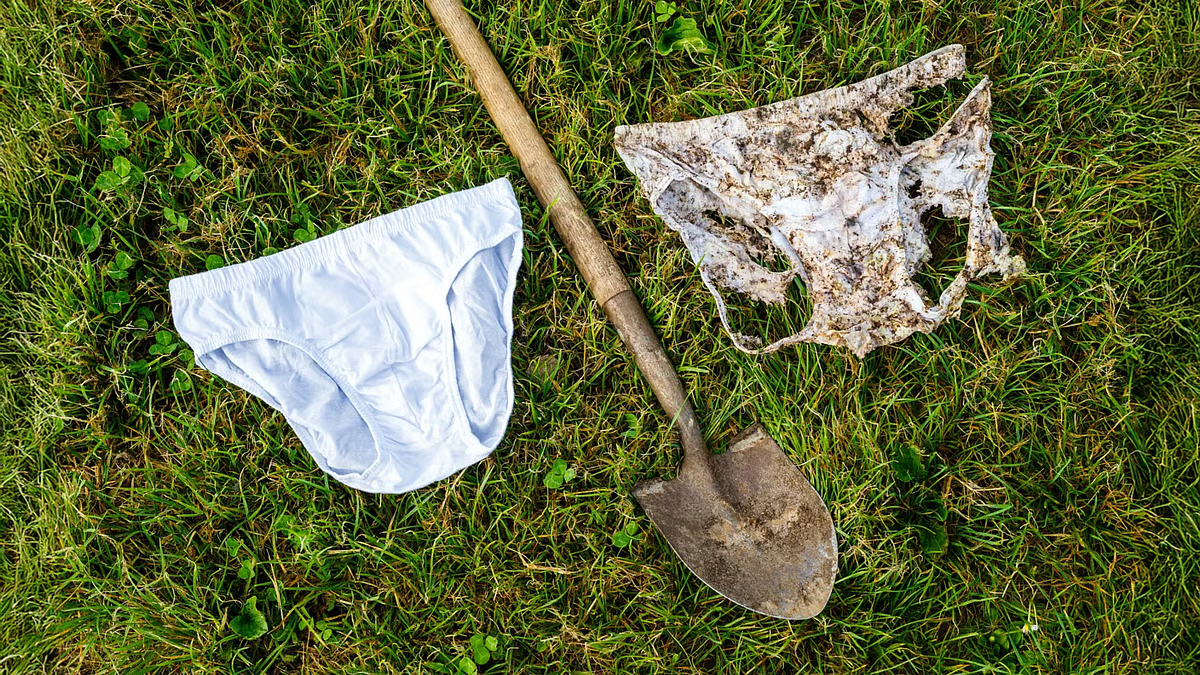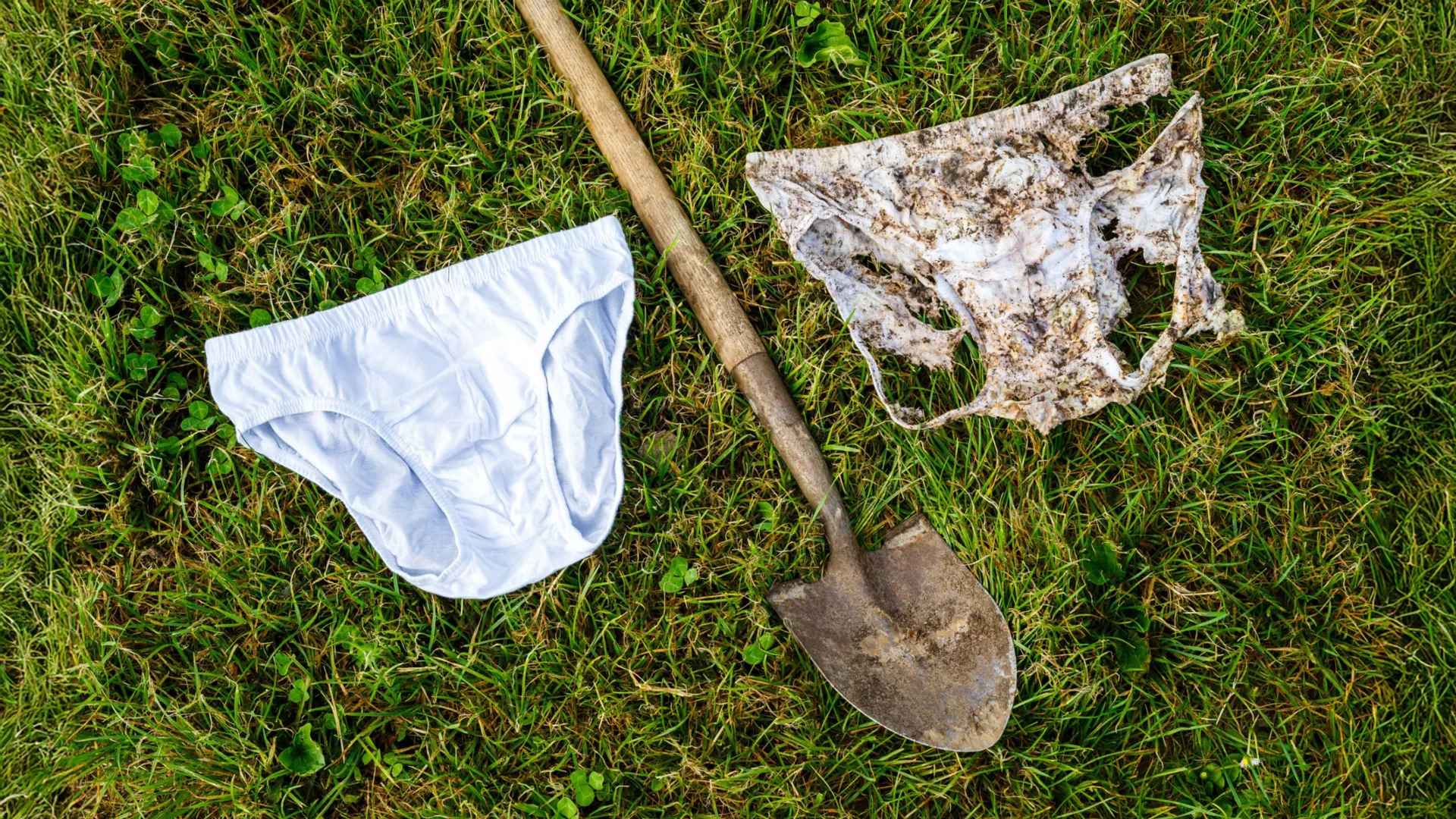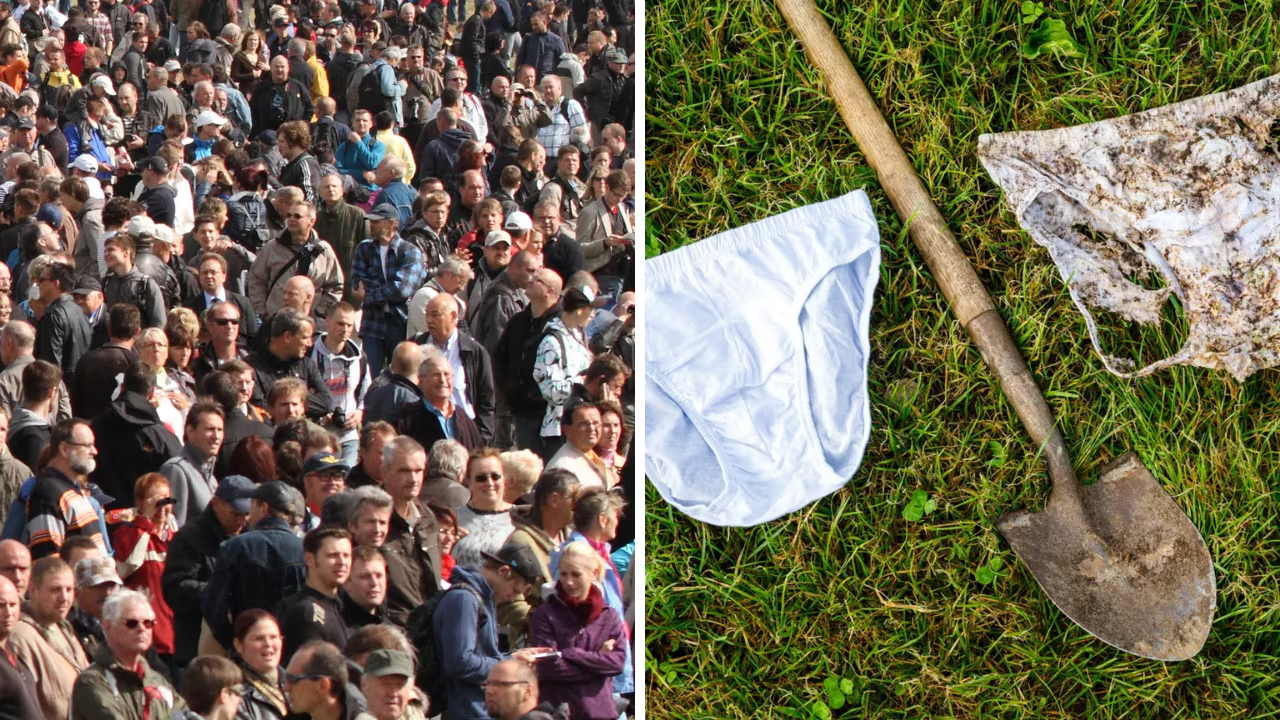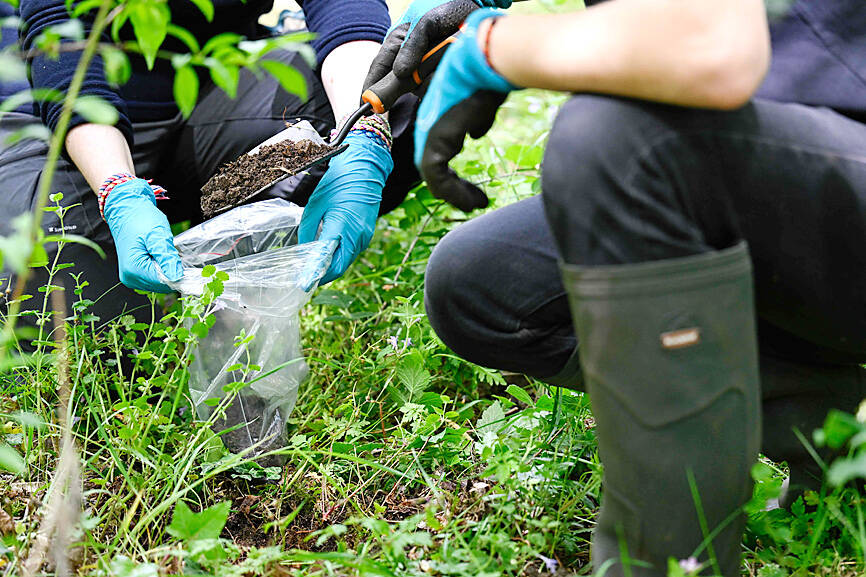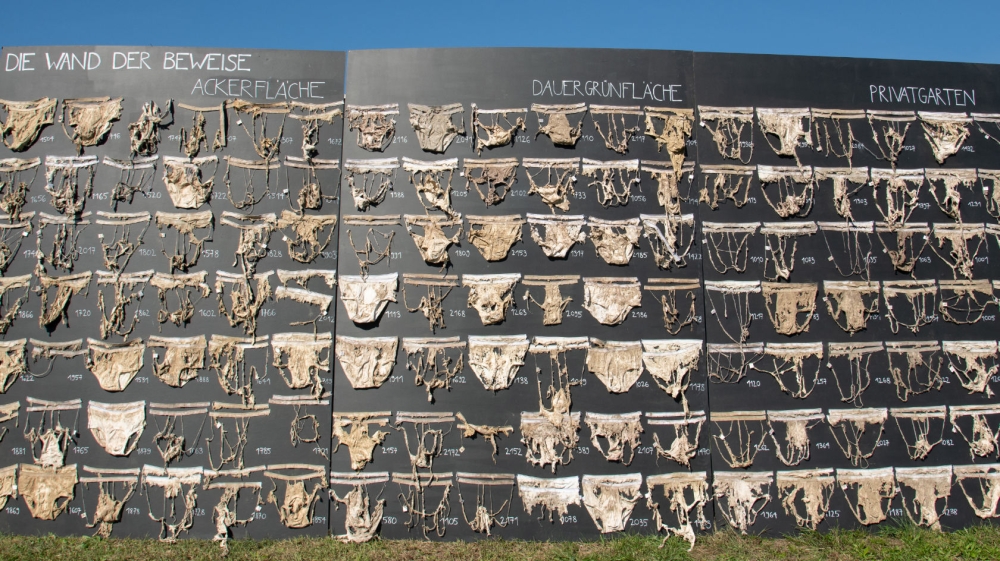
A selection of the more than 2,000 cotton underwear items in various stages of decomposition that were buried in fields, meadows, and gardens by scientists from the University of Zurich in 2021 to study soil health and how it can affect biodiversity and food supplies worldwide. — Picture by Gabriela Brändle for Agroscope/University of Zurich By Malay Mail First Published: Monday, 31 Aug 2026 10:38 AM MYT ZURICH, Aug 31 — When 1,000 Swiss volunteers buried more than 2,000 pairs of cotton underwear across the country, they were not simply giving their old briefs a second life — they were helping scientists investigate a problem threatening food supplies and biodiversity worldwide.More than half of the world’s soils are in poor condition, according to a United Nations Food and Agriculture Organisation report released on August 27, with erosion, nutrient mismanagement and declining biodiversity among the major threats.The Swiss experiment offered a decidedly more hands-on way of examining what is happening beneath our feet, according to the findings reported last week by UZH News, the official news and media platform of the University of Zurich, Switzerland’s largest university.In 2021, researchers from the University of Zurich and Agroscope – the Swiss federal centre of excellence for agricultural research – asked volunteers to bury the underwear at about 1,000 locations and dig it up two months later.They also buried 12,000 tea bags, photographed the results and sent the underwear and soil samples for laboratory analysis.The idea behind the citizen science project, called Proof by Underpants, was simple — the more active the organisms living in soil, the faster they would break down the cotton fabric.The newly published findings show that the underwear decomposed at very different rates depending on where it was buried, with private gardens producing the fastest breakdown.Researchers found gardens had the highest levels of organic matter, creating favourable conditions for earthworms, fungi, bacteria and other soil-dwelling organisms, while lawns recorded the lowest activity.The type of land use – whether a site was a garden, meadow, cultivated field or lawn – proved to be the strongest factor affecting how quickly the underwear decomposed.“Our results show that how soil is managed can significantly affect both soil life and soil quality,” co-study leader Marcel van der Heijden, a University of Zurich professor of agroecology, was quoted as saying.“Healthy, biologically active soil is crucial for fertility, nutrient cycling and many other ecosystem services,” he added.Rapid decomposition generally pointed to fertile soil and a good supply of nutrients, although the researchers cautioned that more activity is not always better.“However, maximum decomposition is not desirable in every ecosystem,” another co-project leader Franz Bender, head of the agroecological assessments team at Agroscope, said.The researchers said very high nutrient levels can indicate an imbalance in near-natural habitats such as forests, while rapid decomposition in gardens may point to excessive fertiliser use.Temperature and soil moisture also play a major role, with soil organisms becoming far less active when conditions are too cold or dry.The researchers are now proposing an “underwear index” as a simple way to show the public how active soil is and why its health matters.The experiment also showed what citizen science can achieve, with volunteers helping gather data from about 1,000 sites across Switzerland and around 240 of them later listed as co-authors of the resulting study.And after two months underground, those thousands of pairs of underwear have provided something rather more useful than a good laugh — a clearer picture of what is happening in the soil that helps feed us.
Did you know your underwear can tell you about soil health? Not kidding, Swiss scientists buried 2,000 pairs — here’s what they found
ZURICH, Aug 31 — When 1,000 Swiss volunteers buried more than 2,000 pairs of cotton underwear across the country, they were not simply giving their old briefs a second life —...
585 words~3 min read