By Kudzai Gumunyu
Nigeria’s food crisis is often described as an agricultural challenge. Increasingly, it is something else: a test of whether the country can reinvent the financial systems that underpin food production.
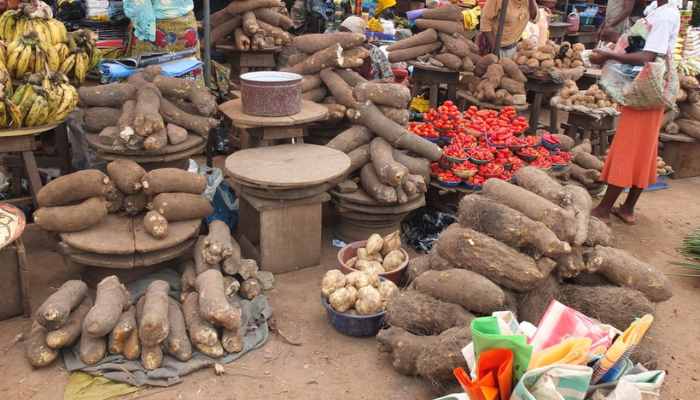
The urgency is hard to ignore. Even as headline inflation eased to 15.9% in June, food inflation accelerated month on month, driven by rising prices for staples such as tomatoes, peppers, yams, and cassava products. For millions of households, the cost of food remains one of the clearest indicators of economic vulnerability.
The instinctive response is usually to focus on seeds, fertiliser and farming subsidies. These matter. But they miss a deeper problem. Nigeria’s food-security challenge is not merely an agricultural problem. It is a financing problem, a data problem, and increasingly a technology problem.
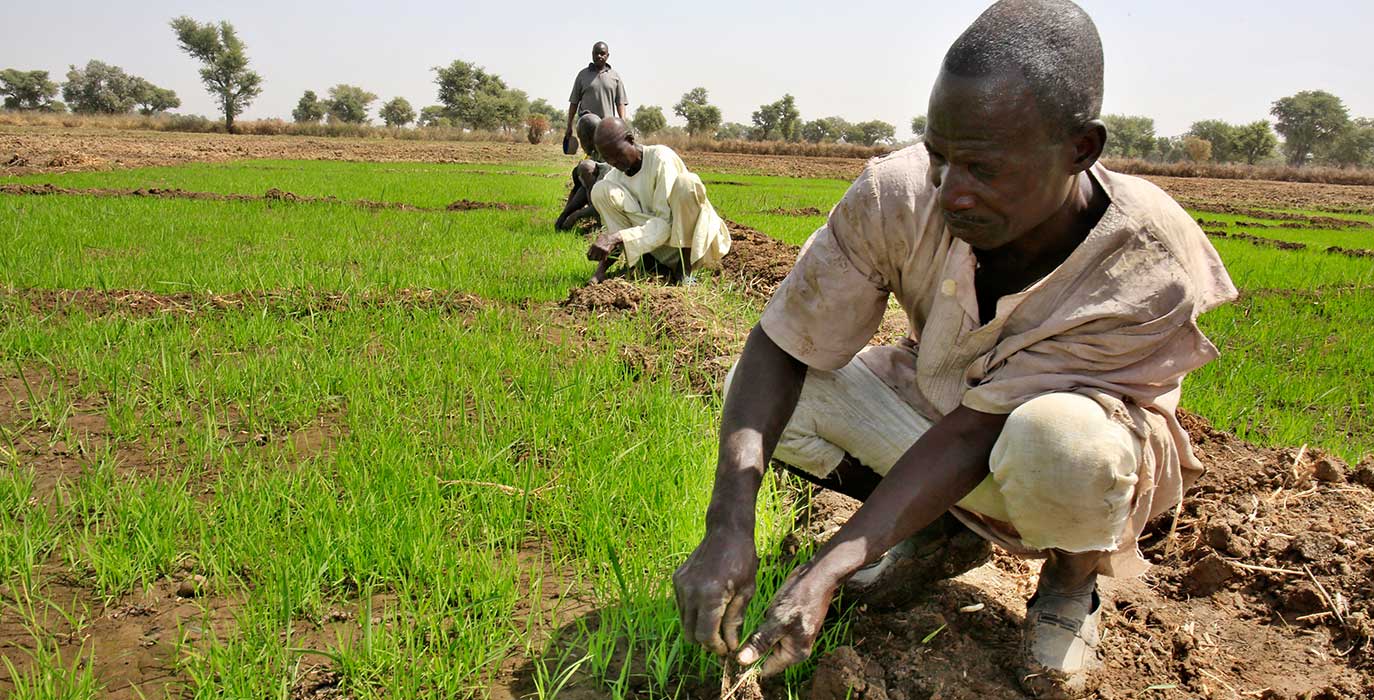
For decades, policymakers, development institutions and financial institutions have sought to increase agricultural productivity. Yet one uncomfortable reality persists: the people responsible for feeding the country remain among the least visible participants in the formal economy.