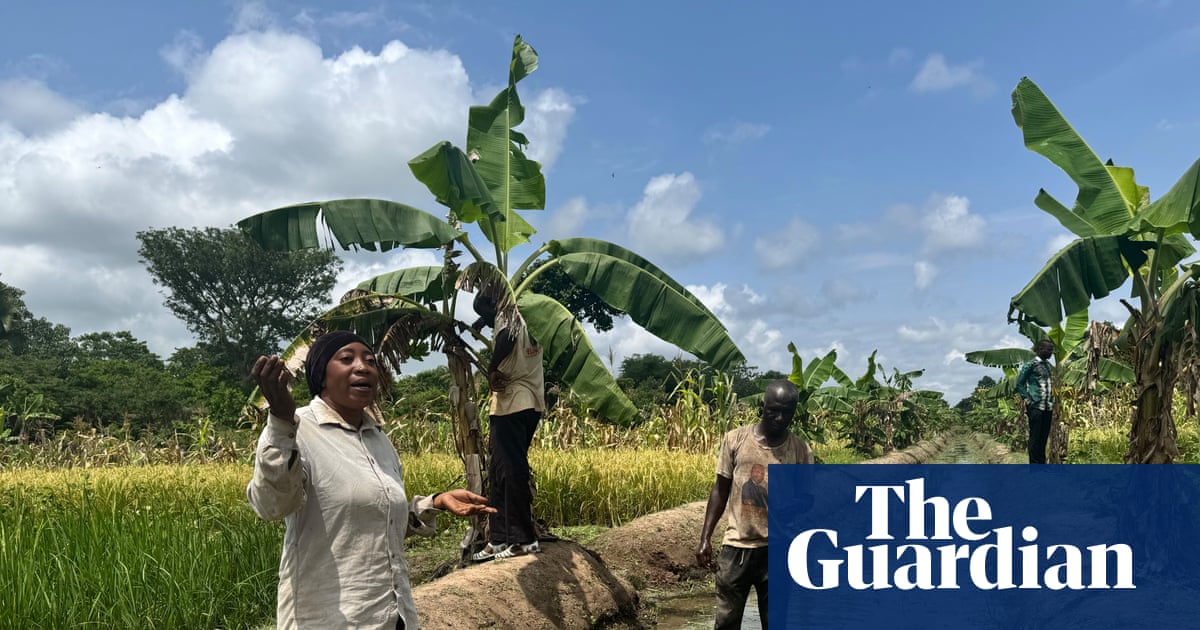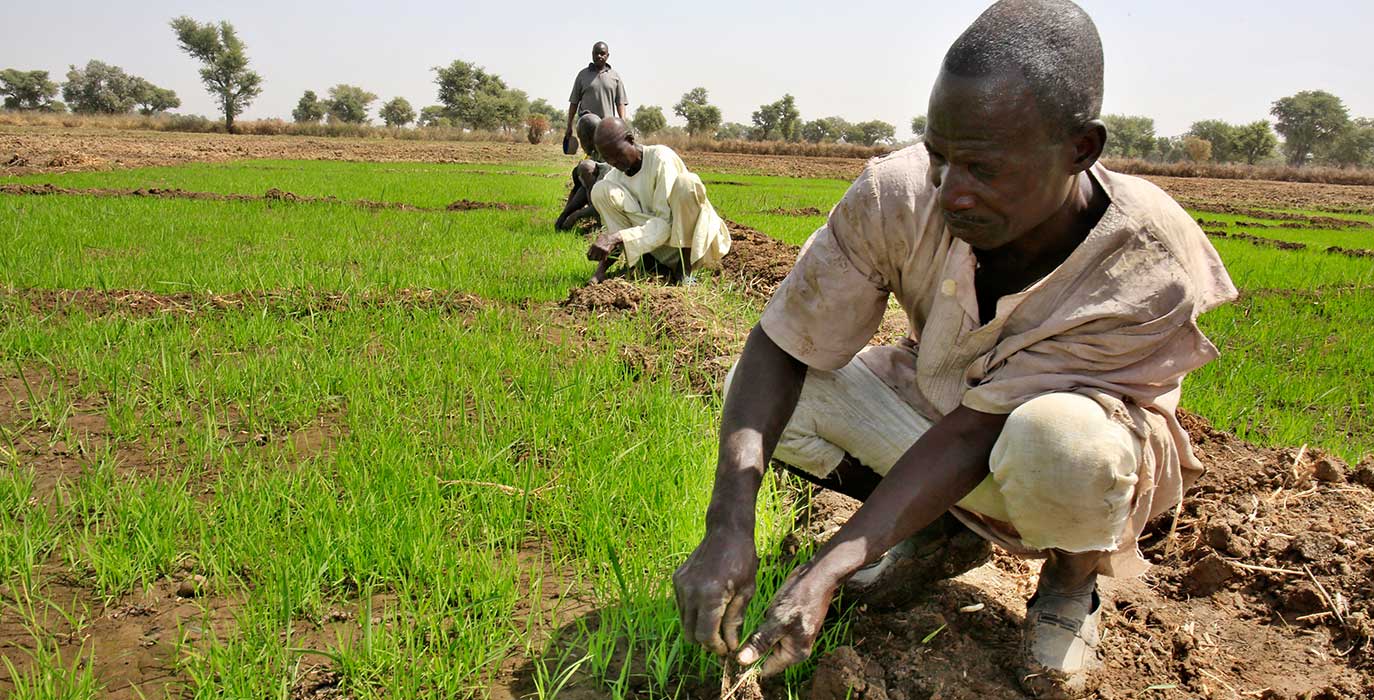
High production costs, worsening insecurity, poor rural infrastructure, and unreliable irrigation systems are constraining rice production across Northern Nigeria. These challenges threaten the country’s quest for food security and self-sufficiency, despite the region accounting for the largest share of national rice output, experts have stated.
Department of Agricultural Economics and Extension, Bayero University, Kano researcher Ubale Sani and other experts note that addressing these structural challenges would not only bridge Nigeria’s rice production deficit. It could also position the country as a net exporter of the staple within Africa. Their position features in a review of Nigeria’s rice production sector. The assessment identified inadequate infrastructure, rising production costs, climate variability, pest infestations, and weak agricultural research as major obstacles limiting the performance of the national rice value chain.
Comparative Advantages and Rising Operational Pressures
Northern Nigeria remains the backbone of the nation’s rice industry. Kebbi, Kano, Jigawa, Kaduna, and Sokoto states account for a substantial proportion of domestic production. The region benefits from vast floodplains, locally known as fadama, extensive irrigation schemes, and favourable conditions for both wet and dry season cultivation.