Africa Rice initiative aims to give farmers more control over their land in order to reduce flooding and increase yields
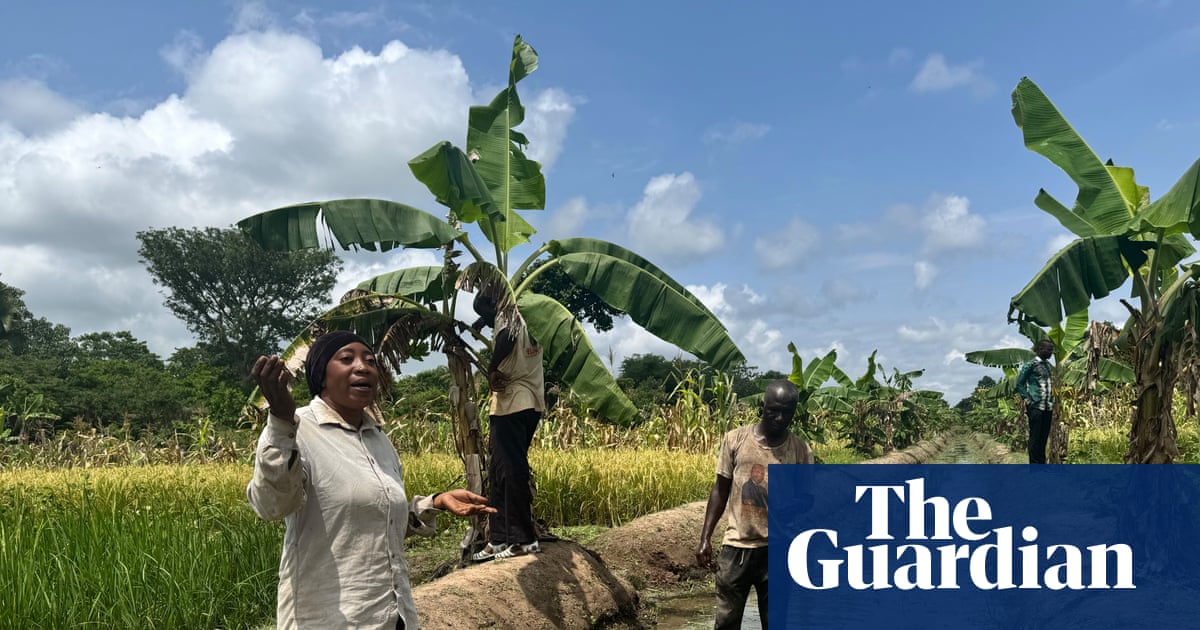
Salmata Ouattara remembers 2023 as the turning point for her rice farm.
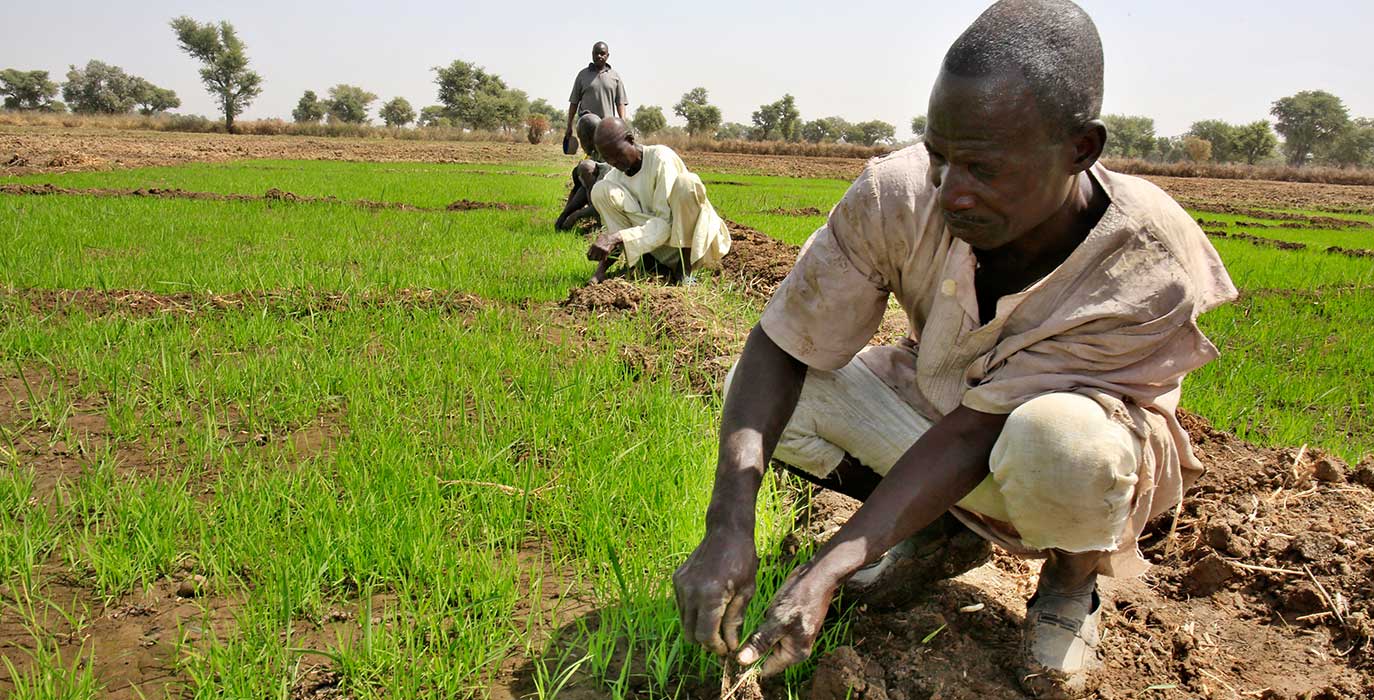
June is usually the peak of the rainy season in Ivory Coast, but in the preceding years she and other farmers in M’Be on the outskirts of Bouaké, the country’s second biggest city, would wait weeks for rainfall. Then in September, they would watch helplessly as their farmlands were flooded. Some abandoned their farms, frustrated by fluctuating crop yields.
For Ouattara, that was not an option. As her family’s breadwinner, proceeds from the farm catered to the needs of her three children as well as requests from other relatives. Then another farmer mentioned a concept called Smart Valleys that had helped solve similar issues and double his income.
“Before, I made 2 tonnes a year [and] earned at least 400,000CFA [west African francs, equivalent to £528.60],” said Ouattara, who has since added maize, tomatoes and cucumbers to her portfolio. “But as soon as we put Smart Valleys into practice, I made 4.5 tonnes, which makes me 900,000CFA (£1,189.34).”