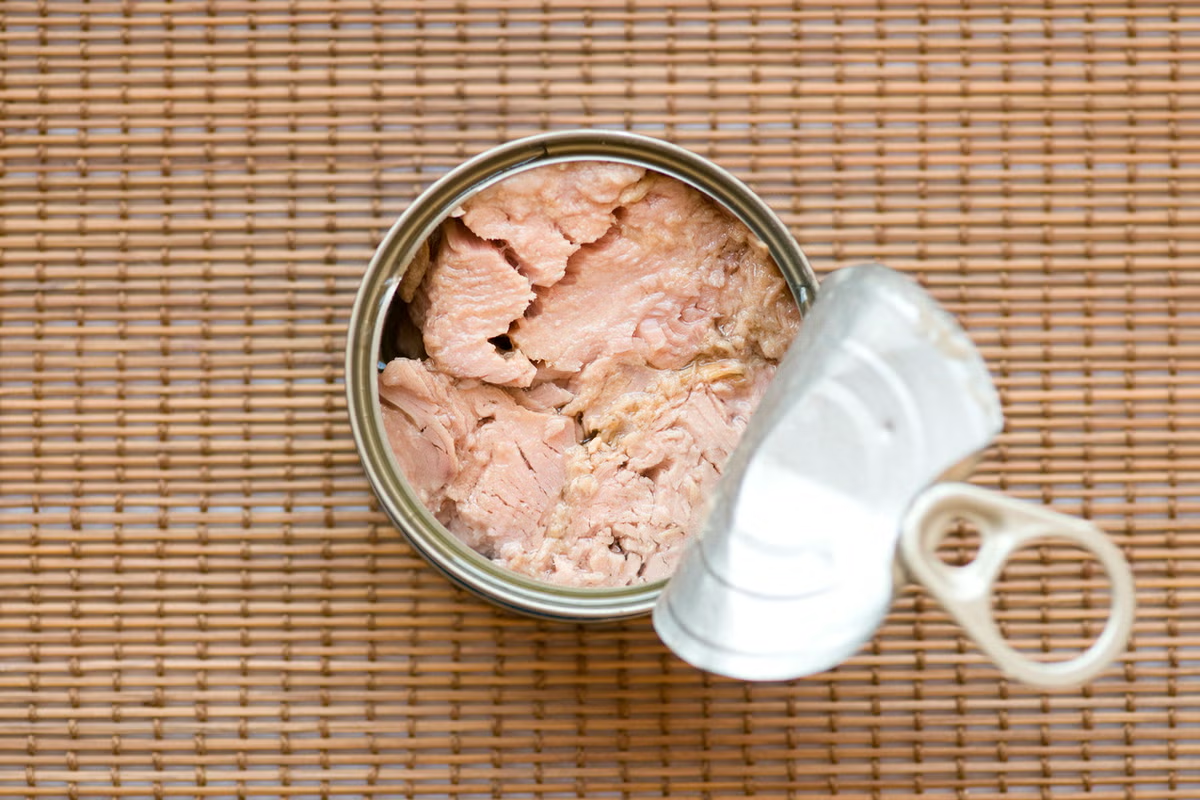
Tinned fish is having a real global moment. The pandemic-era pantry habit has since turned into restaurants nationwide serving tinned fish straight out of the can. Domestically, sales climbed from $2.3 billion in 2018 to more than $2.7 billion in 2024, and Americans’ obsession with sardines specifically is only accelerating: Americans bought $3.52 billion worth of shelf-stable seafood over the past year, and sardines have overtaken salmon as the second-most popular tinned fish behind tuna, as Grubhub reported orders of tinned fish tripled in 2025. The global tinned fish market was worth roughly $10.24 billion in 2024, and is projected to reach $17.97 billion by 2034. Canned sardines are a meaningful part of that worldwide push.
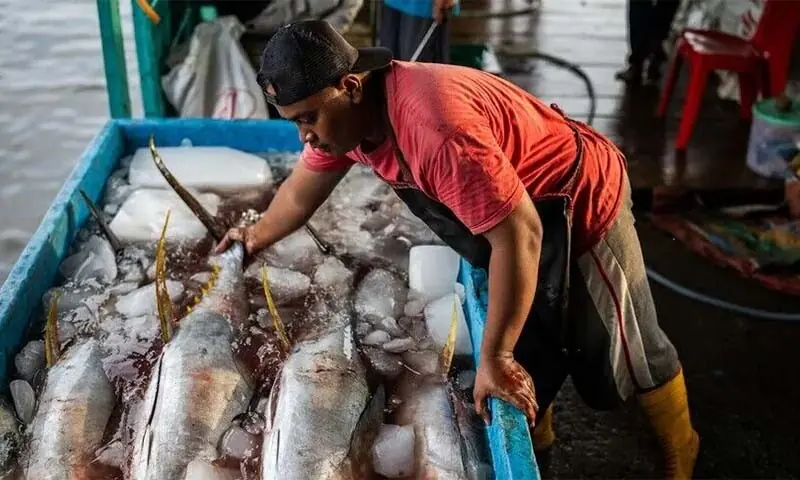
But the supply behind that growing appetite is shrinking fast. Morocco, the world’s top sardine supplier, saw its fish landings fall nearly 46% between 2022 and 2024, and the reasons are feeding into each other. Because sardines are unusually sensitive to temperature, warming water as a result of climate change is pushing the fish into new territories further away from fishermen.
The war in Iran, coupled with the effective shutdown of the Strait of Hormuz (through which one-fifth of the world’s global oil supply normally passes) is driving up fuel costs. Fishermen now need to go further to catch the fish, just as it’s costing them that much more to travel longer distances, and they’re bringing back almost half the quantity as before.