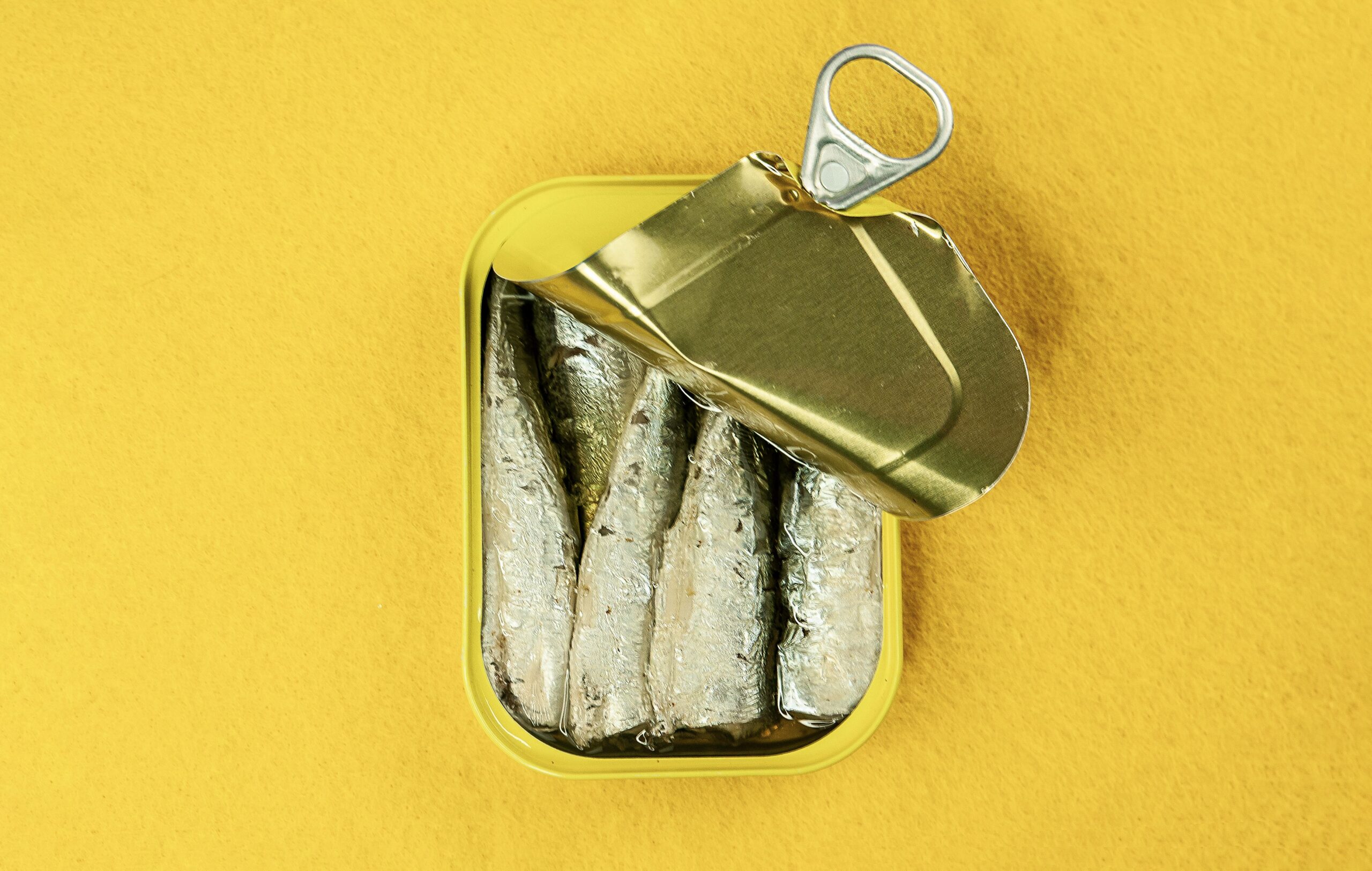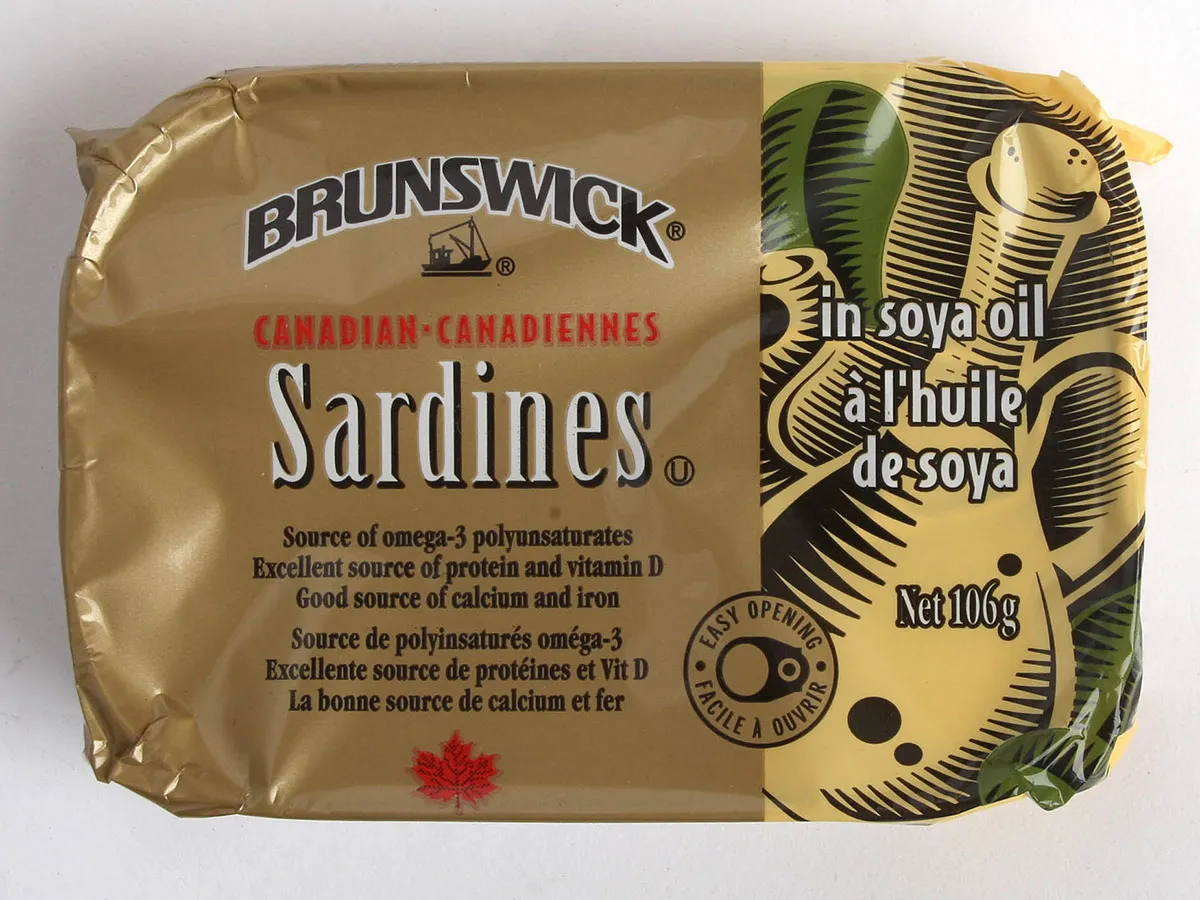
Skip to Content News Archives Economy Energy Oil & Gas Renewables Electric Vehicles Mining Commodities Agriculture Real Estate Mortgages Mortgage Rates Finance Banking Insurance Fintech Cryptocurrency Work Wealth Smart Money Wealth Management Investor Personal Finance Family Finance Retirement Taxes High Net Worth FP Comment Executive Women Puzzmo Newsletters Financial Times Business Essentials More Innovation Information Technology FP500 Podcasts Small Business Lives Told Tails Told Shopping Financial Post Store Obituaries Place a Notice Advertising Advertising With Us Advertising Solutions Postmedia Ad Manager Sponsorship Requests Classifieds Place a Classifieds ad Working Profile Settings My Subscriptions Saved Articles My Offers Newsletters Customer Service FAQ News Economy Energy Mining Real Estate Finance Work Wealth Investor FP Comment Executive Women Puzzmo Newsletters Financial Times Business Essentials HomeNewsTikTok turns sardines into booming business as younger consumers snap them upOnce considered a food staple for seniors, the tiny canned fish has gained popularity as a 'superfood of the sea'Last updated 2 hours ago You can save this article by registering for free here. Or sign-in if you have an account.Connors Bros., a division of Clover Leaf Seafoods, operates the largest sardine processing plant in North America in Blacks Harbour, N.B. The company, founded in the 1880s, produces the iconic Brunswick sardines brand. Photo by National PostLong associated with older generations and pantry shelves, sardines are experiencing an unlikely resurgence as a viral social media obsession.Subscribe now to read the latest news in your city and across Canada.Exclusive articles from Barbara Shecter, Joe O'Connor, Gabriel Friedman, and others.Daily content from Financial Times, the world's leading global business publication.Unlimited online access to read articles from Financial Post, National Post and 15 news sites across Canada with one account.National Post ePaper, an electronic replica of the print edition to view on any device, share and comment on.Daily puzzles, including the New York Times Crossword.Subscribe now to read the latest news in your city and across Canada.Exclusive articles from Barbara Shecter, Joe O'Connor, Gabriel Friedman and others.Daily content from Financial Times, the world's leading global business publication.Unlimited online access to read articles from Financial Post, National Post and 15 news sites across Canada with one account.National Post ePaper, an electronic replica of the print edition to view on any device, share and comment on.Daily puzzles, including the New York Times Crossword.Create an account or sign in to continue with your reading experience.Access articles from across Canada with one account.Share your thoughts and join the conversation in the comments.Enjoy additional articles per month.Get email updates from your favourite authors.Create an account or sign in to continue with your reading experience.Access articles from across Canada with one accountShare your thoughts and join the conversation in the commentsEnjoy additional articles per monthGet email updates from your favourite authorsSign In or Create an AccountorOnce considered a food staple for seniors, the tiny canned fish has recently been embraced by younger consumers who tout their nutritional value, versatility and even their potential skin care benefits.The trend has reached Hollywood. Actress Mila Kunis recently told The Tonight Show Starring Jimmy Fallon that she is a devoted sardine fan, singling out Los Angeles seafood restaurant Saltie Girl, whose menu includes a “tin list” featuring dishes such as small sardines with lemon in olive oil for $35 and grilled sardine tails for $52.“I’m their No. 1 customer,” Kunis said. The Connors Bros. seafood plant in Blacks Harbour, N.B. Photo by Clover Leaf Seafoods Corp.Breaking business news, incisive views, must-reads and market signals. Weekdays by 9 a.m.By signing up you consent to receive the above newsletter from Postmedia Network Inc.A welcome email is on its way. If you don't see it, please check your junk folder.The next issue of Posthaste will soon be in your inbox.We encountered an issue signing you up. Please try againThe renewed interest is translating into business growth.According to a recent study by Research and Markets, the global canned sardines market is expected to grow from US$10.67 billion in 2025 to US$11.66 billion this year before reaching US$16.04 billion by 2030. In North America alone, consumers purchased more than 220 million cans of sardines in 2023.Affordability and high protein content have transformed sardines into a trendy food. And much of the momentum has been fueled by TikTok, where creators regularly demonstrate new recipes and meal ideas featuring canned fish.The phenomenon has even earned its own nickname: “sardinemaxxing,” a social media trend encouraging people to eat sardines more frequently.“We have absolutely noticed the trend,” said Sylvain Charlebois, director of the Agri-Food Analytics Lab at Dalhousie University in Halifax.“People are looking for proteins; they’re looking for cheap protein and that’s one of them. Sardines remain quite accessible and affordable. A package of Brunswick sardine fillets produced at the Connor Bros. in Blacks Harbour, N.B. Photo by Clover Leaf Seafoods Corp.“They are having this resurgence on TikTok, and it makes consumers think differently about a product. Whether it’s skin care or health care, that’s important for people and if a product that helps those things is readily available and affordable, then they’ll try it.”There are roughly 110,000 videos tagged with #sardines on TikTok. Among the platform’s biggest advocates is creator Toni Bravo, whose sardine-focused videos have accumulated more than one million combined likes.The increased attention has not been lost on Canada’s largest sardine producer.Connors Bros., a division of Clover Leaf Seafoods, operates the largest sardine processing plant in North America in Blacks Harbour, N.B. The company, founded in the 1880s, produces the iconic Brunswick sardines brand.“We knew the potential but did not expect the level of heightened demand we’ve experienced,” Rachelle Kennedy, vice-president of Canada and international marketing for Clover Leaf Seafoods Corp., said in an emailed response.“Trends come and go, but this one has had some staying power and could be here to stay. TikTok has helped shine a spotlight on sardines, the superfood of the sea. A Connors Bros. vessel cruises the Bay of Fundy. Photo by Clover Leaf Seafoods Corp.“But many Canadians have been enjoying Brunswick sardines since 1893. Sardines are an excellent source of protein, selenium and have other key nutrients like omega-3s, iron, calcium, potassium and vitamin D. They’re great as a topping on crackers or toast, in a quick sandwich, over salad, in pasta or even eaten directly from the can. A newer trend is adding them to a charcuterie board or even making a ‘seacuterie’ board instead.“The TikTok trend has benefited the industry by helping introduce sardines to new younger audiences, creating broader consumer interest. But consumers of all ages, whether on TikTok or not, gravitate toward this high-protein superfood.”Kennedy said Brunswick sardines have long enjoyed a loyal Canadian customer base because of their nutritional value and affordability.“While we do not make skincare claims, sardines are widely appreciated for their protein, omega-3s and other nutrients,” she said. “With all these fantastic benefits, we are seeing more Canadians buying our Brunswick and Clover Leaf sardines.”Kennedy said sales have continued to rise.“Sales have been growing and as the No. 1 canned sardine brand in Canada, we are doing our best to meet this higher consumer demand,” she said.Kennedy said the surge has resulted in increased production, although the company does not publicly disclose production or sales figures.Omega-3 helps reduce inflammation, support heart health, improve blood pressure and promote healthy brain function. Those same fatty acids can also keep skin moisturized and strengthen the skin barrier.The consumers’ perception of what sardines can be used for has expanded thanks to social media, Charlebois said.“A TikTok moment will actually bring out the versatility of a product,” he said. The Connors Bros. plant in Blacks Harbour, N.B. Photo by Clover Leaf Seafoods Corp.“When people think about sardines and just about eating them and if you lack imagination, you won’t be interested in eating sardines. But if you think of sardines for all sorts of different benefits, that would increase demand for the product.“It’s the same for cottage cheese. It was always seen as this complement with cantaloupes. It got boring. Then you have these videos on social media that show you can actually bake with cottage cheese, you can have it for breakfast and lunch, you can do all sorts of things.”Charlebois said he is particularly surprised by how strongly younger consumers have embraced the fish.“I’m actually blown away (that) the younger generation are into this,” he said. “A lot of companies will try to capitalize (and) actually get their TikTok moments one way or another. It’s certainly very encouraging. That’s the beauty of TikTok moments; they’re often related to healthy foods, and sardines are one of them.“If people are looking at licorice because of a TikTok trend or chocolate or a sugary drink, that’s not good. But we have seen broccoli infected by TikTok trends, cucumber, cottage cheese, and now sardines. It’s very interesting.”Canned sardines also benefited from changing consumer habits during COVID-19.Portable and inexpensive, the tinned fish became a preferred option for consumers stocking up on shelf-stable foods.“During the pandemic, many Canadians rediscovered the value of canned seafood as a convenient, affordable and versatile protein while preparing more meals at home,” Kennedy said.“We saw consumers get creative using it for smart, healthy meals like simply adding tuna or salmon to a salad, creating delicious tuna tacos, sardine toast with cream cheese, or eating it straight out of the can with some crackers as a protein-rich snack.“Consumers now look to canned seafood as an always-on-hand staple for healthy meals and snacks and are using it in new ways, such as healthy rice bowls and as a regular part of weekly meal preparation.” A vendor sells sardines at a public market in Porto, Portugal. Photo by Postmedia FileDespite the surge in popularity, Charlebois said grocery stores have not experienced sardine shortages.“We’re not there yet,” he said.“I’m not sure people are drawn to sardines for the taste, to be honest. But once you actually get people to think differently about a product, then everything is possible. That’s probably why people are intrigued. If they are influenced by TikTok, then people are willing to try it. And maybe they will have a good experience.”Charlebois, who co-hosts The Food Professor podcast with Michael LeBlanc, said he has never understood why sardines have a polarizing reputation.“I actually love sardines so I can’t understand why people hate sardines,” he said. “It never occurred to me that some people actually despise sardines. My podcast co-host is married to a Portuguese and in Portugal, it’s a big, big delicacy.” Join the Conversation This website uses cookies to personalize your content (including ads), and allows us to analyze our traffic. Read more about cookies here. By continuing to use our site, you agree to our Terms of Use and Privacy Policy.
TikTok turns sardines into booming business as younger consumers snap them up
Once considered a food staple for seniors, the tiny canned fish has been embraced for its nutritional value, potential skin care benefits
1,775 words~8 min read