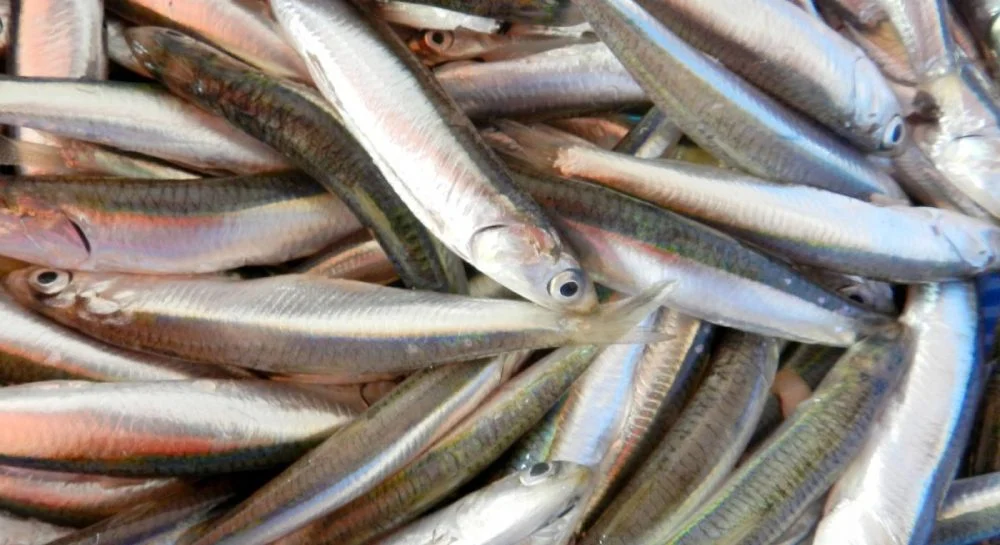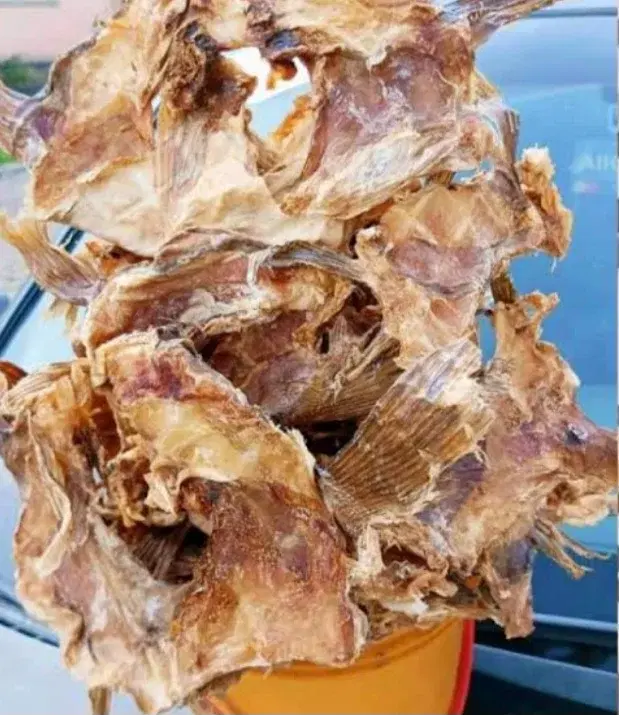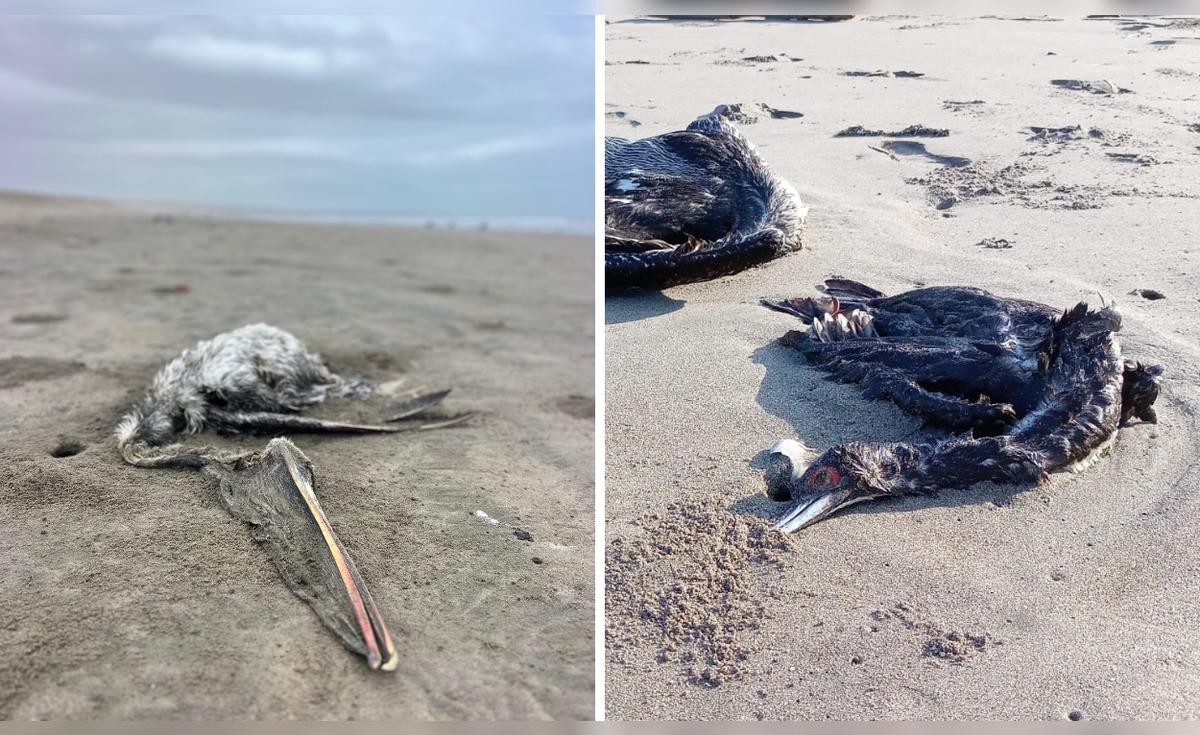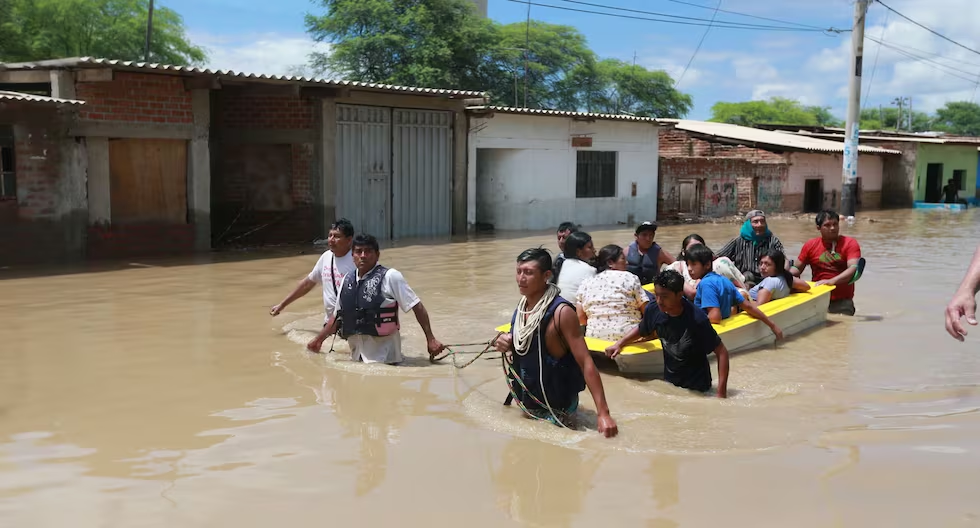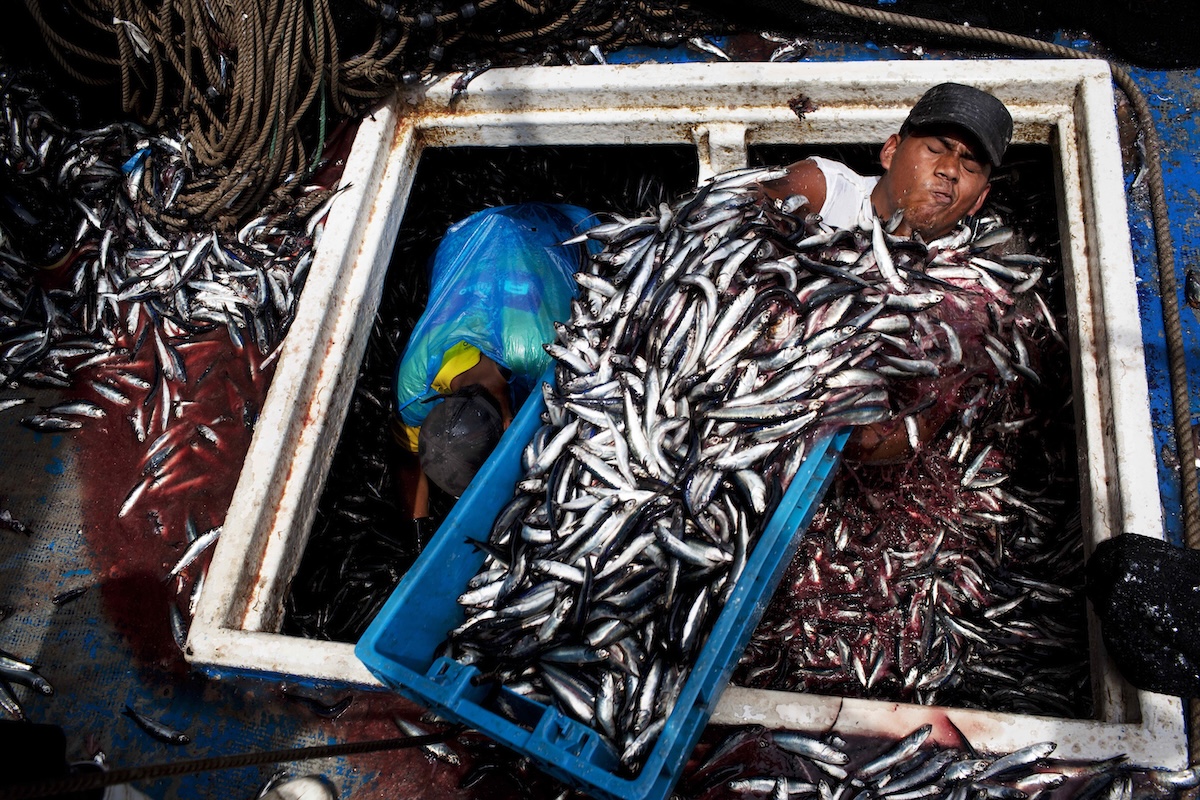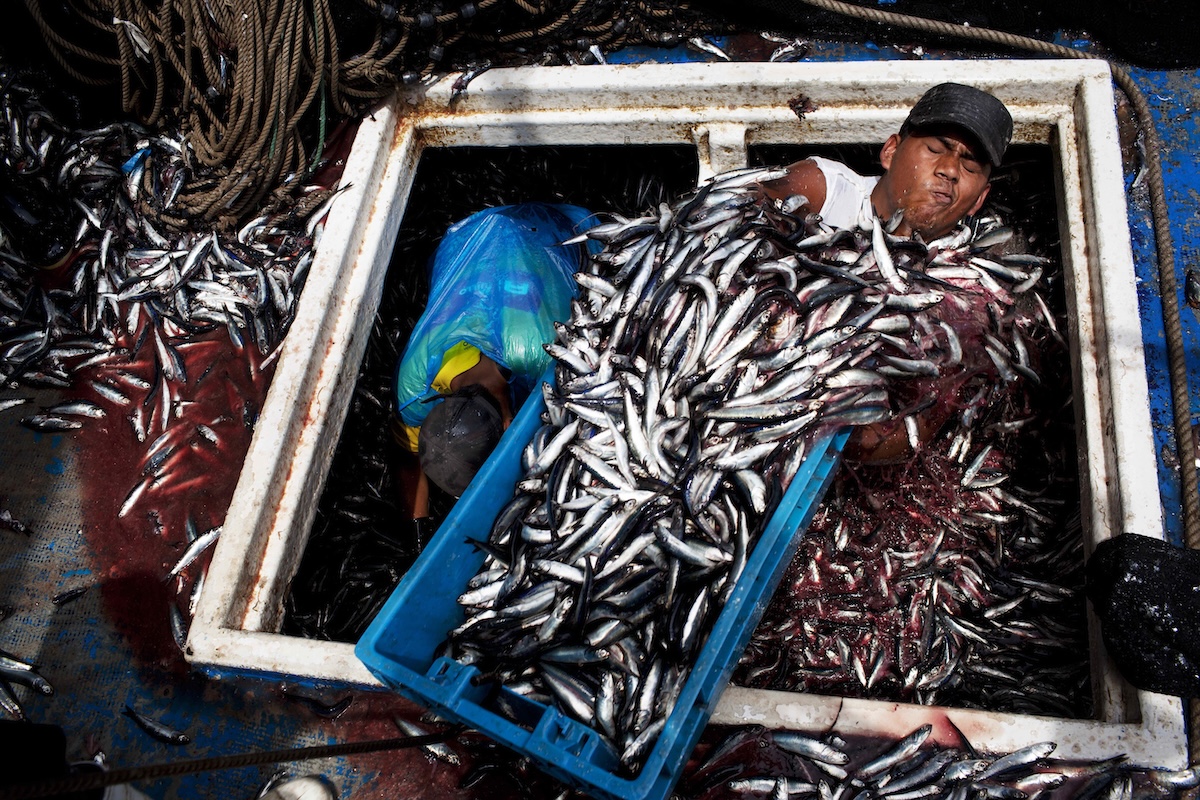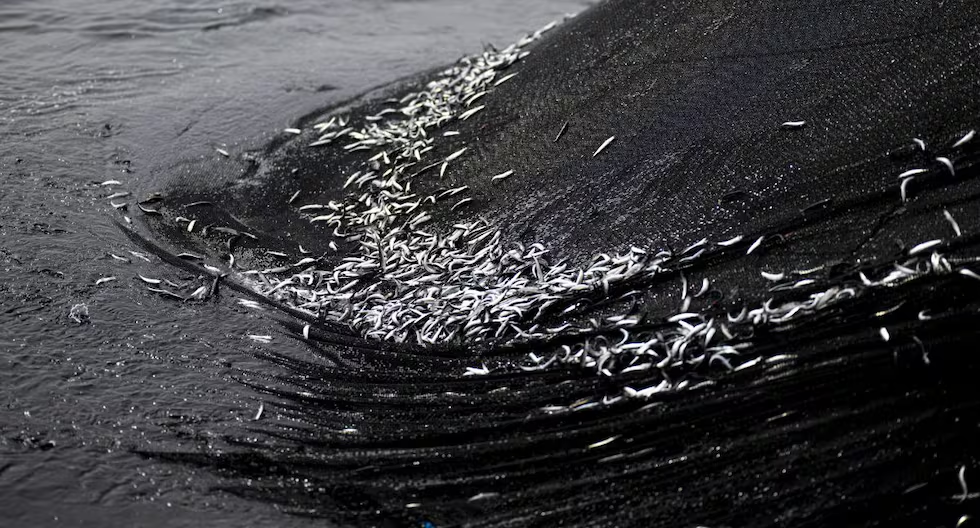
Synopsis Production has plummeted by up to 40%, sending fishmeal prices to record highs. This crisis threatens to significantly increase the cost of farmed seafood like salmon, impacting consumers worldwide and highlighting the interconnectedness of global food supply chains. iStockA severe anchovy shortage, driven by a powerful El Niño and fishing bans in Peru, is disrupting the global aquaculture industry.One of the world’s current hottest commodities is in the midst of a huge disruption. It may sound like I’m talking about oil and the blockade of the Strait of Hormuz, but this is even more severe. The supply shock is far greater — and so is the price response: Global production has plunged as much as 40% from a year ago; prices are up 80% over the same period to an all-time high. The commodity in question? The humble anchovy.The tiny fish may sound utterly mundane, but its importance to the global economy is far larger than just foodies’ craving for the umami taste. The anchovy sits at the bottom of a crucial supply chain that sustains the $500-billion-a-year global aquaculture industry. Anchovies are the main ingredient in fishmeal, and without enough of it, global production of salmon, seabass, shrimp, oysters and other seafood will suffer, pushing up supermarket prices. Soon, the shortage could catch the attention of Wall Street and central banks. BloombergPeru is the Saudi Arabia of anchovies — its annual catch, after drying and milling, accounts for about 20% of the world’s supply of fishmeal. Add the catches of neighboring Ecuador and Chile and you have nearly a third of global output. And therein lies the problem.Because the South American anchoveta species has a relatively short lifecycle, its population can rise and fall substantially every year depending on environmental variables. The key one is El Niño, the weather event that regularly warms the waters of the Pacific Ocean near the Equator, reducing the stock of nutrients and, therefore, of fish. The phenomenon repeats in a loose cycle of three to five years, curtailing fishmeal production regularly. The problem is that the 2026 Niño, which meteorological agencies have just declared, is shaping up to be one of the strongest in modern history, crashing anchovy catches. BloombergIn mid-May, Peru imposed a 15-day ban on anchovy fishing; the moratorium was later extended until June 10. Then, the government in Lima shocked the fishing business with an indefinite ban. The South American anchoveta is the world’s largest single-species fishery. The ban has triggered a dramatic drop in global fishmeal production, which industry executives estimate to be down 30% to 40% from a year ago.With demand from the aquaculture industry still strong, the cost of fishmeal in the wholesale market has nearly doubled over the last year to an all-time high of $2,990 per metric ton in late June. Further increases are likely. As feed prices rise, aquaculture companies will respond by trimming output, and the cost of cultivated fish and seafood will climb over the next year.Once upon a time, this would have been a first world problem. Not anymore. Back in 1997-1998, the last time the world faced a very strong El Nino and, as a result, a fishmeal shortage, the aquaculture business accounted for less than a quarter of the world’s fish supply. Since then, the size of the industry has exploded, and today the world consumes more than half of its fish and seafood from farms, requiring a huge fishmeal supply. At the same time, fish consumption per capita has also jumped, reaching 21.3 kilograms per year in 2024, up from 14.3 kilograms on average in the 1990s, according to data from the Food and Agriculture Organization of the United Nations. BloombergThe problem is likely to get worse before it gets better. El Niño occurs when there’s a weakening in the trade winds that push the sun-warmed waters of the equatorial Pacific into a mound in the west. Fishermen in Peru originally used the term El Niño — a Spanish reference to the Christ child — more than a century ago to describe the appearance, around Christmas, of warmer-than-normal sea temperatures on the Latin American coast of the Pacific. Typically, the phenomenon peaks around the end of the year, so the current one has several months to go, further curtailing anchoveta catches and fishmeal production.If the industry’s fears are confirmed, salmon prices are likely to rise to an all-time high by 2027. Salmon is the highest-value farmed fish worldwide. The rise of the aquaculture industry transformed it from a luxury into an everyday supermarket purchase, with its price dropping from about $8 per kilogram in the early 1980s to an all-time low of $2.50 per kilogram in the early 2000s. Since then, it’s risen above $10 per kilogram. Industry executives are tight lipped about how much prices could increase, but 20% to 25% seems like a reasonable expectation. The 2026 anchovy crisis is a reminder of the surprising ways in which the world is wired today, where a weather event in Peru pushes up fish costs in supermarkets in Europe and elsewhere. It’s a warning sign that El Nino will have significant impacts on global food prices — far greater than those from the war in Iran.Read More News onRead More News on
The world has an anchovy problem
Production has plummeted by up to 40%, sending fishmeal prices to record highs. This crisis threatens to significantly increase the cost of farmed seafood like salmon, impacting consumers worldwide and highlighting the interconnectedness of global food supply chains.
875 words~4 min read