C.P. Rajendran
| Photo Credit: special arrangement
The flash flood disaster in Nepal could serve as a reality check for governments that are driving a boom in dams, tunnels, highways, railways, and bridges across the Himalayas, warns C. P. Rajendran, geo-scientist and adjunct professor at the National Institute of Advanced Studies, Bengaluru.“The region already suffers from unstable slopes and reduced river efficiency, largely due to development projects carried out with little regard for ecological consequences,” he told The Hindu.What are the lessons to be learnt from the devastating tragedy triggered by the flash floods?
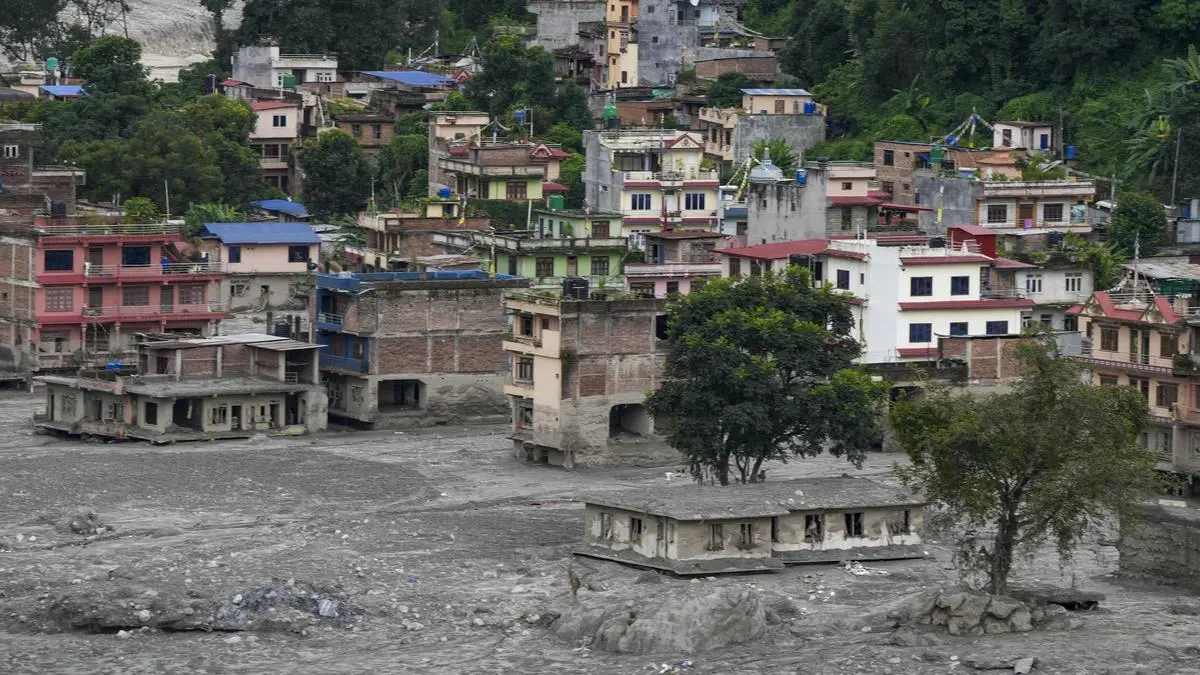
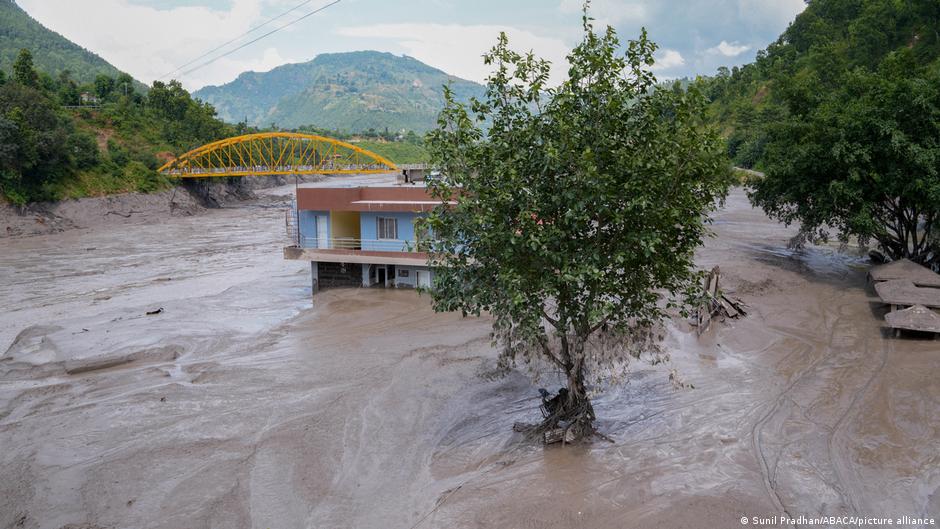
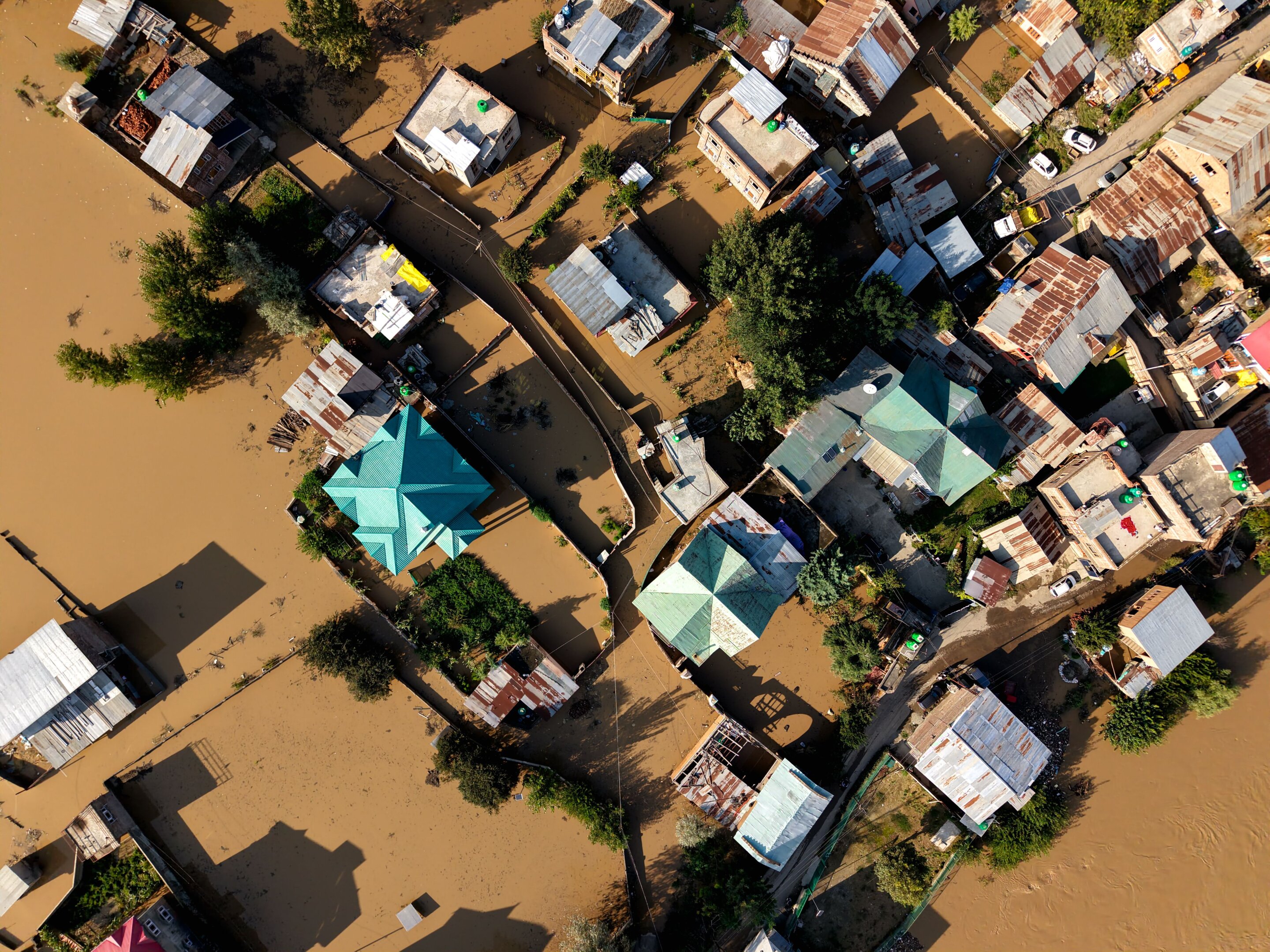
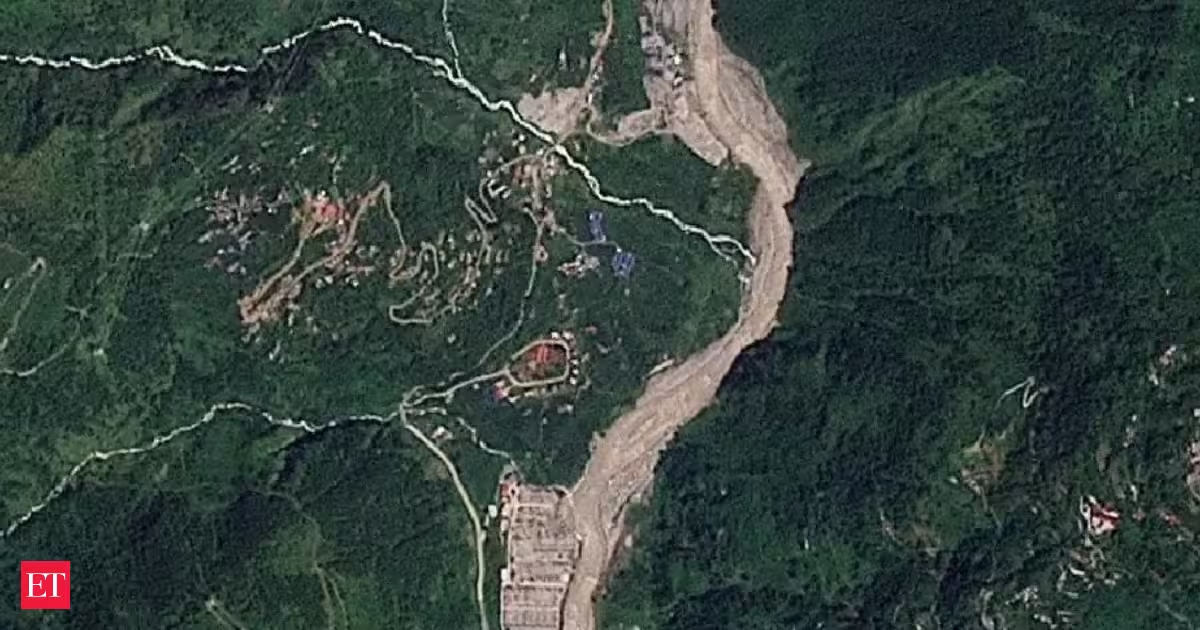
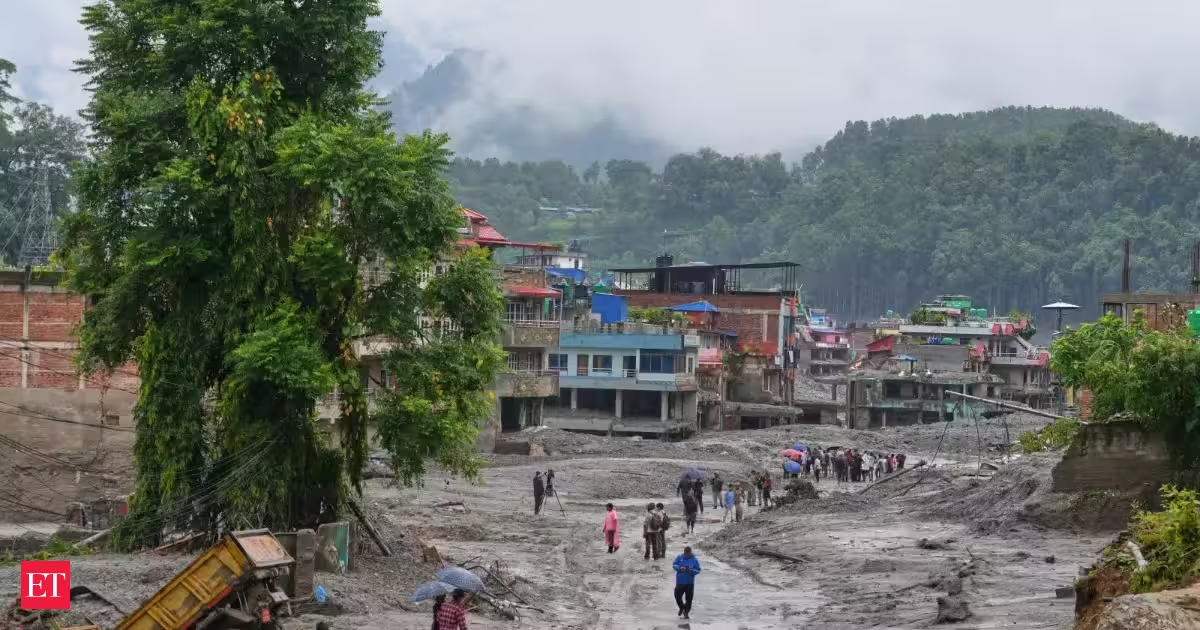
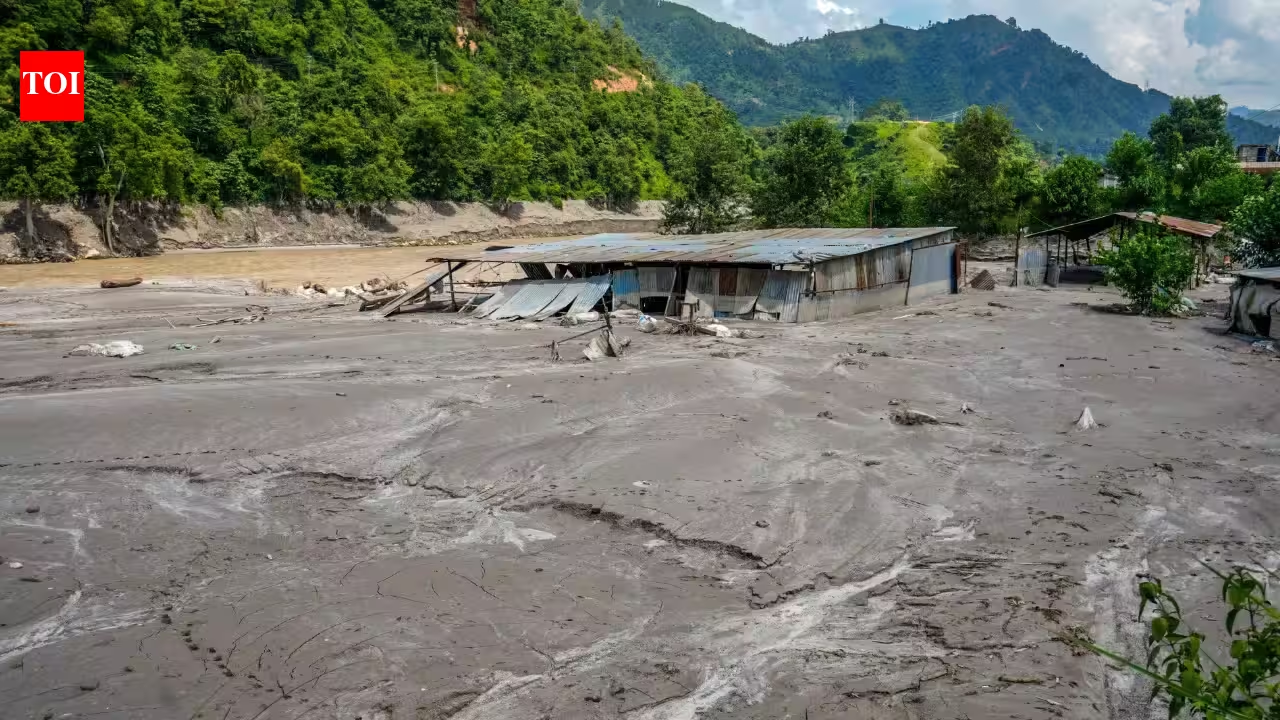
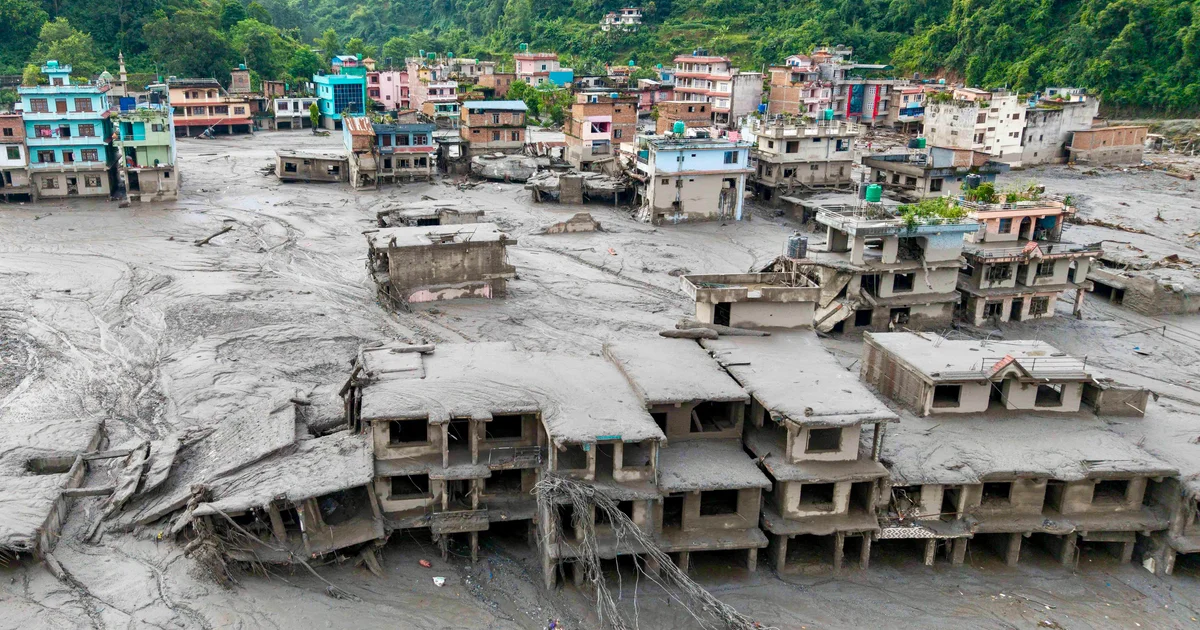
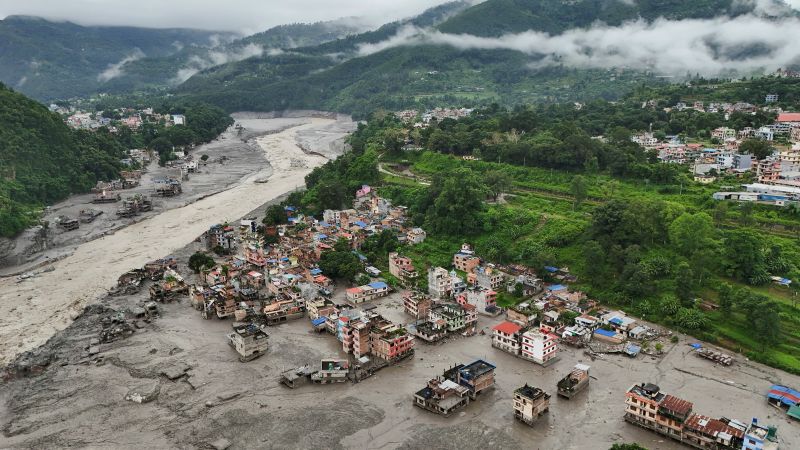
The flash floods in Nepal is not an isolated phenomenon as it is comparable to previous regional disasters, such as the 2021 Chamoli disaster, the 2013 Kedarnath disaster and the 2021 Raini flood in Uttarakhand. The exact cause of the Nepal floods is still being investigated by scientists, though current evidence points to a massive glacier collapse and landslide high in the Himalayas. The glaciers worldwide are retreating — but in the Himalayas the rate of glacier retreat is an acceleration mode. In Himalayan mountains, rainfall patterns are shifting. The atmospheric freezing level is moving upward. Precipitation that once fell as dense snow is now reaching as rain, accelerating glacial melt. As temperatures rise as part of climate change, centuries-old permafrost — layers of frozen rock, soil, and ice on steep slopes—begins to thaw. As glaciers retreat, they leave behind deposits of rock, silt, and gravel, known as moraines. These debris barriers trap melt water behind them, forming proglacial lakes. Eventually, as water pressure builds against the moraine walls, triggering a catastrophic glacial lake outburst flood (GLOF), releasing massive waves downstream. But the devastation could serve as a reality check for governments that are driving a boom in dams, tunnels, highways, railways, and bridges across the Himalayas to tap the region’s vast hydropower potential and exploit its natural resources. And China is not alone in this push. India, and to a lesser extent Nepal, have also been on an infrastructure-building spree in recent years in one of the most seismically active and climate-vulnerable regions on Earth. The Himalayan environmental regime is edging toward collapse, undermined by unsustainable projects that compound the risks of floods, landslides, and glacial lake outbursts.