That revenue strategy question increasingly comes down to one market.
“One of the key objectives of actually having AC coupling, and incurring that additional cost of AC, is to access the one-second FCAS market,” Shah says, referring to the fast-response ancillary services market that has historically been a main reason developers chose AC coupling in the first place.
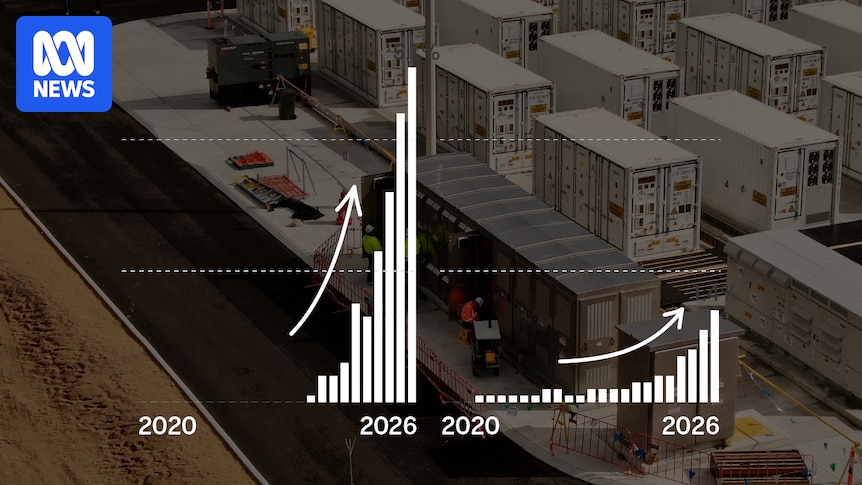
But he notes that FCAS has “completely collapsed” as a revenue driver in recent years, leaving energy arbitrage as the dominant source of battery storage revenue. This perspective was shared throughout the two-day conference.
Some contingency-driven demand for the one-second market persists, and for developers who still want that flexibility, Shah says Wärtsilä’s answer is technology rather than a fixed coupling architecture.
The company builds a power plant controller (PPC) that can sit on top of any third-party power conversion system (PCS), functioning as a master controller, regardless of whether the underlying design is AC or DC.