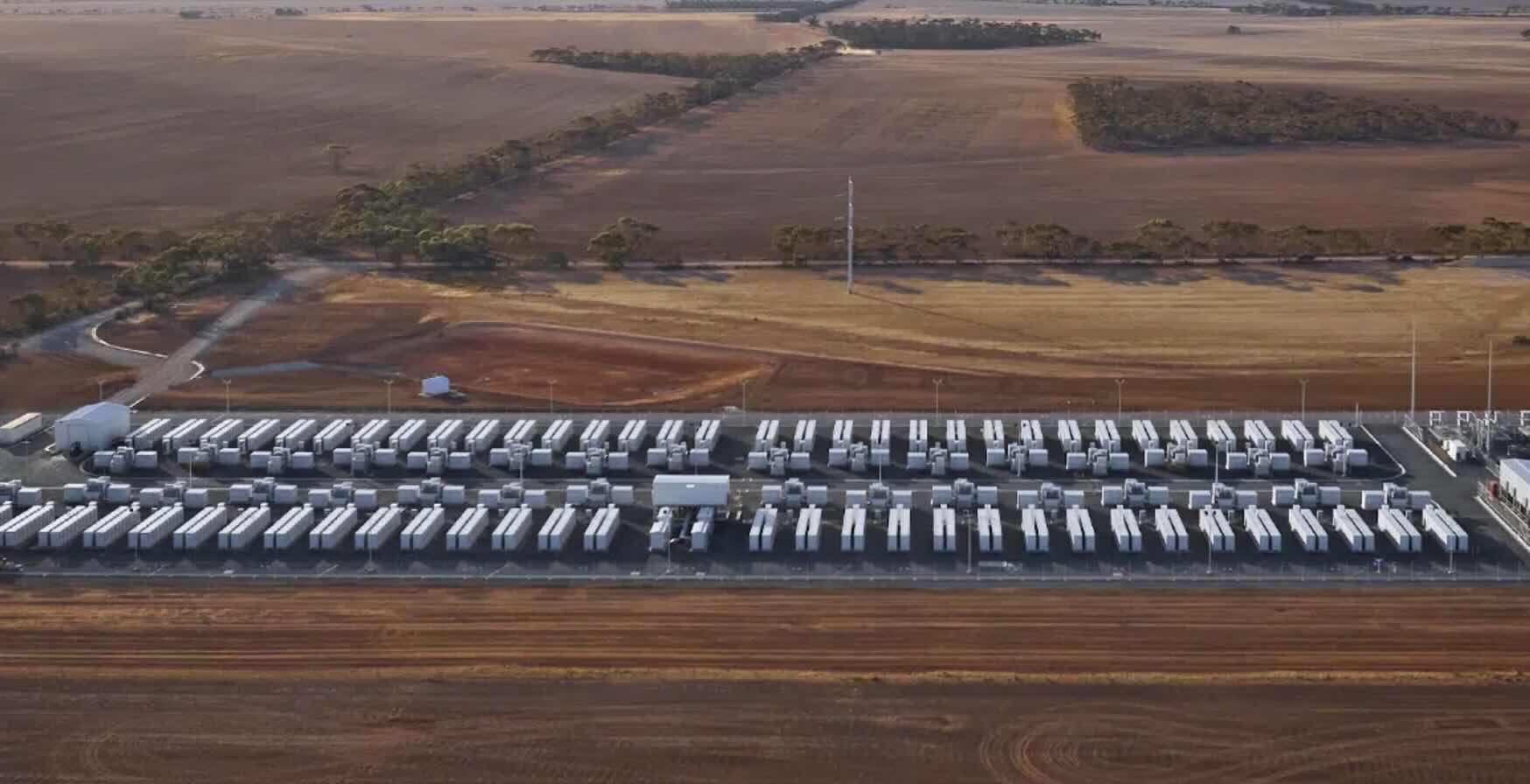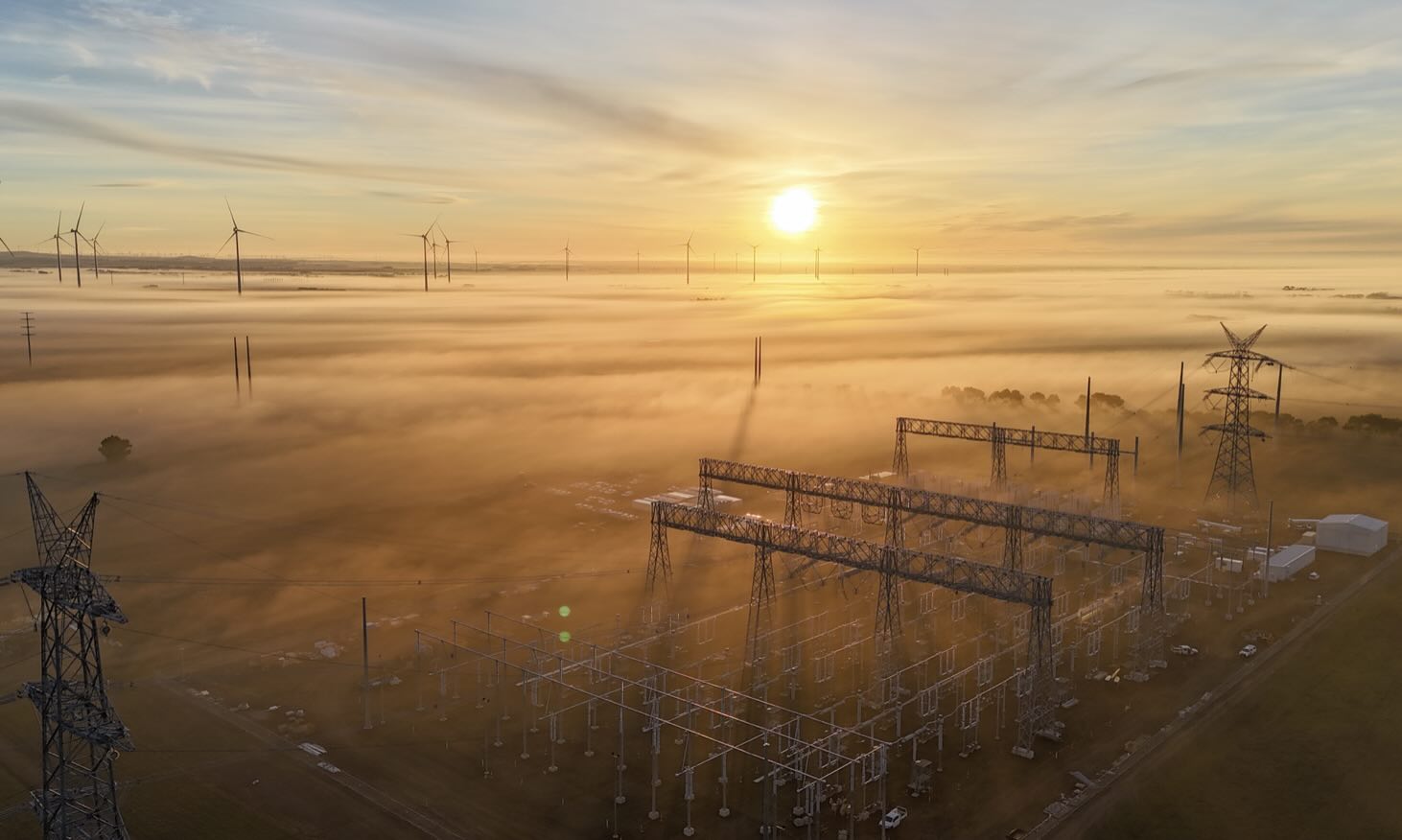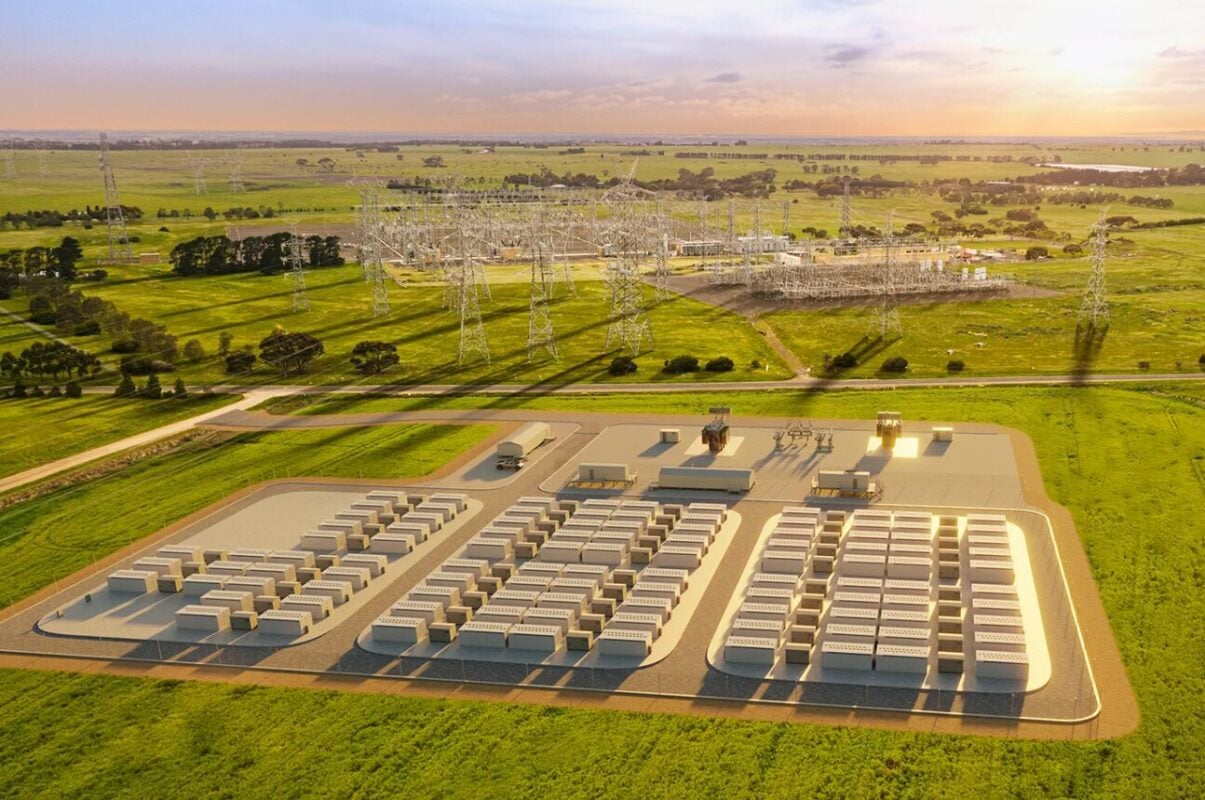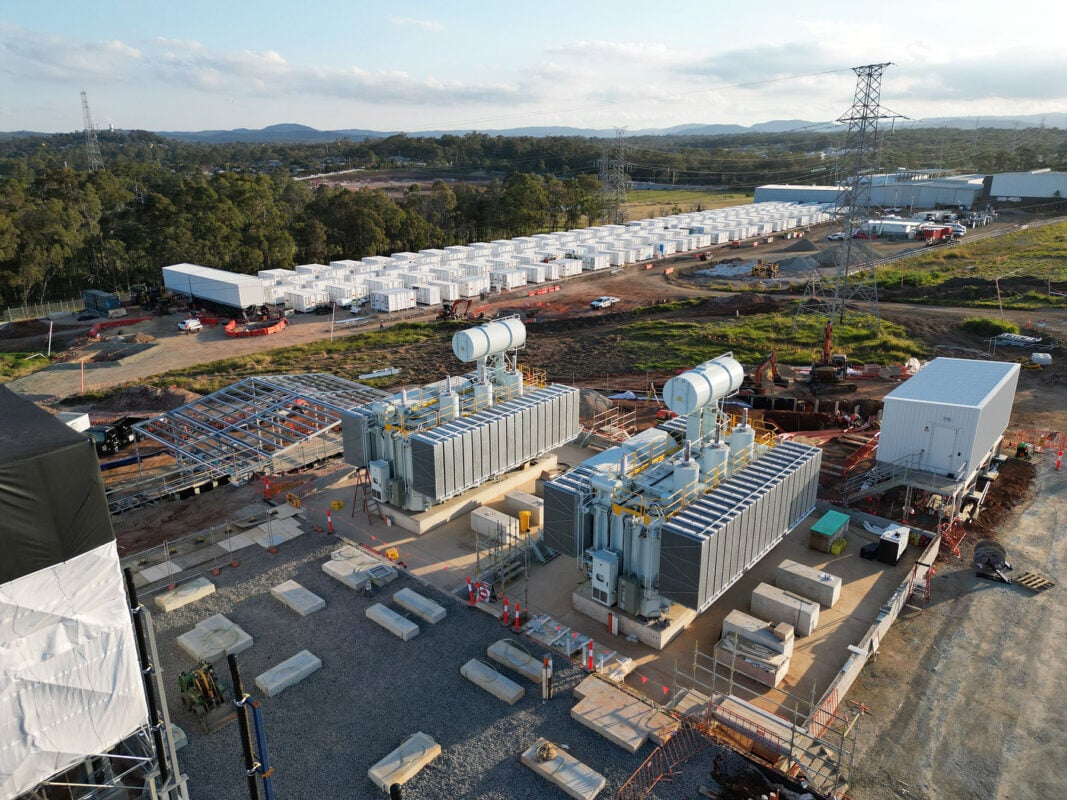
The report attributes the improvement in evening peak prices in part to an increase in mid-priced offers from the entry of new battery storage systems, alongside fewer very high-price events.
Daytime prices fell further, driven by low-priced offers from new wind and solar generation, with battery charging load increasingly influencing price outcomes during those hours.
Coal set the wholesale price less often overall, particularly during the day, but the AER found it remains important overnight, especially in Queensland and New South Wales, where higher coal fuel prices limited how much overnight prices could improve compared with 2021.
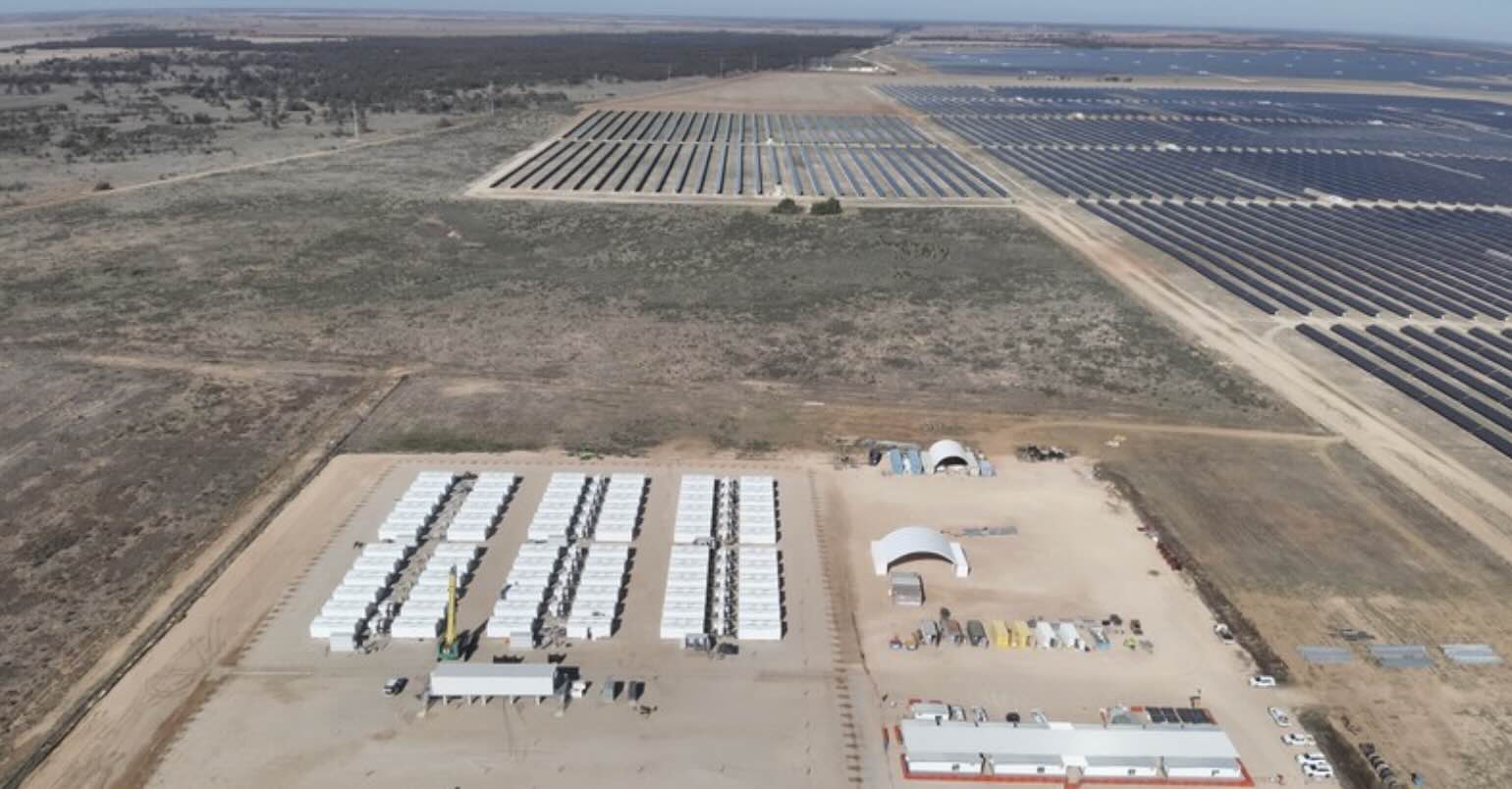
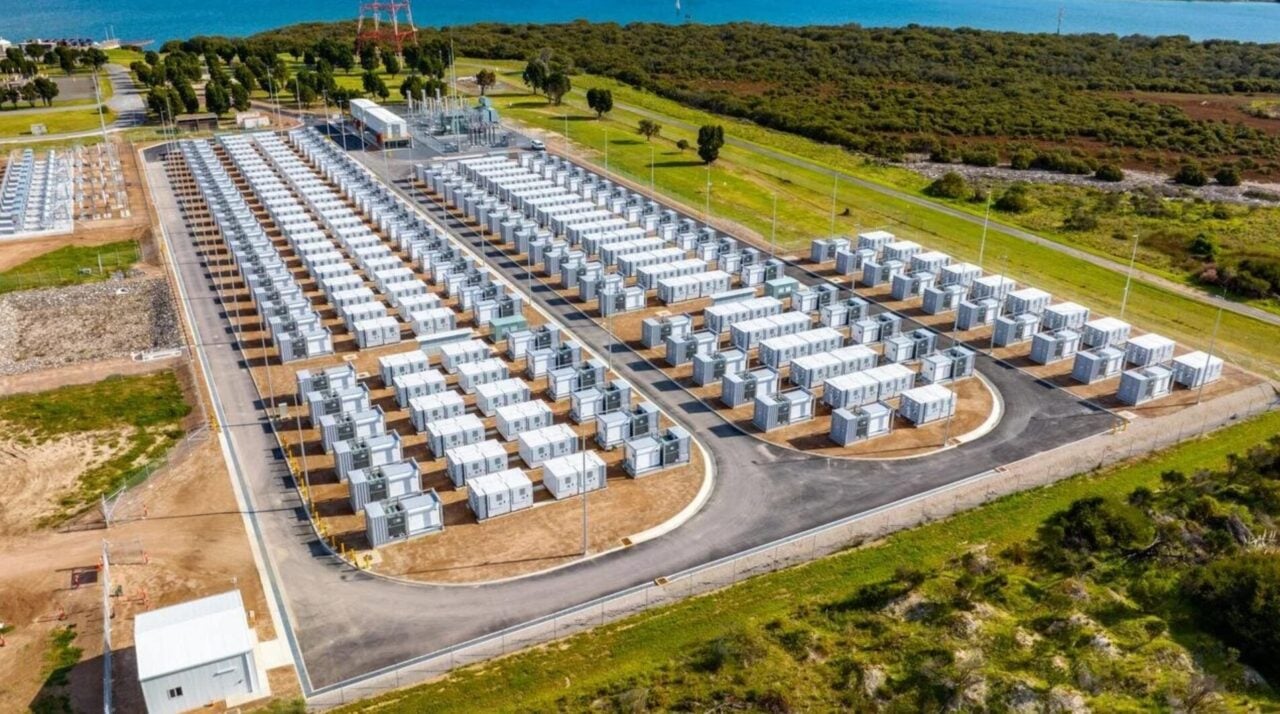
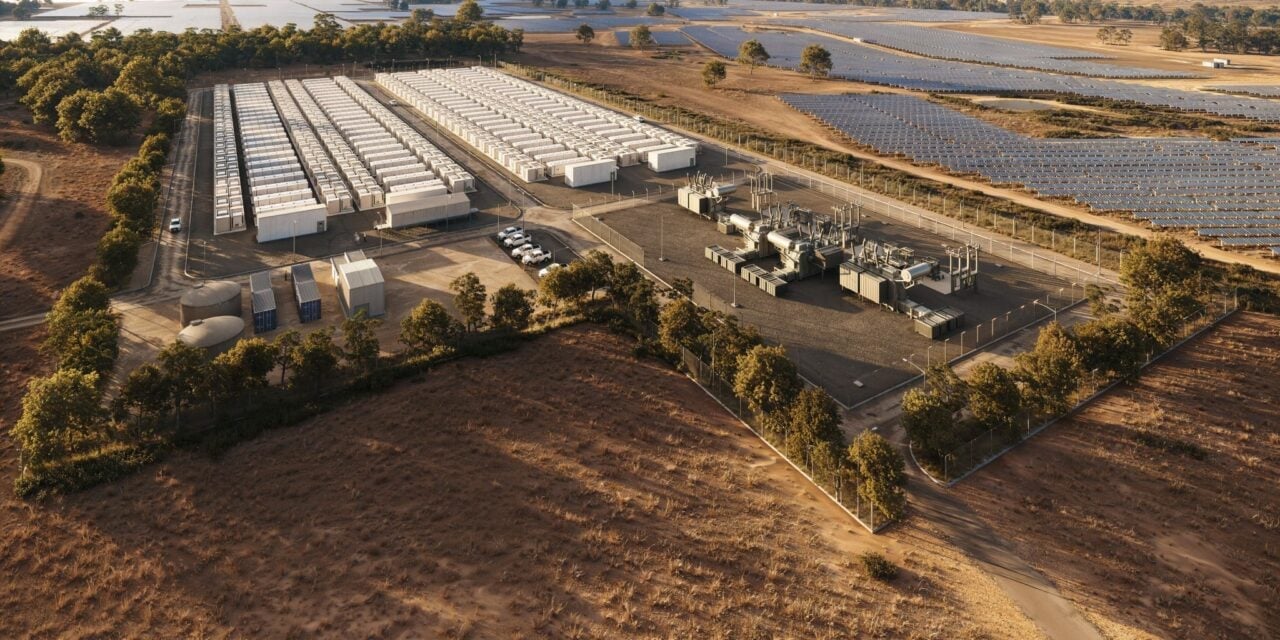
Battery storage power output has grown from 261MW to 6.1GW in five years
The AER’s data illustrates the scale of the shift. At the start of 2021, there were just five utility-scale battery storage systems in the NEM, totalling 261MW, most of which derived their revenue from frequency control ancillary services (FCAS) markets rather than energy trading.