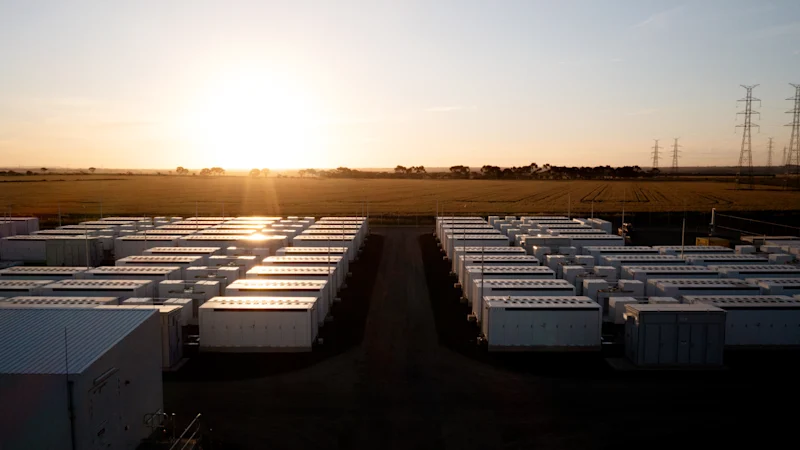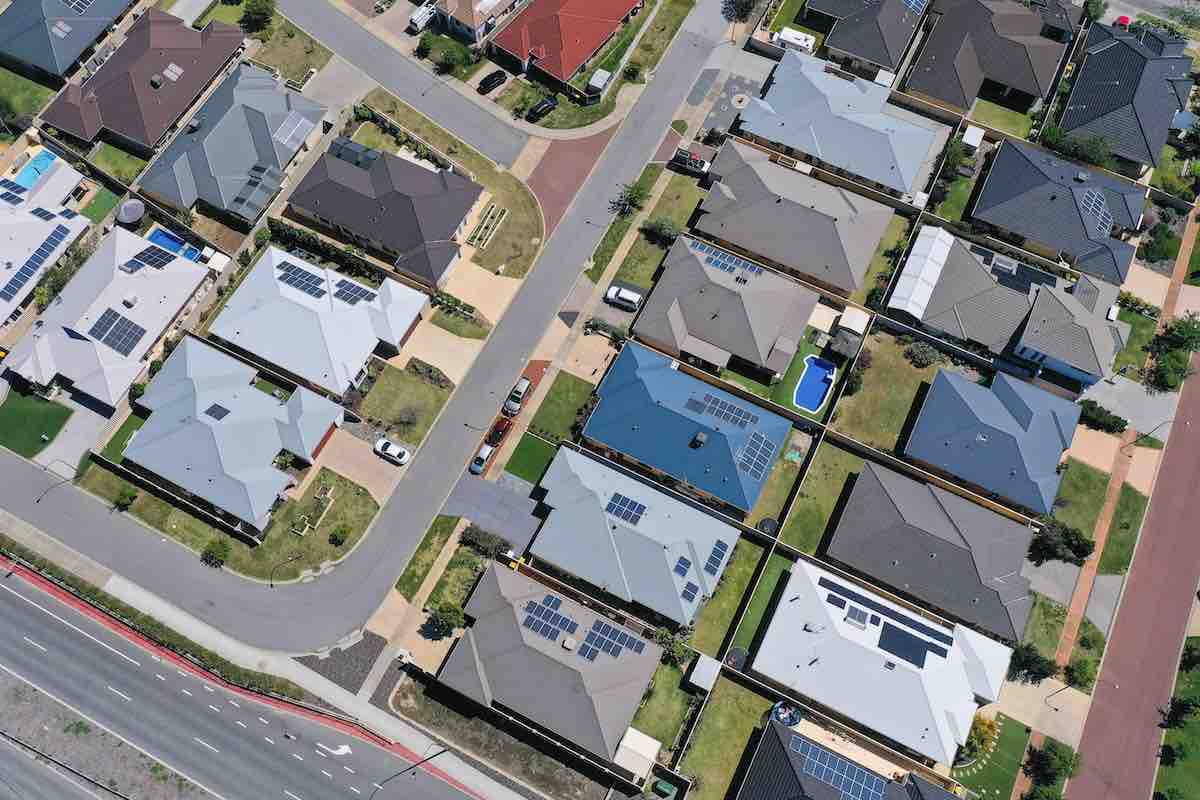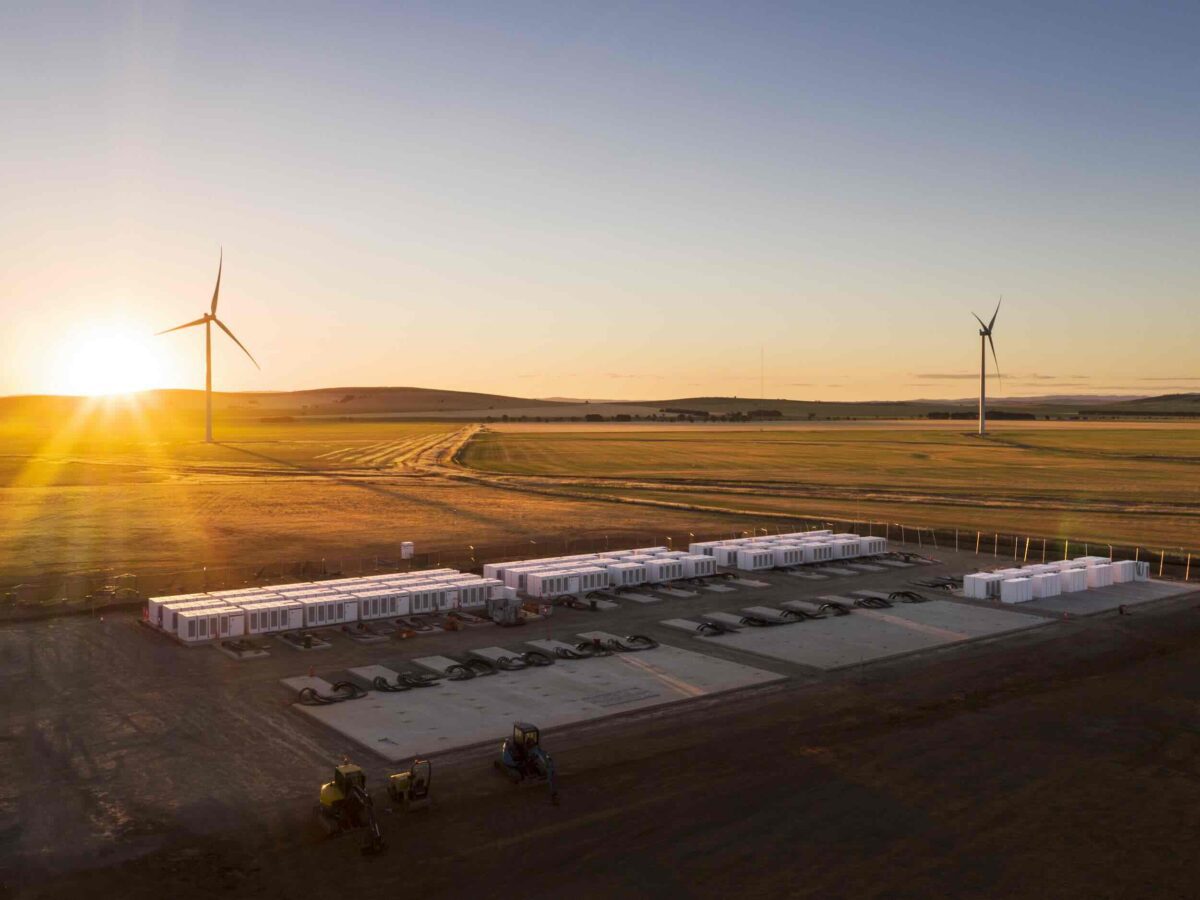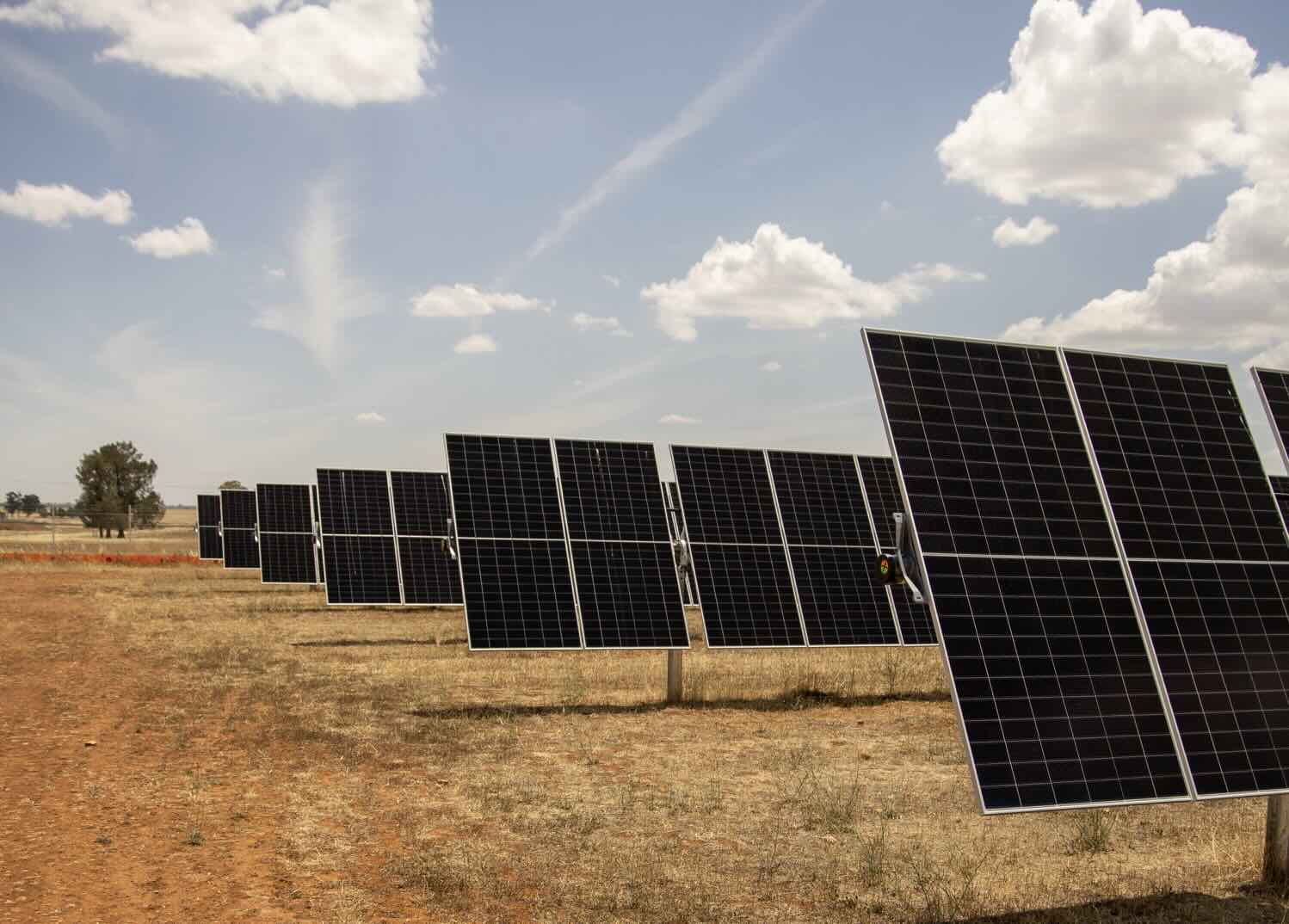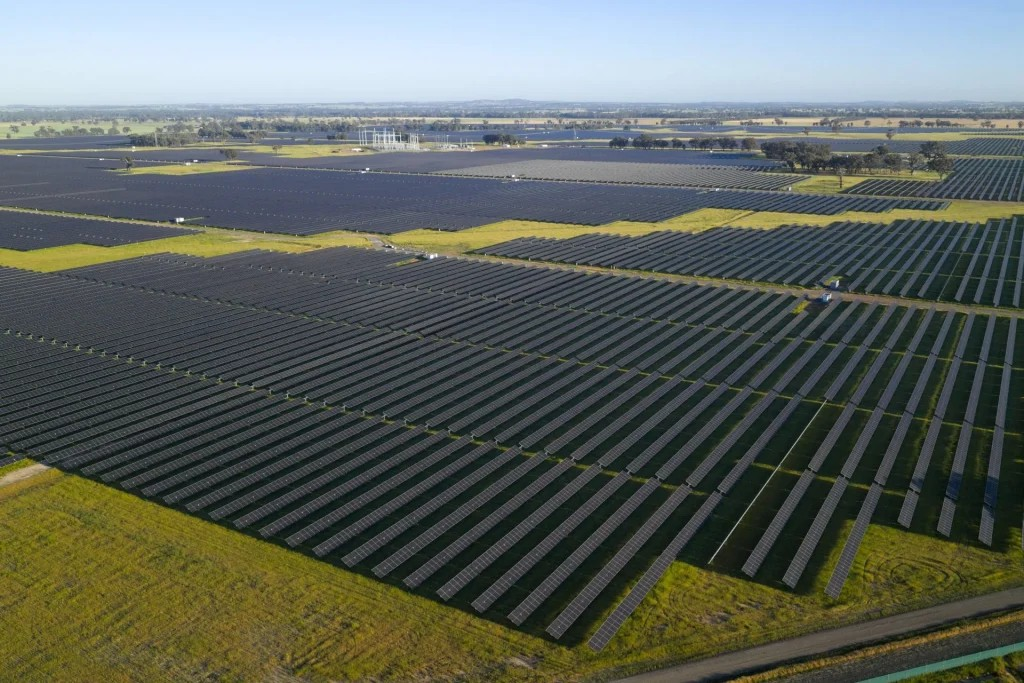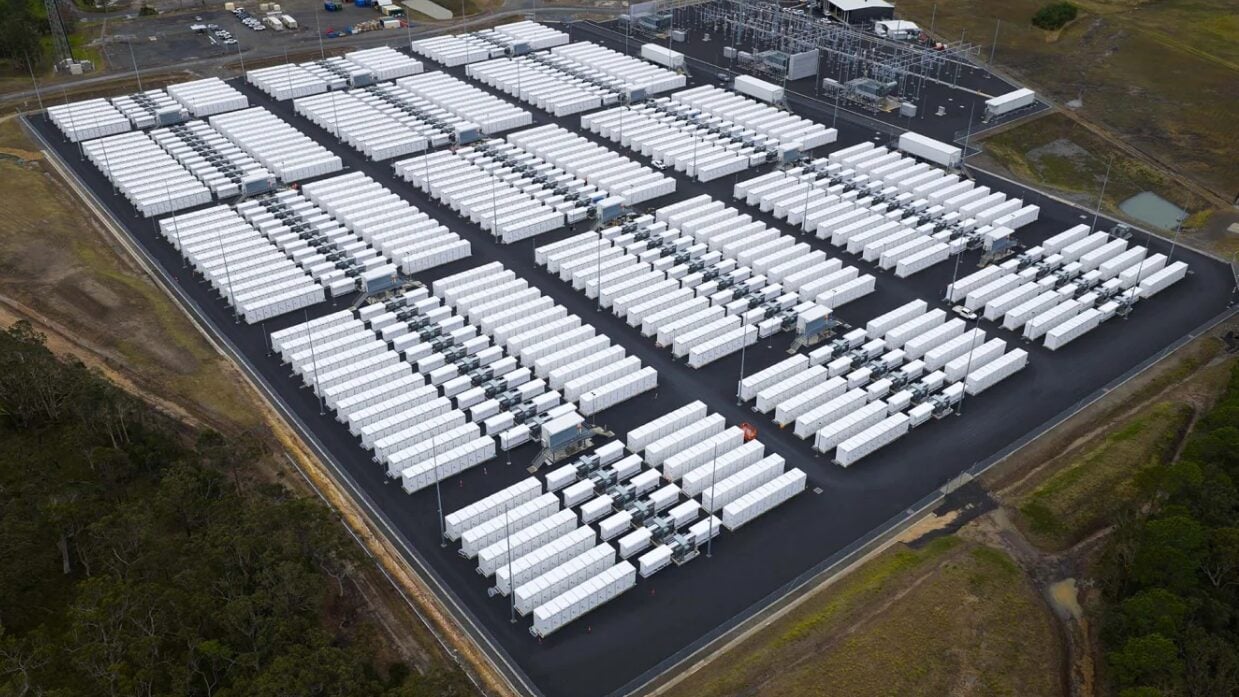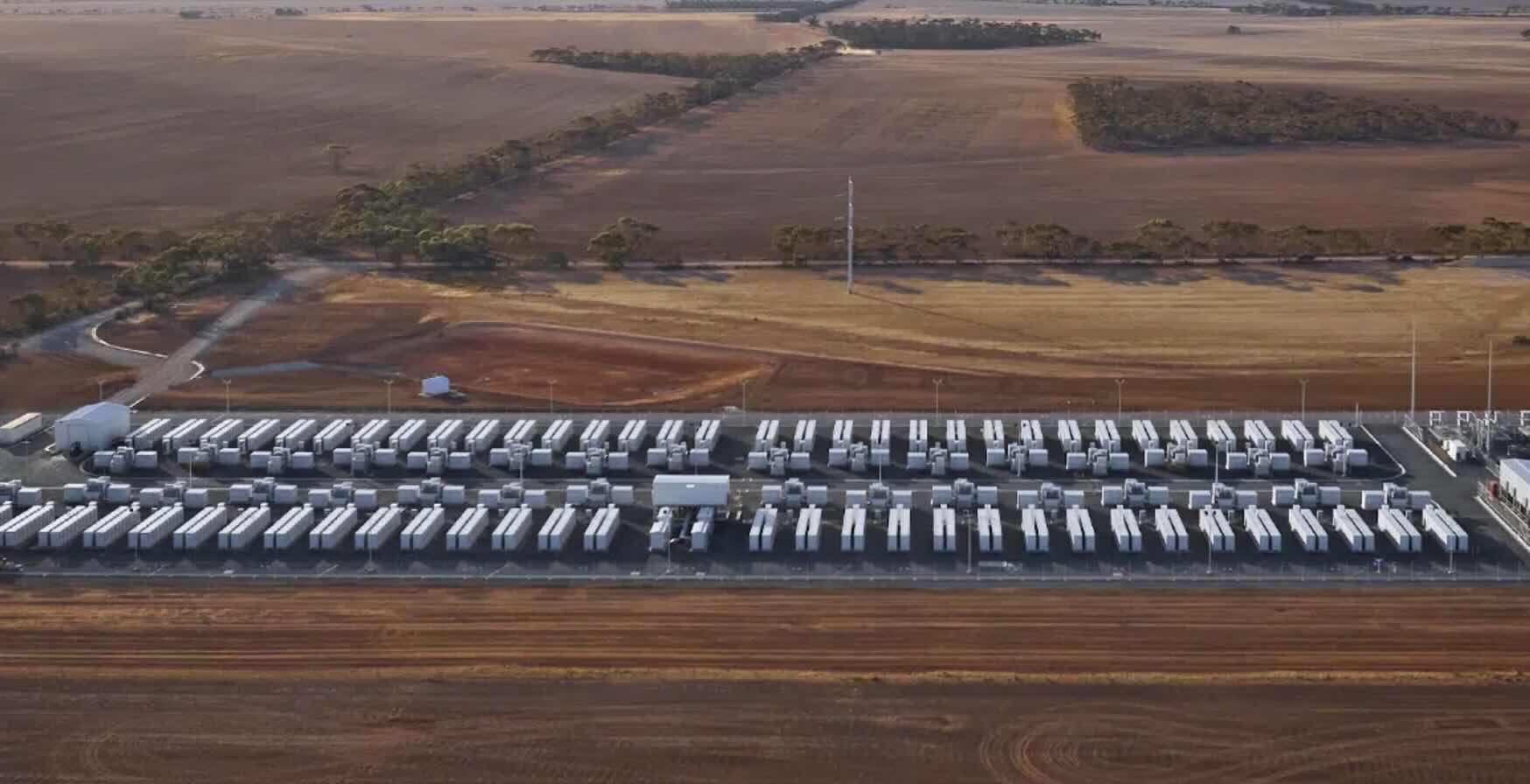
The Australian electricity market’s success in dodging the latest round of global price shocks, using a buffer of firmed renewables now averaging around 50 per cent of total supply, has been highlighted in the latest report from the International Energy Agency.
The IEA’s Electricity Mid-Year Update 2026, released on Thursday, is set against a market still in the throes of the Strait of Hormuz crisis, with spikes in LNG prices translating into higher costs for gas-fired electricity generation, which has in turn pushed up wholesale electricity prices in several regions from March onward.
In the European Union and Japan, for example, average spot wholesale electricity prices increased by more than 30 per cent, year-over-year, in the second quarter of 2026.
In Australia, on the other hand, the shift to renewables that so many politicians and media outlets on the right continue to describe as “reckless” and costly, has helped to send wholesale electricity prices in the other direction, thanks to relying much less on peaking gas or costly coal.
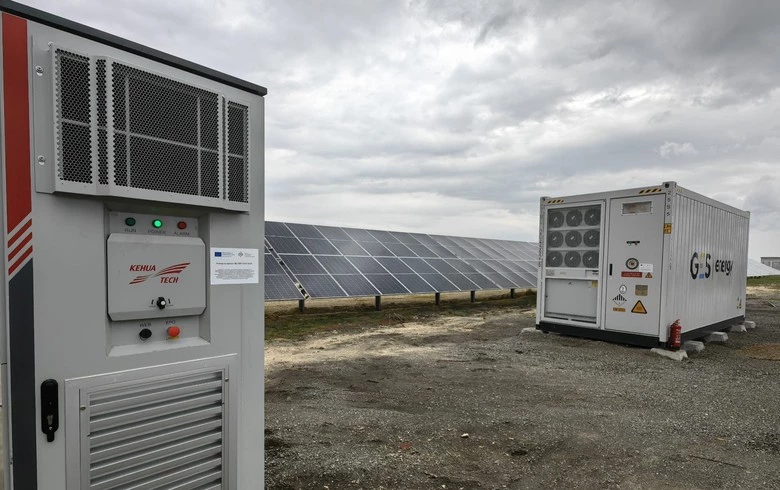
“In Australia, average wholesale prices in the National Energy Market (NEM) fell by 30% y-o-y in H1 2026, to USD 49/MWh,” the report notes. “The market continued to be shaped by strong renewable output and rapidly expanding battery storage.