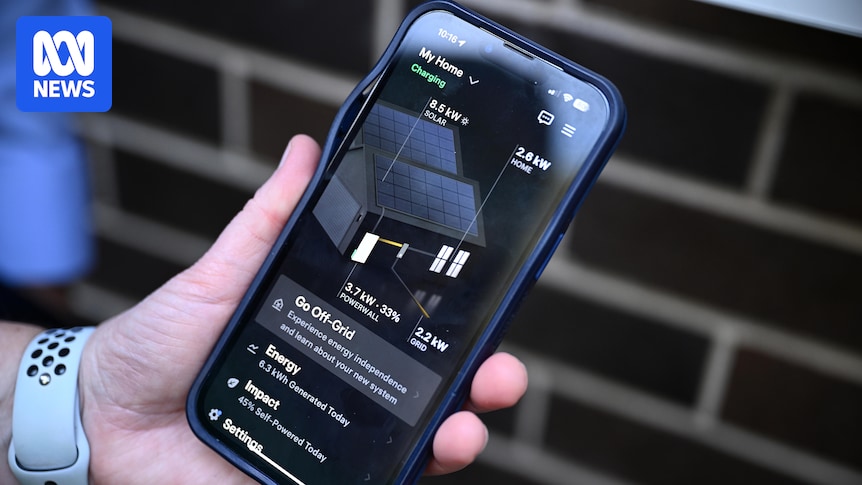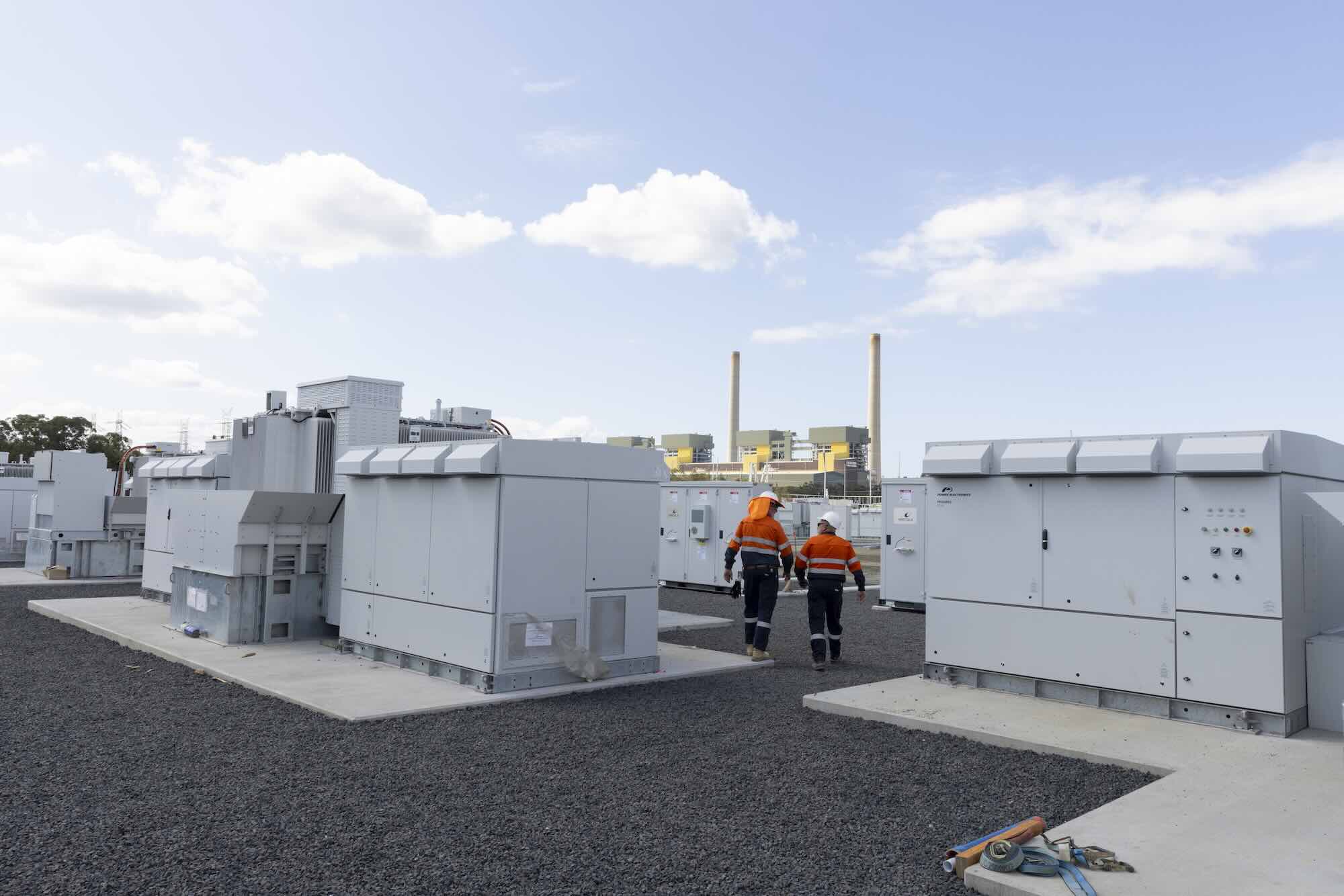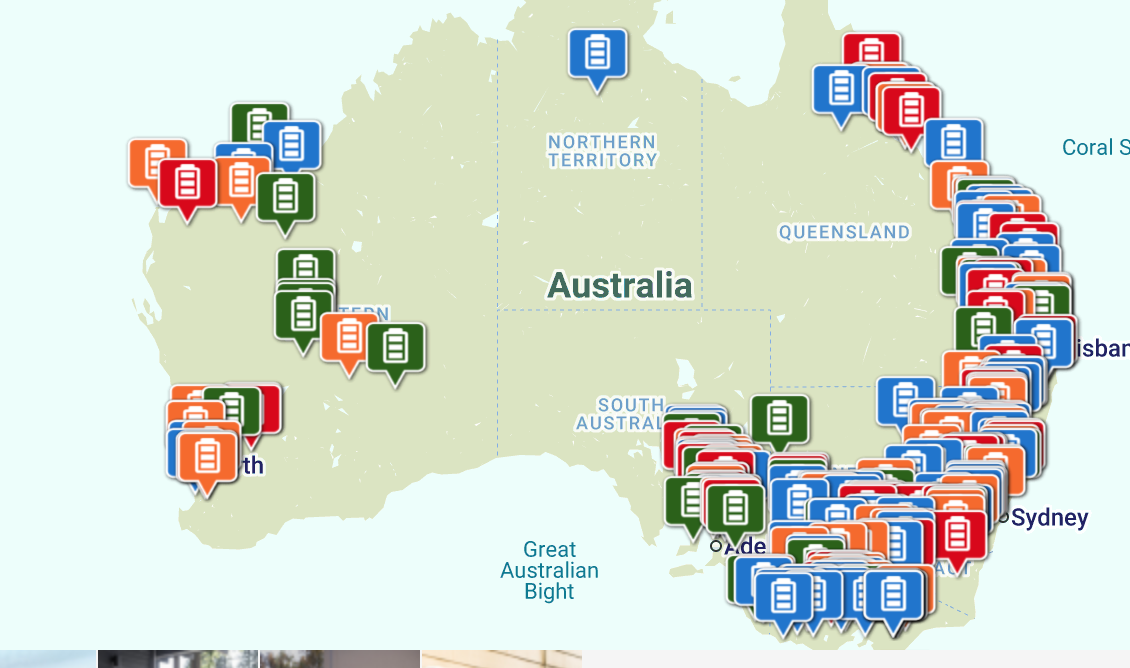
Battery storage may well be the fastest growing, strongest and healthiest part of Australia’s energy transition, but project developers admit they are feeling the pinch between the delayed closures of the country’s coal fired generators, and the massive growth of home batteries.
As we reported last week, the spread of market prices between the highs and the lows has narrowed considerably in recent months, as the so-called solar duck curve has been flattened by increased storage and changing market dynamics.
So much so that, according to the likes of BloombergBNF, actual arbitrage returns for grid scale batteries in the last six months have fallen by a massive 84 per cent from $362/MWh to just $60/MWh a year earlier.
Market players cite a number of reasons – the delays to coal closures such as Eraring, the huge success of the federal government’s home battery rebate scheme, mild winter temperatures, and changing bidding patterns as some batteries become part of bigger trading portfolios.
It seems clear that these are now starting to have an impact on the ability of battery developers to land contracts that are attractive enough to secure finance.