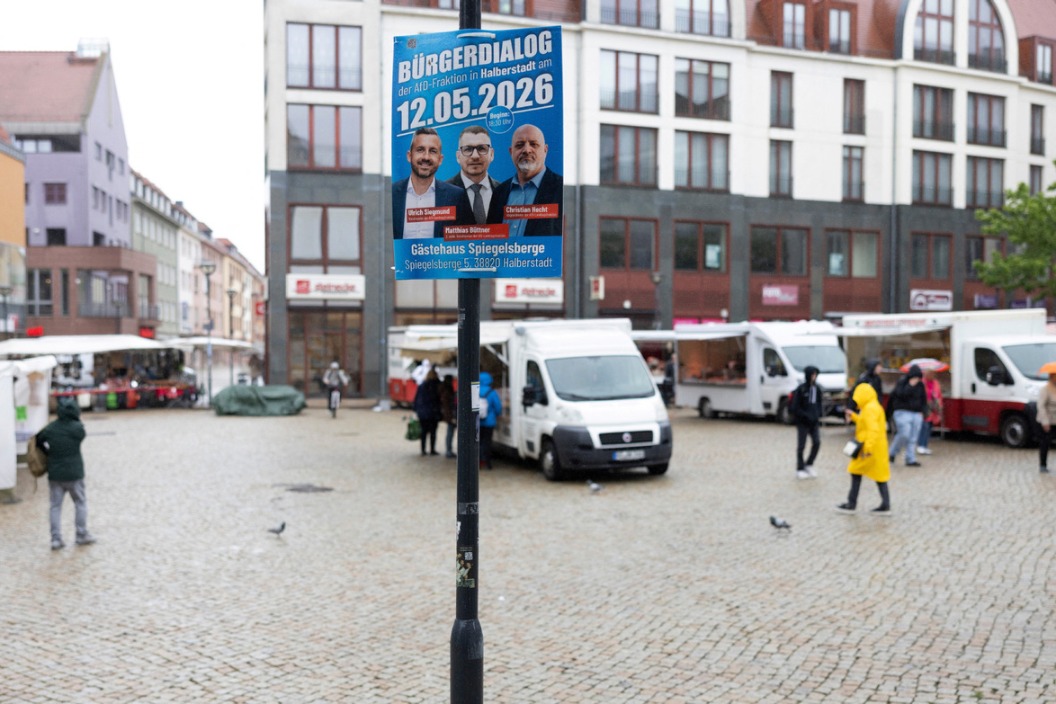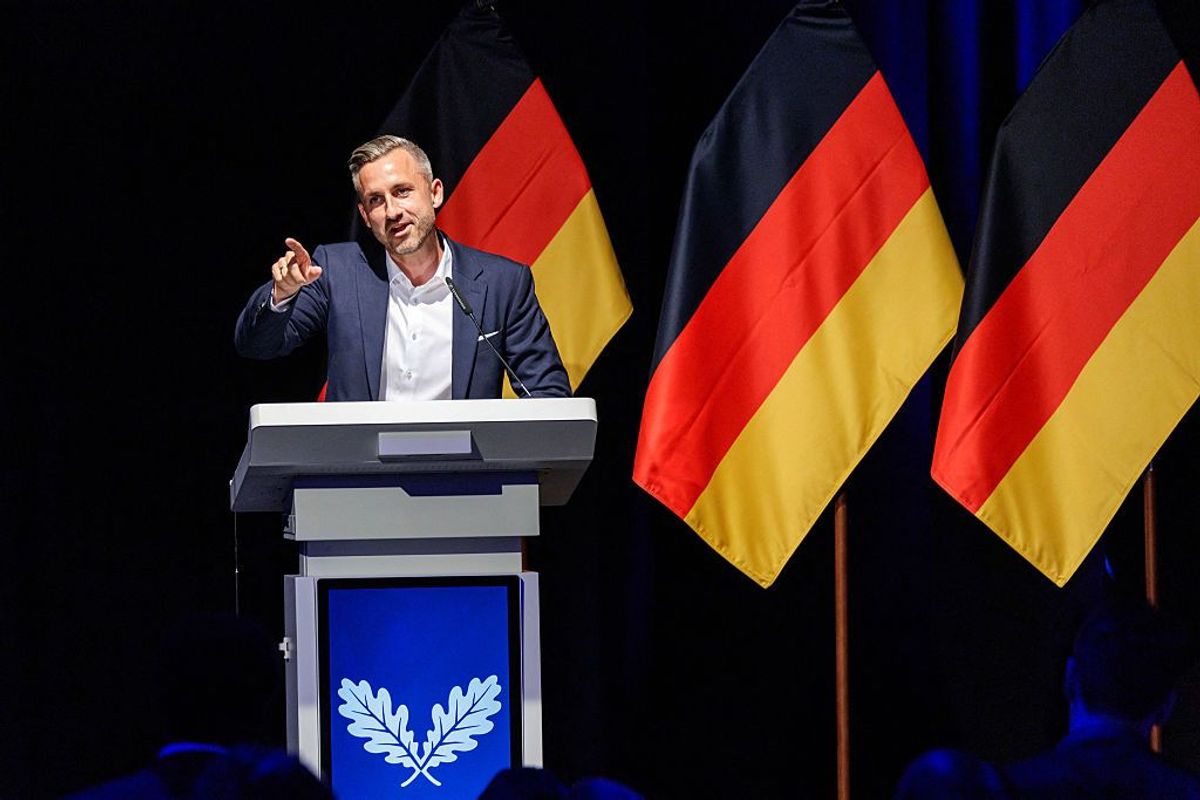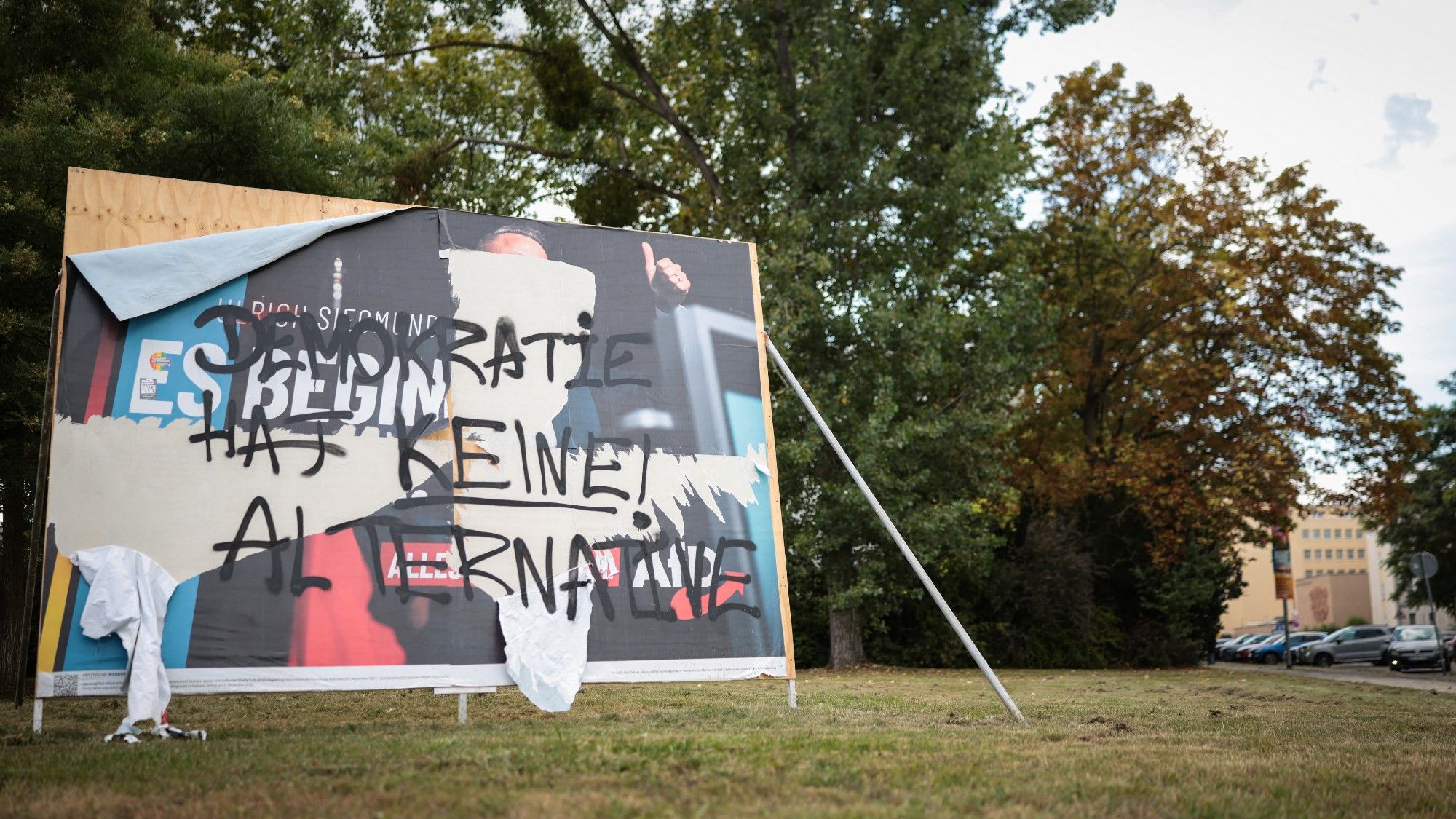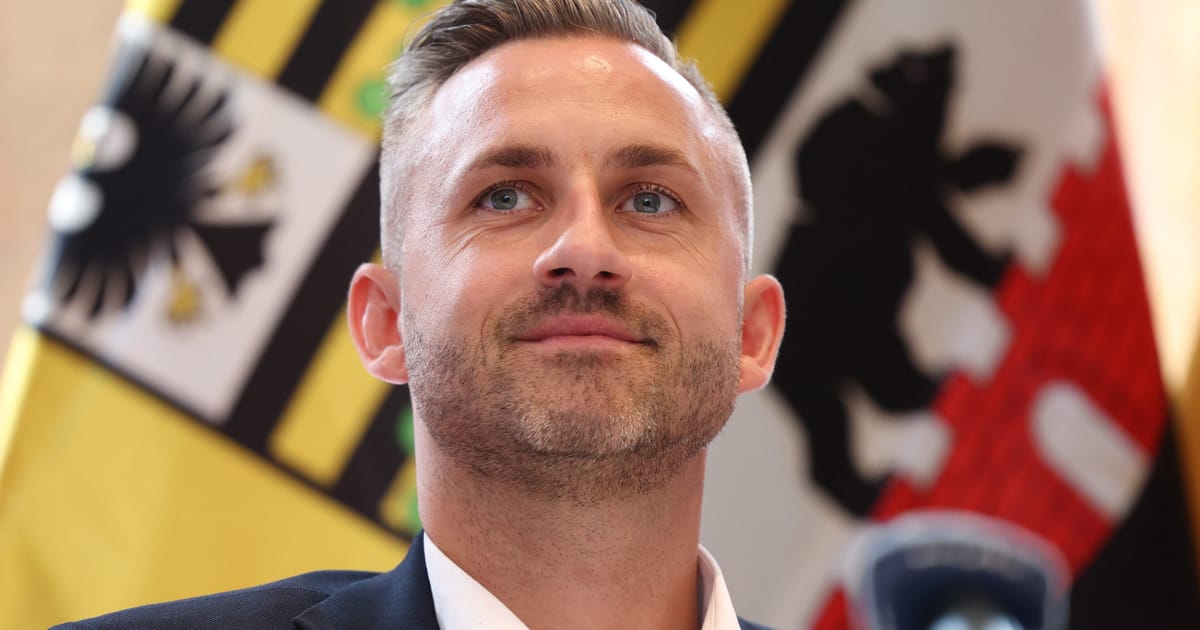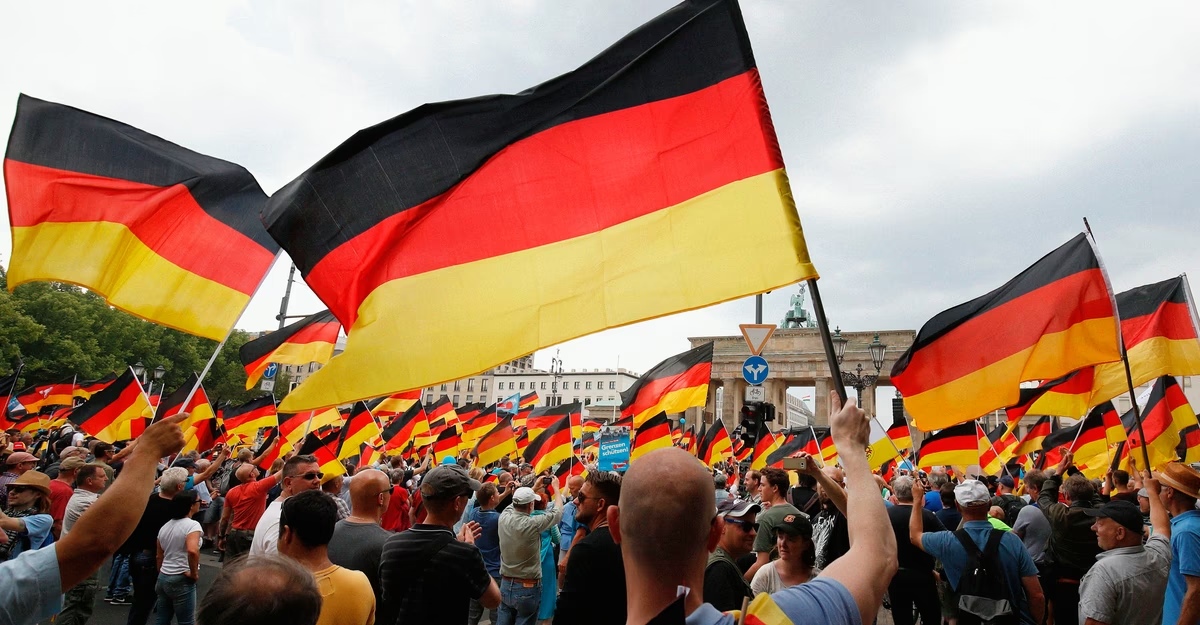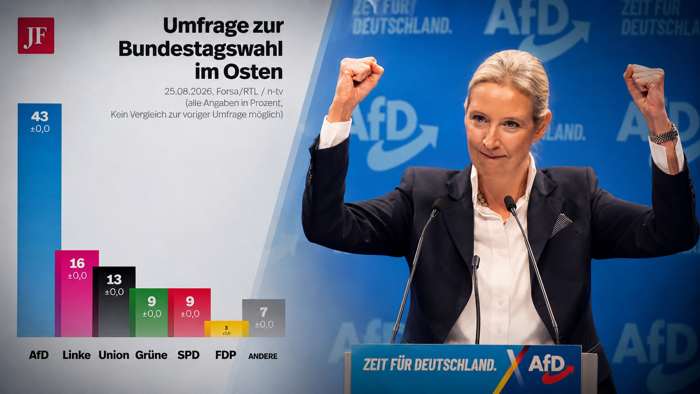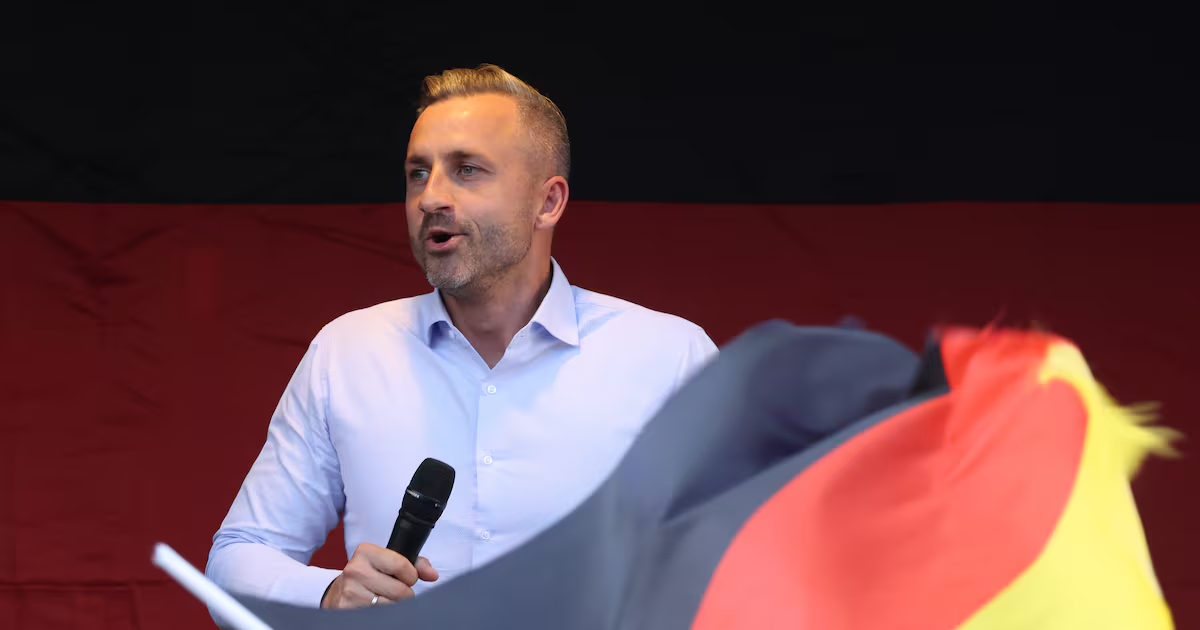
The likely election of Ulrich Siegmund of far-right Alternative für Deutschland (AfD) next weekend in the Saxony-Anhalt länder or state has much of democratic Germany deeply fearful. Currently polling at around 43 per cent, like the AfD in neighbouring former East German states of Thuringia and Saxony, his victory will be the first time a far-right premier rules one of the country’s länder since the Federal Republic’s 1949 founding. But not, many fear, the last.The party’s rise, German chancellor Friederich Merz warned recently, marks “five minutes to midnight”, a reawakening of fascism, “the last warning to the parties of the democratic centre” of the need, he argues, to build consensus on key issues such as immigration, economic reform and European defence. The AfD success and that of France’s National Rally or Rassemblement National (RN) among others, makes the publication of two studies into political continuity on the far right and the lasting legacy of its historic leaders in France and Italy particularly timely. Enda O’Doherty’s historical account of the French far right since the trial of Dreyfus (The dark side of France), and Stephen Gundle’s cultural and psychological examination of Italy’s whitewashing of Benito Mussolini’s legacy (Mussolini’s Ghost: The Afterlife of a Dictator), complement each other well, particularly in their different insights into the unconvincing parallel processes of what RN leader Marine Le Pen calls the “dédiabolisation” – de-demonisation – of their respective parties.That whitewashing process, clearing fertile ground for the re-emergence of fascist ideas, has been under way for some time in France, and strikingly included her expulsion of her father, RN’s founder and former presidential candidate Jean Marie Le Pen, for Holocaust denial. And in Italy with prime minister Giorgia Meloni’s more recent distancing of herself from Mussolini’s brutal rule and from her past in the neo-fascist MSI party. Though not its repudiation. Both have moderated their anti-EU rhetoric and opposition to assisting Ukraine though not their anti-immigrant campaigning. Whether purely tactical for electoral reasons, not least Le Pen’s increasingly plausible presidential ambitions, or genuine, the depth of such rebrandings are a matter of dispute. Neither O’Doherty nor Gundle are convinced by the deliberate forgetfulness about the past, or that leopards have changed their spots. [ Ulrich Siegmund: AfD’s scent specialist smells victoryOpens in new window ]The RN’s cynicism in this regard is reflected in a speech by Marine Le Pen’s former partner, Louis Aliott, a vice-president of the party. “We need to be clear about de-demonisation,” he told activists, “it is solely to do with the suspicion that we are anti-Semitic. Not Islam, not immigration. In respect of these things it is not necessarily bad to be demonised.” A nod and a wink to the old guard.De-demonisation of Mussolini started early. As Gundle records, by the end of the cold war, rose-tinted memories of fascism had been fuelled by histories, popular culture and exhibitions that “gave a cheerful, even nostalgic view of the Mussolini era, one that left Italians feeling they had nothing to be ashamed about.” It was really the Germans, the public was assured. Prime minister Silvio Berlusconi was able to assert, largely unchallenged, that the murderous Mussolini, butcher of Ethiopia, “never killed anyone”, while others cheerily recalled that the dictator got the trains to run on time.[ Giorgia Meloni masquerades as the ‘acceptable’ face of the far right, but nobody should be fooledOpens in new window ]The re-emergence, Gundle argues, of leaders like Meloni with their roots in fascism “indicates those experiences have been normalised within commonly held ideas of national history and that the fascist regime is no longer seen as wholly or predominantly negative.”Germans in the postwar period preferred silence or simple denial, he argues, “turning the past into a dim and ghost-like memory … the bond with Hitler remained unaddressed and unresolved as a concealed undercurrent in national life”. Largely, that is, until the tiny numbers of Holocaust deniers and Nazi apologists began to find a comfortable home in an amenable AfD whose members bridle at what they claim is the stultifying collective guilt required of all Germans. The party’s de-demonisation efforts have been at most token – many party members are avowedly Nazi-sympathetic.France now faces into a presidential election next year in which either Marine Le Pen, or if she has not cleared up her legal problems, her young, charismatic deputy Jordan Bardella, have a real chance of surfing the populist tide sweeping Europe and taking the presidency for the first time for the far right.[ A banned song in Germany has become a rallying cry against a far-right surgeOpens in new window ]Le Pen insists that hers is not the party of her anti-Semitic father, of unreconstructed racists who promote “remigration”, or of apologists for the collaborationists who propped up Petain and Laval to enable Nazi occupation, of the generals who tortured Algeria and sought to overthrow De Gaulle. Her party, she says, is democratic and “neither left, nor right, but French”, borrowing a meaningless but apparently appealing slogan from its fascist past. But in mass rallies she shows her true colours, shouting to the crowd “Stand up if you want France to remain French.”The danger is that voters, fed up with austerity and drift, bewildered by divisions on the left and centre of politics and by gridlock in parliament, may well believe her lies.
‘De-demonisation’ of Europe’s far right clears ground for resurgence of fascist ideas
World View: Historians unconvinced by deliberate forgetfulness in France and Italy, while German leader sounds alarm
886 words~4 min read