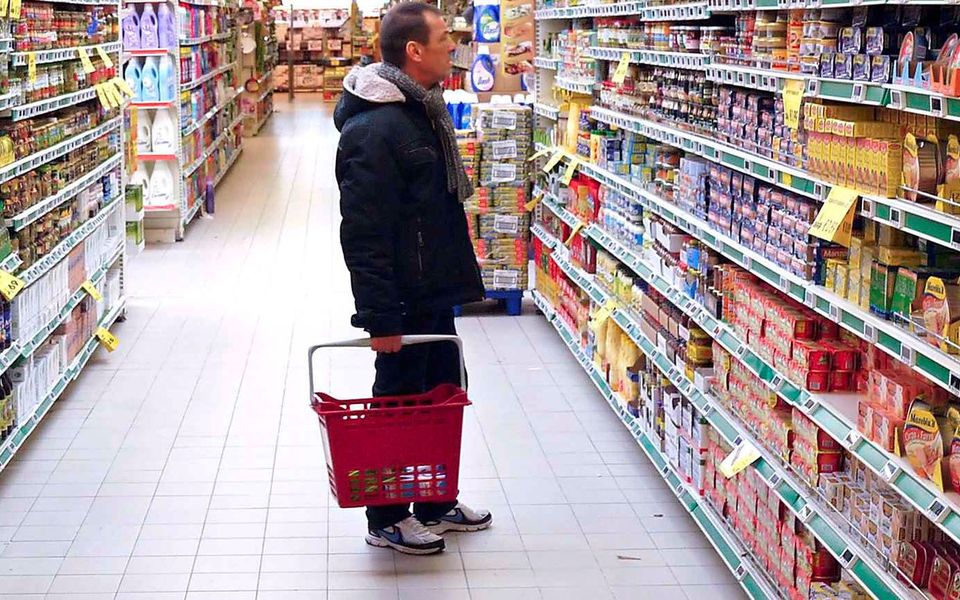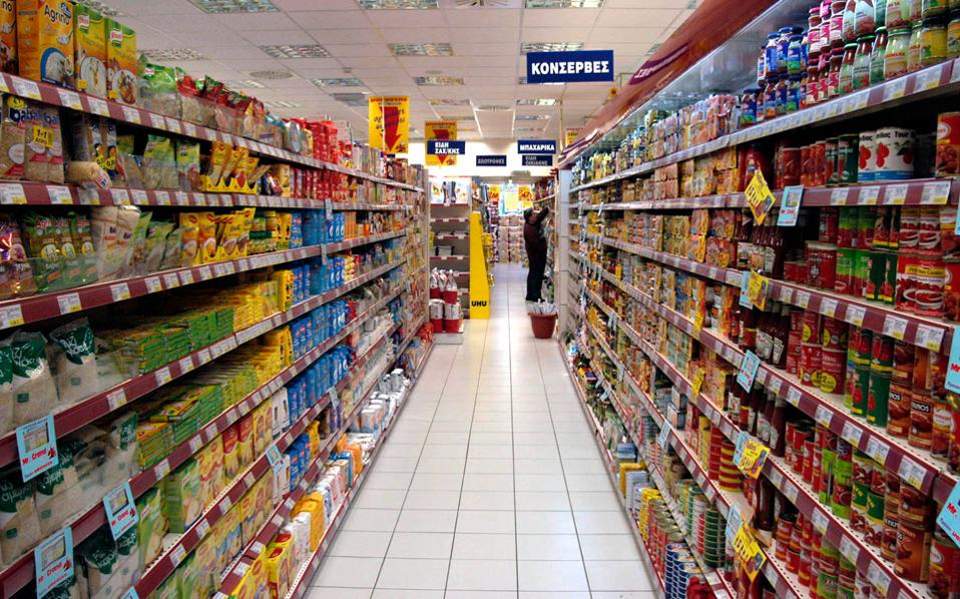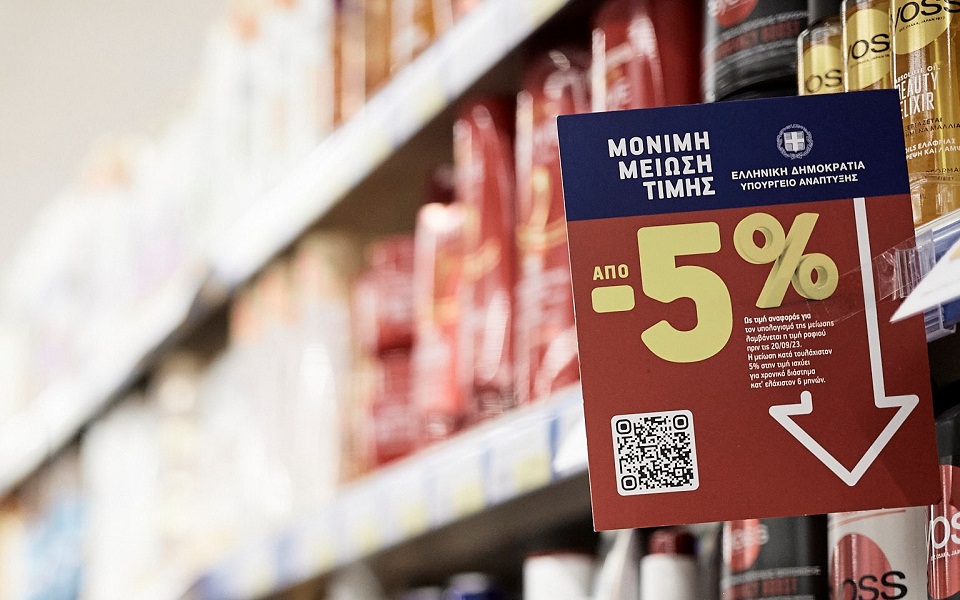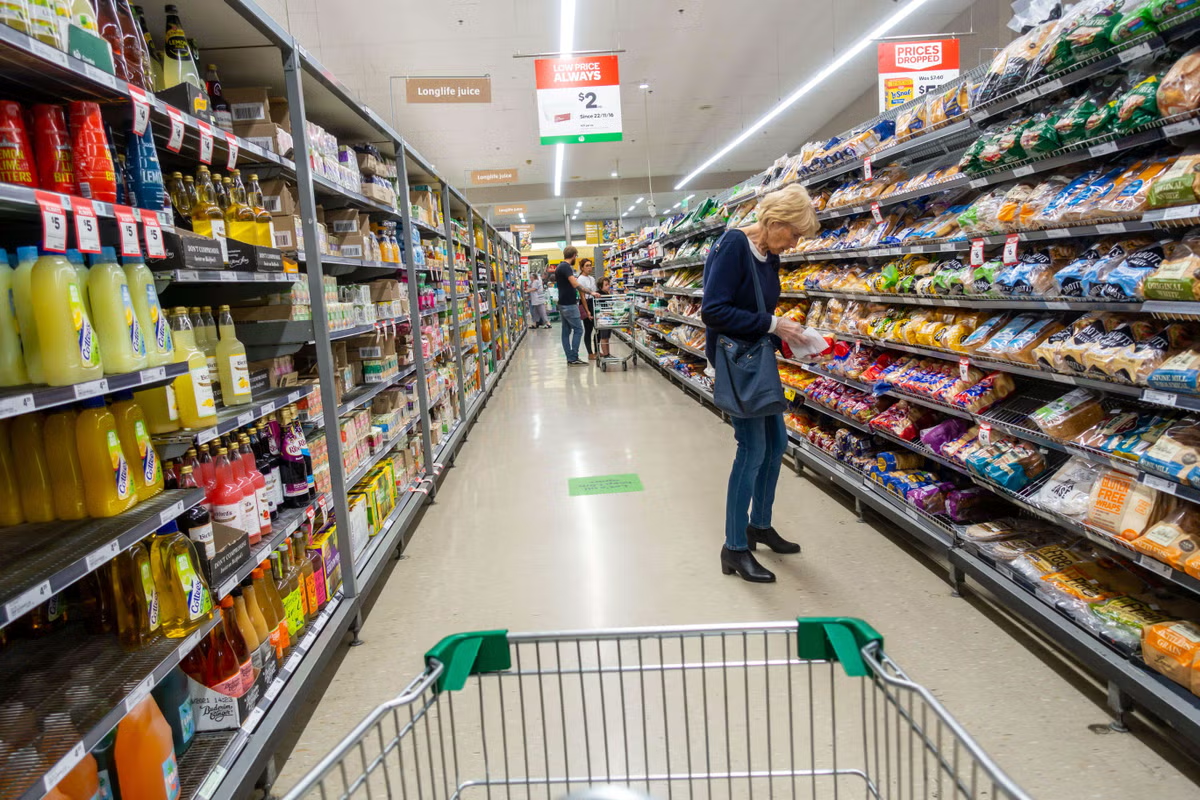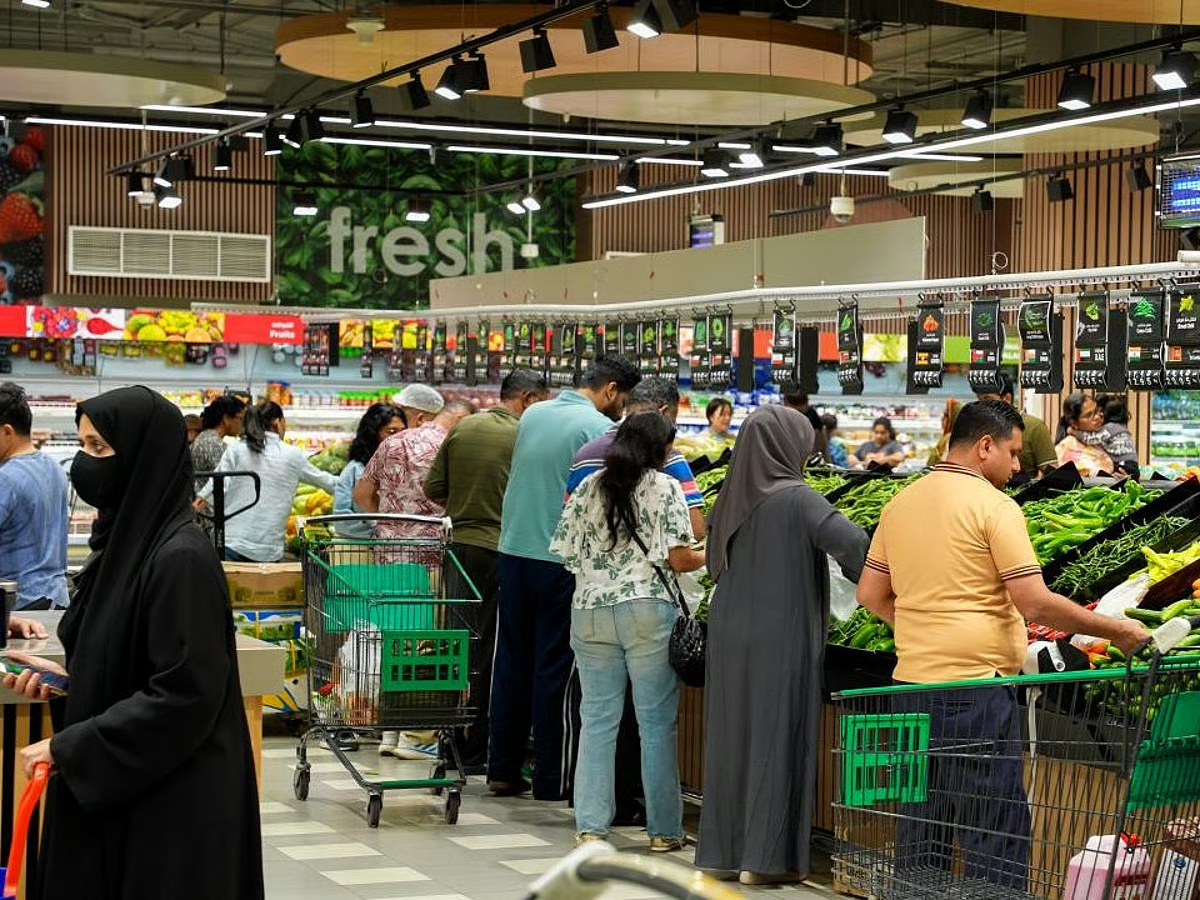
Hundreds of price cuts will take effect on supermarket shelves on Monday, August 31, following a government initiative aimed at curbing, at least partially, the wave of high prices.The initiative takes on particular significance as soaring oil and natural gas prices threaten to fuel inflation further, especially amid the latest developments in the Middle East and Ukraine, which point to heightened international tensions and their potential impact, among other things, on the cost of producing, distributing and pricing goods.However, the government initiative has one significant drawback: consumers standing in front of supermarket shelves with discounted products will not know either what the original prices were or by what percentage they have been reduced — and therefore how much cheaper they are actually buying them. They will see only the final prices and signage indicating that the products are part of the government initiative.As for the scale of the price cuts, according to information obtained by “Naftemporiki”, they will average just 6%, a figure that includes contributions from both suppliers and supermarket chains themselves.The initiative has, as expected, also attracted the attention of the prime minister, who called on the market to contribute to the broader effort to contain inflationary pressures. At the same time, Development Minister Takis Theodorikakos, working with the leadership of the Independent Authority for Market Control, has launched an informal dialogue aimed at reaching an agreement on coordinated price reductions for branded consumer goods, primarily high-demand products — that is, products generating significant turnover in organised retail.This summer has been particularly intense in terms of consultations between the government and the market, as both sides sought to ensure the initiative’s success. The first results will become visible from Monday, although their effectiveness will ultimately be assessed over time, as the initiative is expected to remain in place, judging by the government’s approach, amid an increasingly pre-election climate.Naftemporiki took a virtual “walk” through some of the largest retail chains and gathered data to provide a snapshot — before stores open on Monday morning — of what consumers can expect to see on supermarket shelves in terms of products subject to price reductions as part of the government initiative. The data, provided exclusively to N, show the following:More than 70 companies supplying supermarkets with products have announced price reductions. The total number of product lines subject to reduced prices exceeds 1,300.The vast majority — more than 850 product lines — concern everyday essentials. Given the time of year, several hundred discounted school-supply products have also been added to the list, along with a few dozen private-label products.
Price cuts on more than 850 products: "N" takes a virtual "walk" through supermarket shelves
The initiative takes on particular significance as soaring oil and natural gas prices threaten to fuel inflation further, especially amid the latest
723 words~3 min read