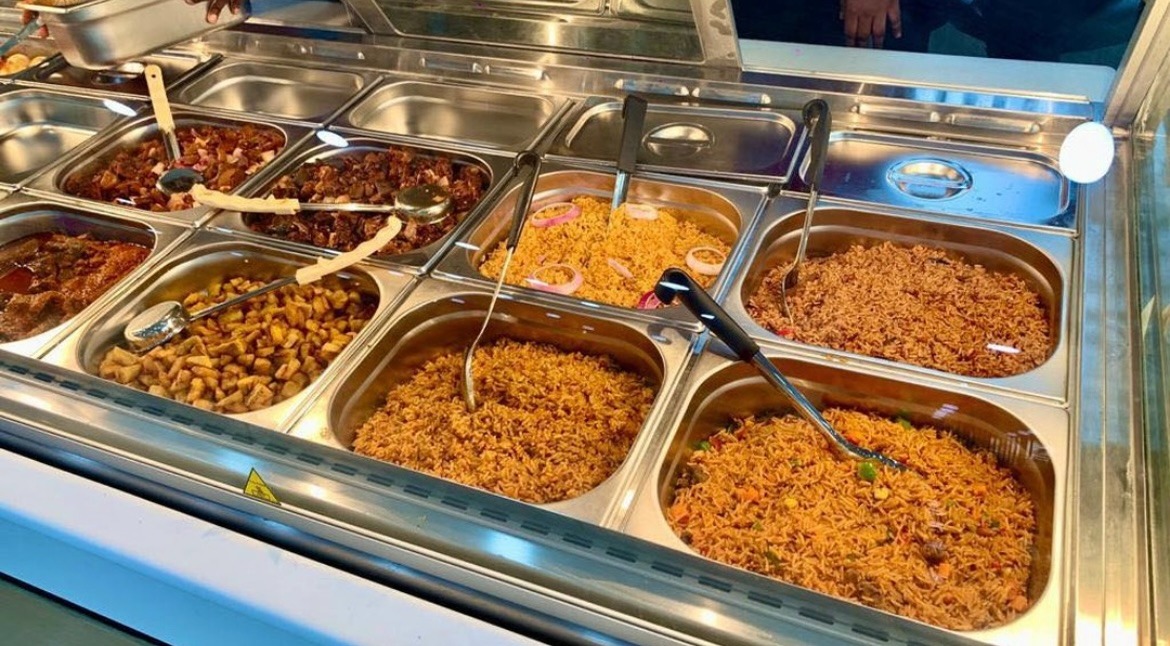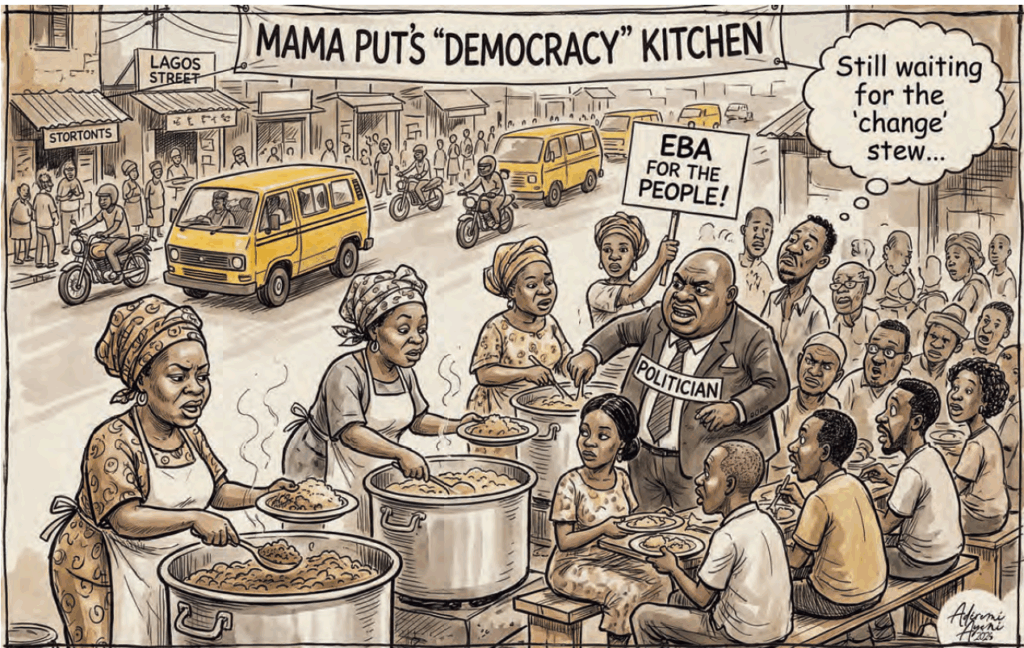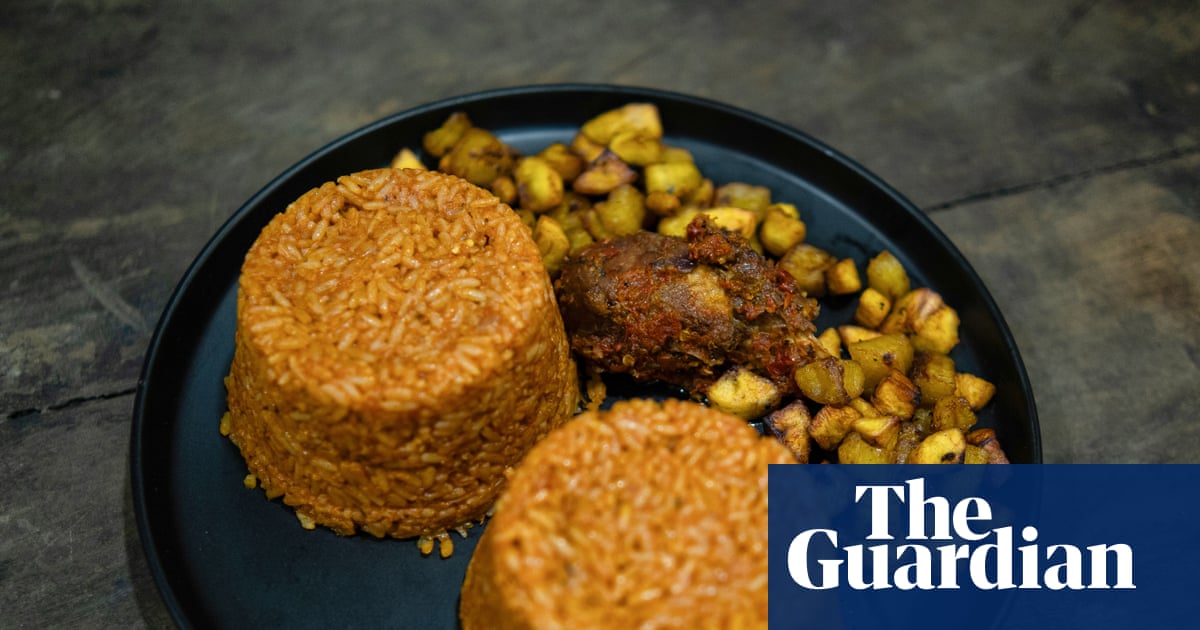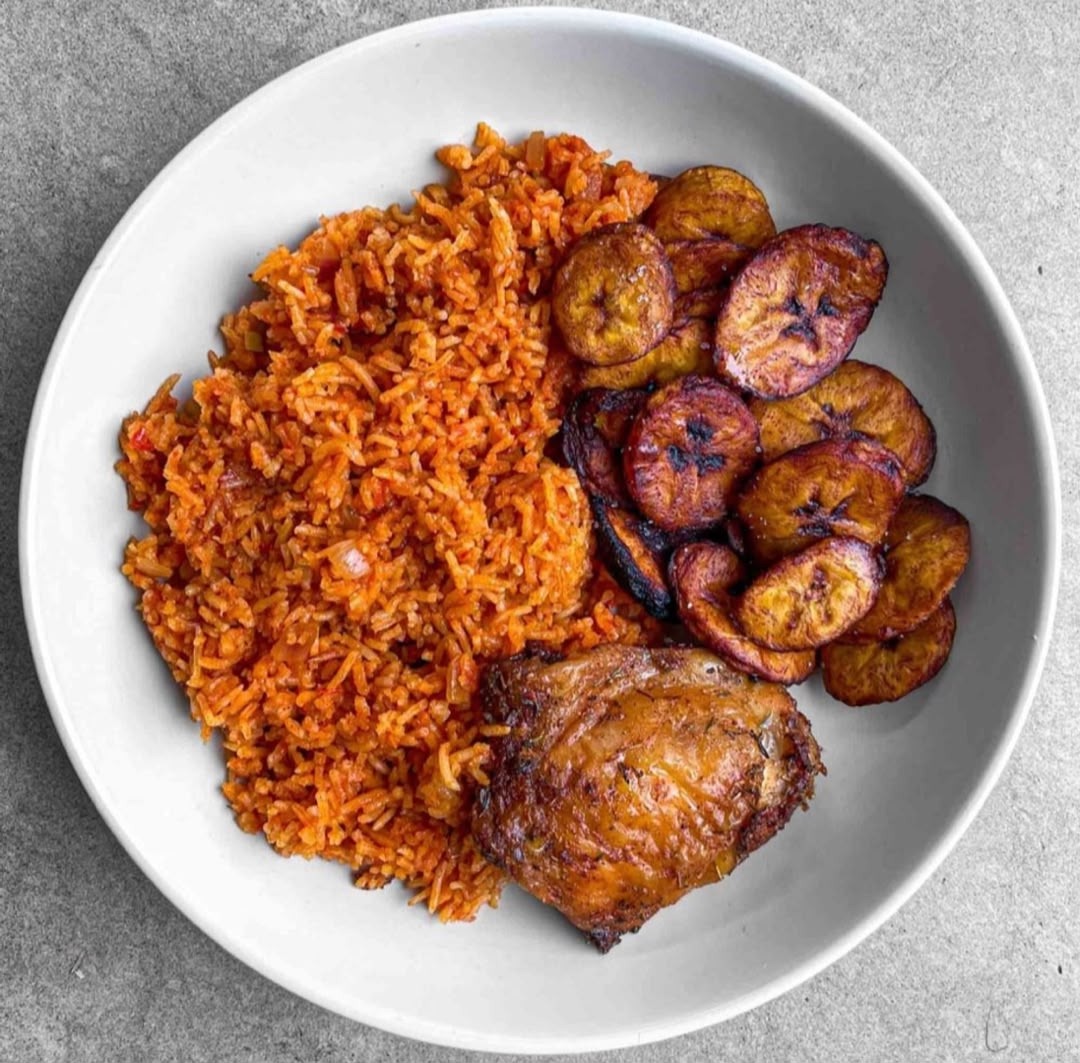
Ikeja. A roadside stall. The evening air thick with the aroma of sizzling suya, steaming amala, and pepper soup. I sat there, one of those occasional roadside meals that still feel like a small act of normalcy in a country where the cost of living has rewritten daily life. Then a well-dressed woman approached the seller. She explained that she was expecting a transfer that had not yet landed. She would pay as soon as it came in.
For a moment I thought the seller would refuse. Instead, without blinking, she sold and packed the food for the woman to take away. I was aghast. “Do you know her?” I asked. “She comes here on occasion,” the seller replied simply.
That small act of trust, repeated across countless street corners, markets, and junctions in Lagos and beyond, captures something profound about this moment in Nigeria. Grocery stores and formal food sellers have become lifelines for many families. But the real MVPs of this season are the street food sellers. These are the women and men who stretch ingredients, keep prices affordable, and extend credit quietly when the bank alert refuses to come.
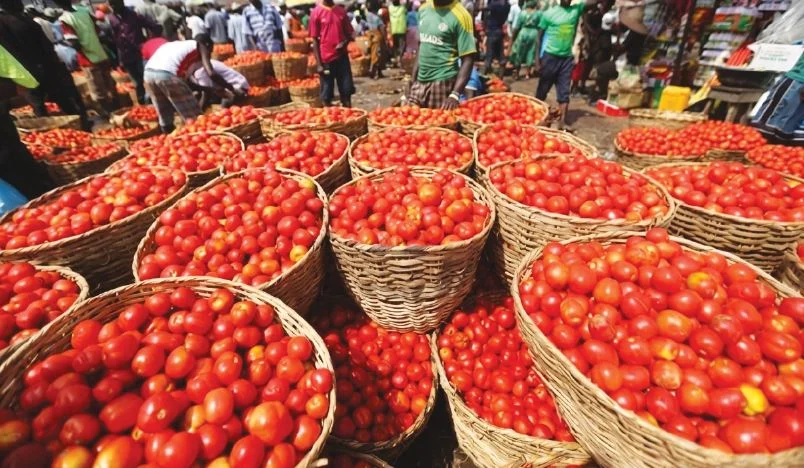
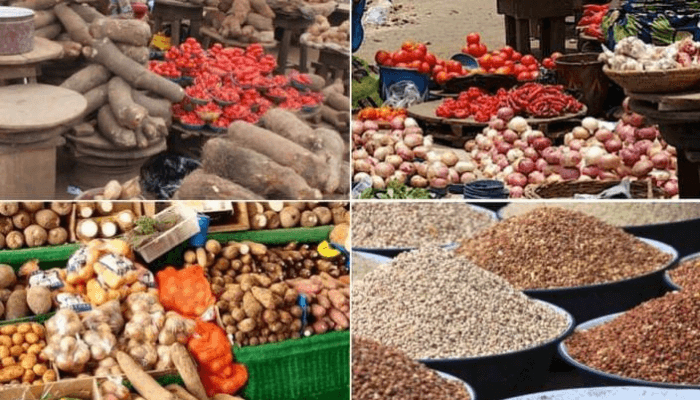
Today, food inflation remains stubbornly high. The National Bureau of Statistics reveal that food inflation stood at 20.31 per cent year-on-year in July 2026, up from 17.52 per cent in June. This is the highest reading in about ten months. Month-on-month, it accelerated to 5.56 per cent. Headline inflation eased slightly to 15.43 per cent, but the divergence is telling: overall prices are moderating while the cost of the food that dominates household budgets continues to climb. Rice, tomatoes, garri, plantain, beef, eggs, onions, pepper and other staples drove the latest rise.