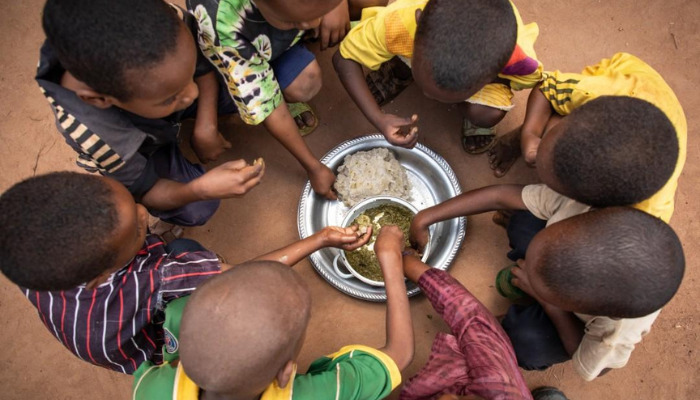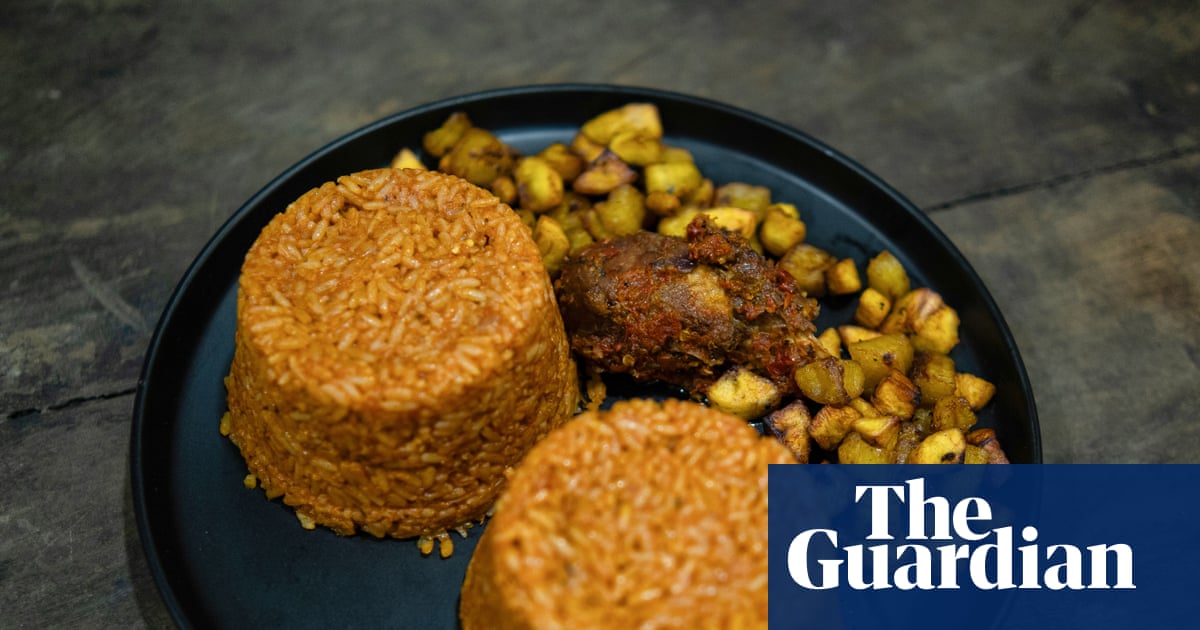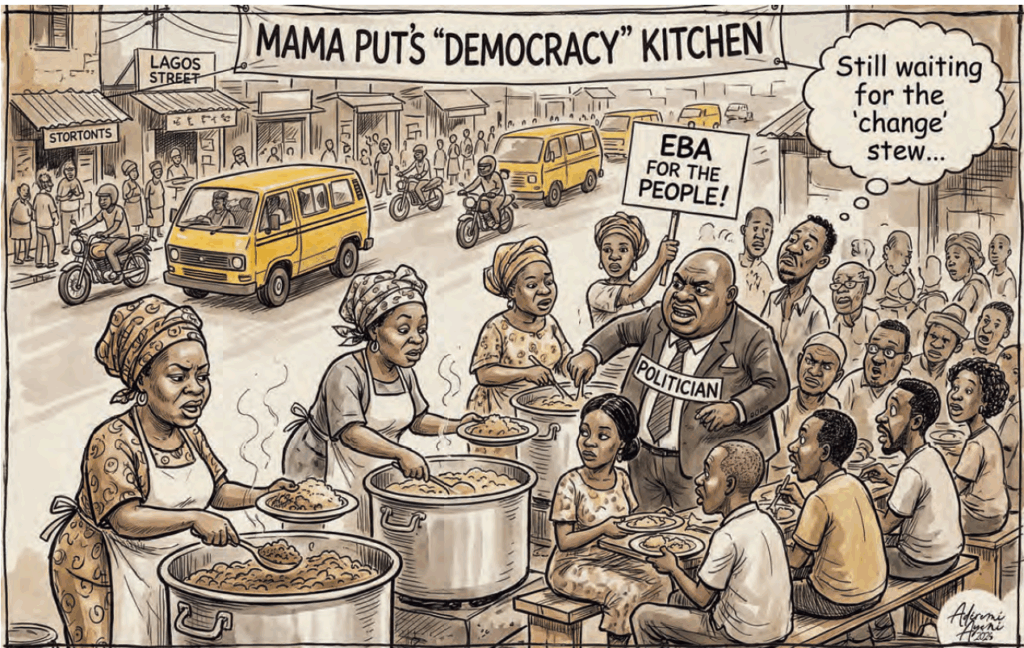
One of the most visible features of Nigerian cities today is the roadside canteen popularly known as Mama Put. These small informal eateries have become central to how millions of Nigerians access their daily meals. Operating with basic wooden benches and wide metal trays displaying rice, beans, eba, spaghetti and stew, they now squeeze between buildings, line residential streets and occupy almost every available open space. Their rapid expansion is not simply a change in eating habits. It is an economic indicator showing how many Nigerian households are moving away from household food production towards survival consumption.
This shift reflects Nigeria’s changing socio-economic reality, where declining purchasing power, rising food prices, high transport costs, expensive cooking gas, unreliable electricity and irregular incomes are making it difficult for many households to cook at home. Under these conditions, buying ingredients in bulk becomes difficult. Spending a few hundred naira on a prepared meal often appears more manageable than purchasing everything required to cook at home.
This is not necessarily because eating outside is cheaper. In many cases, households spend as much, or even more, buying prepared meals over time than they would cooking for themselves. What Mama Put offers is flexibility. Meals can be purchased in portions as small as ₦200 or ₦500, allowing people to match food expenditure with whatever cash is available that day. Some vendors even extend informal credit, allowing trusted customers to eat first and pay later. The attraction, therefore, is less about lower prices than about managing uncertain cash flow.