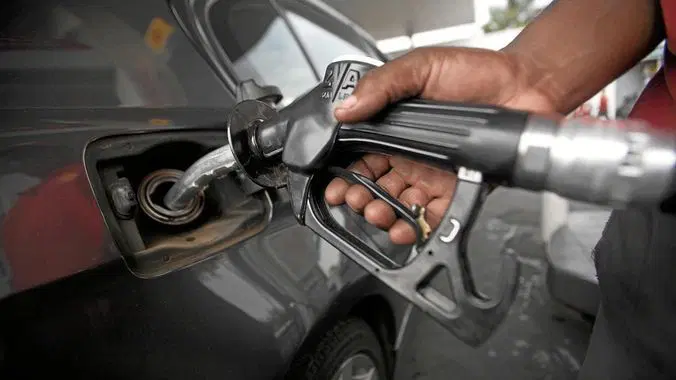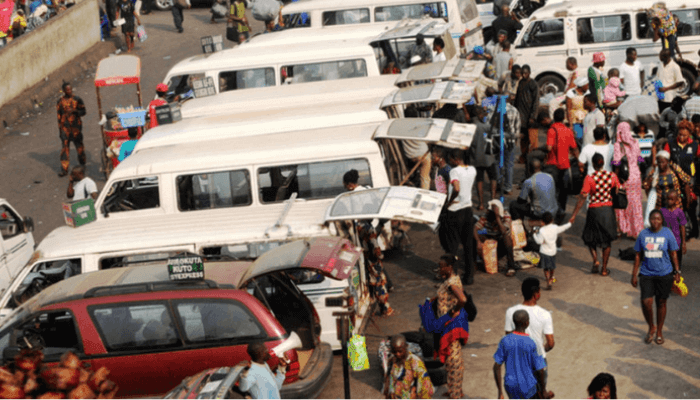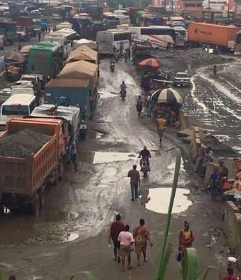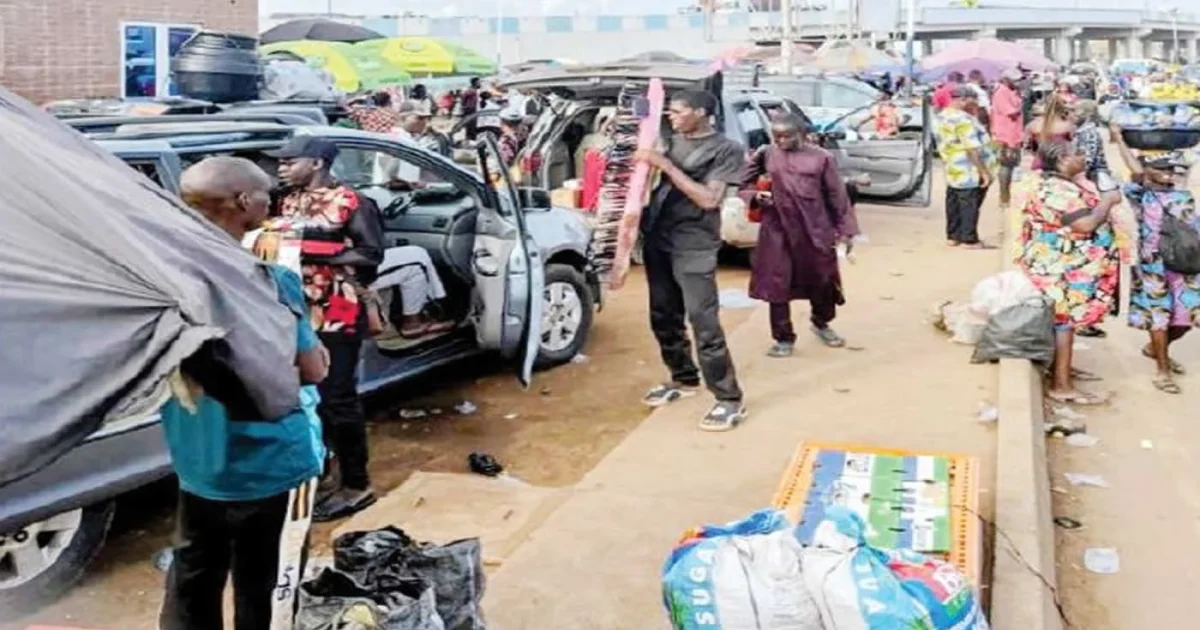
In Asaba, Delta State, its motor parks are already bustling with activities, before dawn breaks. Drivers, mechanics, food vendors, conductors and passengers begin another day of work, each confronting the harsh realities of rising fuel costs, inflation, poor roads and shrinking incomes. In this report, EFECHA GOLD explores how Nigeria’s economic challenges are playing out in one of the country’s busiest transport hubs, where resilience keeps people—and the nation—moving
Before sunrise, Asaba’s motor parks are already alive. Conductors shout destinations, drivers inspect their buses, mechanics tighten bolts, food vendors prepare breakfast and passengers scramble for seats. But beneath the familiar bustle lies a harsher reality.
For the thousands of people who depend on the motor park for survival, every day is a battle against soaring fuel prices, inflation, poor roads and dwindling incomes. Drivers struggle to keep their vehicles on the road, mechanics worry about unsafe buses delayed by costly repairs, food vendors watch customers disappear, while passengers think twice before making journeys they once took for granted.
A day spent at Summit and Koka motor parks in Asaba reveals more than Nigeria’s transport system—it offers a window into an economy where hardship has become routine, yet resilience remains the one commodity that has not run out.