Serving tech enthusiasts for over 25 years.
TechSpot means tech analysis and advice you can trust.
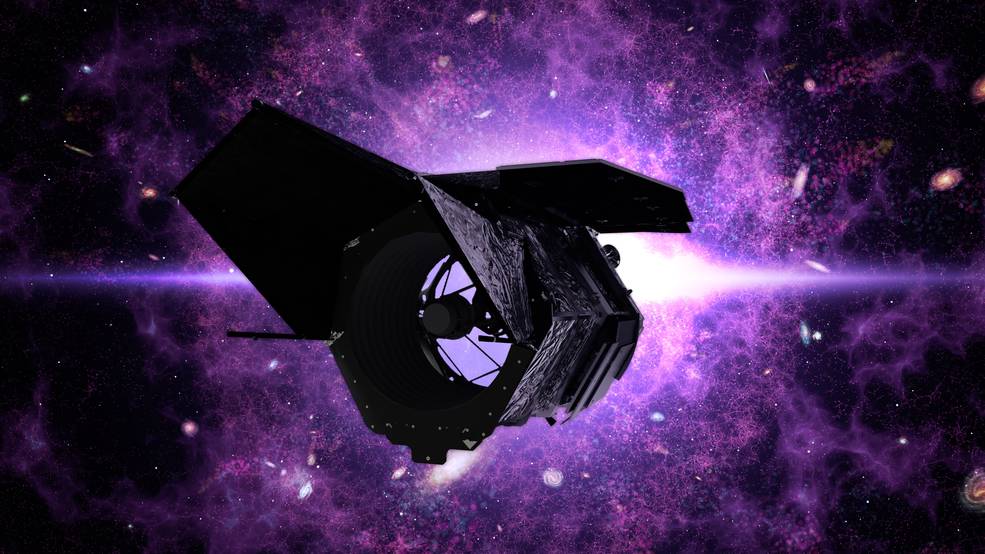
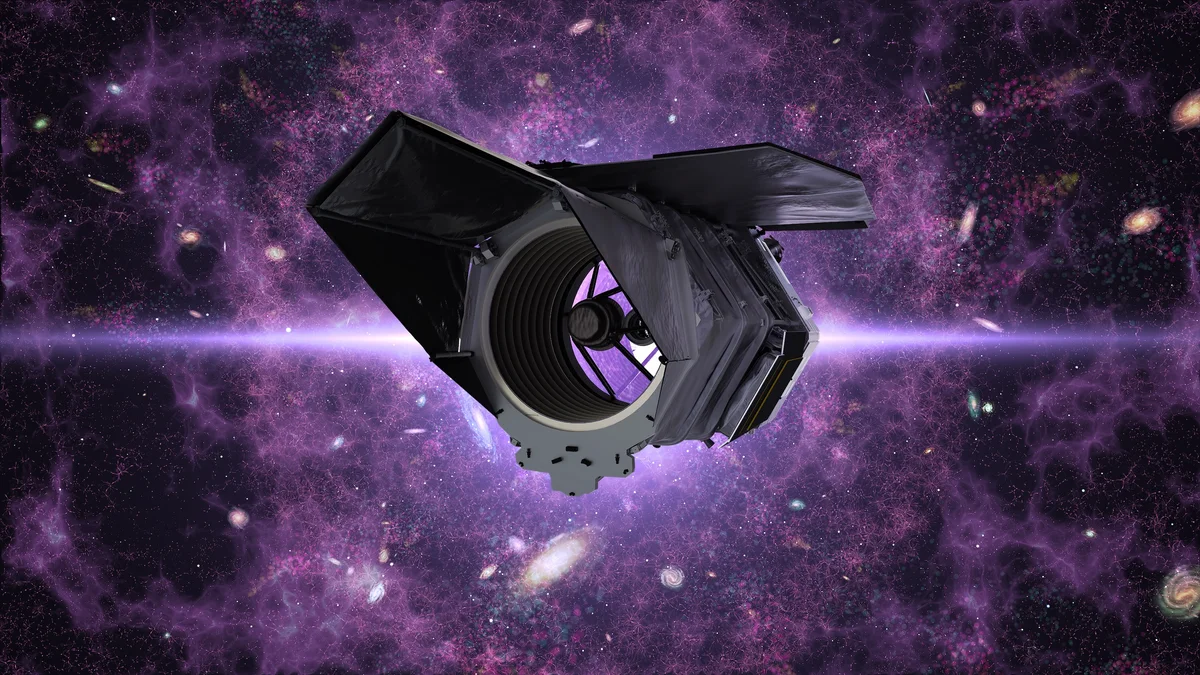
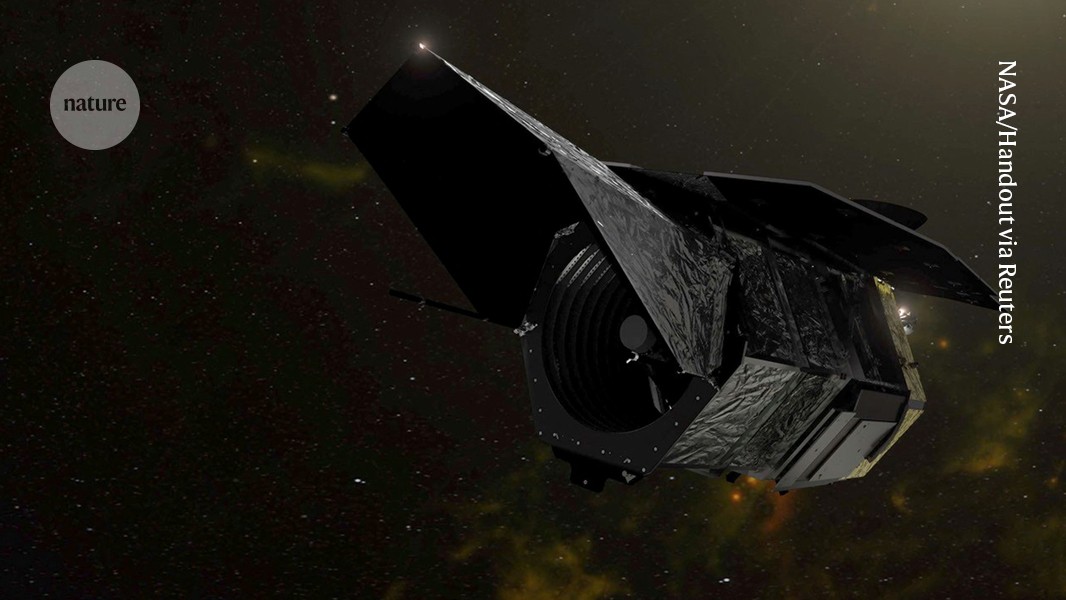
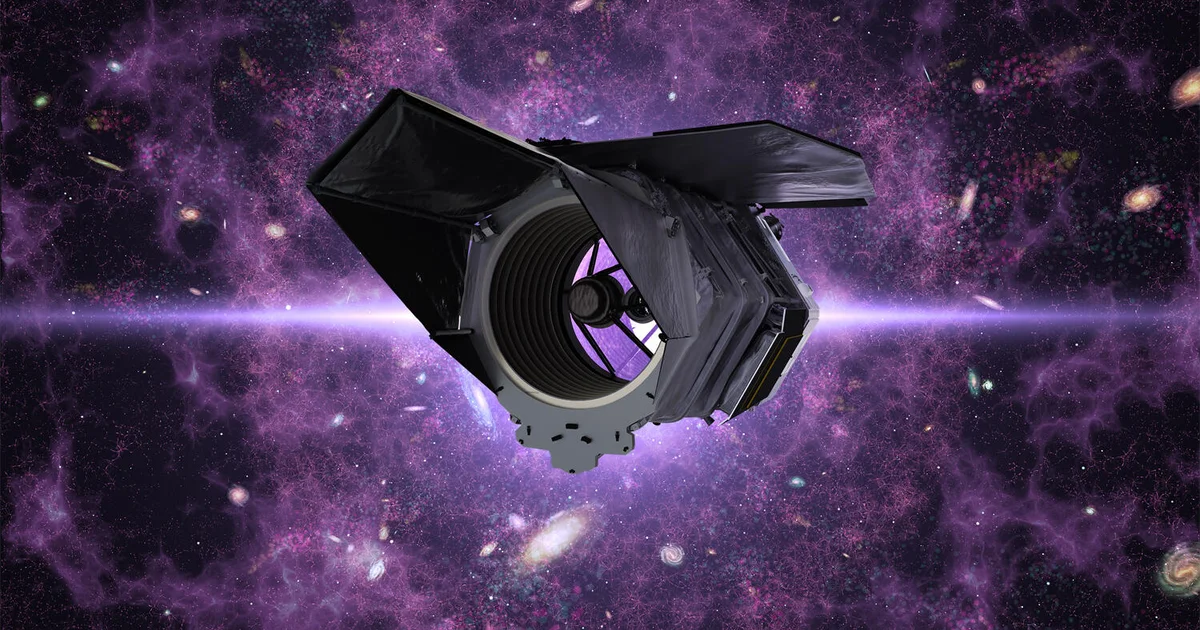
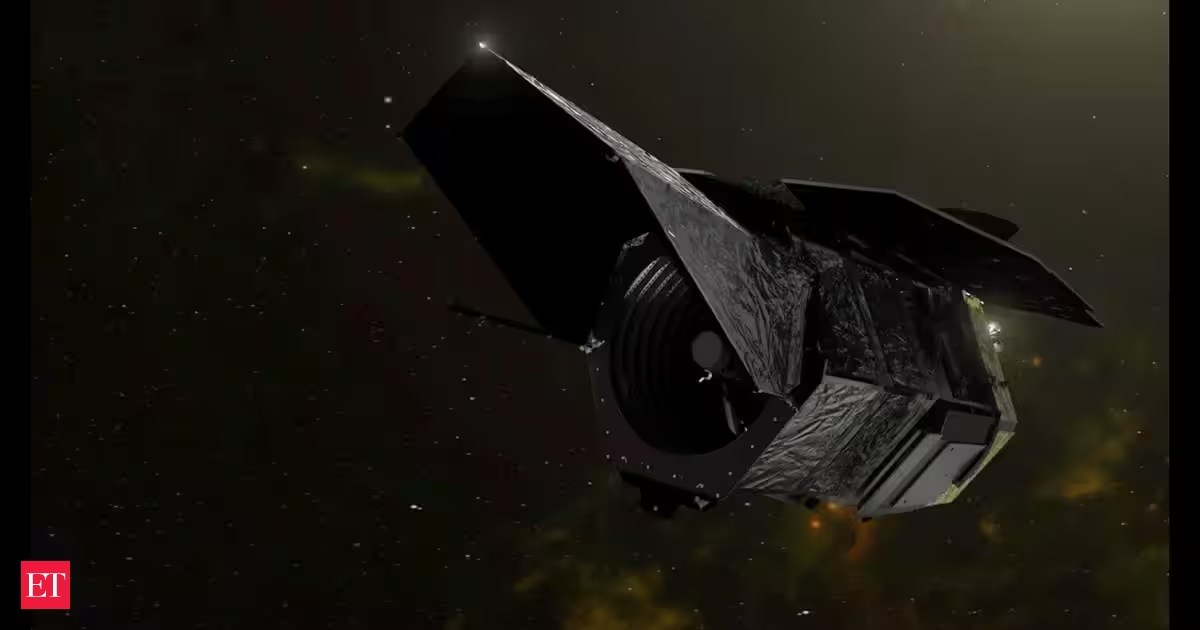
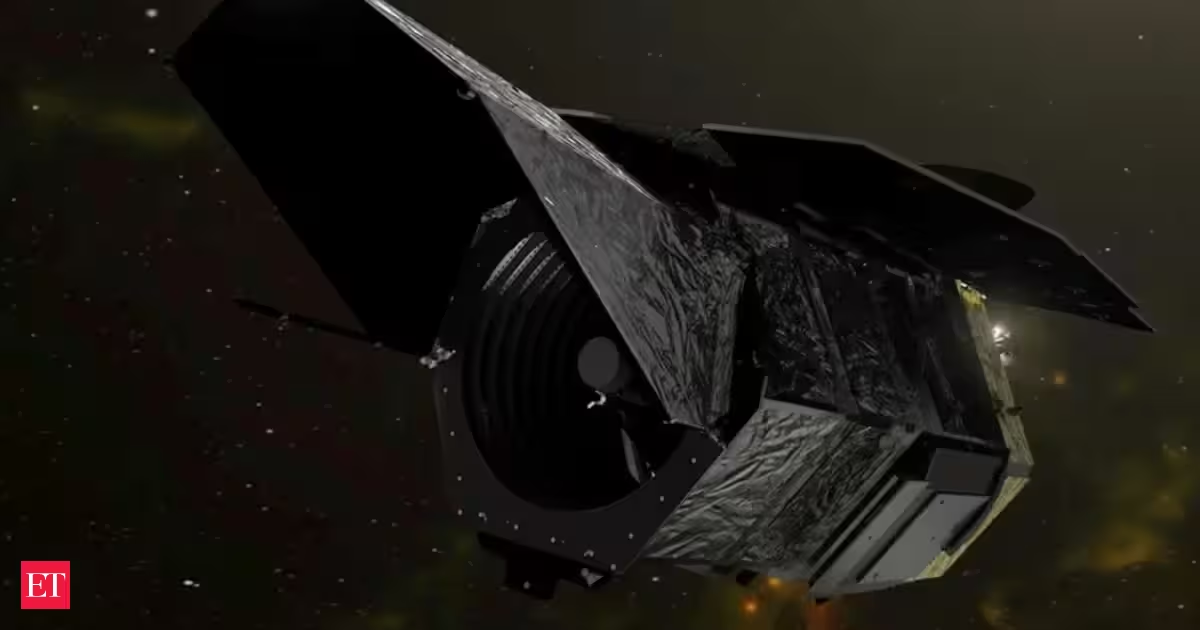
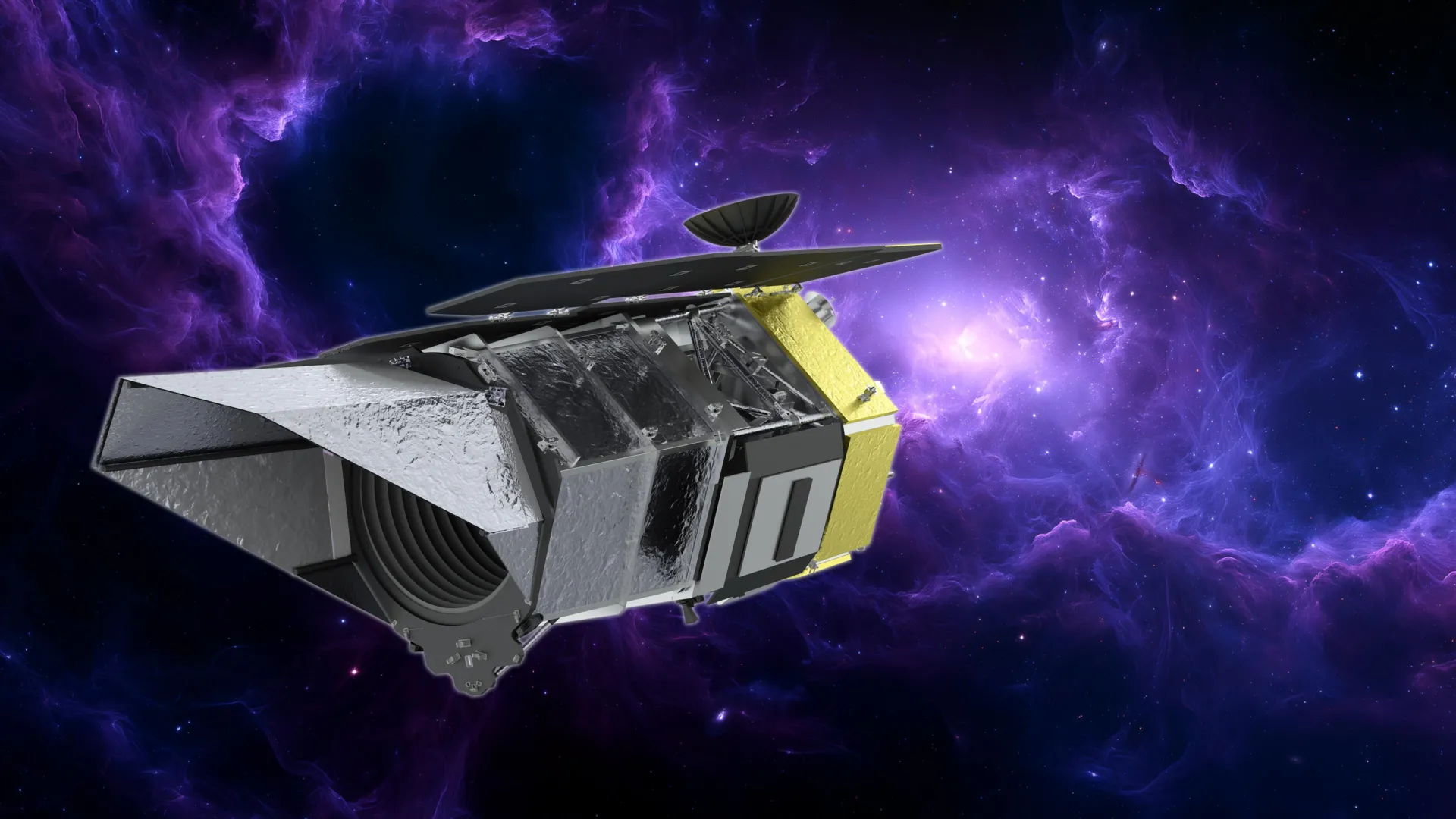
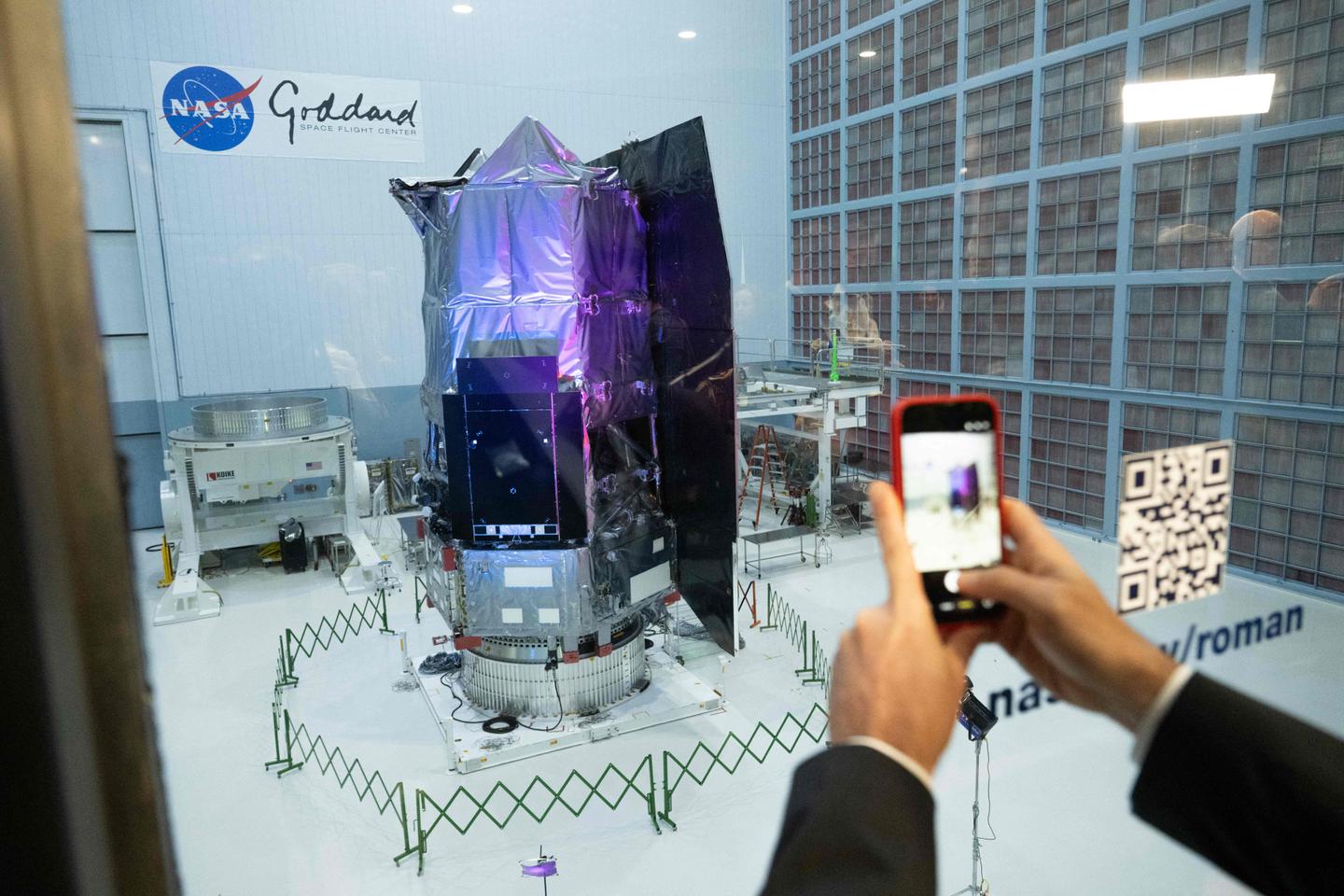
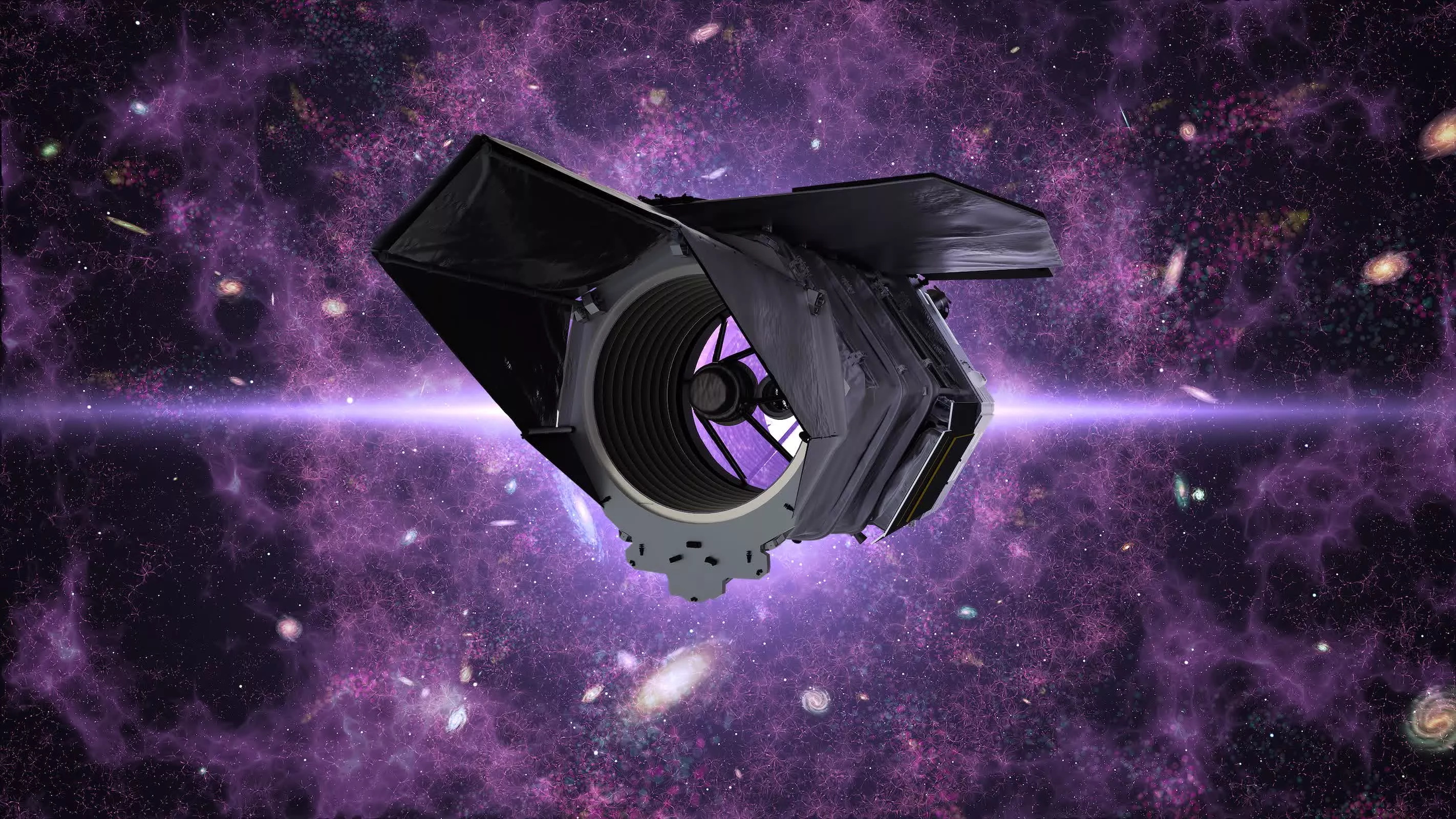
Why it matters: NASA launched the Nancy Grace Roman Space Telescope on Sunday, adding a wide-field infrared observatory to the growing fleet of space telescopes designed to tackle some of astronomy's biggest unanswered questions. Roman will map billions of stars and galaxies, search for an estimated 100,000 exoplanets, and collect data that could help researchers better understand the roles of dark matter and dark energy. Its key advantage is not simply its resolution, but the amount of sky it can cover in a single observation.
The telescope carries a 2.4-meter primary mirror, the same size as Hubble's. But its Wide Field Instrument is designed for a different kind of work. The 300-megapixel camera uses 18 detectors to capture a much broader image, giving Roman a field of view at least 100 times larger than Hubble's and allowing it to survey the sky up to 1,000 times faster.
That scale will make Roman as much a data-gathering platform as an observatory for selected targets. A single full-resolution Roman image would require more than 500,000 high-definition television screens to display. Its images will cover about 0.28 square degrees of sky at a time, more than the apparent area of the full Moon.