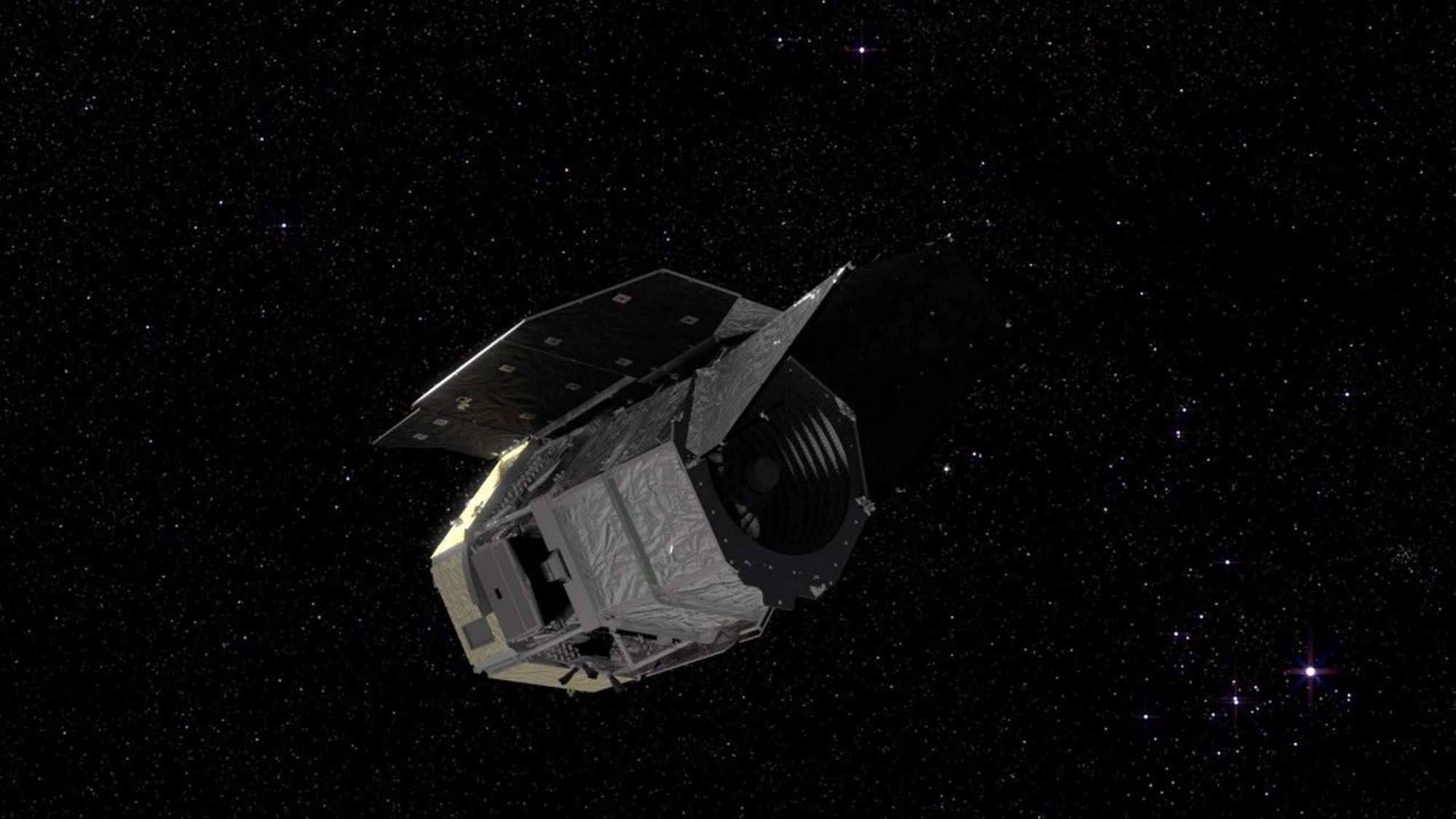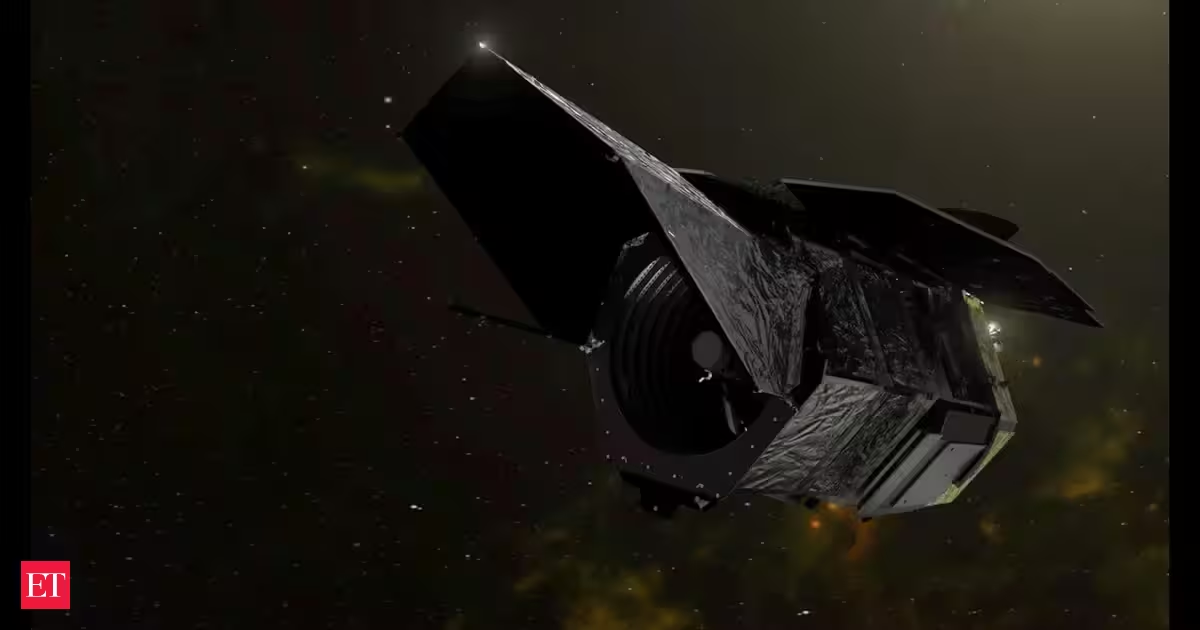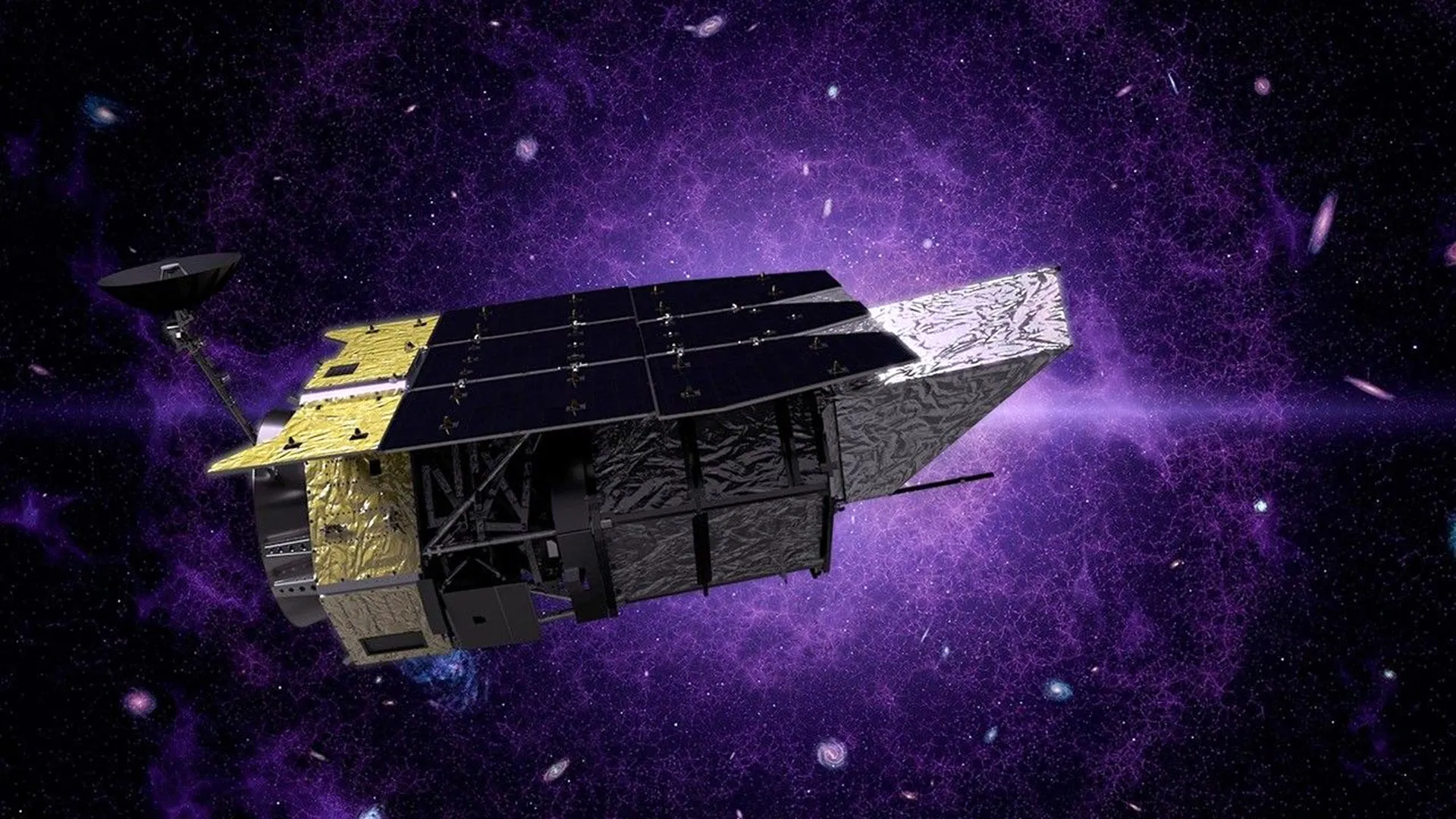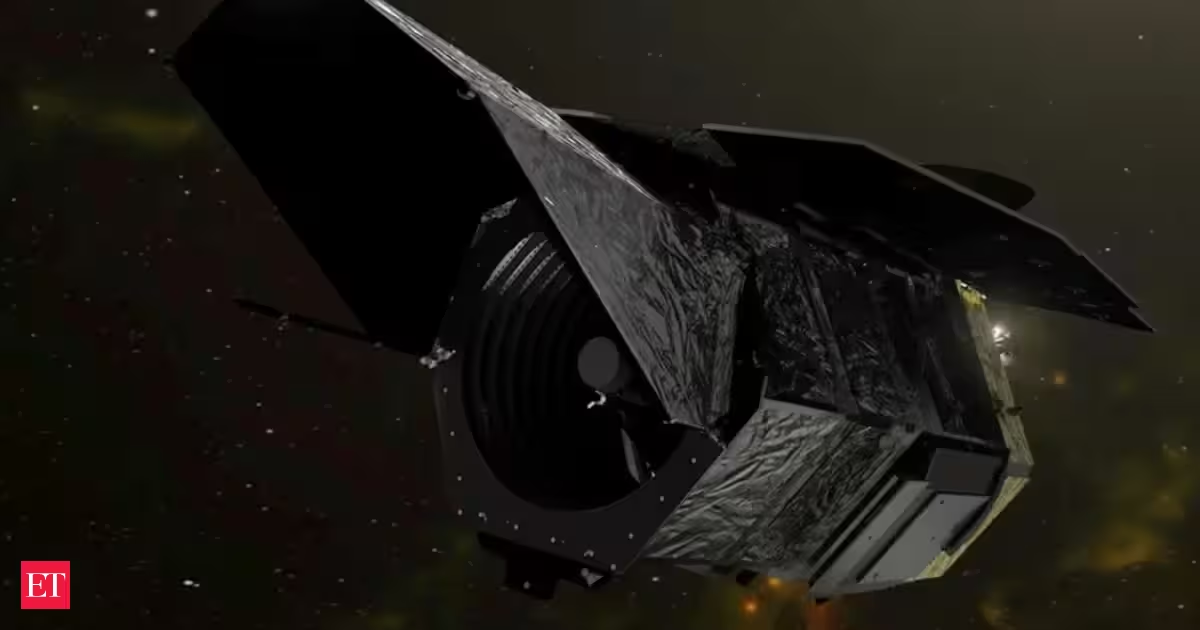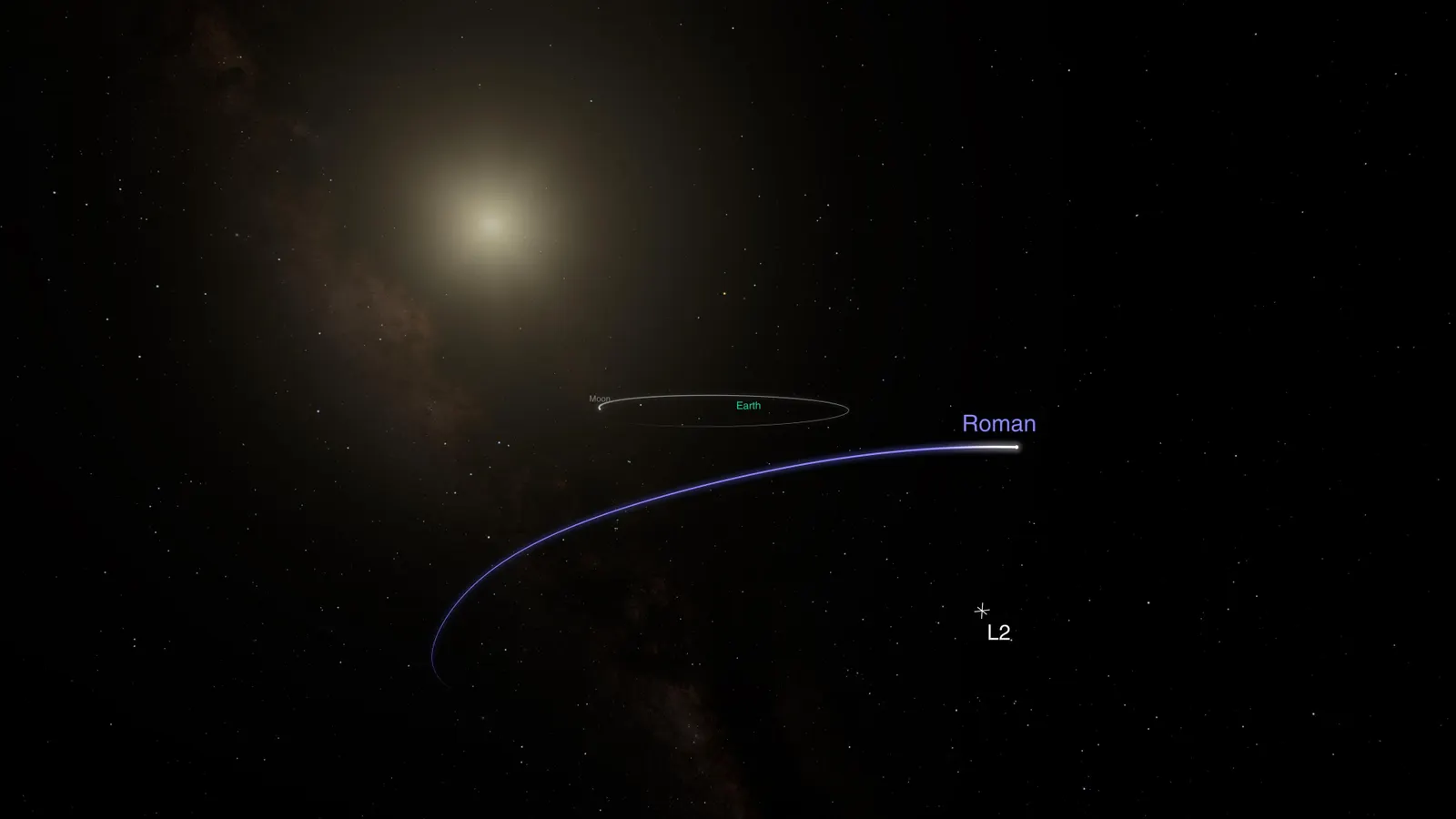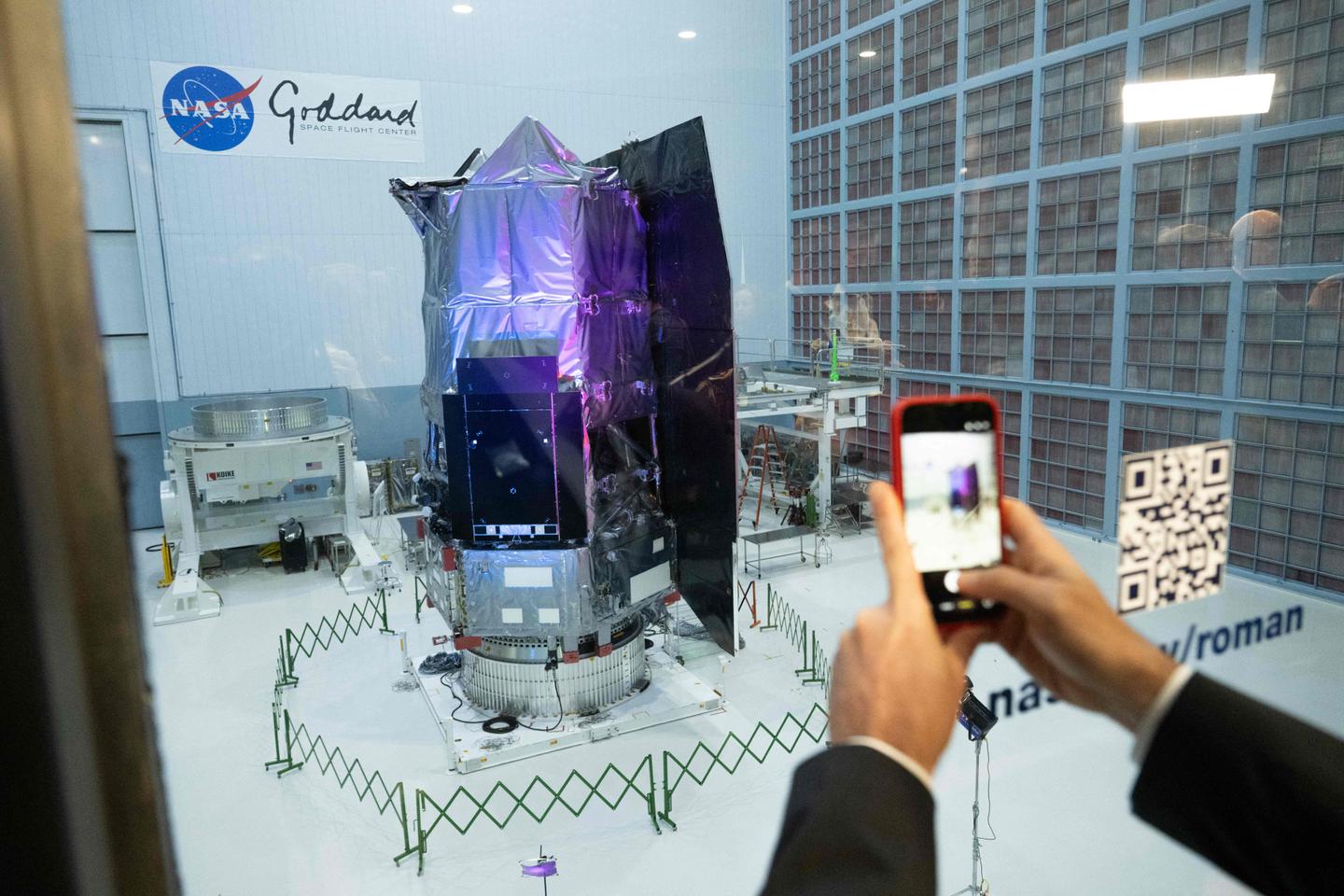
NASA's Nancy Grace Roman Space Telescope is now just two days from launch, marking the arrival of the agency's next flagship astrophysics mission after the James Webb Space Telescope. University of Arizona faculty and students will be watching from Cape Canaveral as Roman begins its journey toward science operations, which are expected to start in January 2027.
Unlike Webb, which was built to study relatively small regions of the universe in extraordinary depth, Roman is designed to survey vast areas of the sky quickly. Both observatories can detect infrared light, giving astronomers the ability to compare and combine their observations. Used together, the two missions could reveal far more about the universe than either telescope could on its own.
A Hubble-Sized Mirror With a Much Wider View
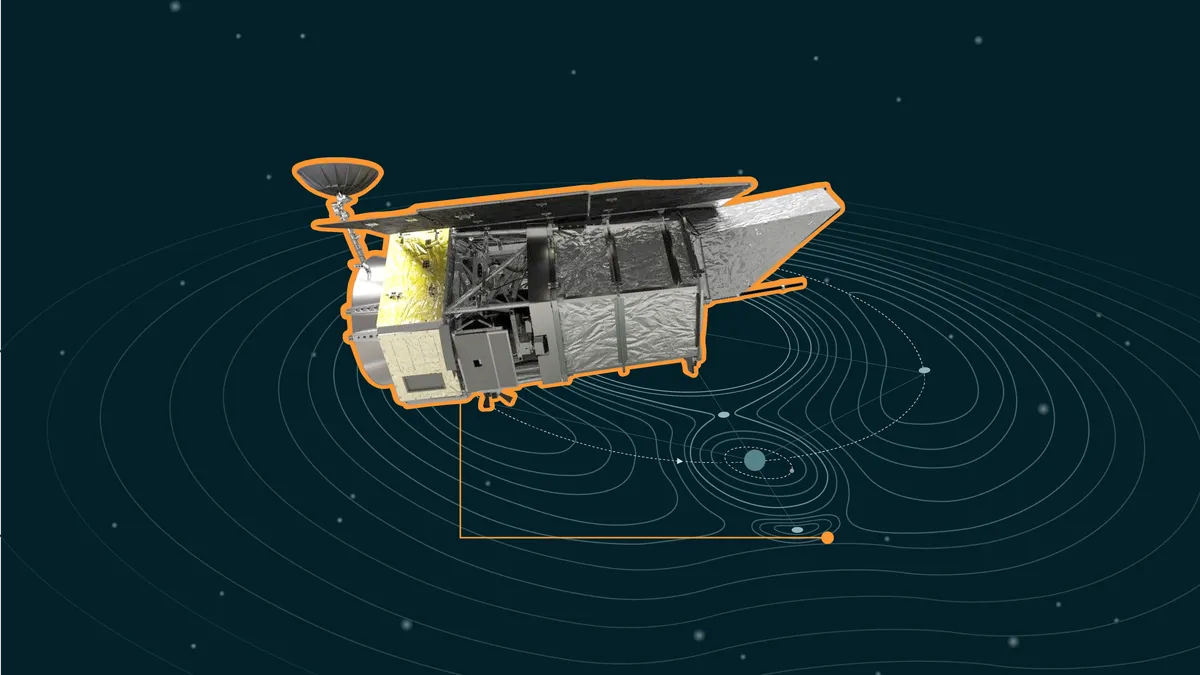
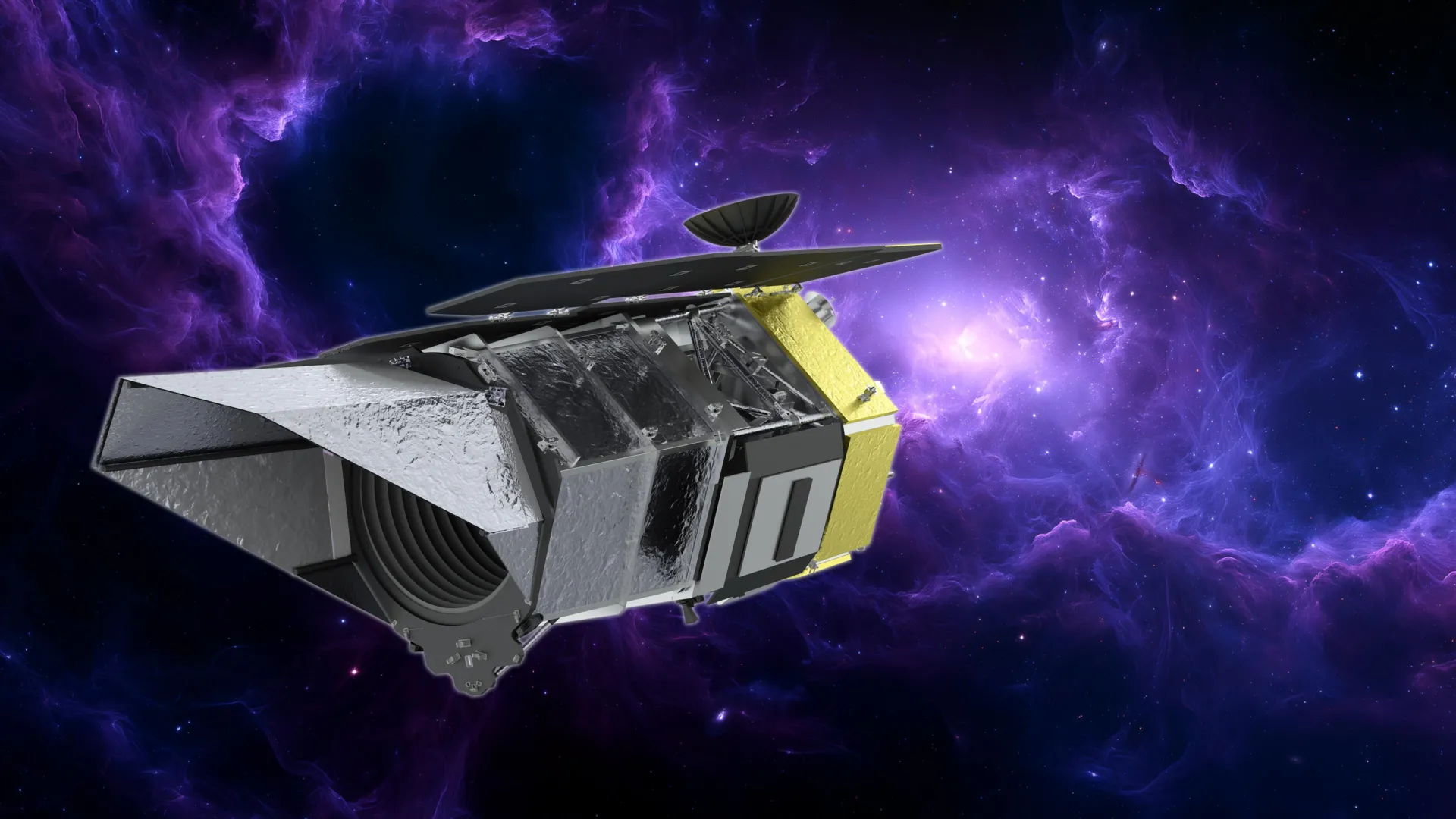
Roman has a 7.9-foot primary mirror, the same diameter as the Hubble Space Telescope's, along with two major scientific instruments. Its Coronagraph Instrument will block and filter the light from stars so astronomers can study exoplanets and disks around them. Its Wide Field Instrument is designed to match the sensitivity of Hubble's cameras while imaging an area 100 times larger.
Over more than 30 years, Hubble has observed roughly 0.1% of the night sky. Roman, by comparison, has the potential to survey the entire sky at the same resolution.