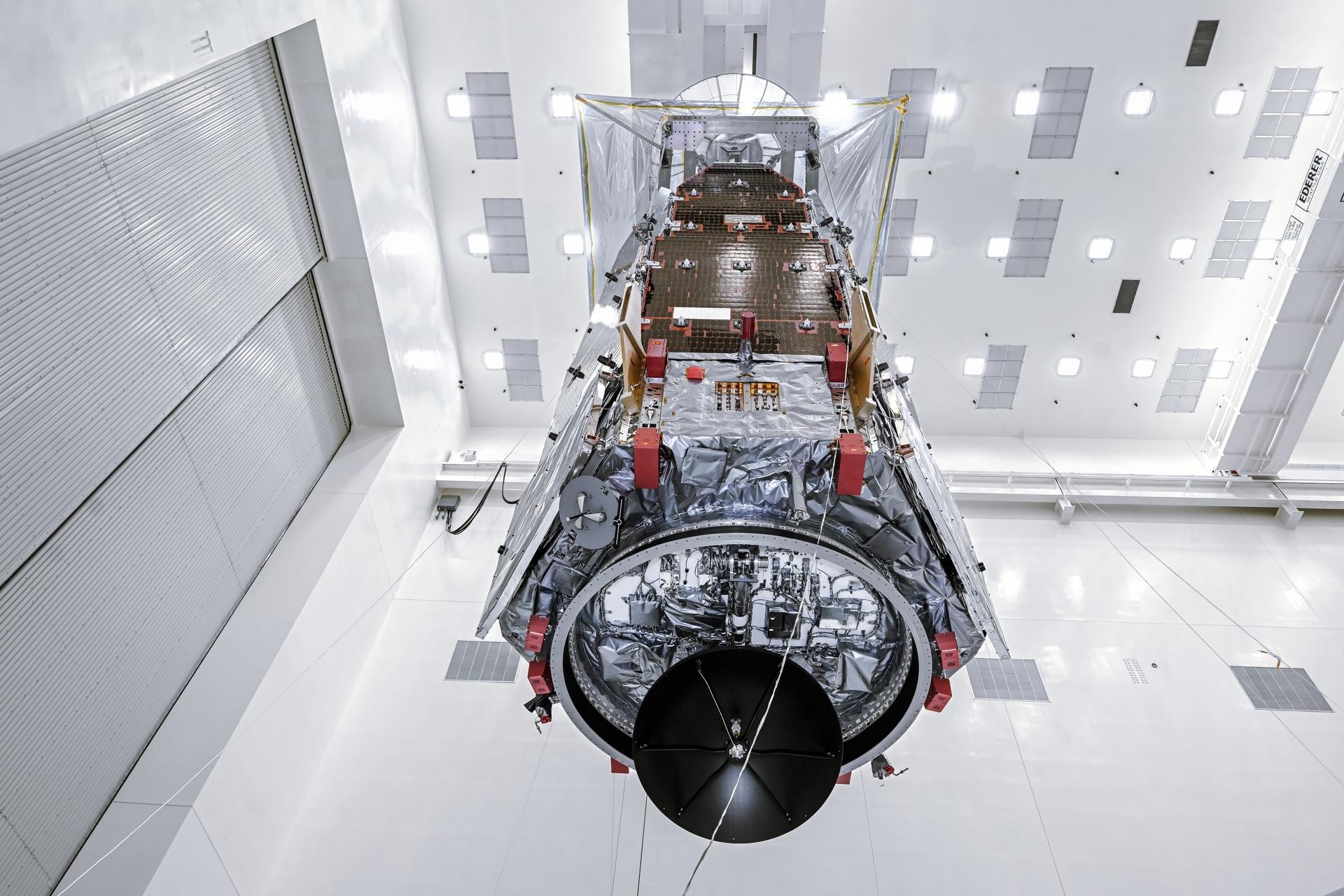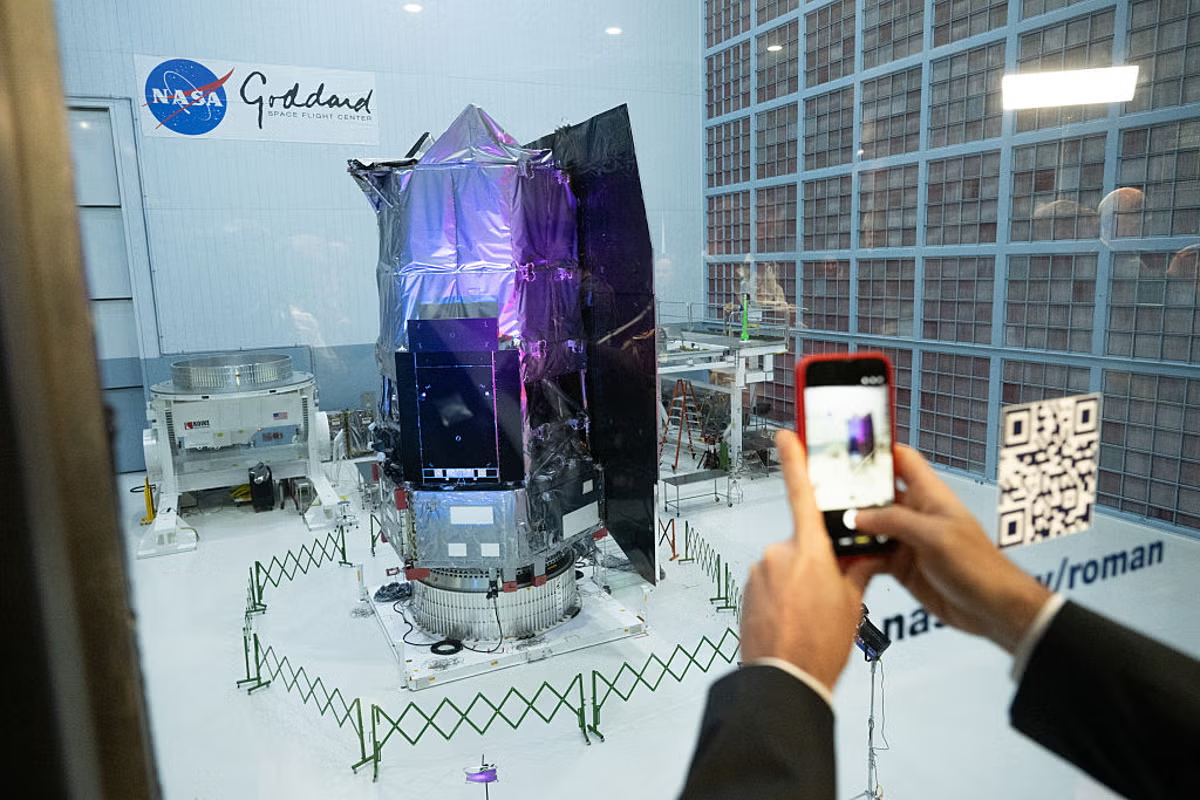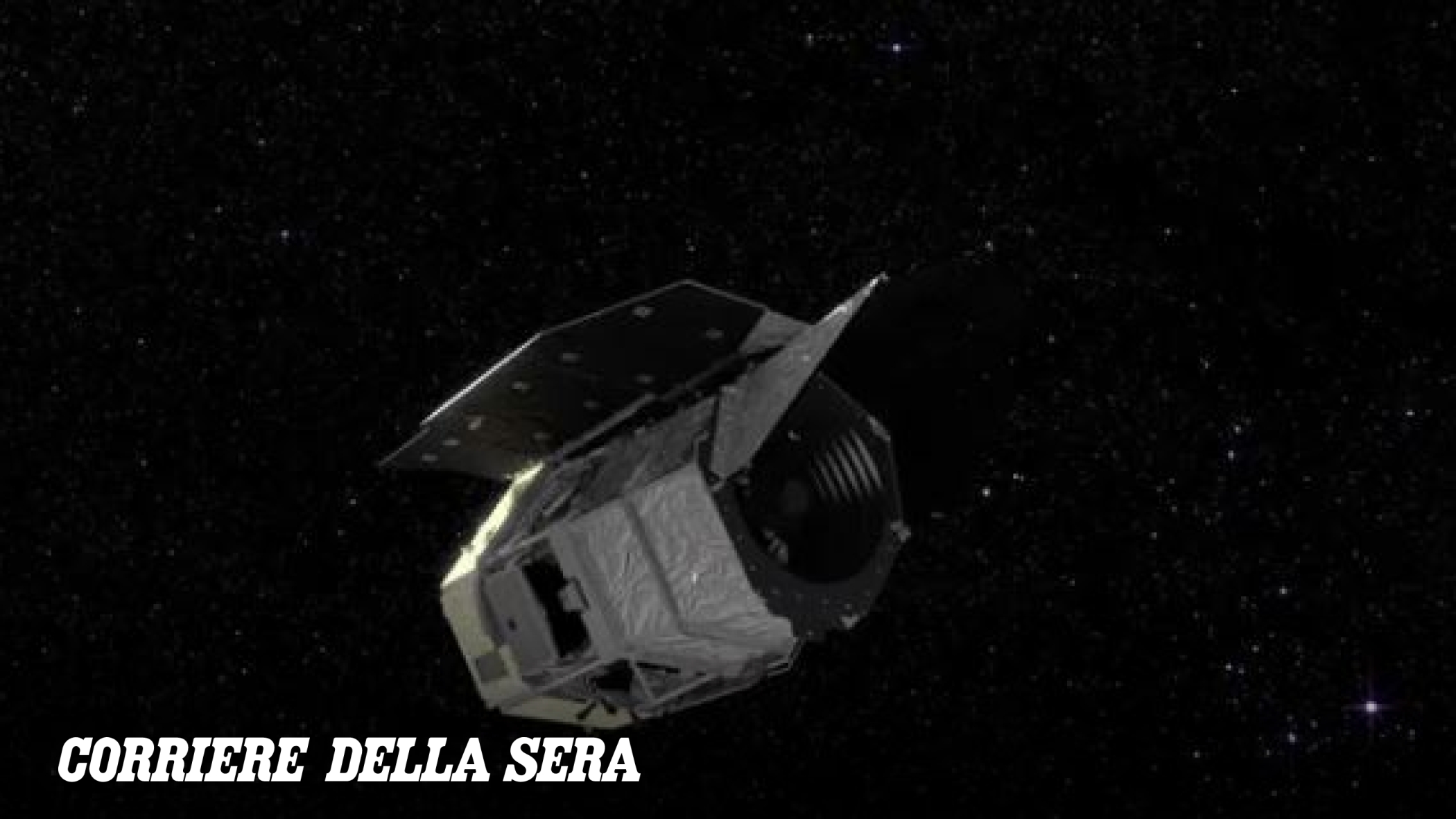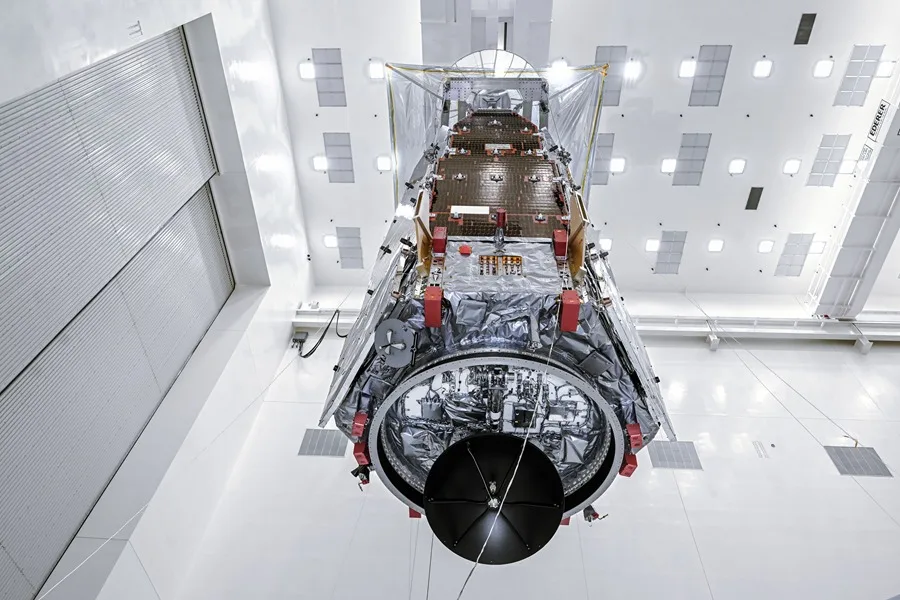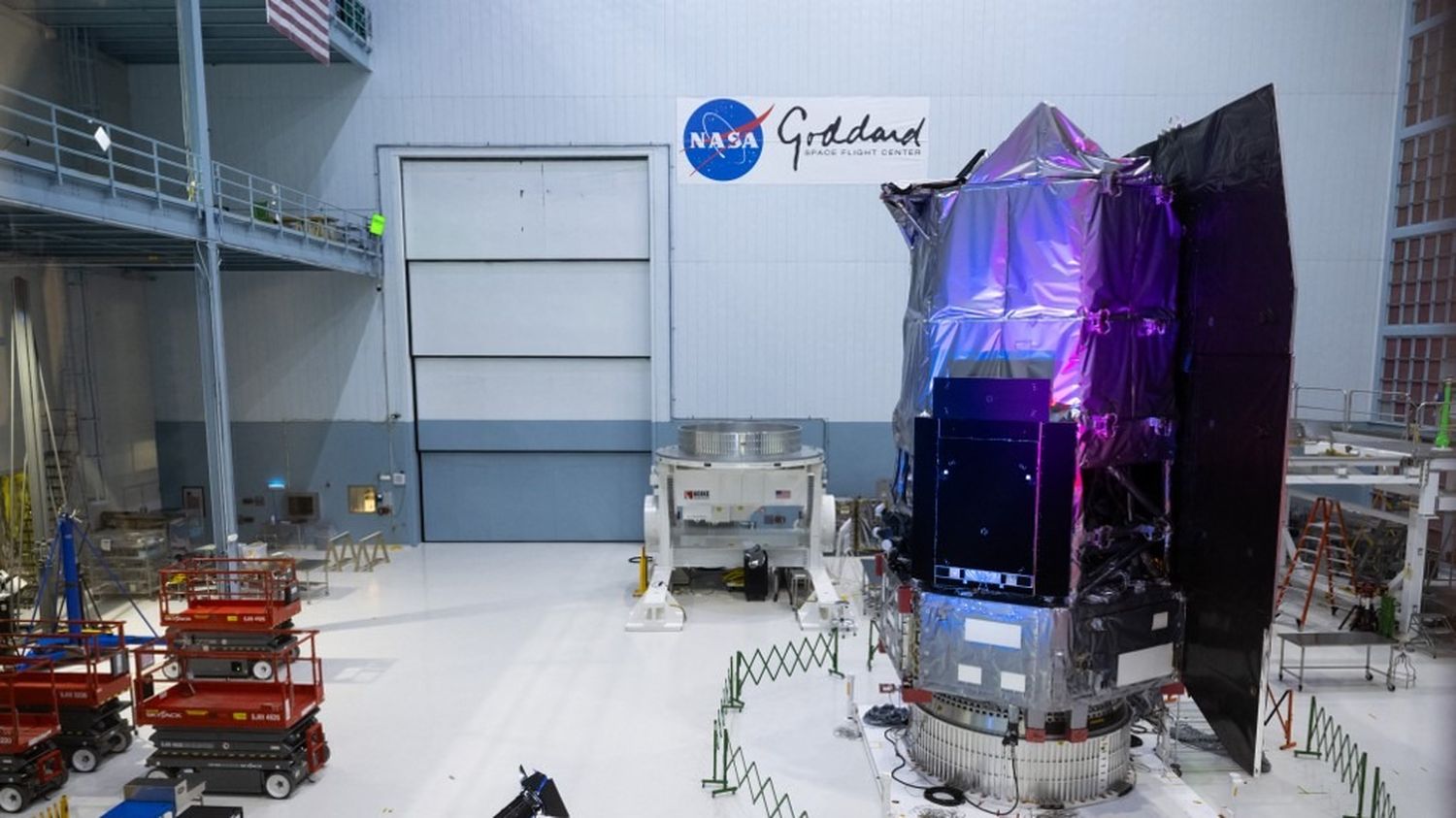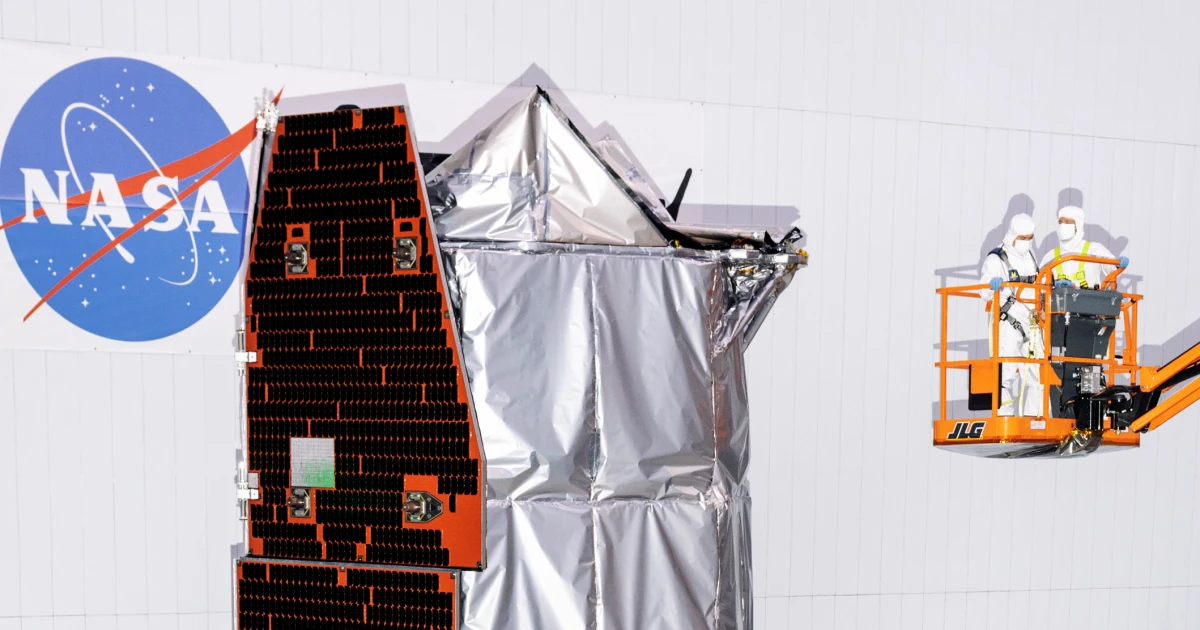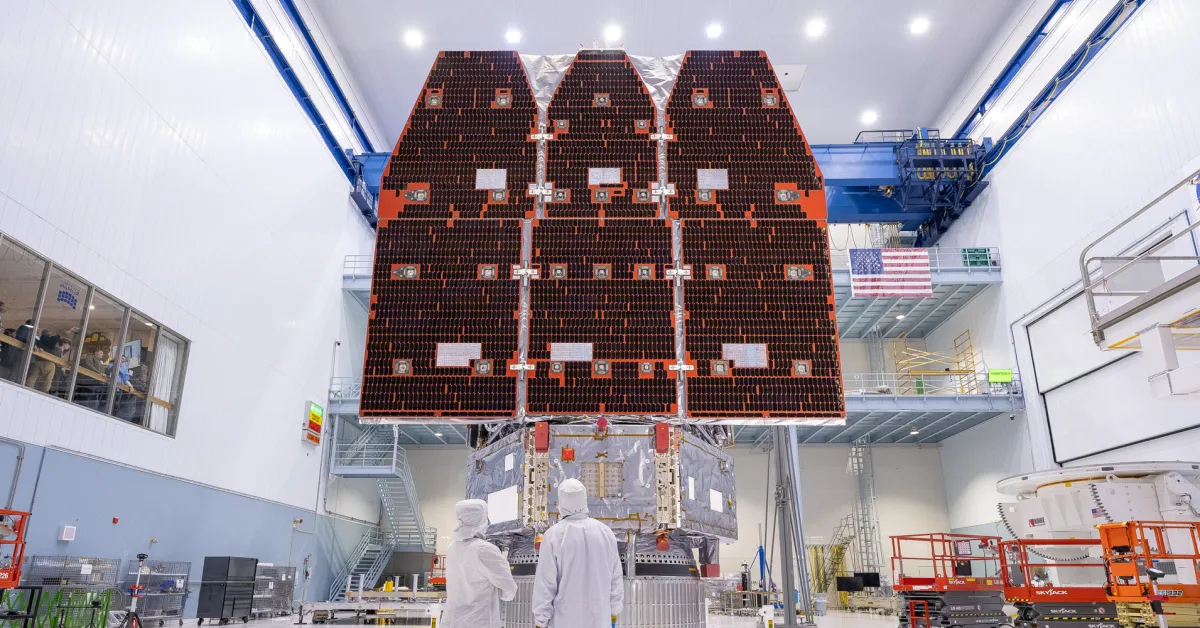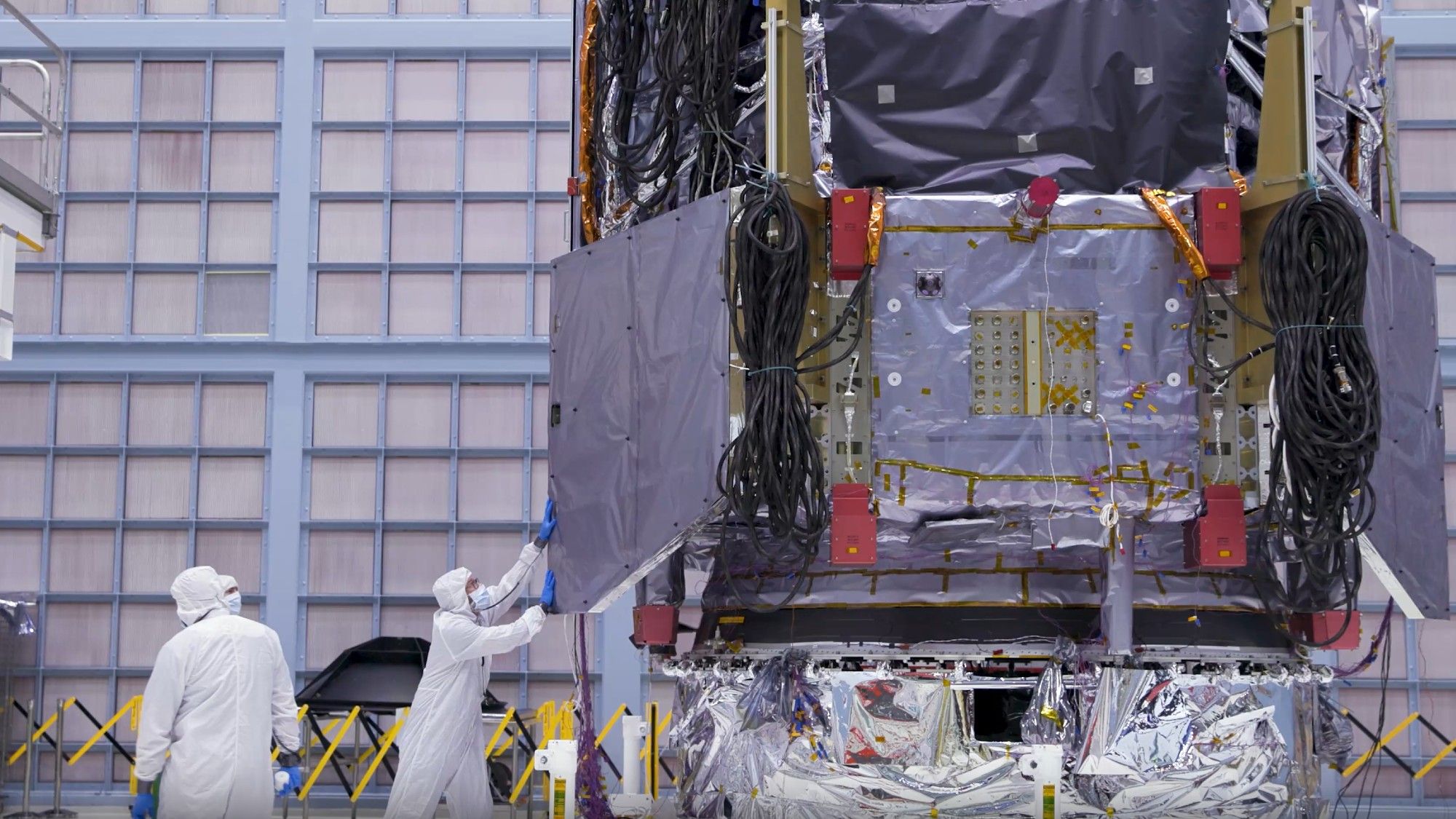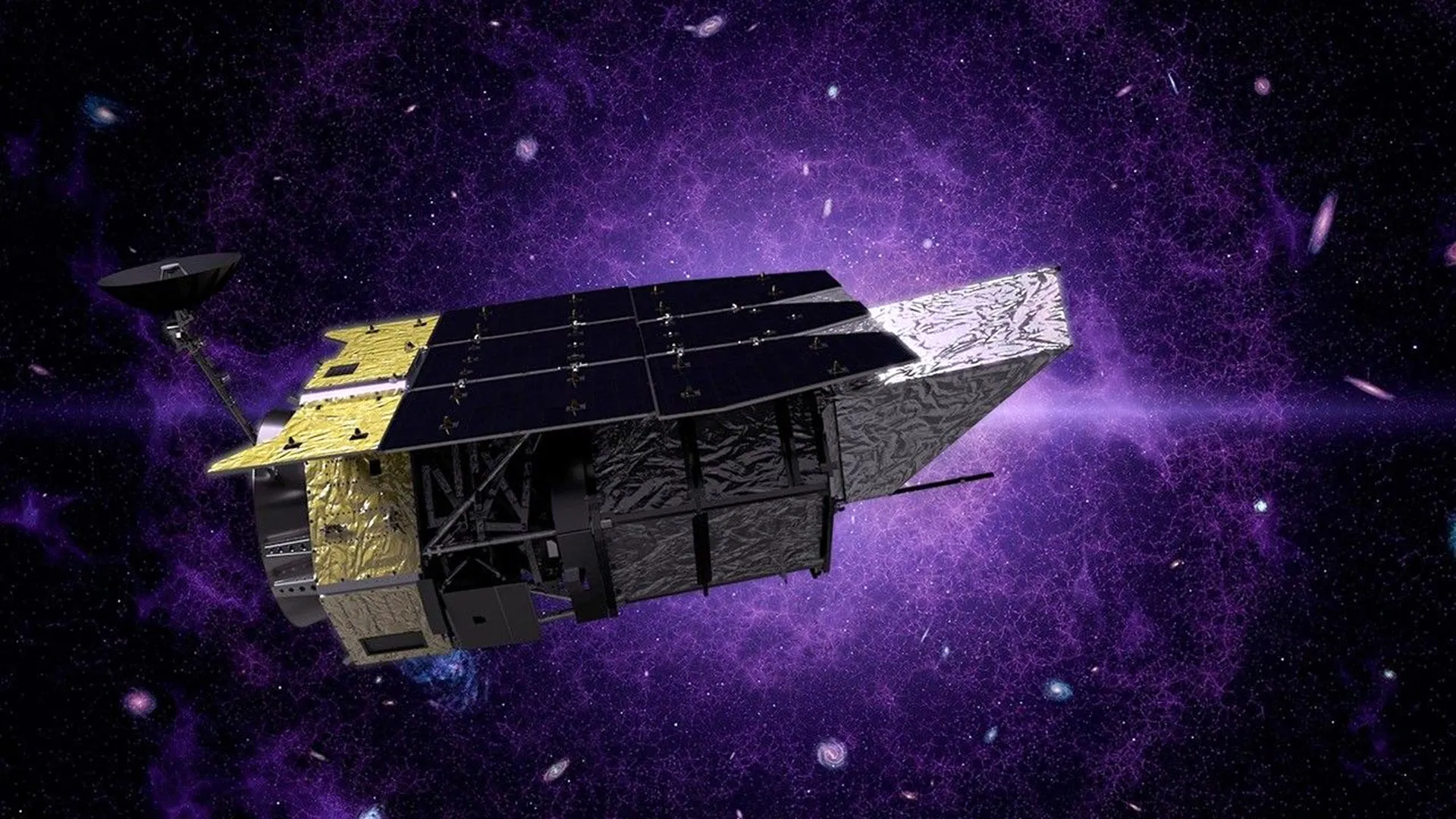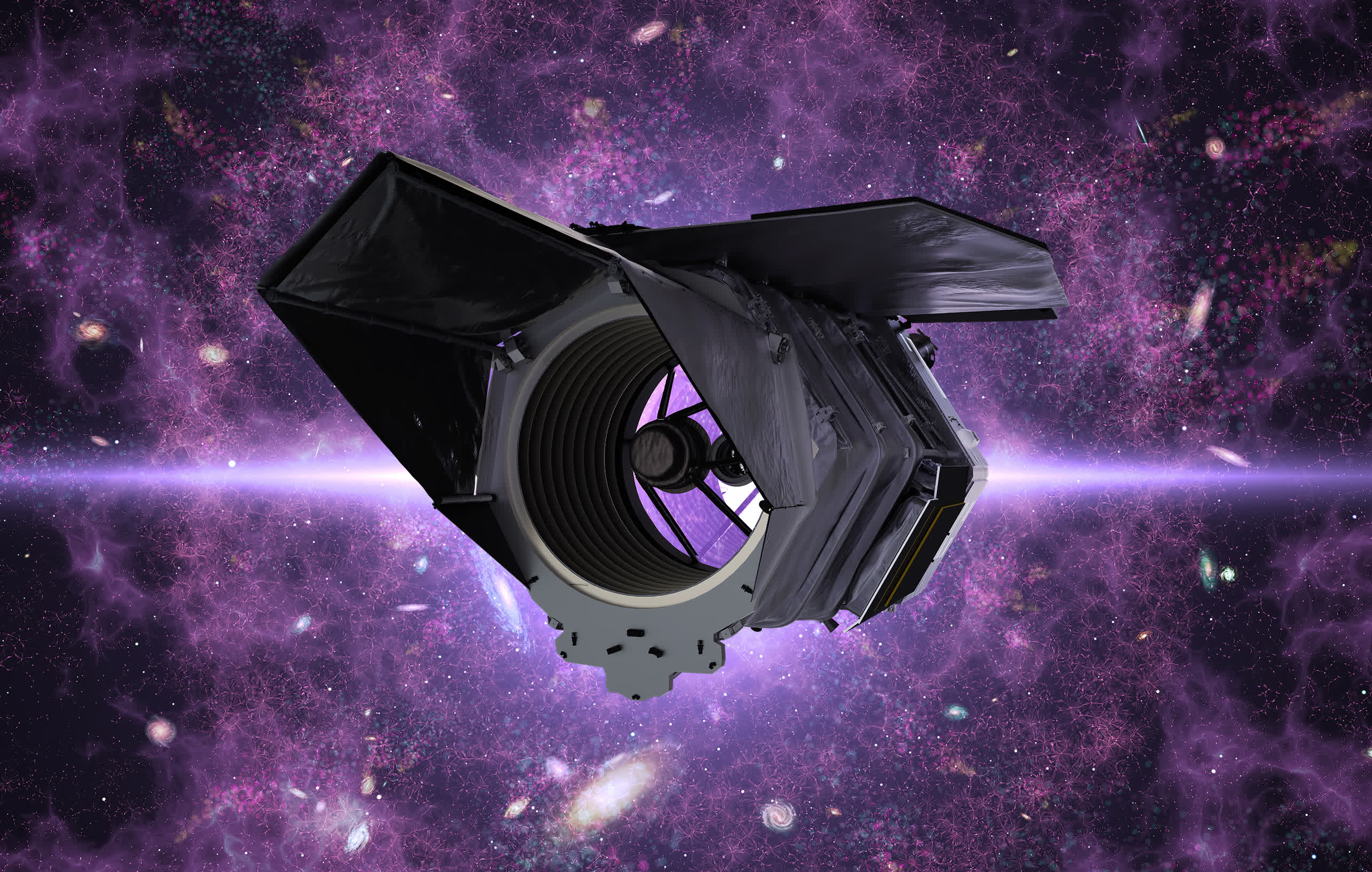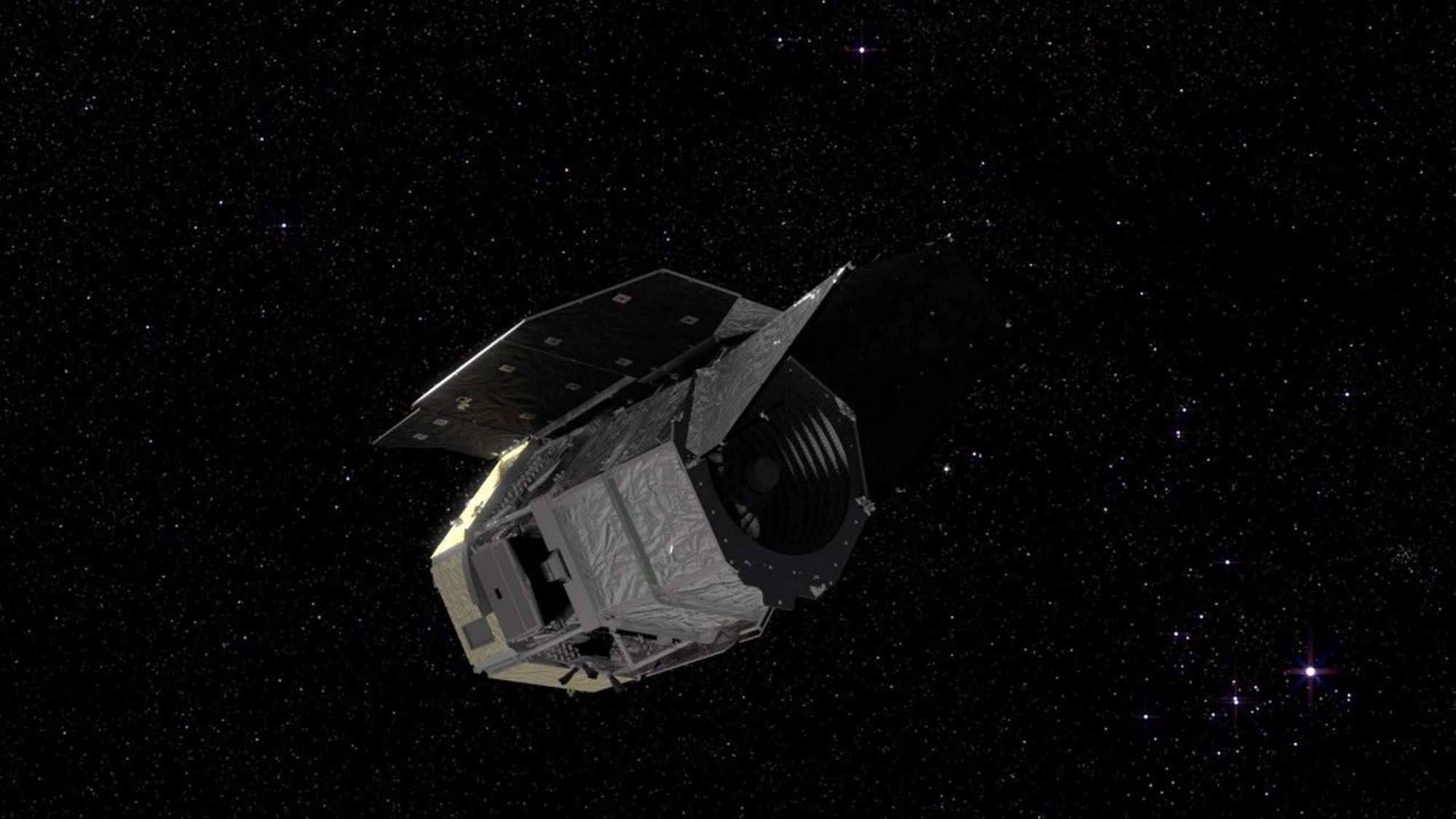
A visualization of the Roman Space Telescope in space.
(Image credit: NASA Goddard Space Flight Center Scientific Visualization Studio)
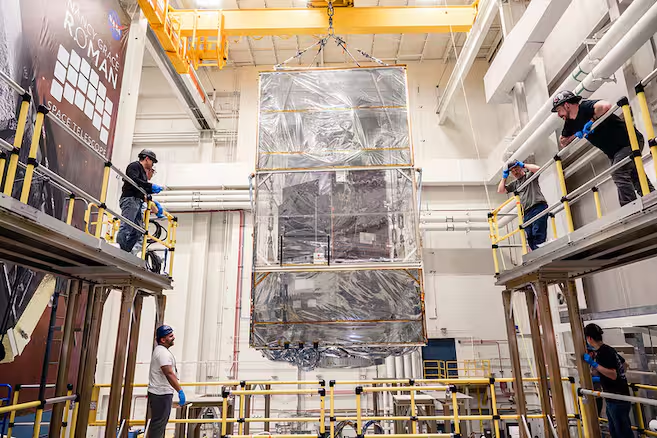
The next great American observatory in space is just one month away from leaving this planet.NASA scientists got together Wednesday (July 29) to share a status update on the Nancy Grace Roman Space Telescope — the agency's next great observatory that will soon join the ranks of absolute legends like the Hubble Space Telescope and the James Webb Space Telescope.And that press conference was overflowing with good news. The $4 billion Roman Space Telescope is scheduled to launch on a SpaceX rocket on Aug. 30 at 7:26 a.m. EDT (1126 GMT). That's nine months ahead of schedule according to the team.I think of this as doing magic with physics."Julie McEnery, Roman senior project scientist"In 30 days, we're going to be launching Roman, testing it out, opening the deployable aperture cover, looking at the sky, and sending data down to the ground for the first time," Jeremy Perkins, Roman's telescope integration and test scientist, said during the press conference at NASA's Goddard Space Flight Center in Greenbelt, Maryland.Wednesday's update comes just days after NASA announced Roman is loaded up with hydrazine fuel, a kind of fuel that's known to be very efficient — though at the cost of being toxic and unstable. For that reason, the agency is looking for ways to move away from this kind of fuel, but it's still used often until a suitable replacement becomes available.And with Roman, a lot of hydrazine is necessary. This is for a few reasons, as Perkins explained.First, it's important to know that Roman's headed to what's known as Lagrange Point 2, a gravitationally stable point a million miles away, between Earth and the sun. This is a popular location for observatories because it allows spacecraft to be oriented in such a way that their instruments remain safe from heat while their solar panels can still receive sunlight for power. The James Webb Space Telescope (JWST), for instance, is at L2 as well.On the way to L2, Roman needs to use some its fuel to course correct and make sure it's headed to the correct destination."We do a final orbit insertion around day 100 to get into our final orbit around L2," Perkins said. "After that, we have enough fuel to do all of the momentum dumps and the station keeping maneuvers that we need to do for five years and more."