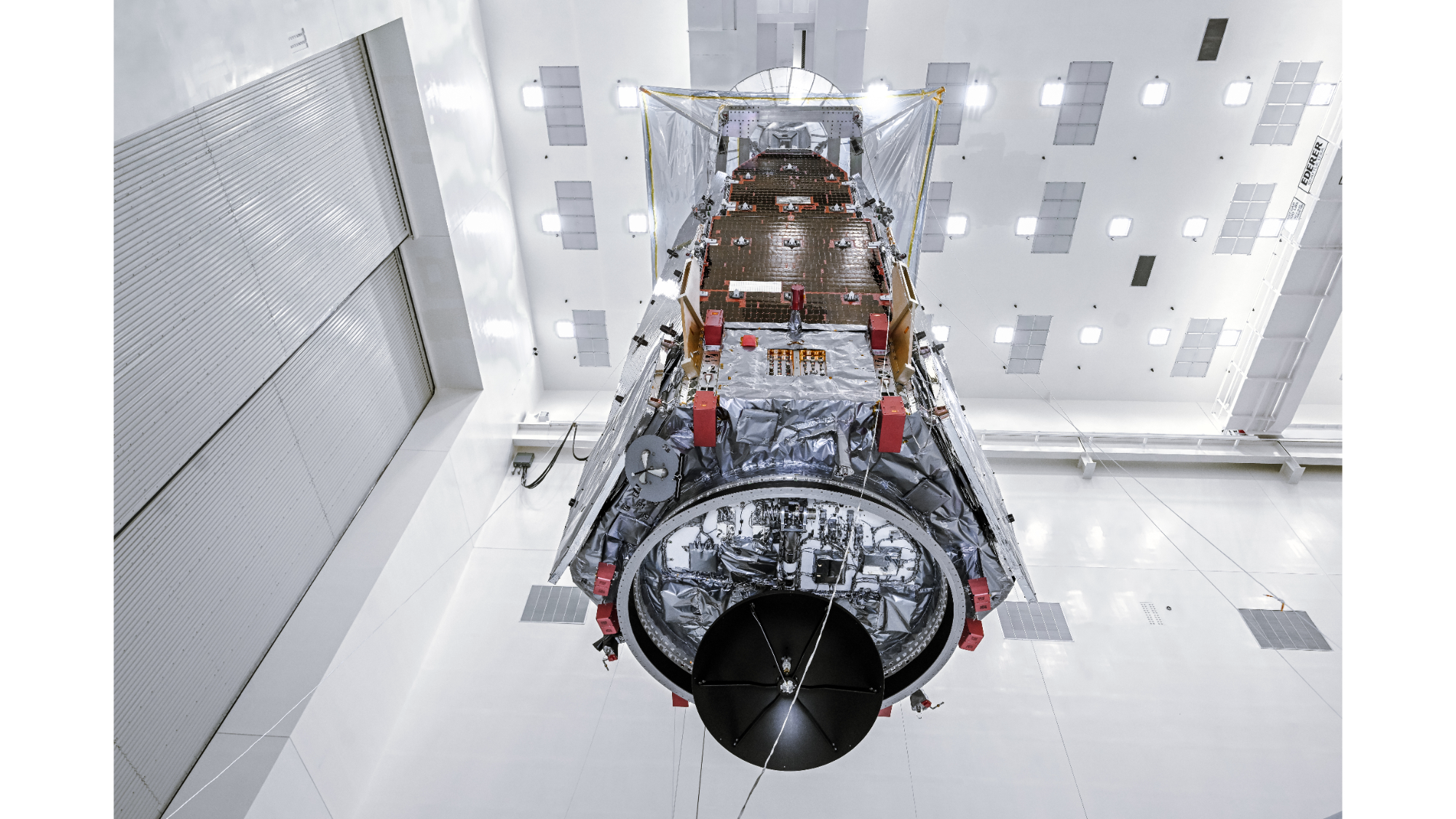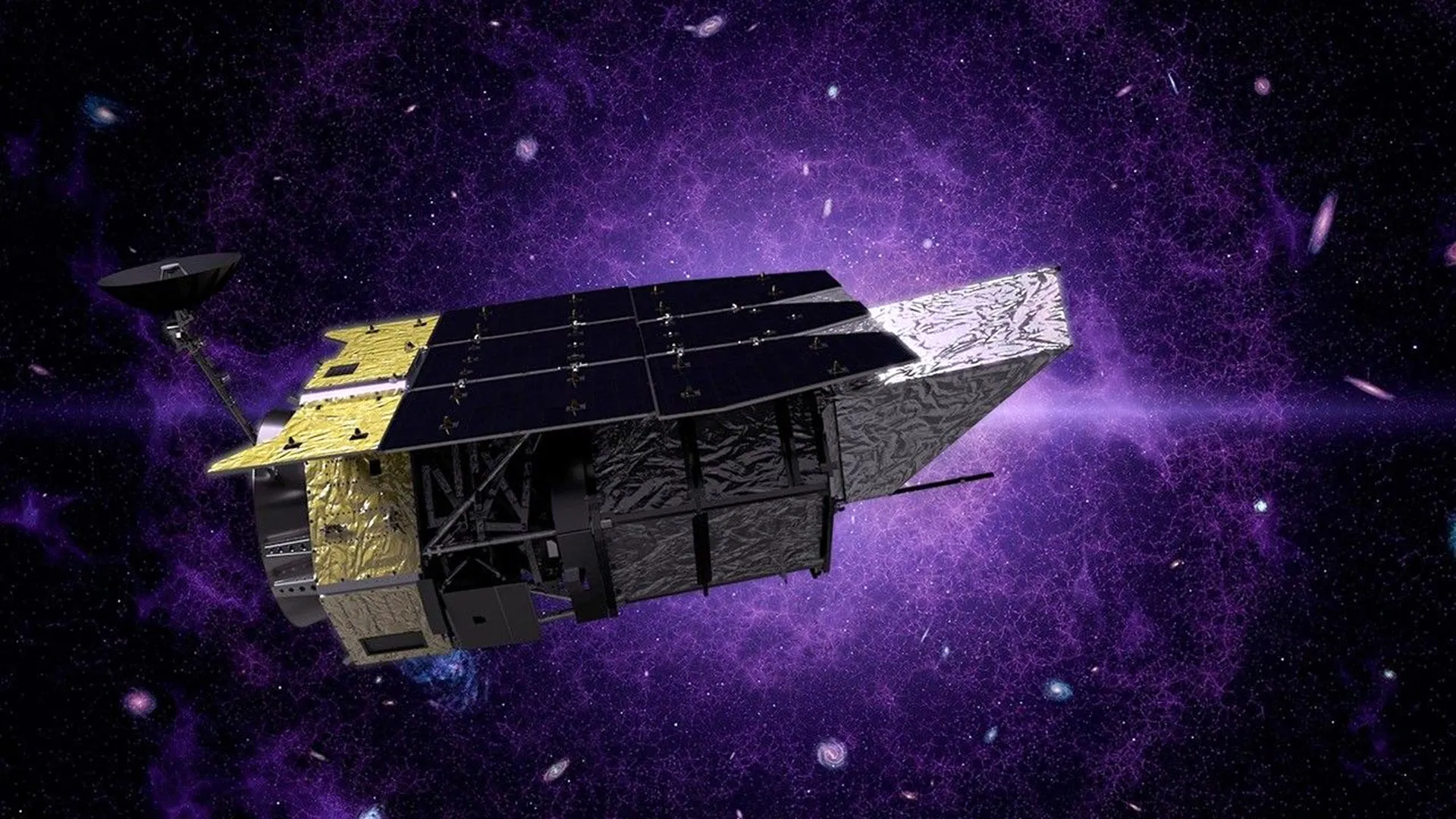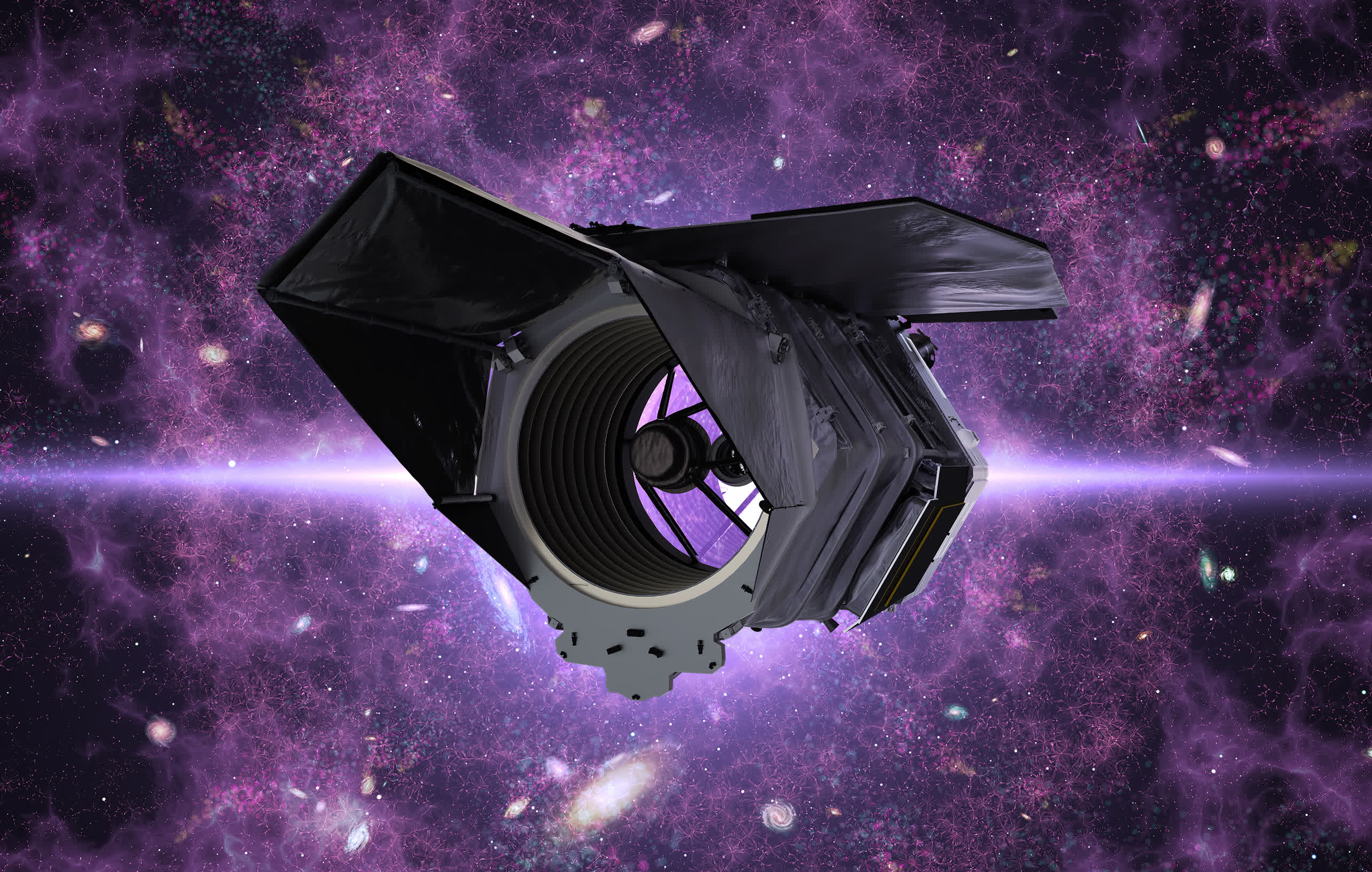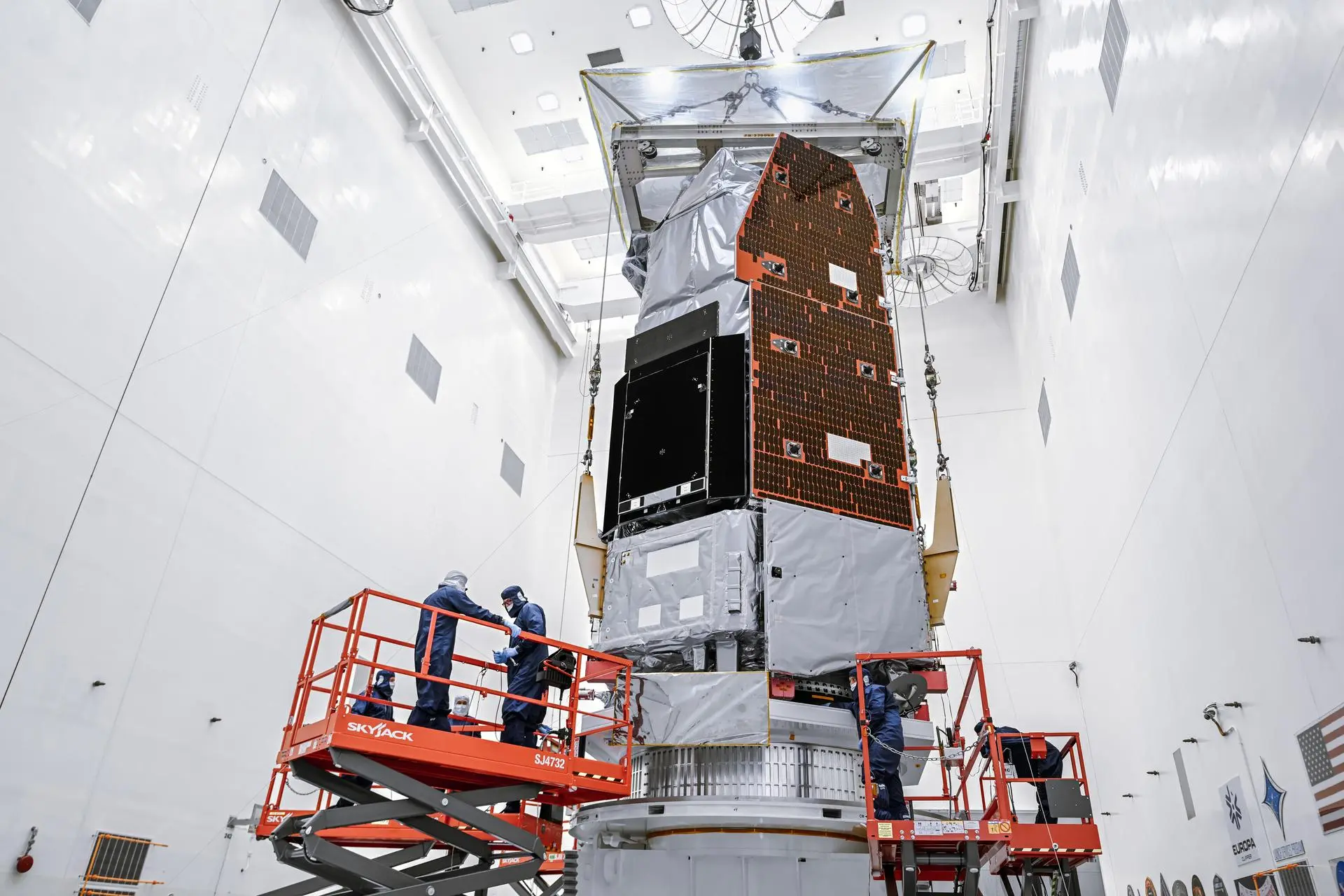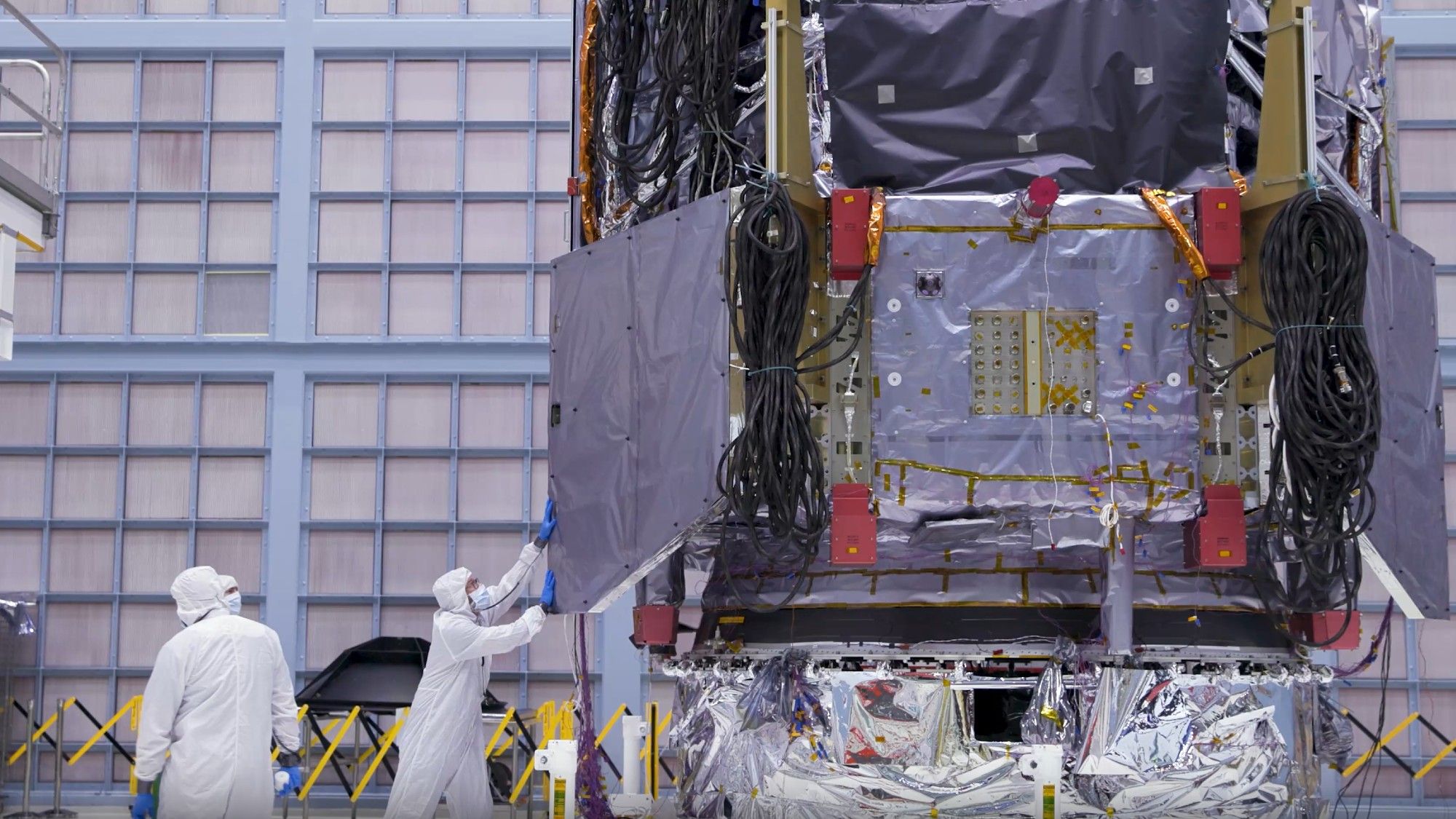
Scientists work on the Roman Space Telescope.
(Image credit: NASA/Sophia Roberts)
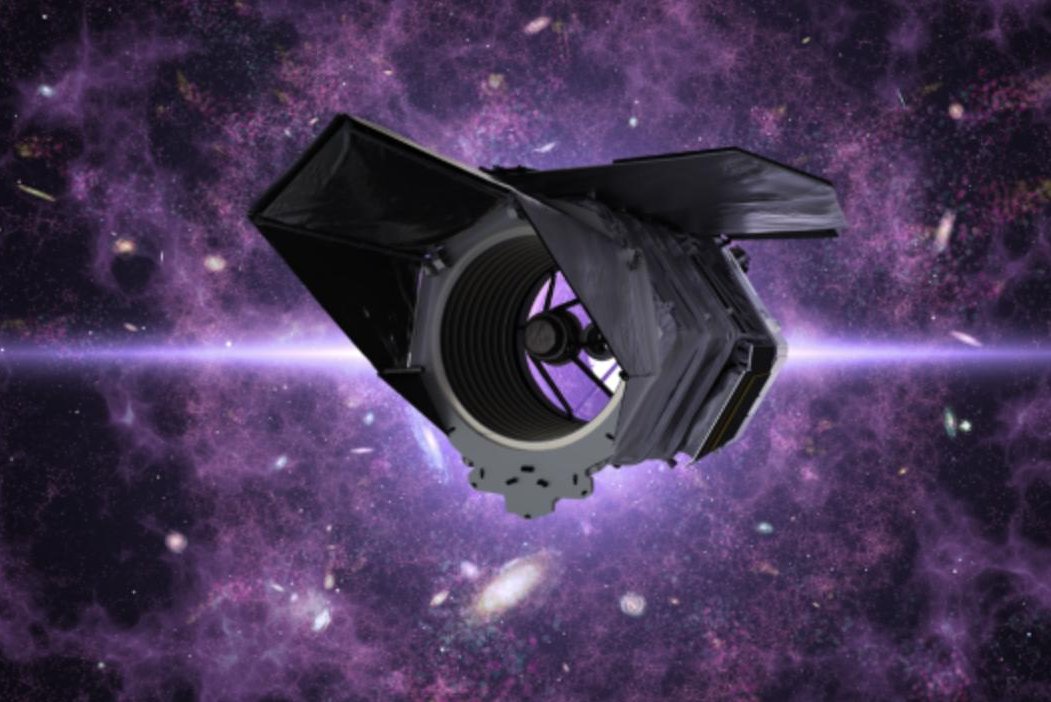
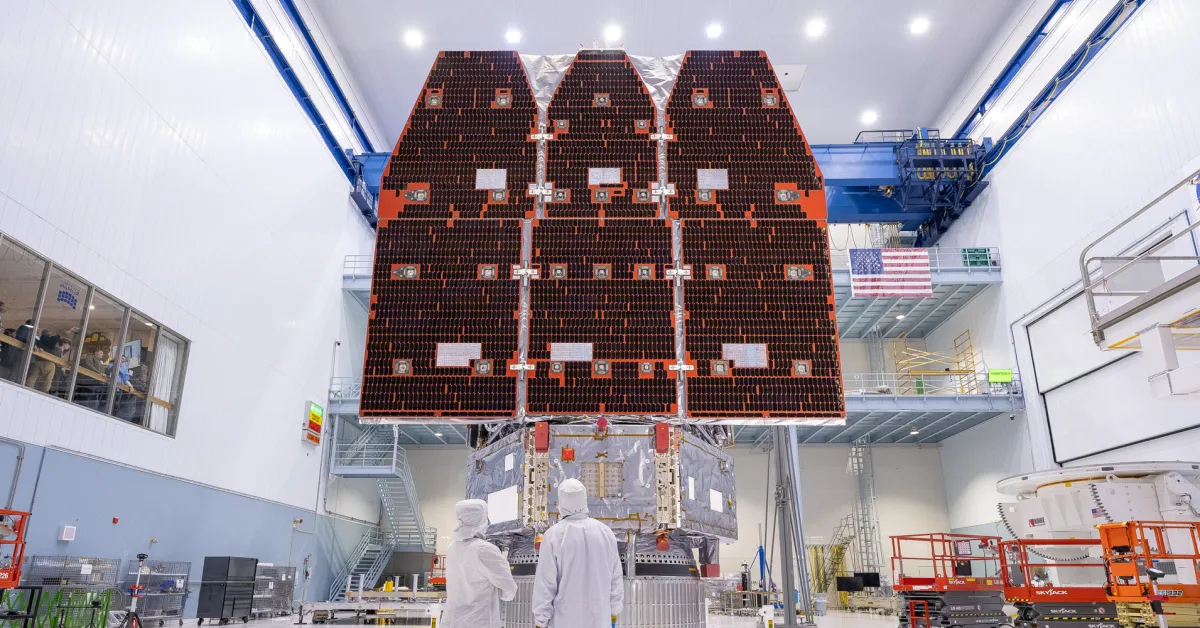
NASA announced on Tuesday (July 28) that it has officially fueled-up the Roman Space Telescope — a magnificent new observatory expected to generate over 500 terabytes of cosmic data per year. By comparison, the Hubble Space Telescope, in its 35 years of service, has created over 400 terabytes in total.At present, the Roman Space Telescope's launch aboard a SpaceX Falcon Heavy rocket is scheduled to occur on Aug. 30 at 7:26 a.m. EDT (1126 GMT). And considering the project is sort of the gold-standard for telescope-building, as the team says it's nine months ahead of schedule and under budget, hopes are high that this launch date will stick.Fueling of the observatory took place on Saturday (July 25) and involved pumping it up with what's known as hydrazine fuel. Hydrazine fuel is a classic sort of fuel used in NASA spacecraft as it's highly efficient; however, because its extremely toxic and unstable, there have been attempts to move away from this sort of fuel and replace it with something less hazardous.The Roman Space Telescope's inauguration into NASA's fleet of observatories will mark a pretty big moment for the advancement of astronomy.Roman's specs are quite impressive; thanks to that showy data-generation figure discussed above, the telescope is expected to further our knowledge of intriguing phenomena like dark matter, dark energy, supernova explosions and even the hunt for habitable exoplanets.It will work as a complement to other major telescopes, including the James Webb Space Telescope (JWST). For example, while Roman can't see as far as the JWST, it does have the same sort of infrared vision that enables such deep space probing. What it can do that the JWST cannot, though, is see a much wider swath of space at once.