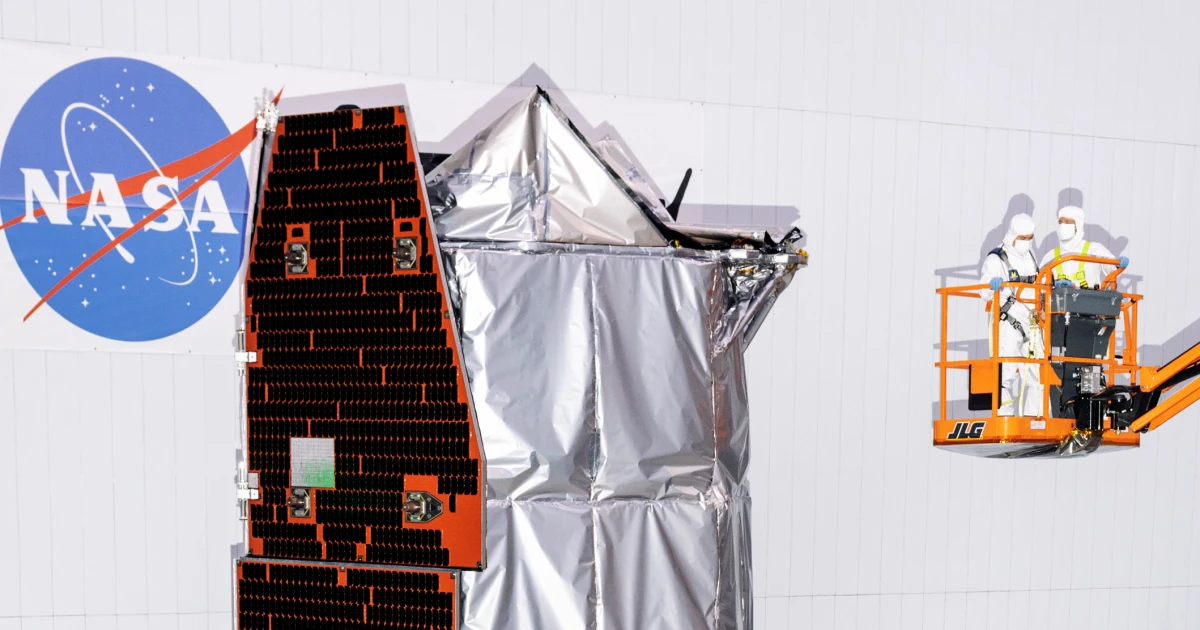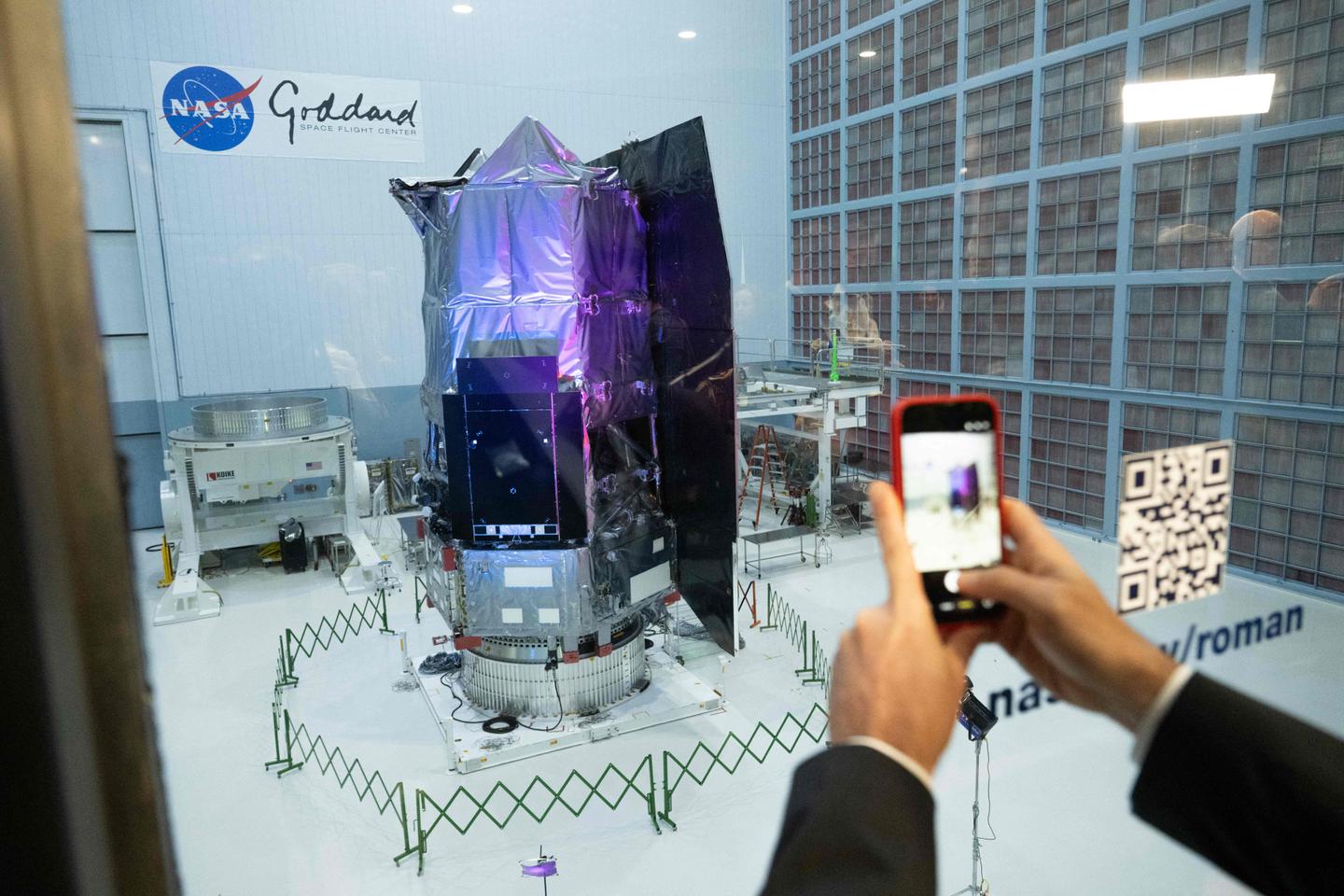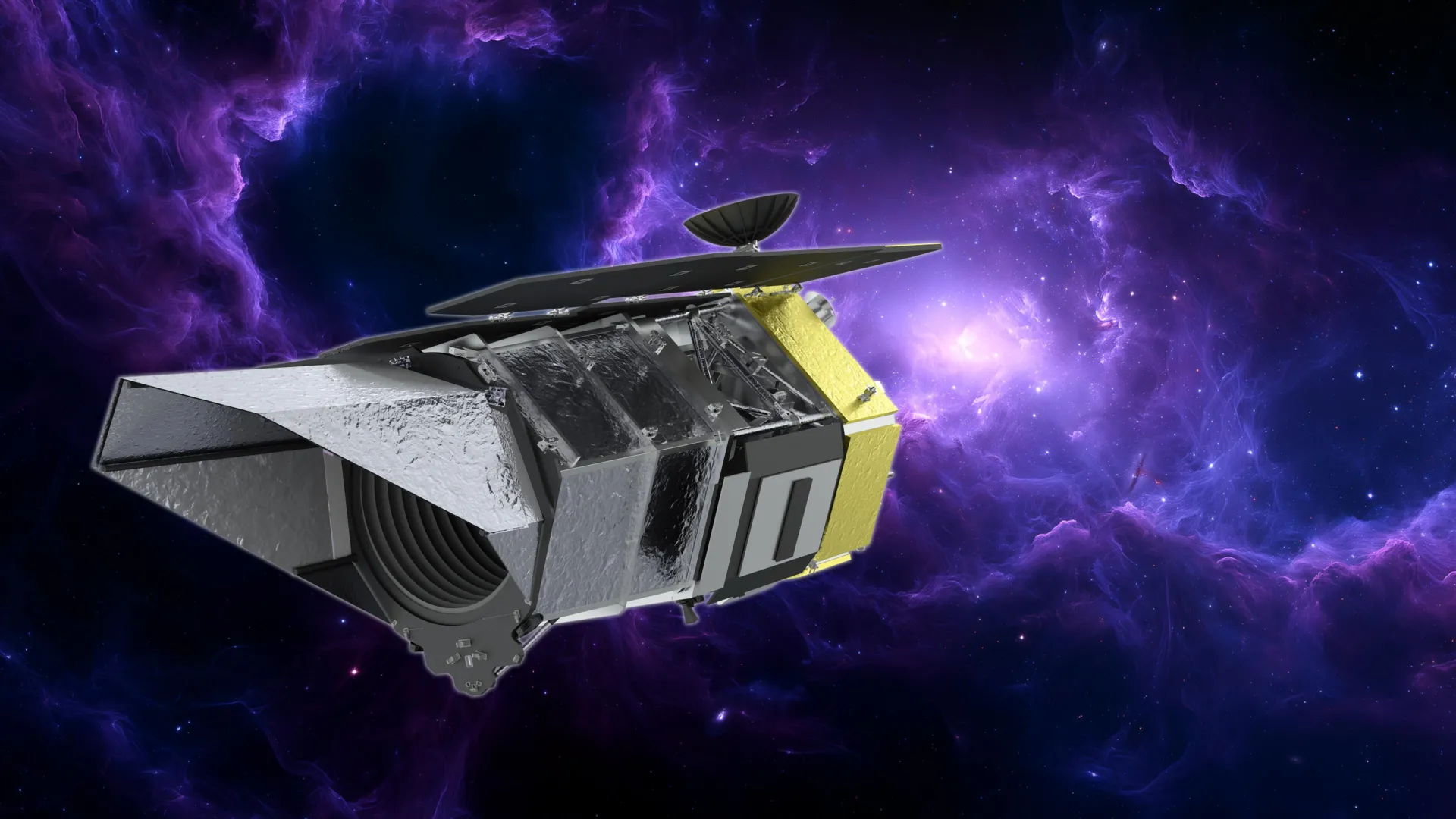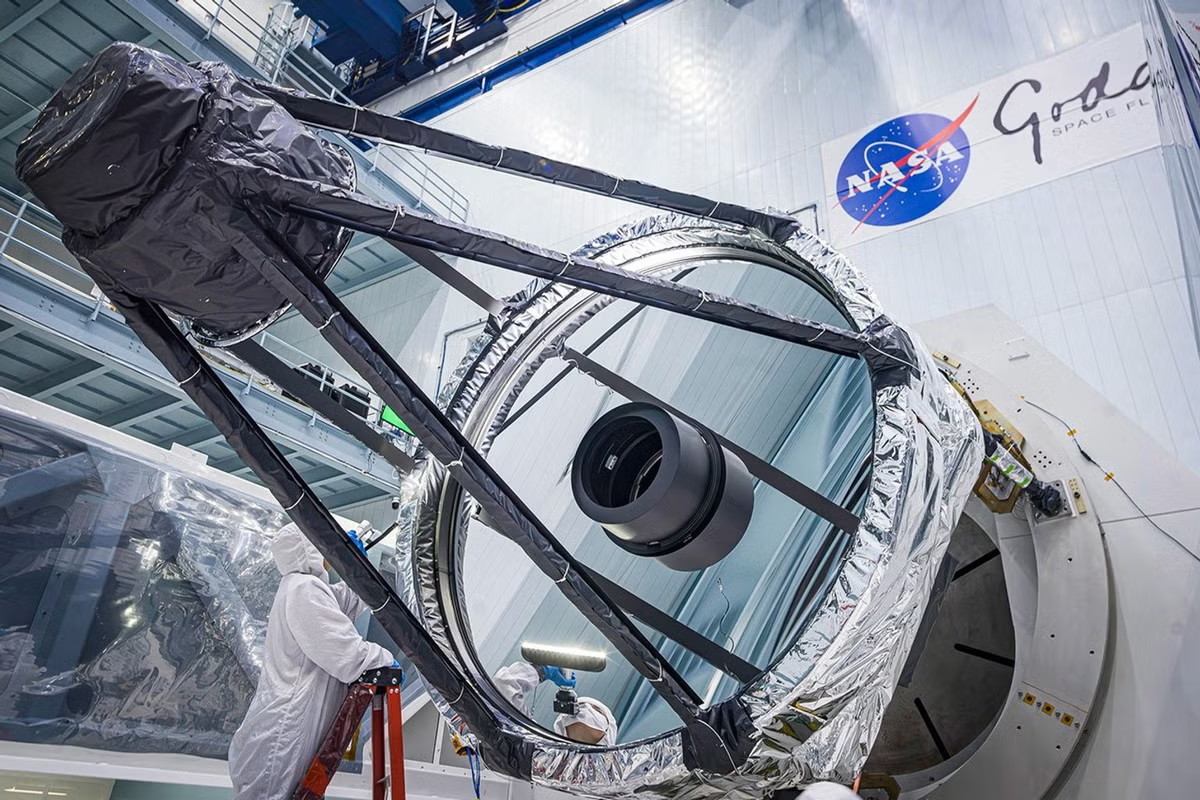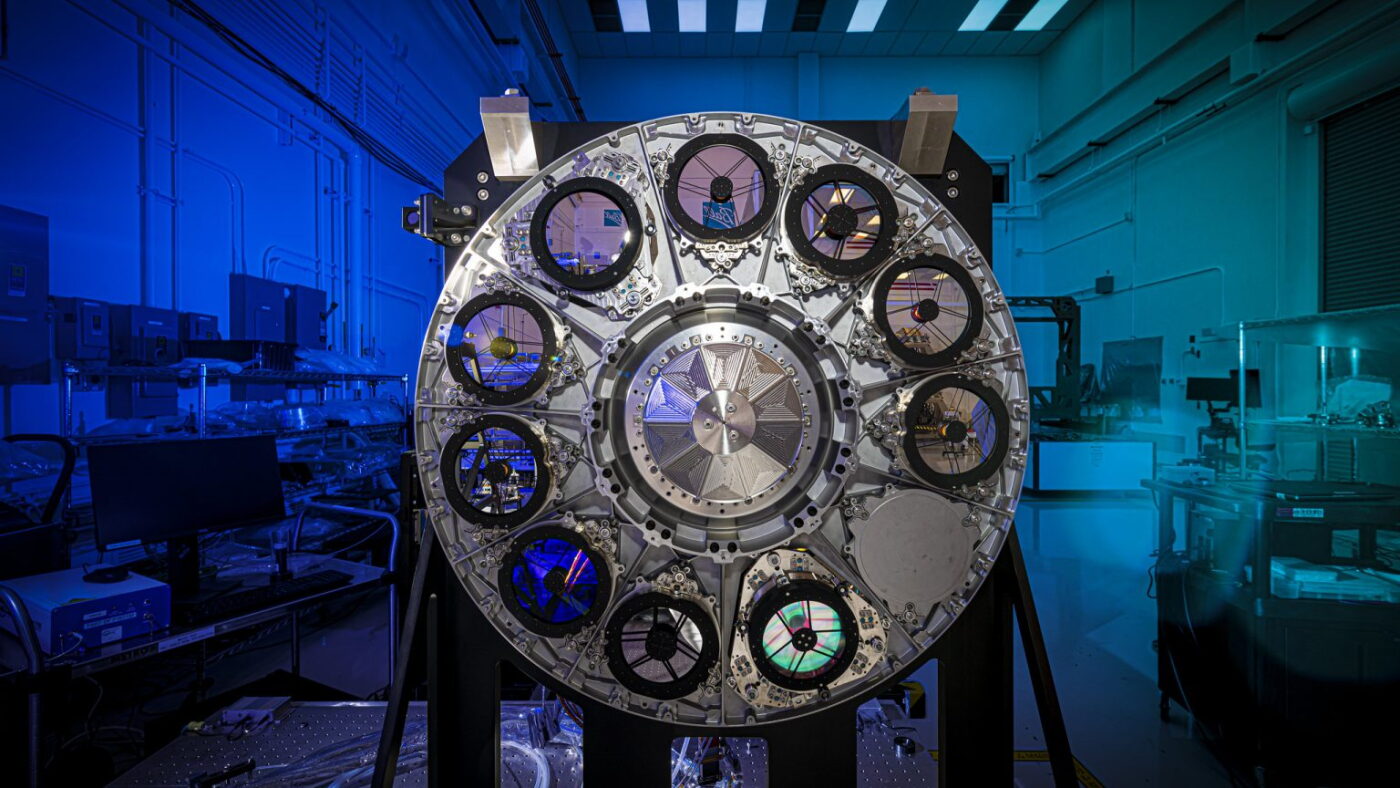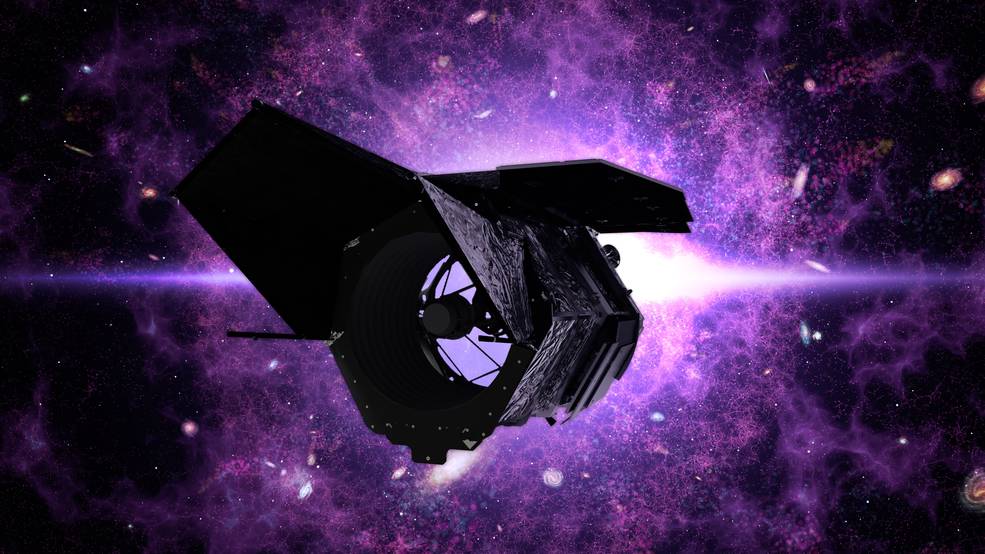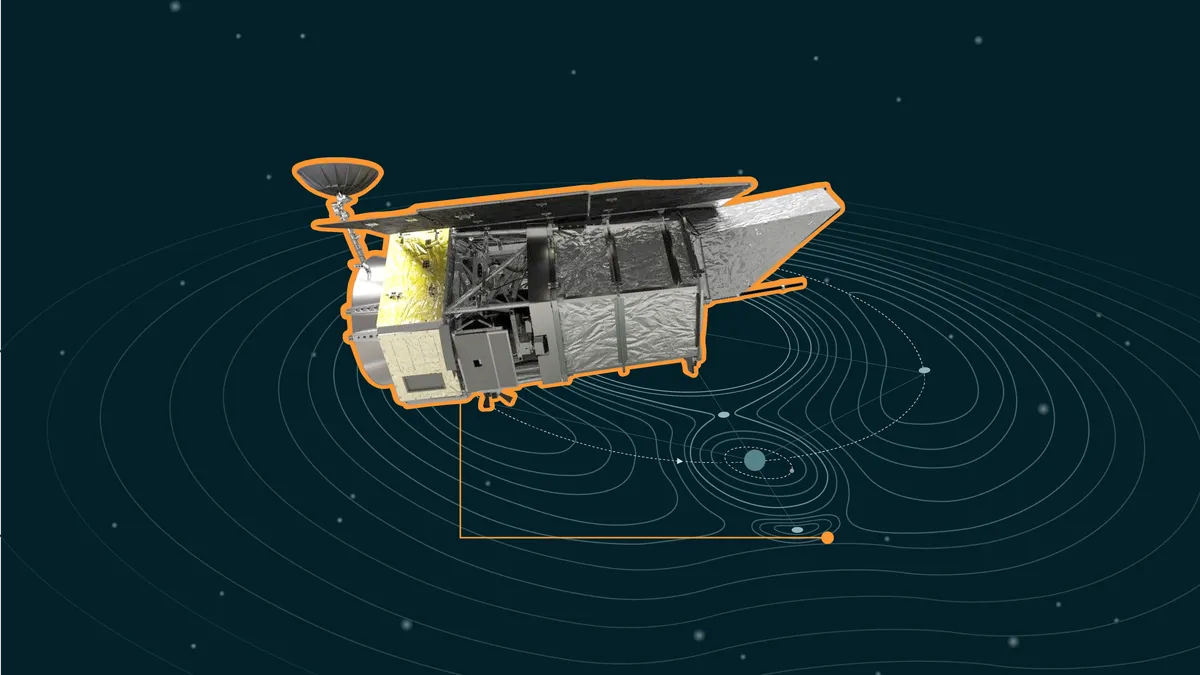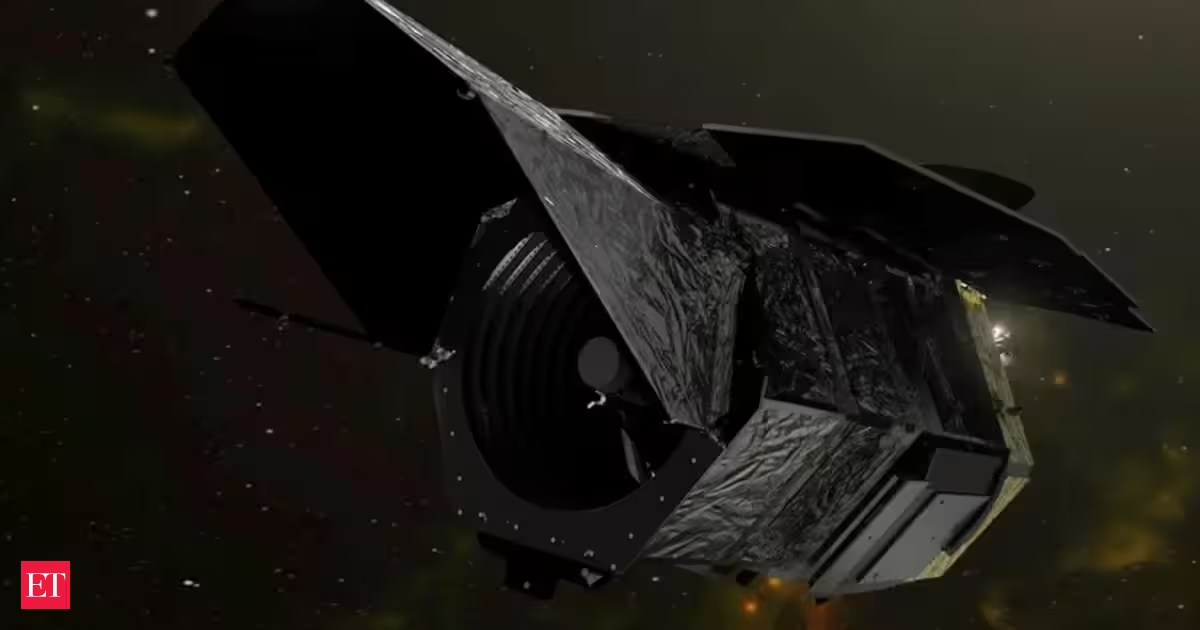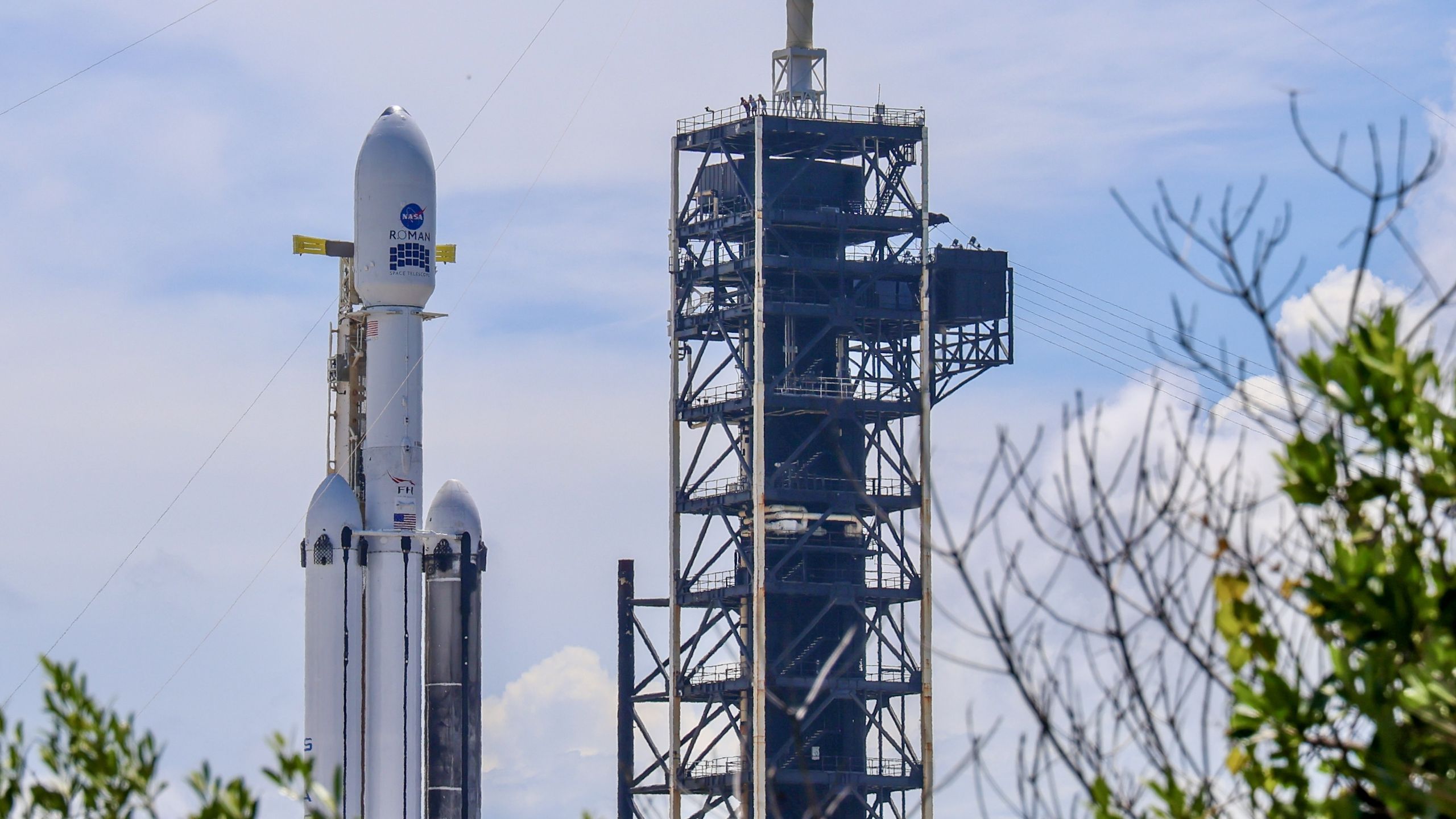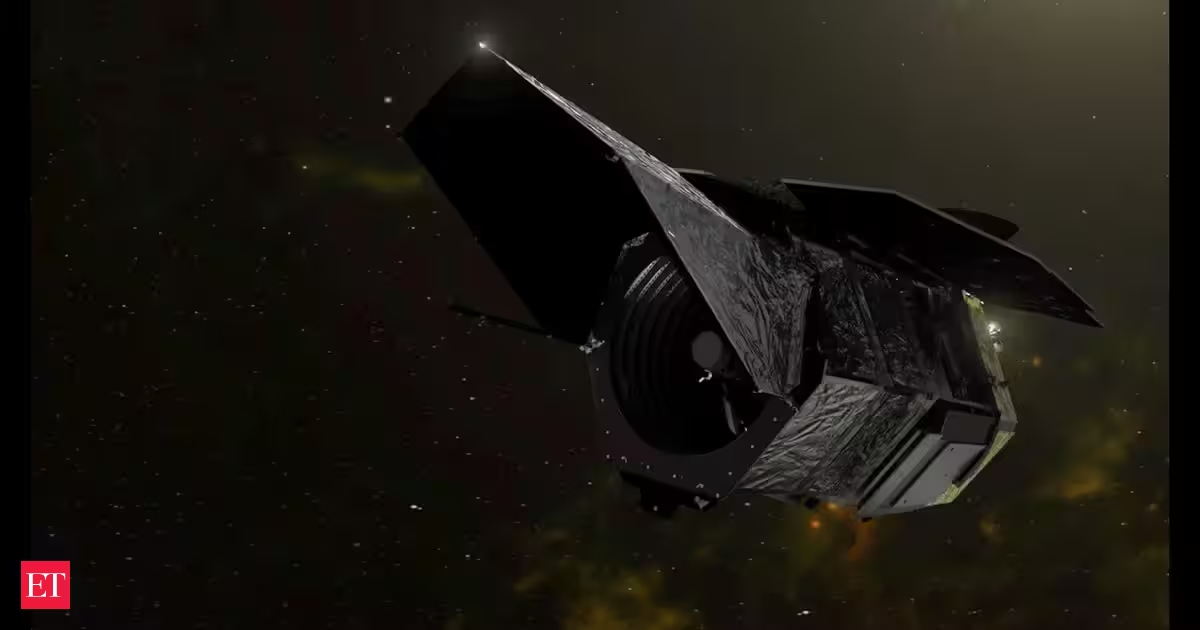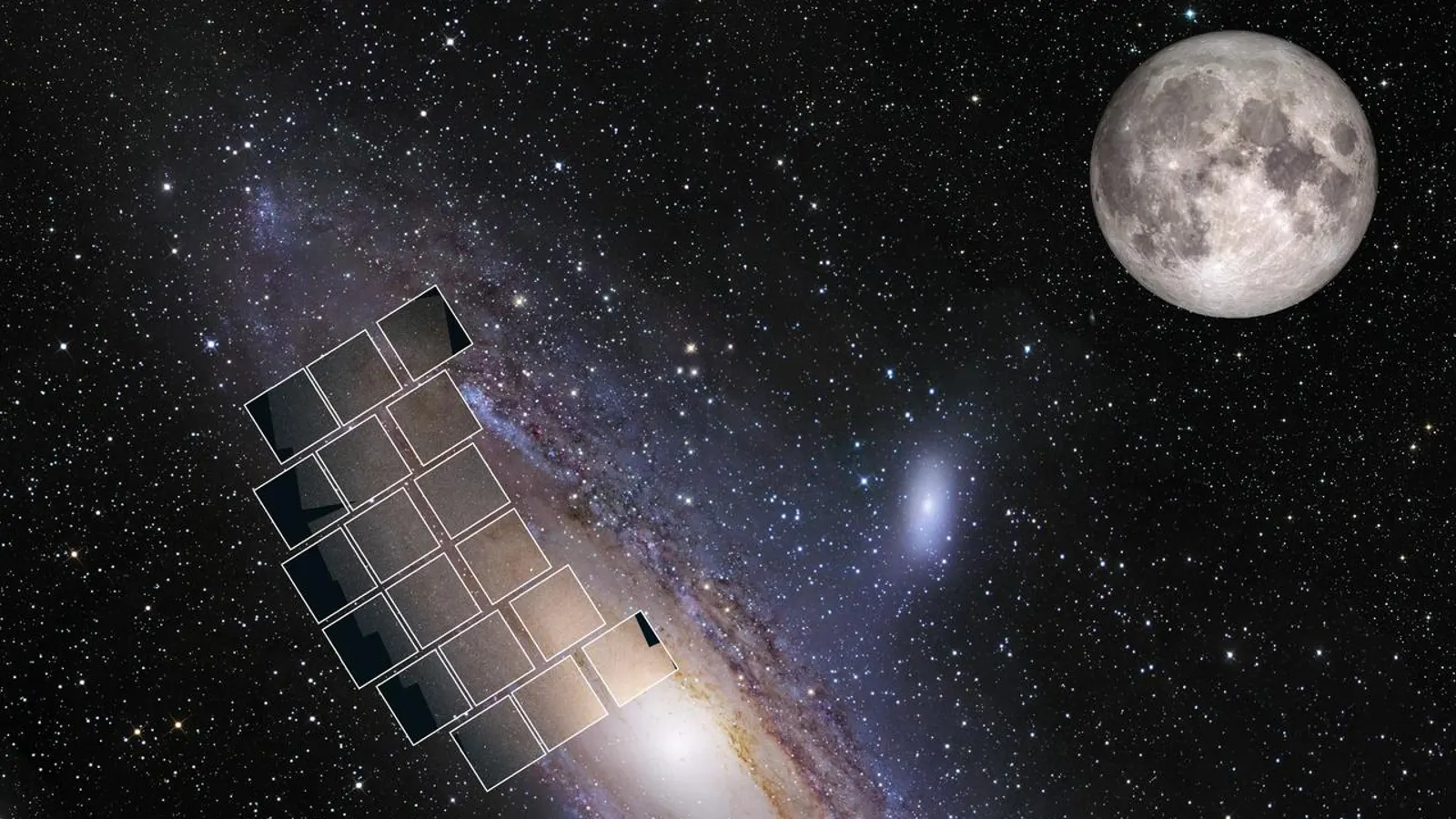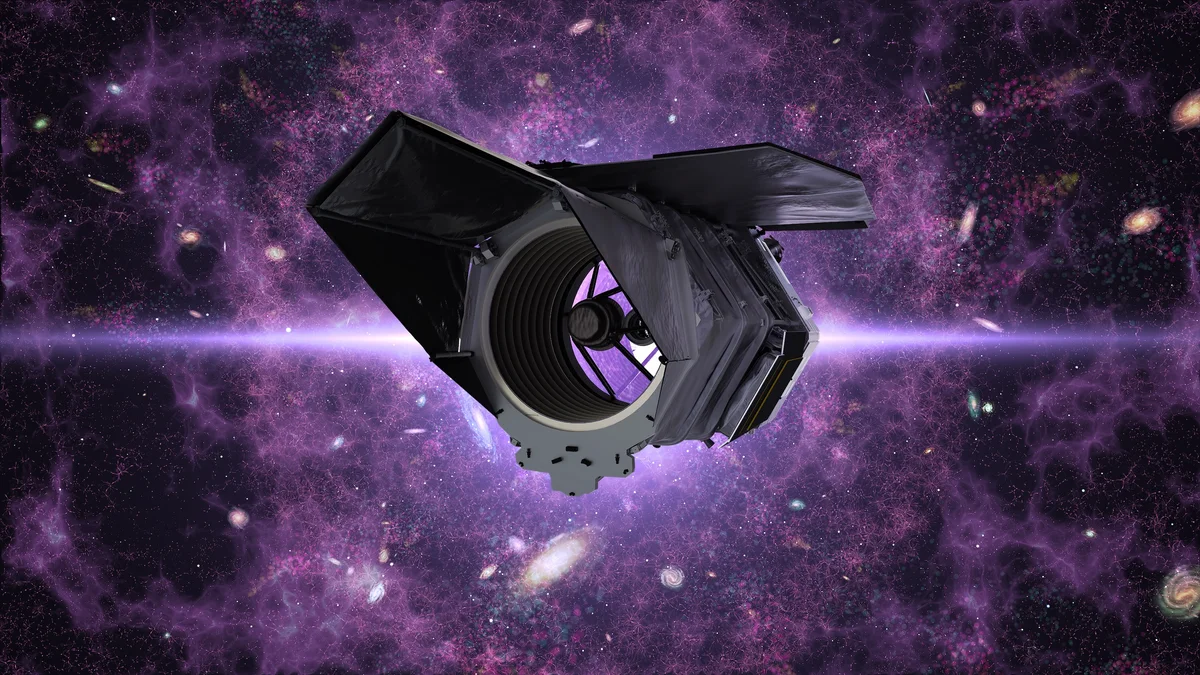
What would you do with a super-Hubble that could take snapshots of the sky not just in small patches but also in huge chunks? That’s a question NASA put to scientists, and they have duly answered. The agency recently selected 118 programs to use its shiny new Nancy Grace Roman Space Telescope, set to launch on August 30, in novel and exciting ways. Each project requires tasks that Roman is in pole position to carry out, such as scouring the cosmos for newborn black holes and investigating the stellar populations of nearby galaxies, as it prepares for its primary objectives of studying dark energy and dark matter, as well as discovering exoplanets by the tens of thousands.Roman is more than a decade in the making at a cost of $4.3 billion, including its Hubble-sized panoramic mirror, sourced from the shadowy realm of U.S. spy satellites. Paired with a 300-megapixel infrared Wide-Field Instrument and a Coronagraph Instrument for high-contrast imaging, its 2.4-meter mirror will allow Roman to perform broad surveys of the universe, as well as breakthrough studies of exoplanets from its location 1.5 million kilometers (one million miles) from Earth, where the James Webb Space Telescope (JWST) also sits.Roman’s mirror allows the telescope to see about 100 times more of the sky than Hubble or JWST in a single exposure, letting it study large numbers of galaxies and stars at the same time. This gives it unique capabilities that no other telescope can match but also poses a challenge for data management. NASA officials have said Roman is expected to produce 1.4 terabytes of science data per day and should beam back on the order of 500 terabytes of data per year; that annual figure is on par with the total amount of data that Hubble has produced across more than 35 years of operations. Many of the 118 newly selected “General Investigator” observer programs will seek to capitalize on that data deluge.On supporting science journalismIf you're enjoying this article, consider supporting our award-winning journalism by subscribing. By purchasing a subscription you are helping to ensure the future of impactful stories about the discoveries and ideas shaping our world today.A handful of Roman’s programs will be focused on little red dots (LRDs). Because of Roman’s wide, deep view, it can hunt for these mysterious objects in an entirely new way. Discovered by JWST in 2022, LRDs are strange, compact objects seen in the early universe that could be exotic black hole stars. LRDs, however, mysteriously fade away as the universe grows in age.Vasily Kokorev of the University of Texas at Austin and his team will try to work out if LRDs really do fade away as the universe ages or if we just haven’t spotted them elsewhere yet, which will provide a big clue to their origin. Kokorev’s program, using Roman’s data, will begin its hunt two billion years after the big bang occurred 13.8 billion years ago. “When we try to find little red dots closer to us, we fail,” Kokorev says, although there have been hints of some within a few billion light-years of Earth—practically right next door, in cosmological terms.Using JWST to look for more recent LRDs, Kokorev says, is like “trying to use an enormously large set of binoculars to read a book that’s right before you.” The numbers and ages of the LRDs that Roman finds should give us a better idea of their origins. If they contain humongous stars or black holes, thought to be the beginnings of groups of stars known as globular clusters, they should appear in similar numbers throughout the age of the universe. But if they are indeed black hole stars, growing supermassive black holes inside dense cocoons of gas, their number should drop off as matter in the universe spreads apart and the available fuel for these black holes runs dry.Roman has been designed to study the more distant universe, too. Steven Finkelstein of the University of Texas at Austin is leading a program that will hunt for very bright, very distant galaxies that Roman and other observatories could nonetheless scrutinize in lavish detail. The most famous of these, called GN-z11, was discovered by Hubble in 2016 at just 400 million years after the big bang. Although JWST has since spotted more remote galaxies, GN-z11 stands alone as being particularly luminous, allowing easier in-depth follow-up study to determine its chemical composition and glean more about its history.“It’s so much brighter than one would have expected to form at early times,” says Finkelstein, who hopes to find about 500 additional, similar objects with Roman. His program should also spot LRDs in the first two billion years of the universe, as well as large groups of galaxies, known as lensing clusters, that magnify the otherwise faint light of even more distant galaxies from farther back in the murky depths of cosmic time.
NASA’s newest telescope is about to rewrite how we study the universe
Astronomers are lining up to leverage NASA’s soon-to-launch Nancy Grace Roman Space Telescope, which boasts capabilities unlike any previous off-world observatory
1,435 words~7 min read