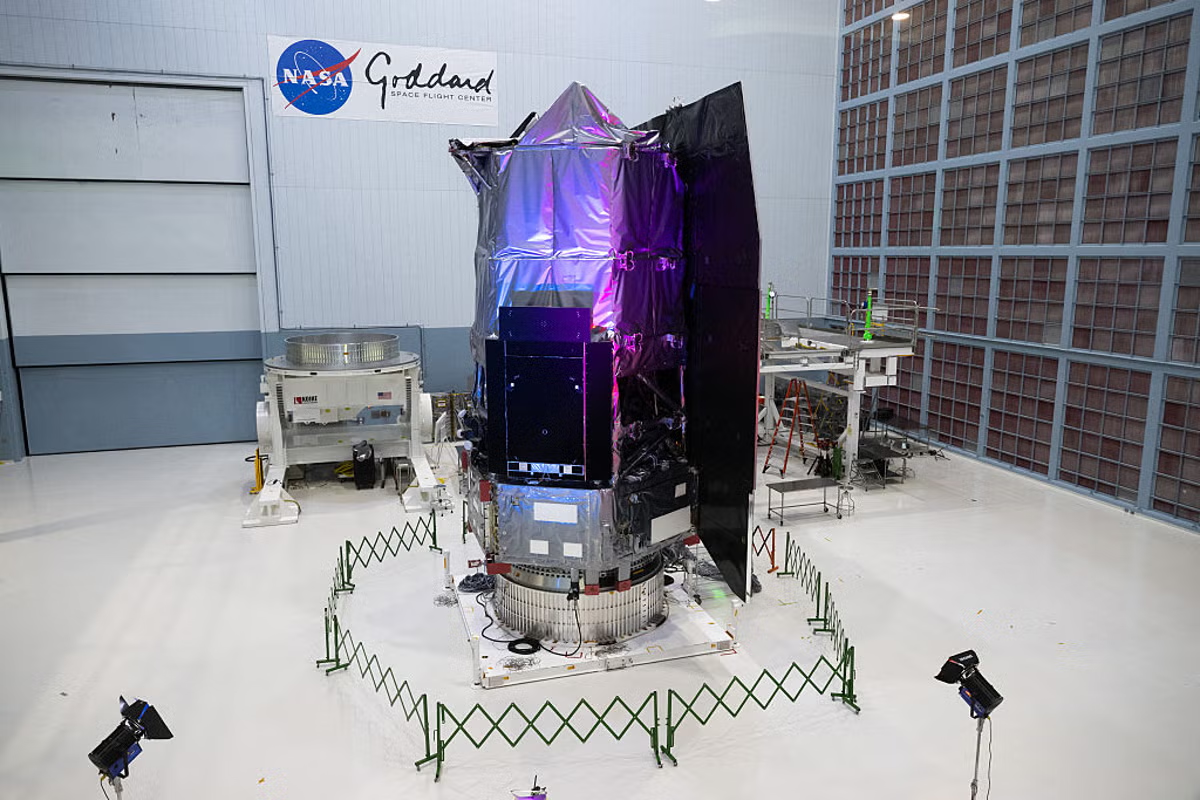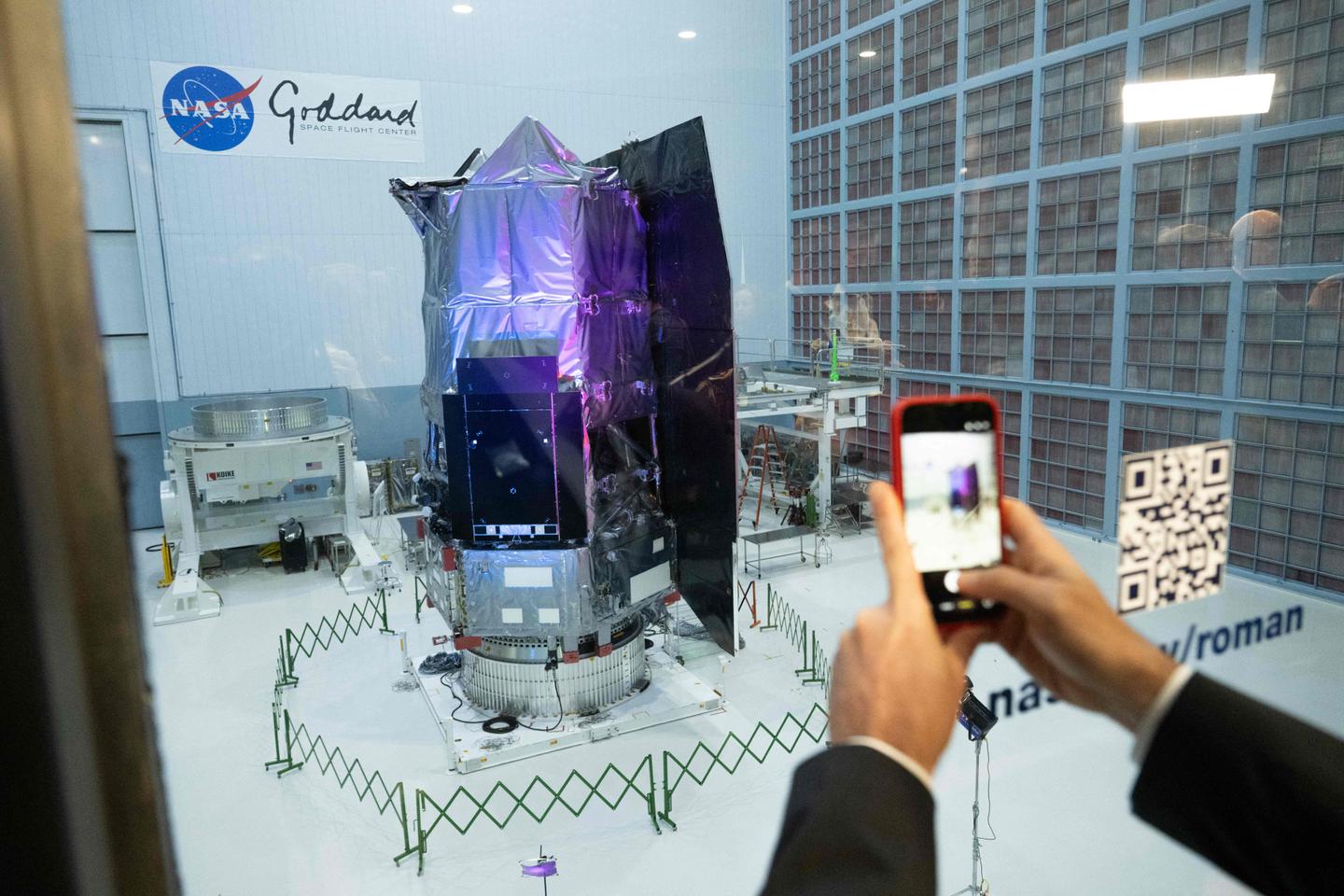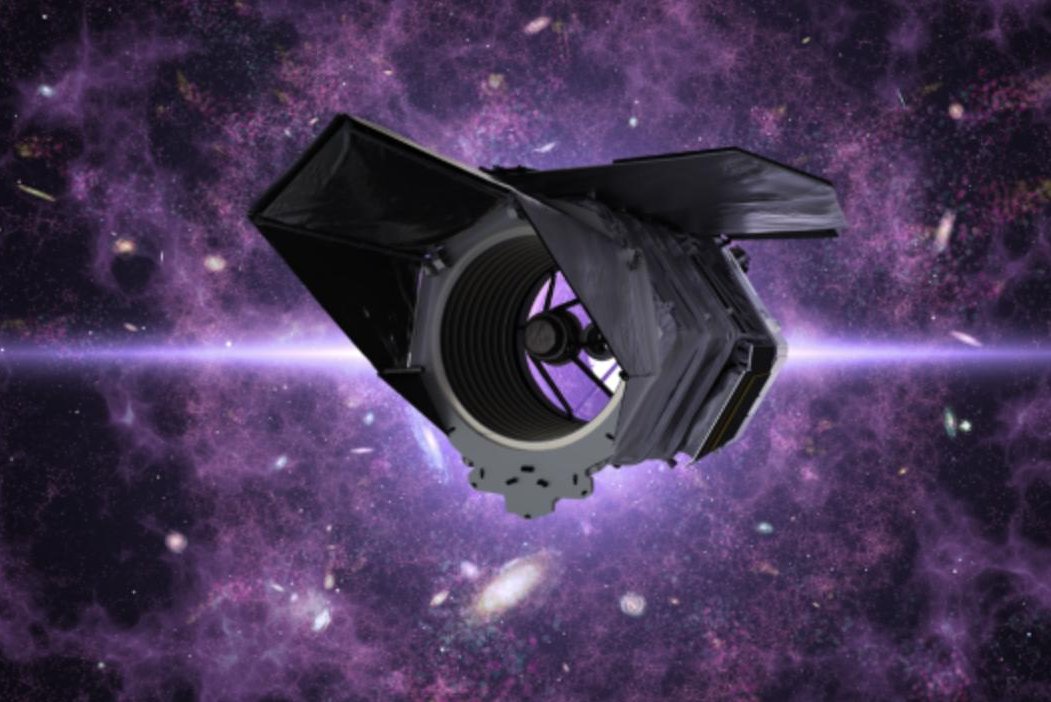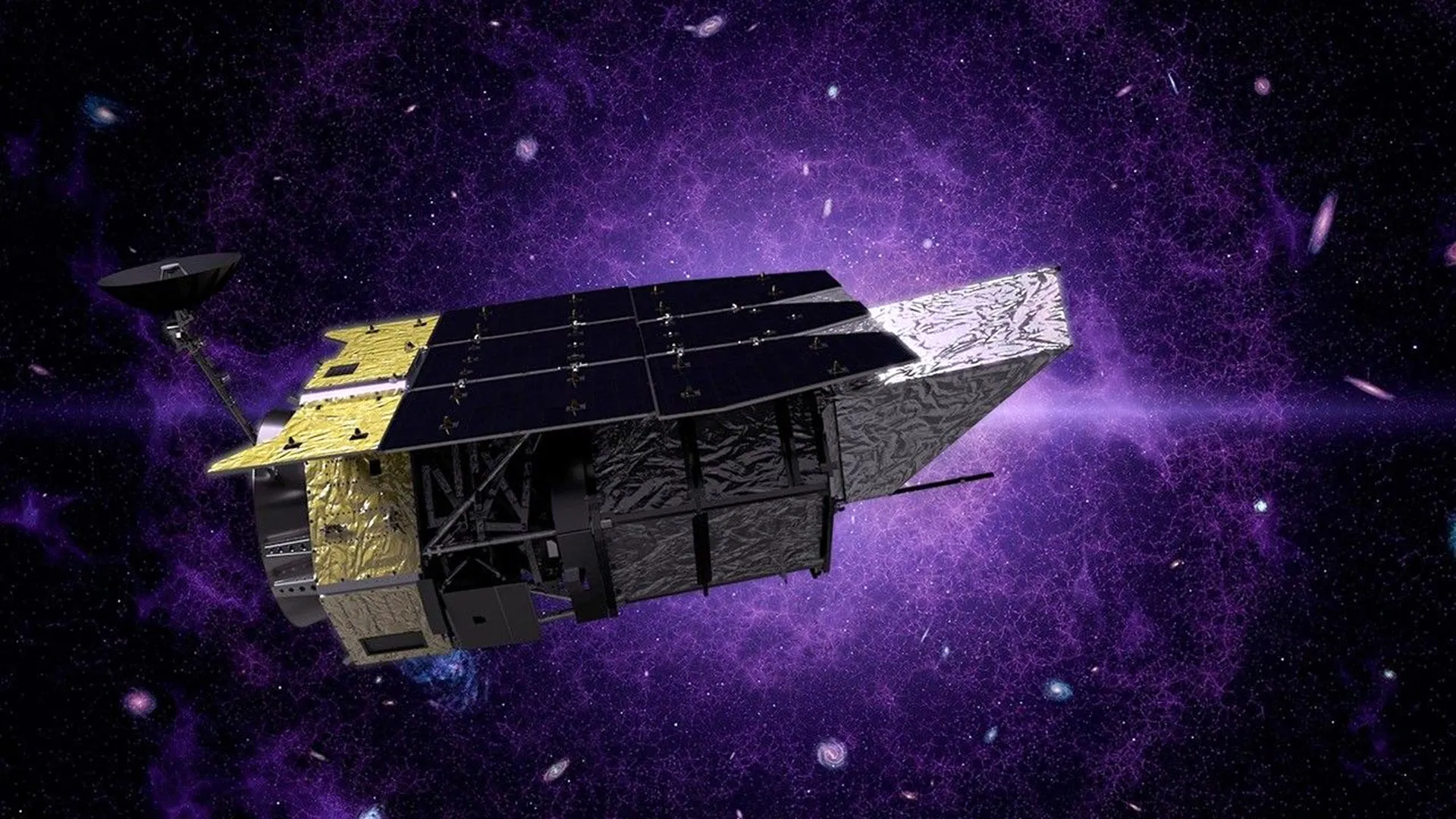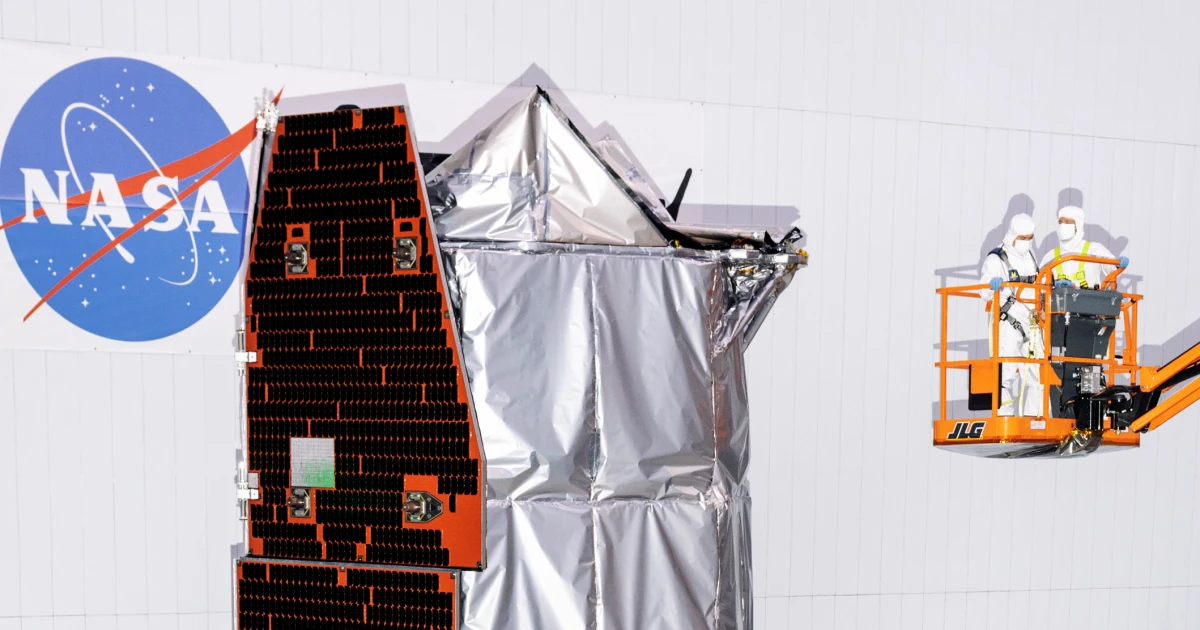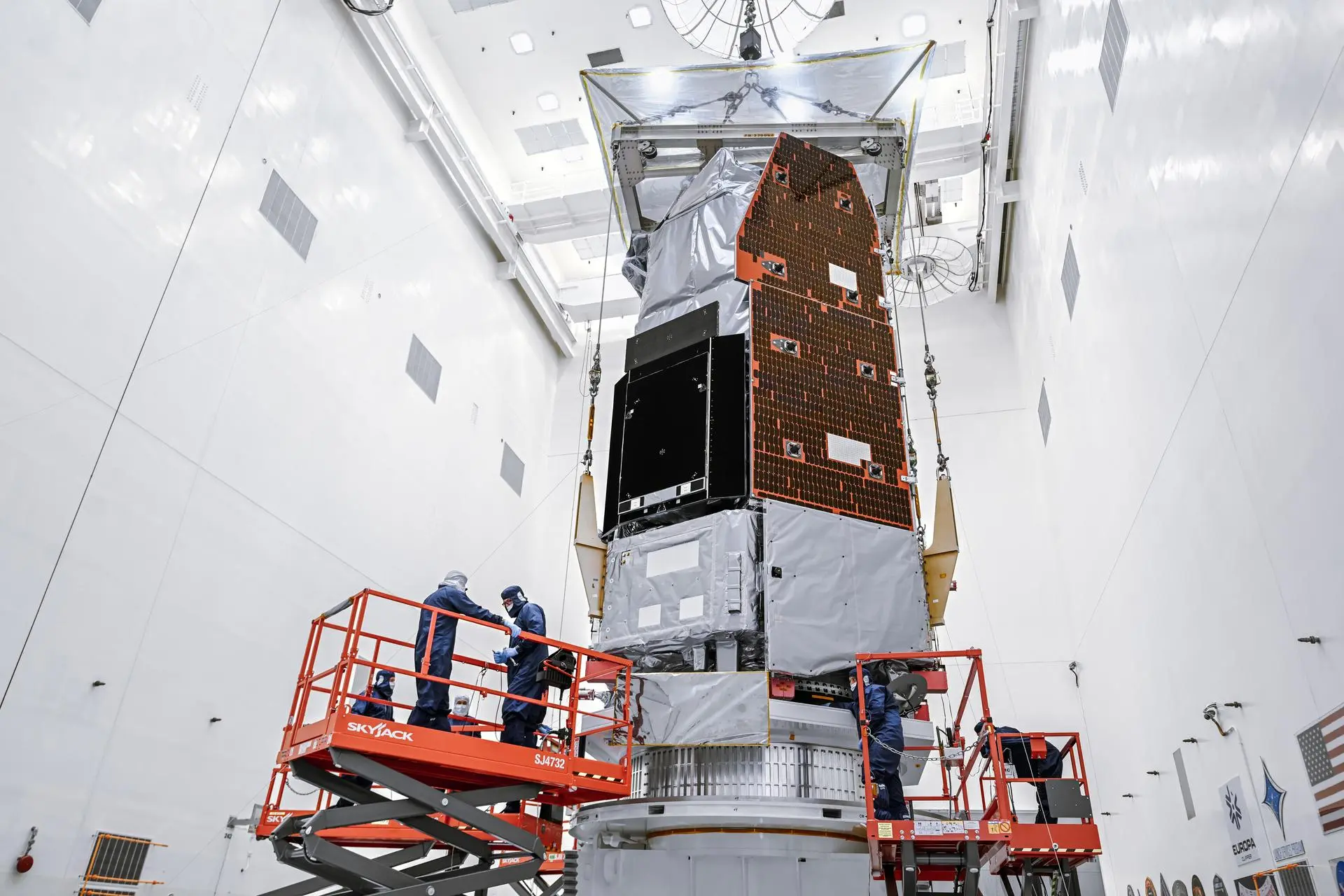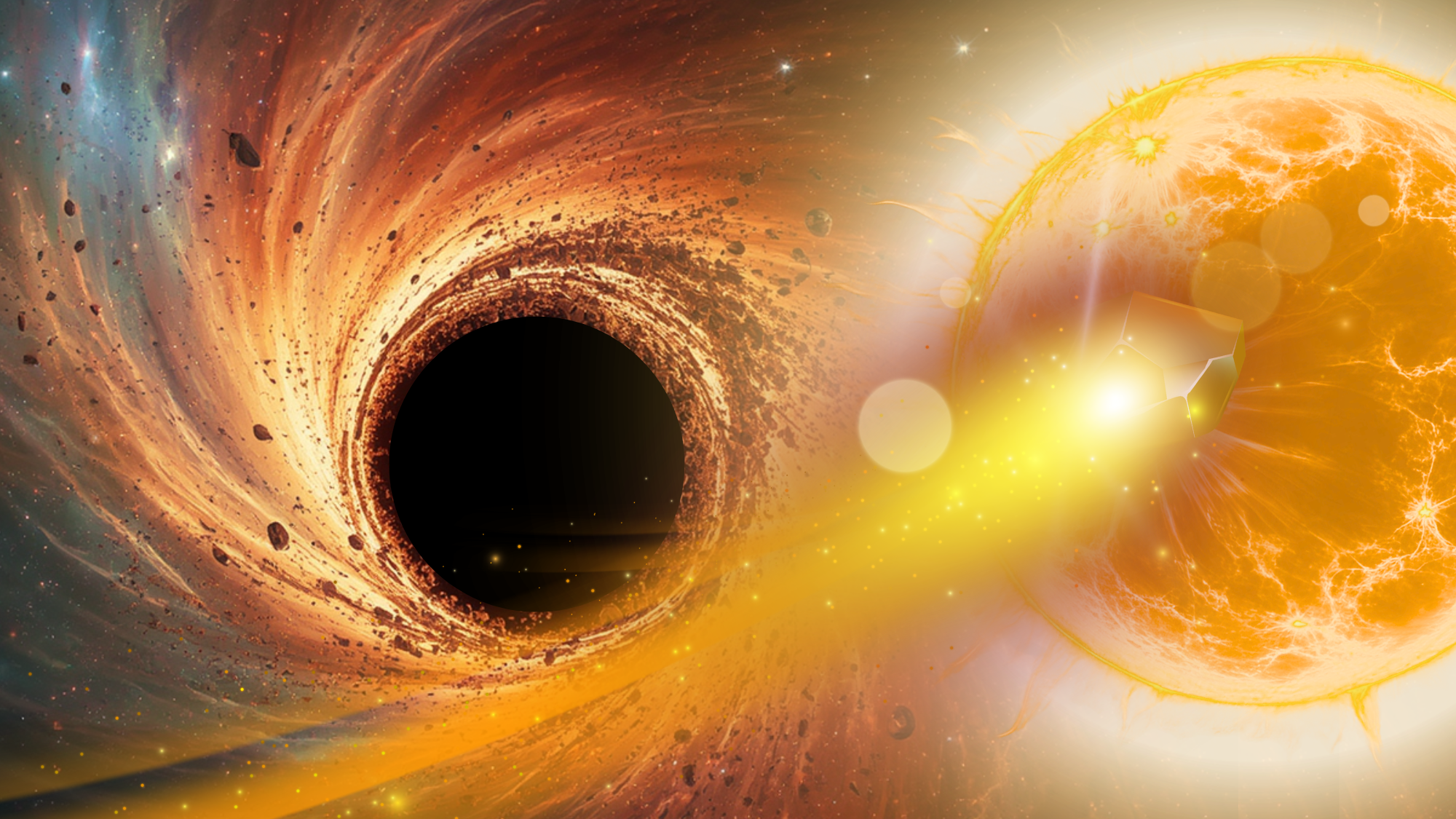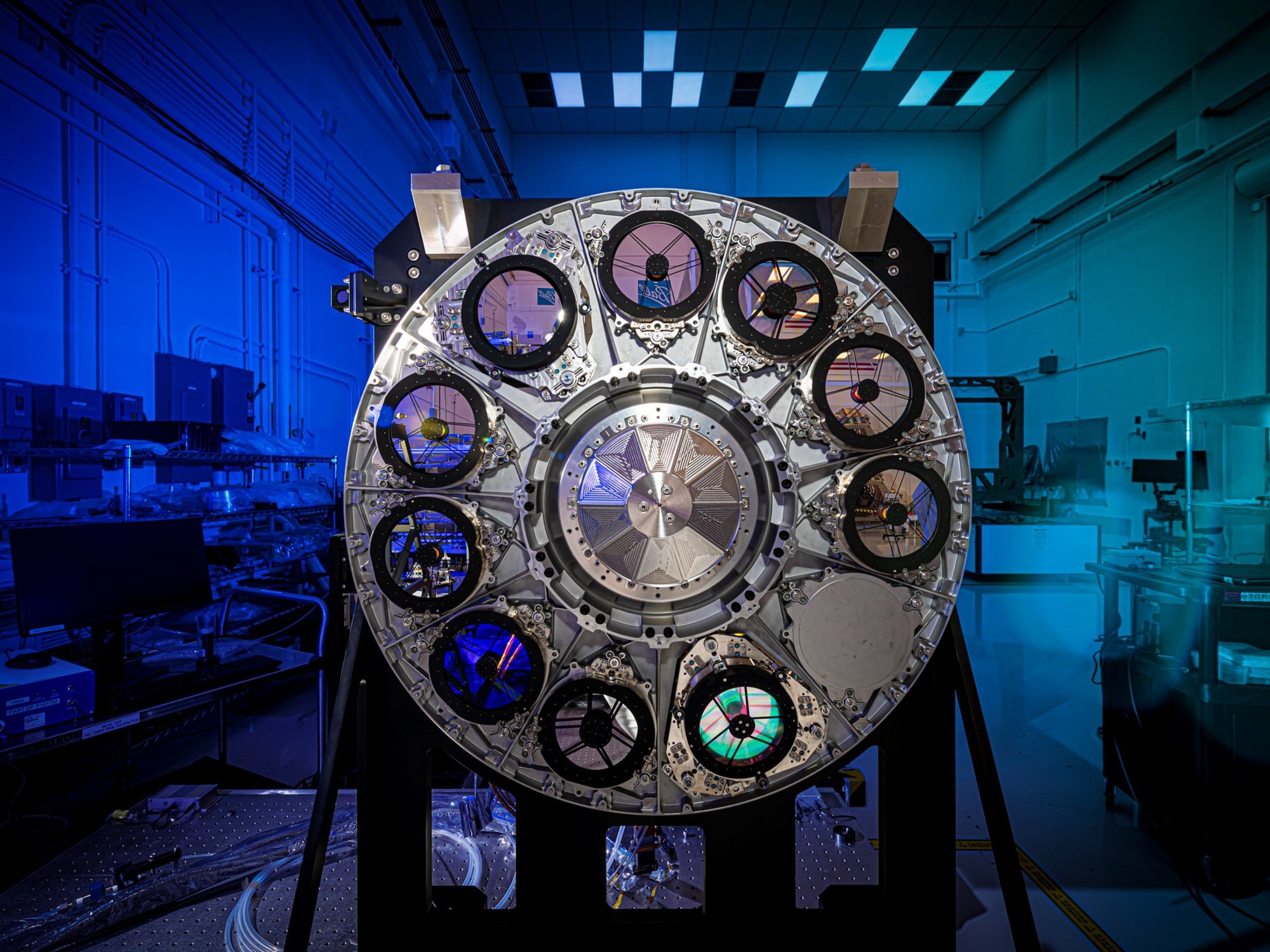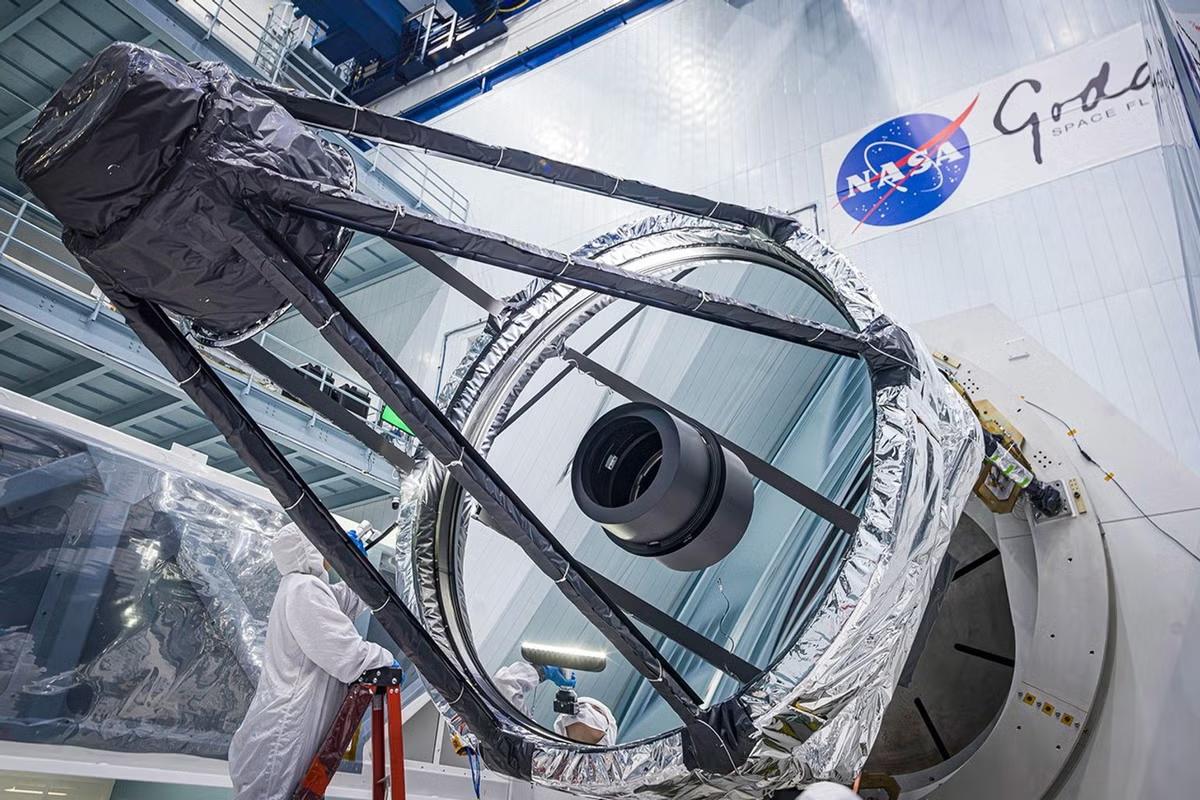
Jump to contentThank you for registeringPlease refresh the page or navigate to another page on the site to be automatically logged inPlease refresh your browser to be logged inAllNewsSportCultureLifestyleNASA is preparing to launch the Nancy Grace Roman space telescope in late August from Florida's Kennedy Space Center, ahead of schedule and under budget. The observatory is named after NASA's first chief of astronomy, Nancy Grace Roman, and is designed to study the universe's origin, composition, and evolution. Roman features a wide-field instrument, capable of surveying the cosmos about 1,000 times faster than Hubble's infrared camera, and a coronagraph to block starlight for direct exoplanet imaging. The telescope will investigate dark matter and dark energy, which constitute the majority of the universe, and aims to detect billions of galaxies and tens of billions of stars. It will also conduct the largest survey yet of exoplanets using gravitational microlensing, and its observations will test current cosmological models and potentially reveal new physics. In fullNASA’s new telescope could solve some of the universe’s biggest mysteriesMore bulletinsThank you for registeringPlease refresh the page or navigate to another page on the site to be automatically logged inPlease refresh your browser to be logged in
NASA hopes new telescope will gain much broader knowledge of universe
Jump to contentThank you for registeringPlease refresh the page or navigate to another page on the site to be automatically logged inPlease refresh your browser to be logged inAllNewsSportCultureLifestyleNASA is preparing to launch the Nancy Grace Roman space telescope in late August from Florida's Kennedy Space Center, ahead of schedule and under budget. The observatory is named after NASA's first chief of astronomy, Nancy Grace Roman, and is designed to study the universe's origin, composition, and evolution. Roman features a wide-field instrument, capable of surveying the cosmos about 1,000 times faster than Hubble's infrared camera, and a coronagraph to block starlight for direct exoplanet imaging. The telescope will investigate dark matter and dark energy, which constitute the majority of the universe, and aims to detect billions of galaxies and tens of billions of stars. It will also conduct the largest survey yet of exoplanets using gravitational microlensing, and its observations will test current cosmological models and potentially reveal new physics. In fullNASA’s new telescope could solve some of the universe’s biggest mysteriesMore bulletinsThank you for registeringPlease refresh the page or navigate to another page on the site to be automatically logged inPlease refresh your browser to be logged in