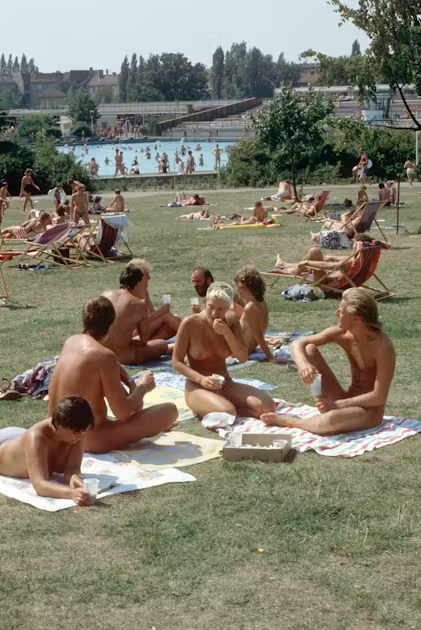
August 1983. A family wades toward the camera, light flat on the lake at Senftenberg. The father is slim, dark-haired. The mother the same, water at her knees, one arm swinging. Neither shaved nor tended for display. Between them, their toddler grips their hands, lifted half out of the spray. All three smiling. Behind them other bathers, most of them naked too, just shapes in the glare. A Bundesarchiv photograph. The kind of state press photo that ran in GDR papers and travel magazines then without comment.
Try to take this photograph today. The phone comes out; someone turns away, reaches for a towel. The child’s face would need blurring before it went anywhere. The image would belong to whoever posted it, and then to the platform, and then to whatever algorithm came looking. This one sits in an archive. It went nowhere. That’s what makes it strange now.
The Naked Republic
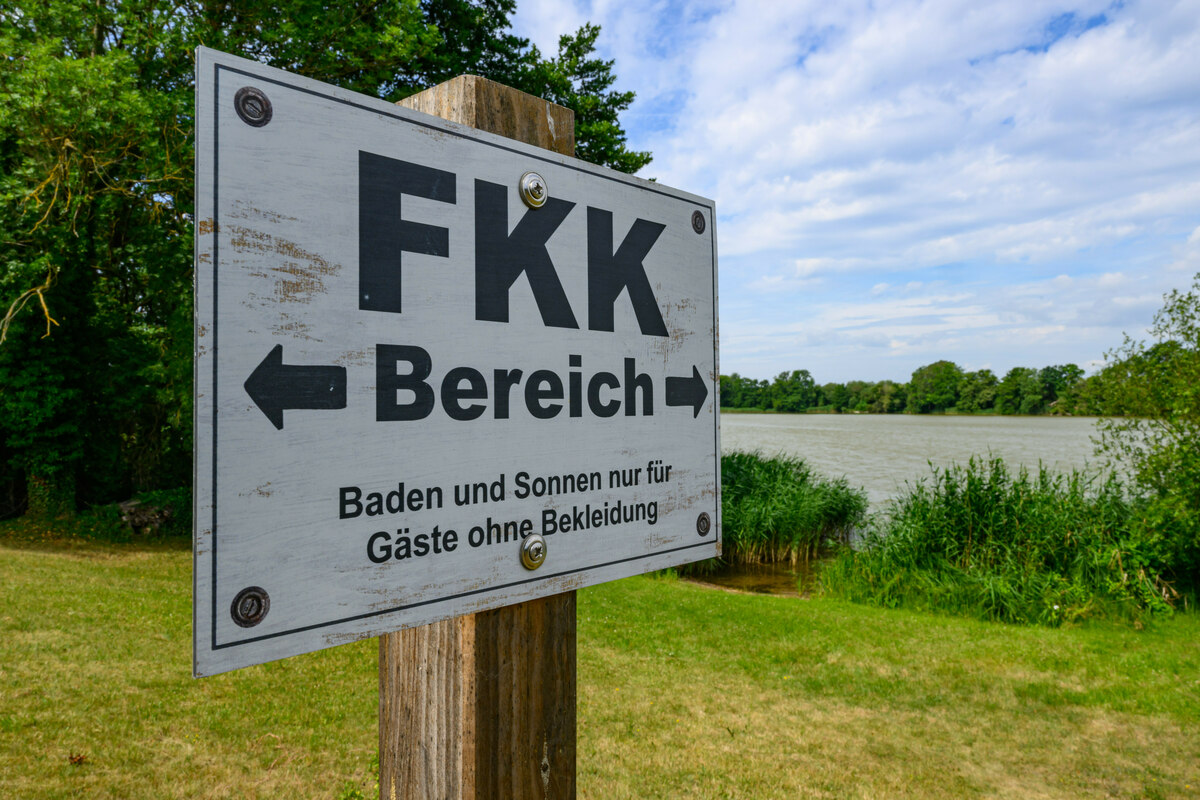
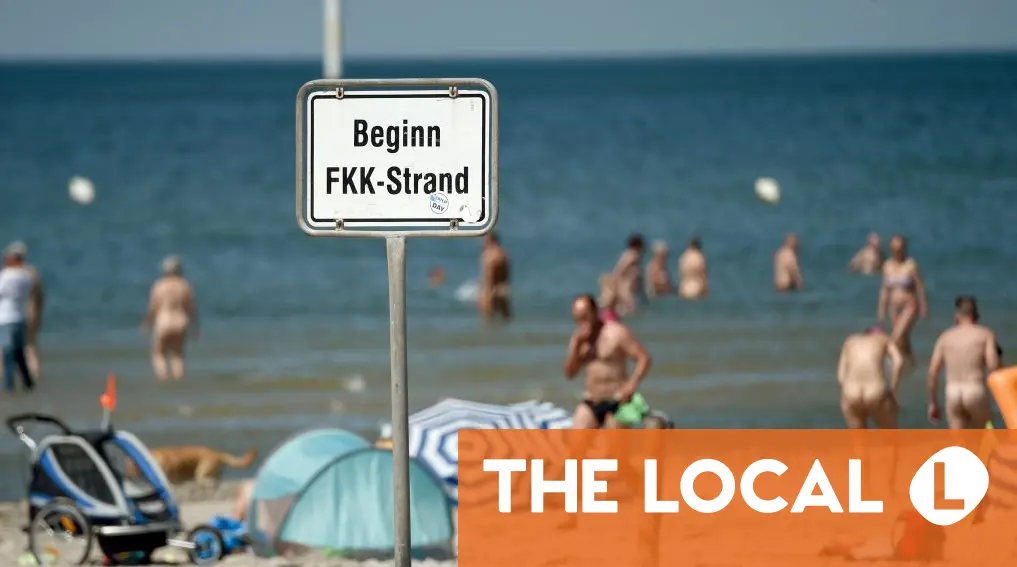
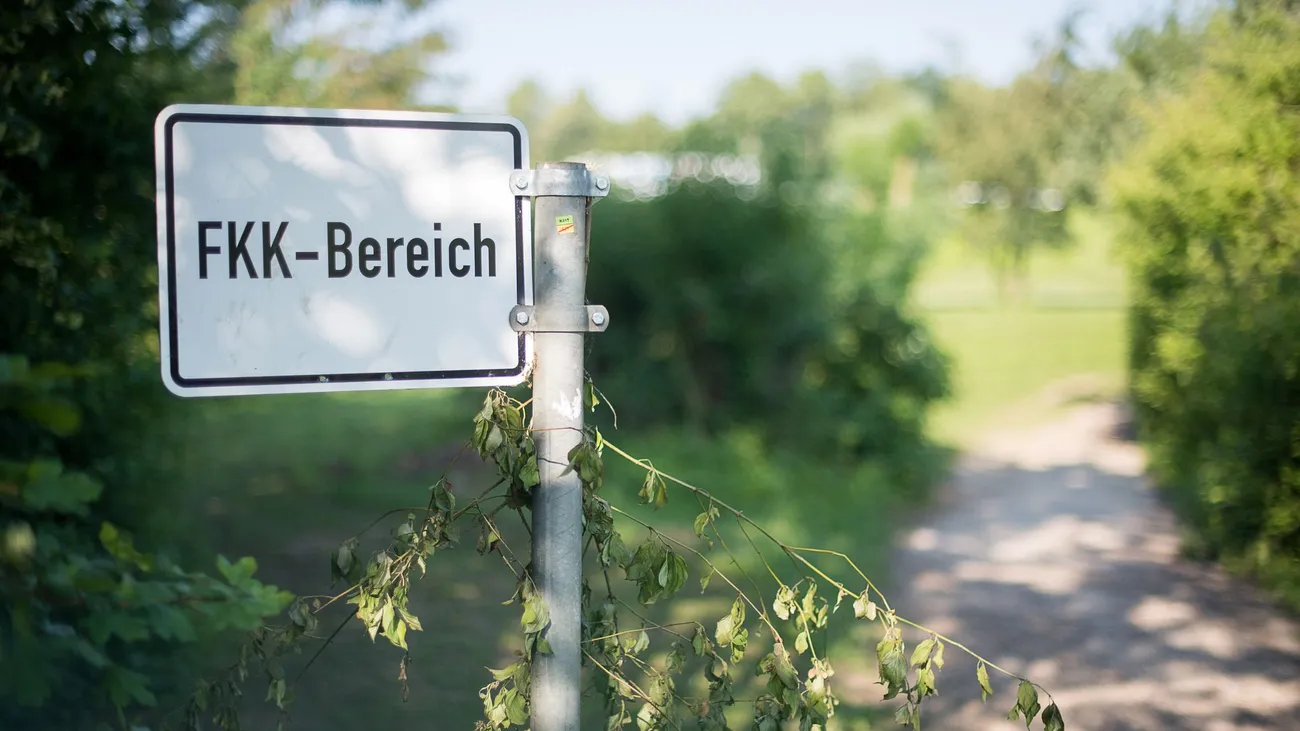
FKK came out of nineteenth-century life-reform movements, all sunshine and callisthenics, the body as improvement project. In the GDR it lost the ideology and became ordinary. By the late seventies, Baltic beaches and lakes around Leipzig filled each summer with naked families, naked pensioners, naked factory workers on holiday. The state hadn’t planned this. Early officials called nudism bourgeois decadence and tried to ban it. The bans didn’t hold. Too many people had already undressed.