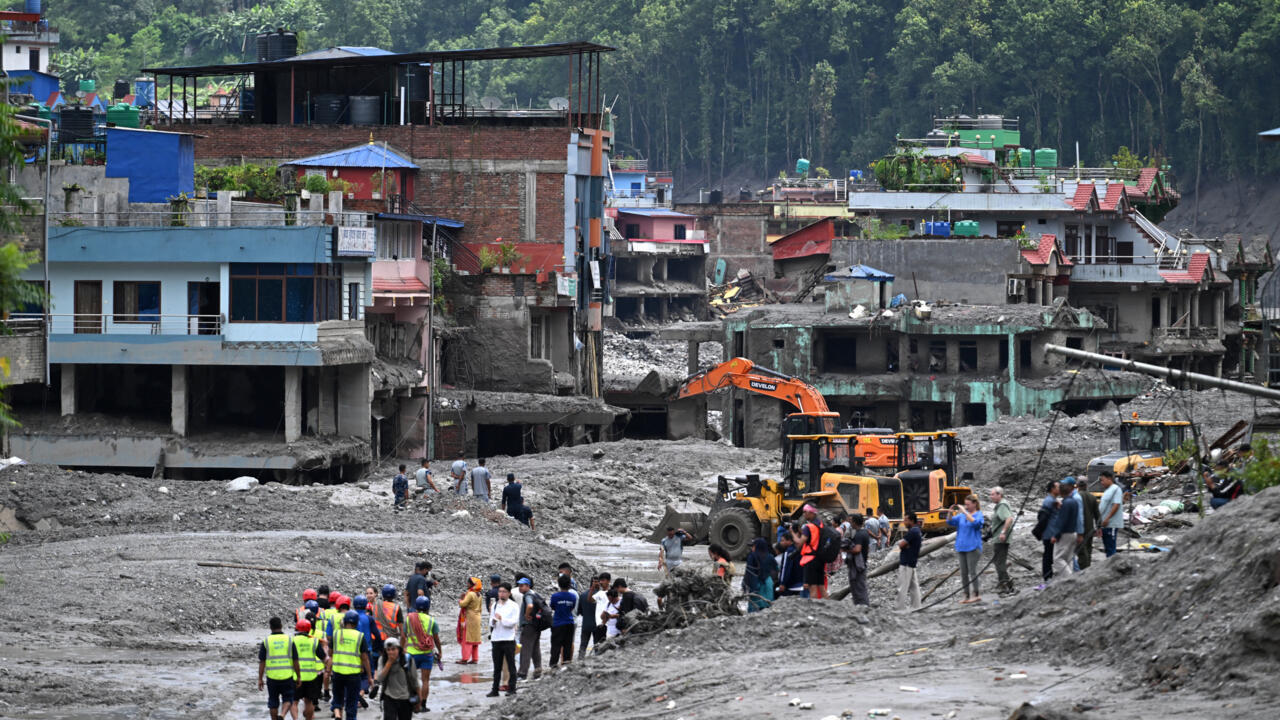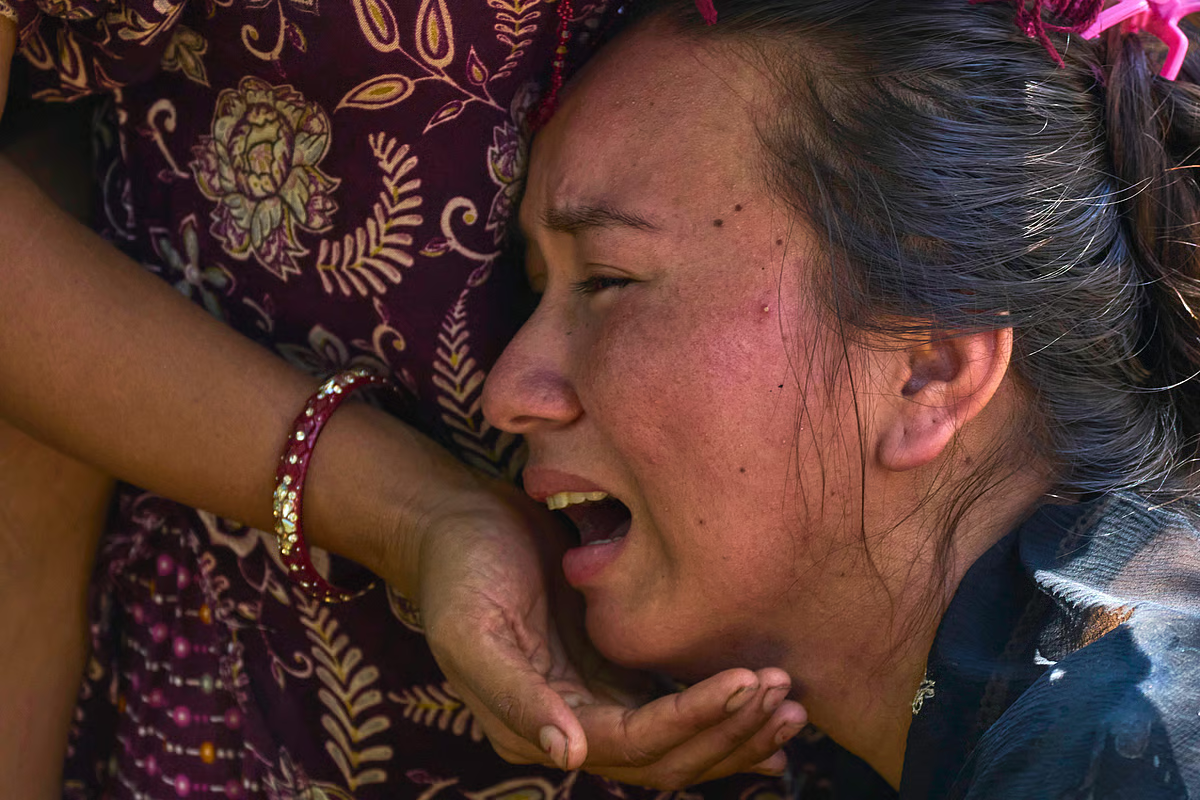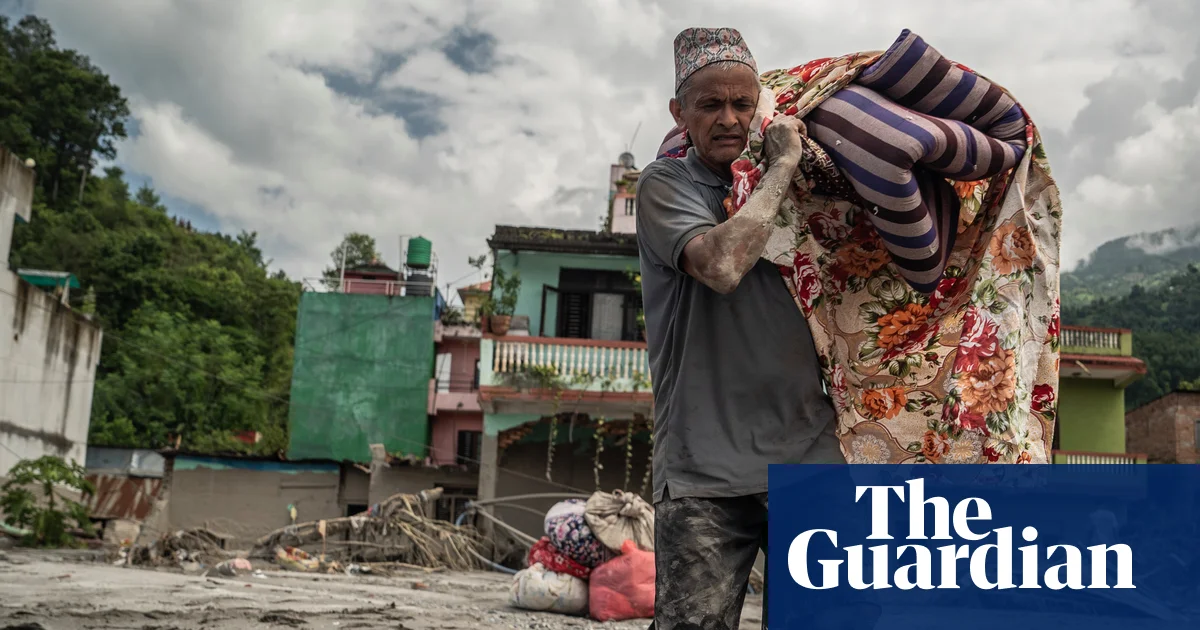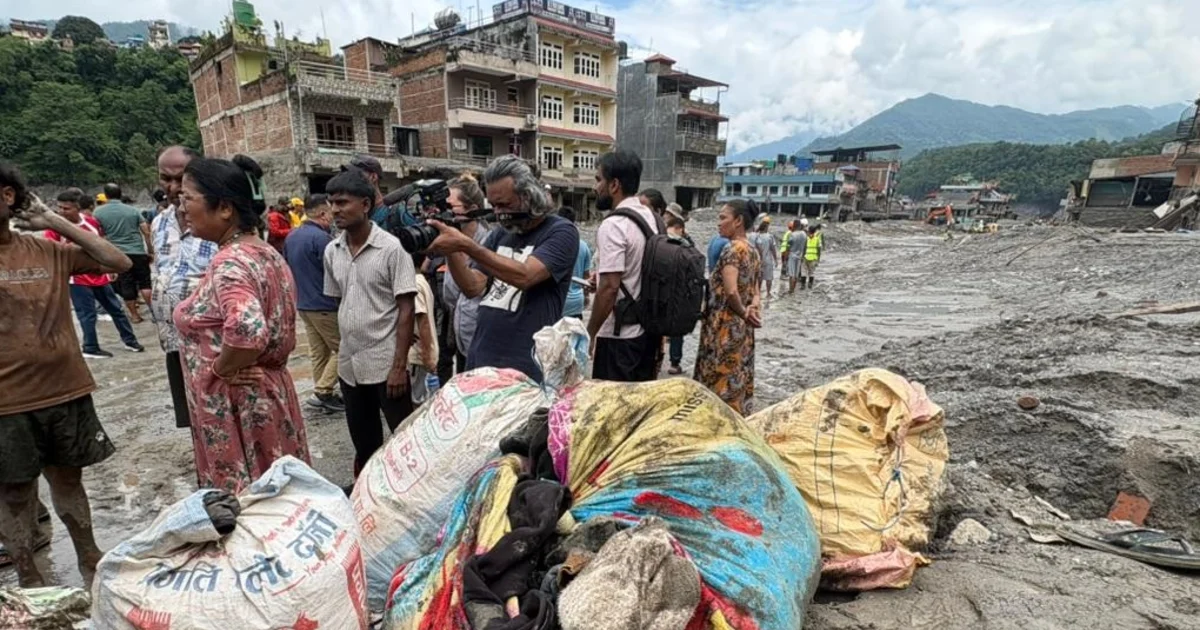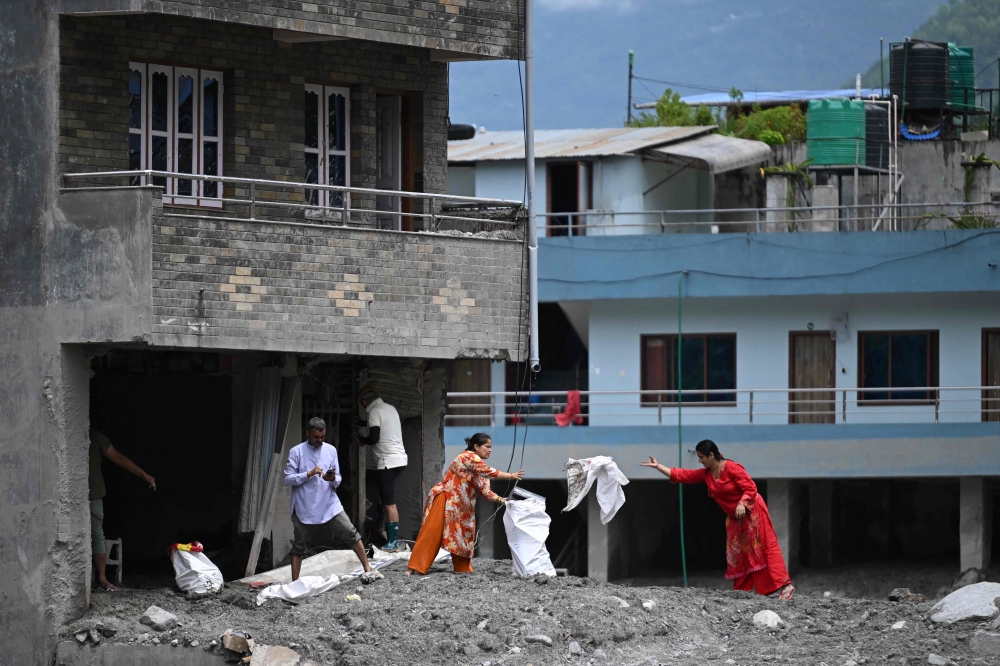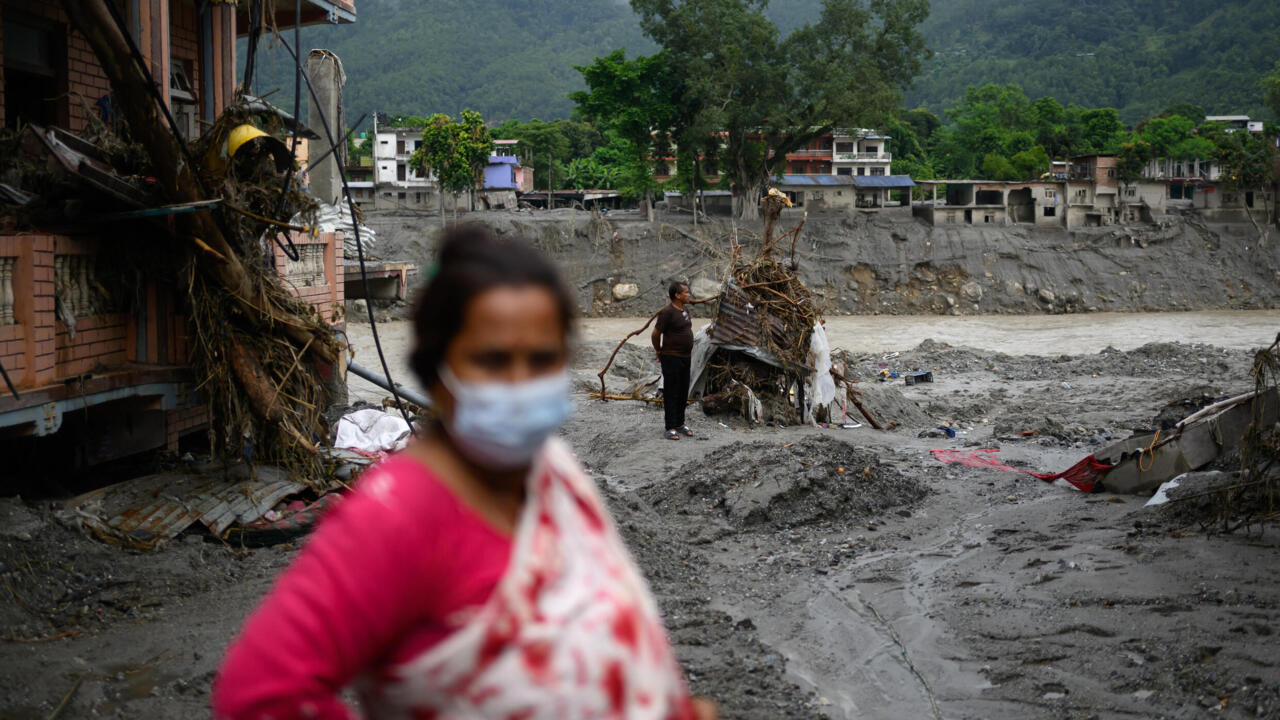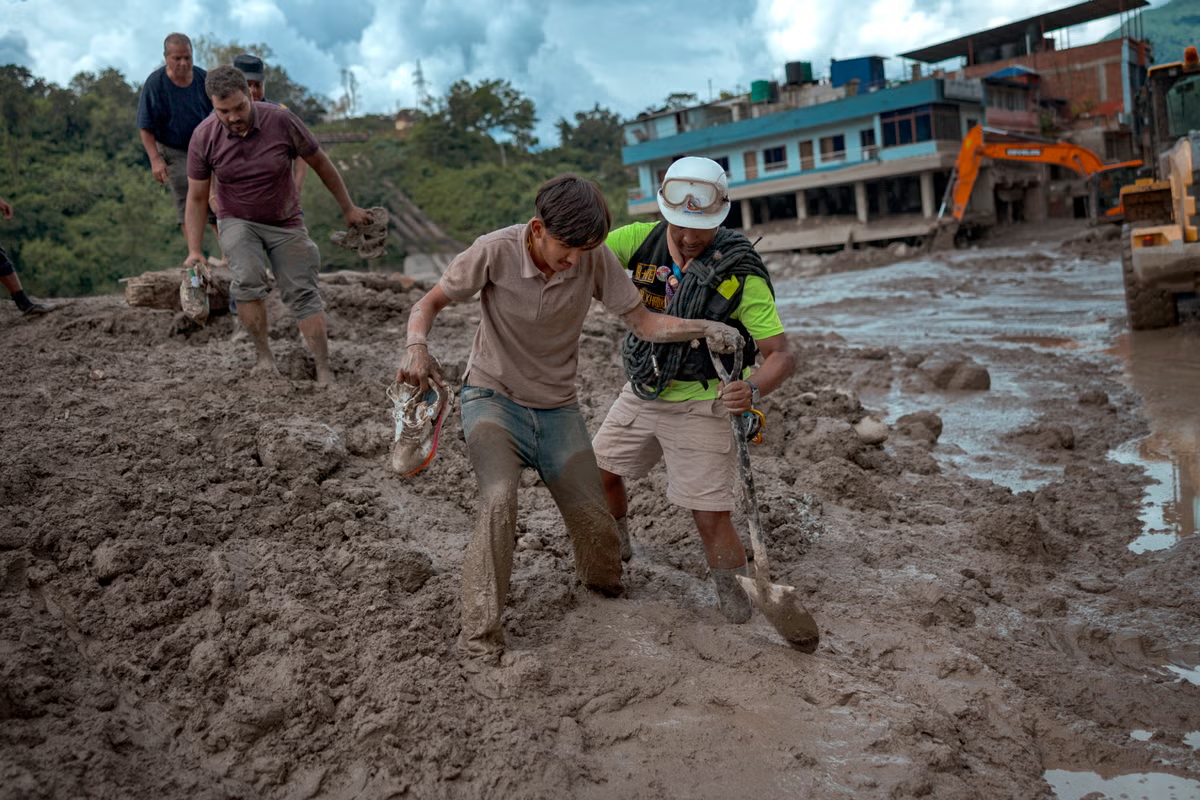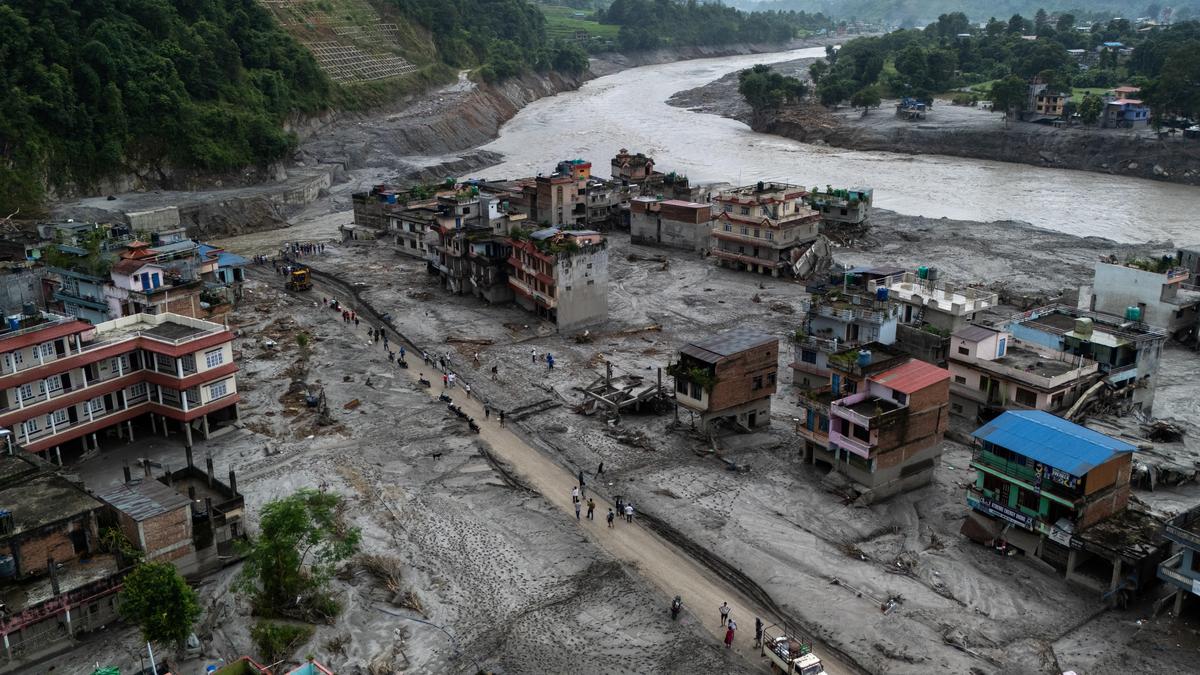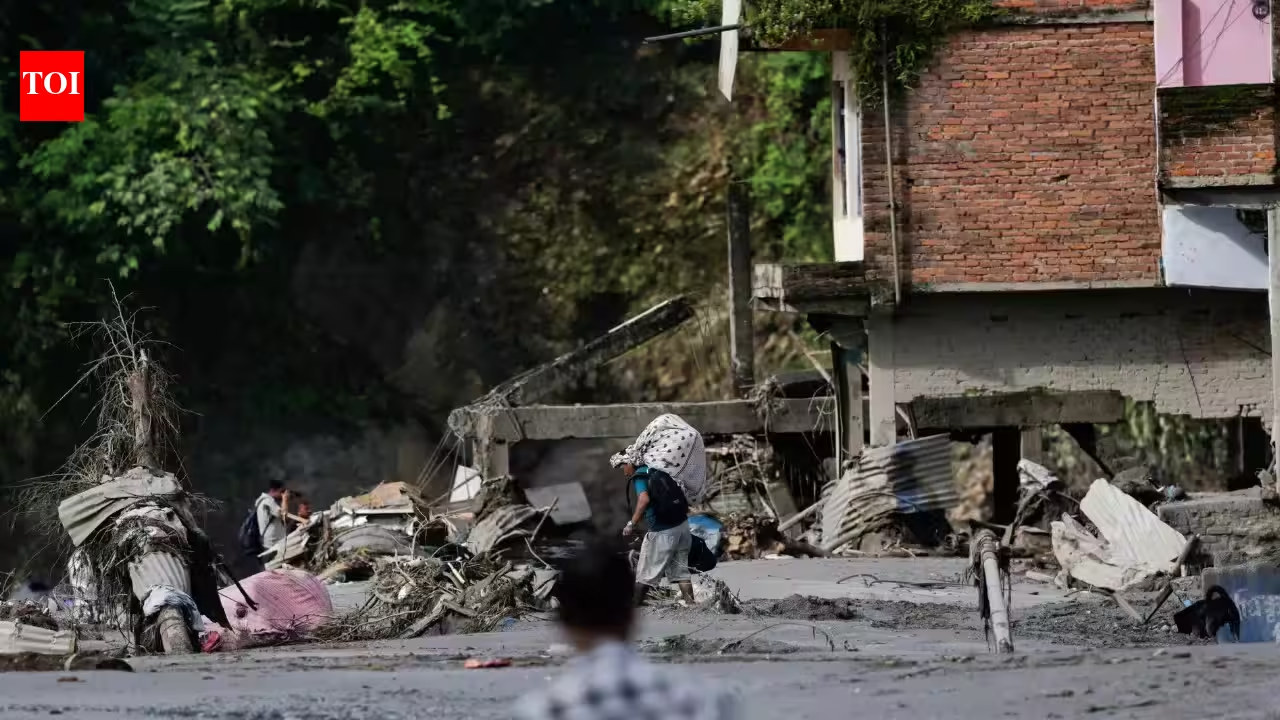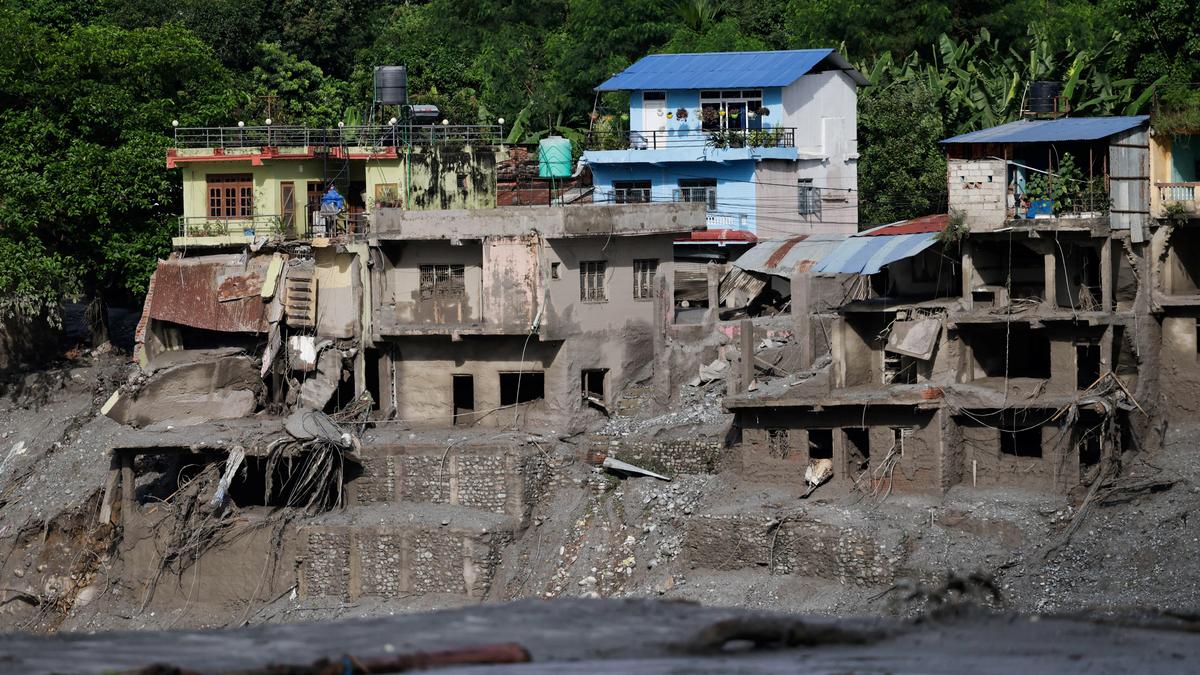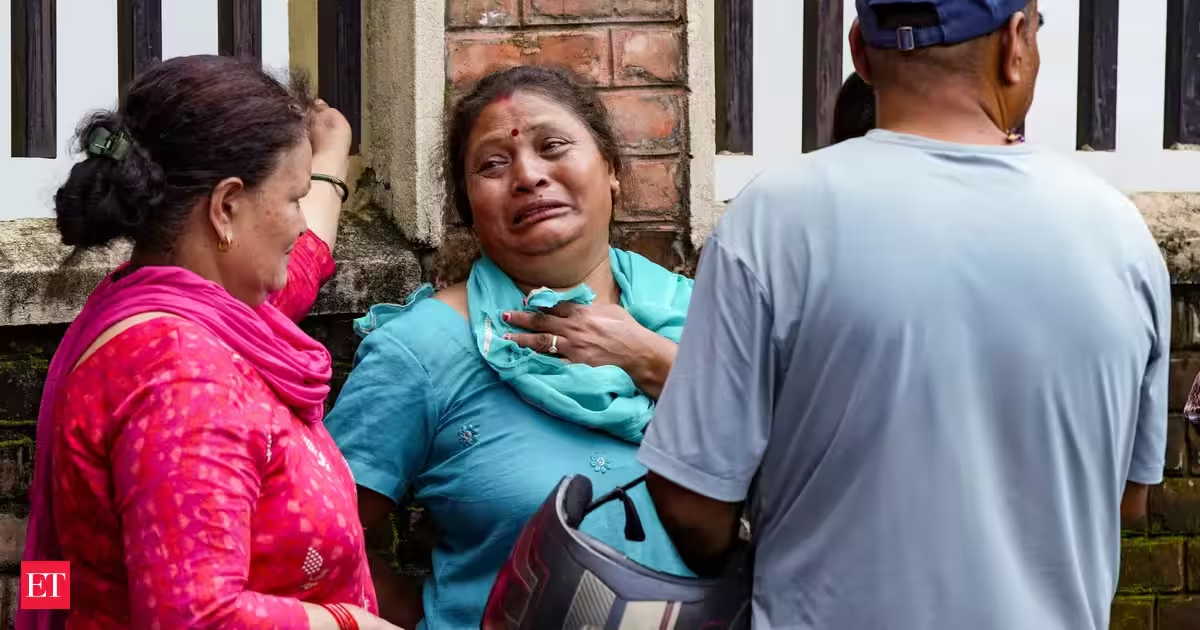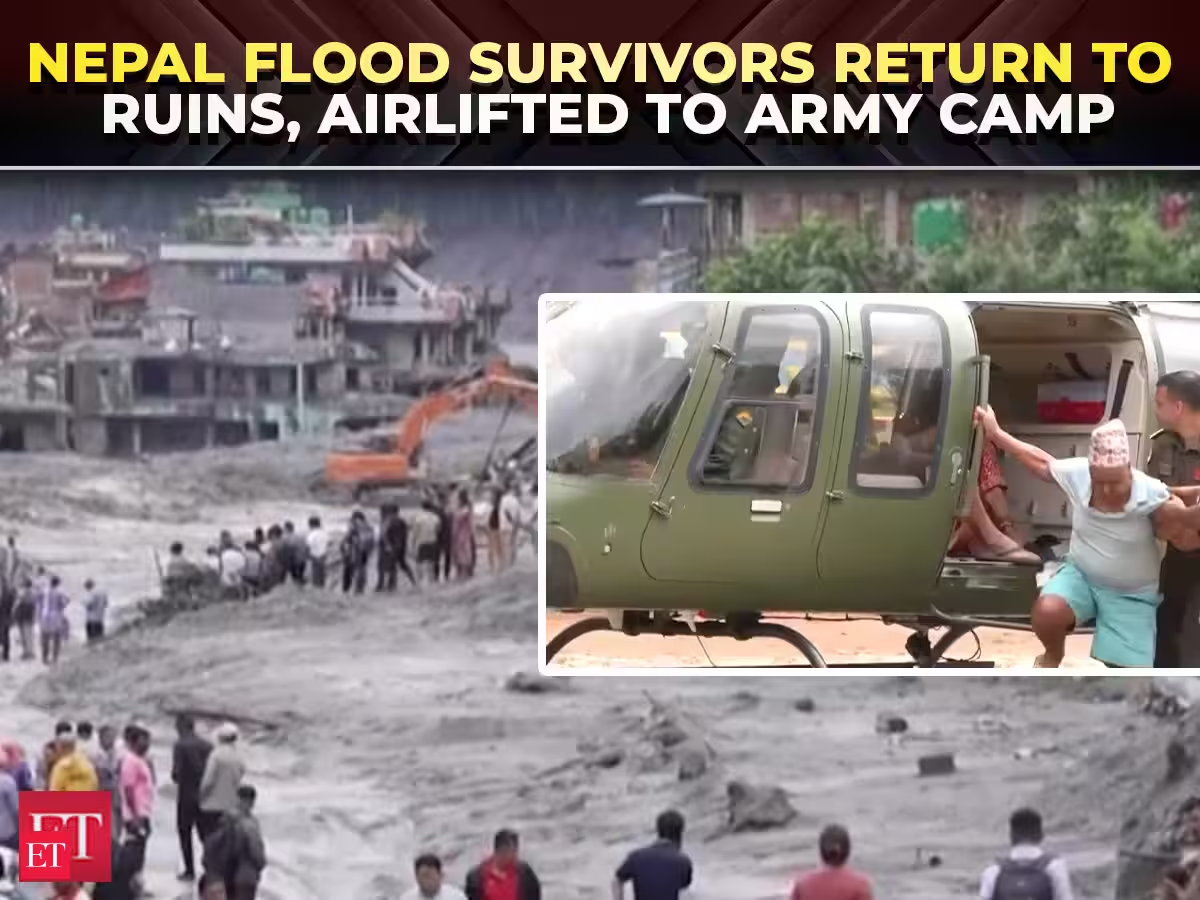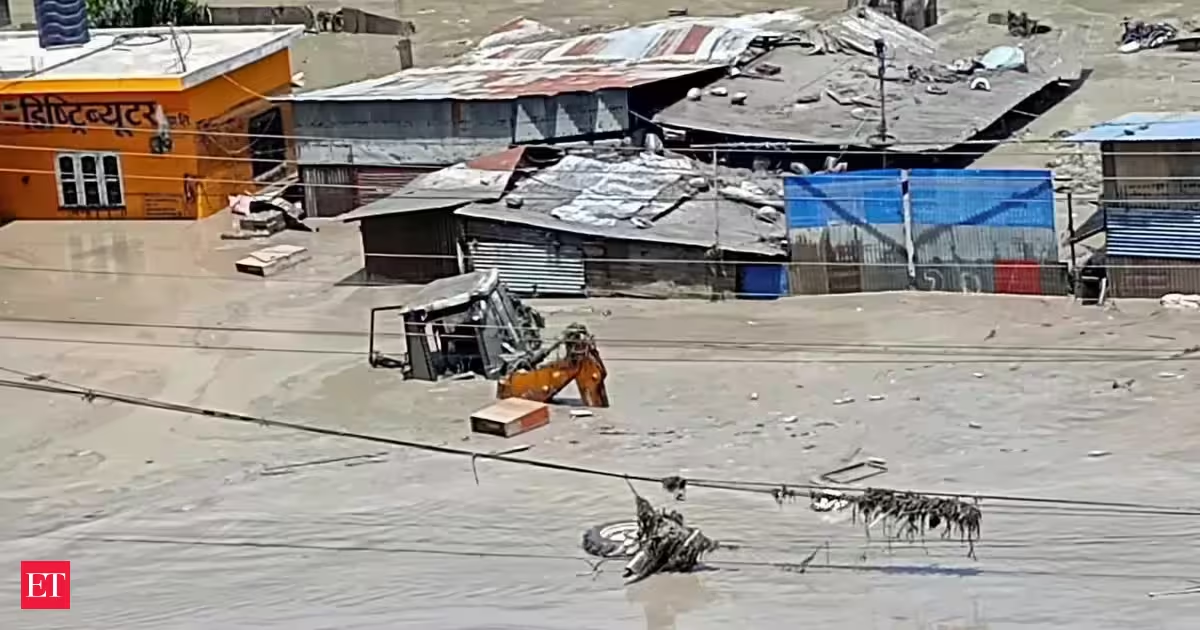
Galchhi (Nepal): "Everything was here before, but now there is nothing left," said Nayan Tiwari, who is among the many people returning home to Galchhi in flood-hit central Nepal, trying to recover whatever belongings remain and restore spaces that were once filled with everyday life.The flash floods of August 26 travelled downstream through the Bhotekoshi and Trishuli river system, leaving a trail of destruction across northern and central Nepal. The disaster left survivors picking their way through mud and debris, relatives searching for missing loved ones outside hospitals, and rescue teams racing against time to reach those stranded in the flood-hit areas.The death toll crossed 700 on Sunday, while around 2,500 people are still missing.Also Read: 537 workers remain missing as Nepal races to reach flood-hit hydropower tunnelsNayan Tiwari, who studies in class 11, and his cousin Nivi Tiwari are among those trying to piece their lives back together.The two have been clearing debris from their flood-damaged home, salvaging whatever belongings they can find under layers of mud and sand and separating what can still be used, as they begin the painstaking task of rebuilding their lives.Nayan told PTI Videos he was in Kathmandu when the flood struck. After learning about the situation, he immediately told his family in Galchhi to leave the house and move to a safer location at a higher elevation.Soon after the family members left, the water flow intensified and swept away everything in its path.Galchhi is a rural municipality town in Dhading district of Bagmati province, located about 50 kms northwest of Kathmandu and situated in a hilly area ranging from 2,000 feet to 3,500 feet.For the Tiwari family, the house is more than just a structure. It holds nearly a decade of memories, including their childhood and years spent together as a family."Everything was here before, but now there is nothing left. Everything has been destroyed. It feels really bad. But we will rebuild it. We will work hard and make the house like it was before," said Nayan.His house was badly damaged -- the basement was filled with sand, while mud and debris had entered the first floor, including the kitchen and bedrooms.Nayan said more than 15 houses around their home were completely washed away in the powerful current.The devastation has also taken an emotional toll on Nivi, who was also in Kathmandu when she first learned about the floods.She said she felt devastated when she saw the condition of her home for the first time after returning."I had never seen such a devastating flood before. When I came back and saw my house, I felt completely helpless," she said.Despite the destruction, Nivi and her family have begun cleaning the house and removing the debris."We are working hard with our family to make this house like it was before. We will repair it soon because our childhood was spent here. We learned to walk and read in this house. Now it has been badly damaged, but we will rebuild it," she said.The family is now relying on relief materials for some of its immediate food and other basic needs.The floodwaters may be receding, but the destruction is still visible everywhere. For those who lost homes, belongings and years of memories, the difficult process of rebuilding has only just begun.Yet, amid the debris, families like the Tiwaris are determined to start again, one shovel of mud, one salvaged belonging and one repaired corner of their home at a time.The devastation was also visible in Trishuli in Nuwakot district, where people searched through the wreckage for belongings and relatives, walking through thick layers of mud left behind by the raging waters.At Devighat, displaced families gathered at an emergency relief camp for food, shelter and other assistance.A catering worker at the camp said meals had begun being prepared for survivors and would continue for as long as people needed them."We will not say that the food supply has ended. Whoever comes here will be provided free meals," the worker told PTI Videos.At a teaching hospital in Kathmandu, relatives gathered near the morgue as posters and photographs of flood victims were put up, hoping to identify loved ones who remain missing.The search has stretched across districts as bodies swept away by the floodwaters have been recovered far downstream, leaving families waiting for information about relatives whose whereabouts remain unknown.Among those missing are eight people from Bihar's Samastipur district, who were working at a tyre and hardware shop in the Battar area of Nuwakot district.According to Sandesh Poddar, his eight associates have been missing since the floods and their mobile phones are also unreachable.His friend Ajay said the road from Galchhi towards Rasuwa has been blocked, making it difficult for them to travel further and search for their missing associates.The disaster has also left survivors recounting moments when they narrowly escaped the surging waters.Renjitha Vinay Kumar, who returned to Kerala's Nedumbassery airport on Sunday, recalled seeing huge trees being swept away."It's a blessing that we escaped and survived," she told PTI Videos.Another pilgrim, Vineeth Kumar, recalled seeing water rushing through the affected area with tremendous force."About 500-600 metres away, we saw water gushing out like a tsunami," he said.The disaster struck when an ice-rock avalanche following a glacial collapse near the Nepal-Tibet border sent a torrent of water, mud and debris downstream.
Nepal floods: Families pick up pieces, try to rebuild lives amid debris
Flash floods swept through central Nepal, destroying homes and leaving many missing. Survivors are now sifting through mud and debris to recover belongings. Rescue teams are working to reach stranded individuals in affected areas. Families are relying on relief materials for basic necessities and shelter. The difficult process of rebuilding lives and homes has just begun.
884 words~4 min read