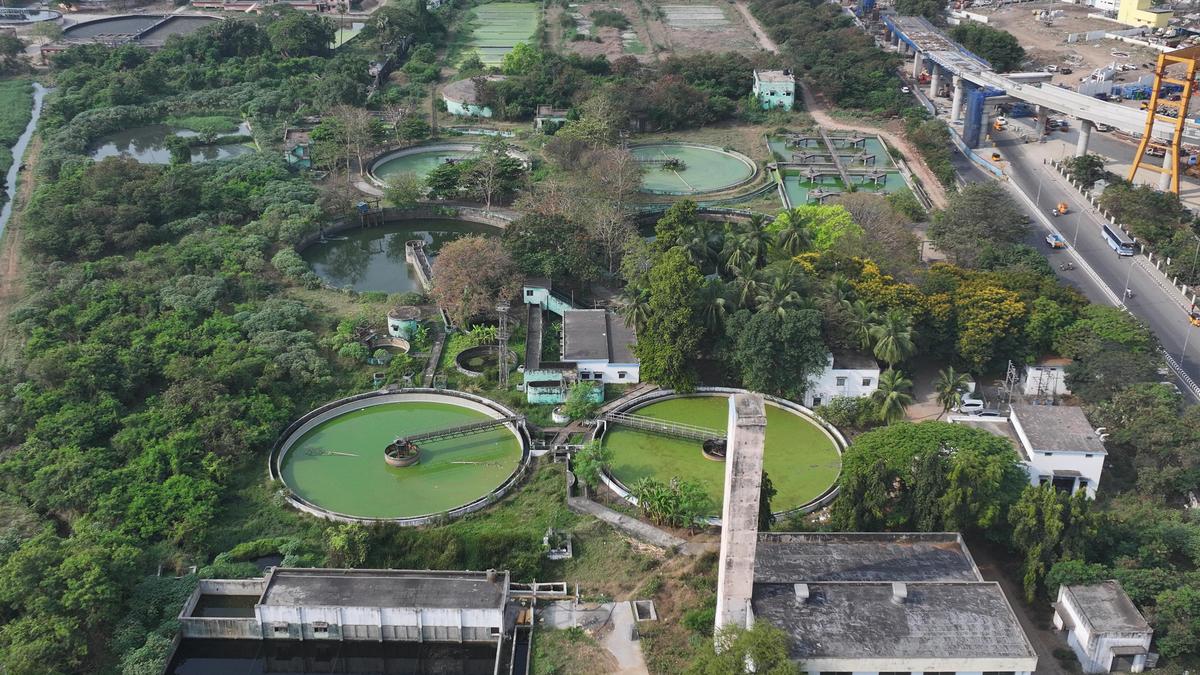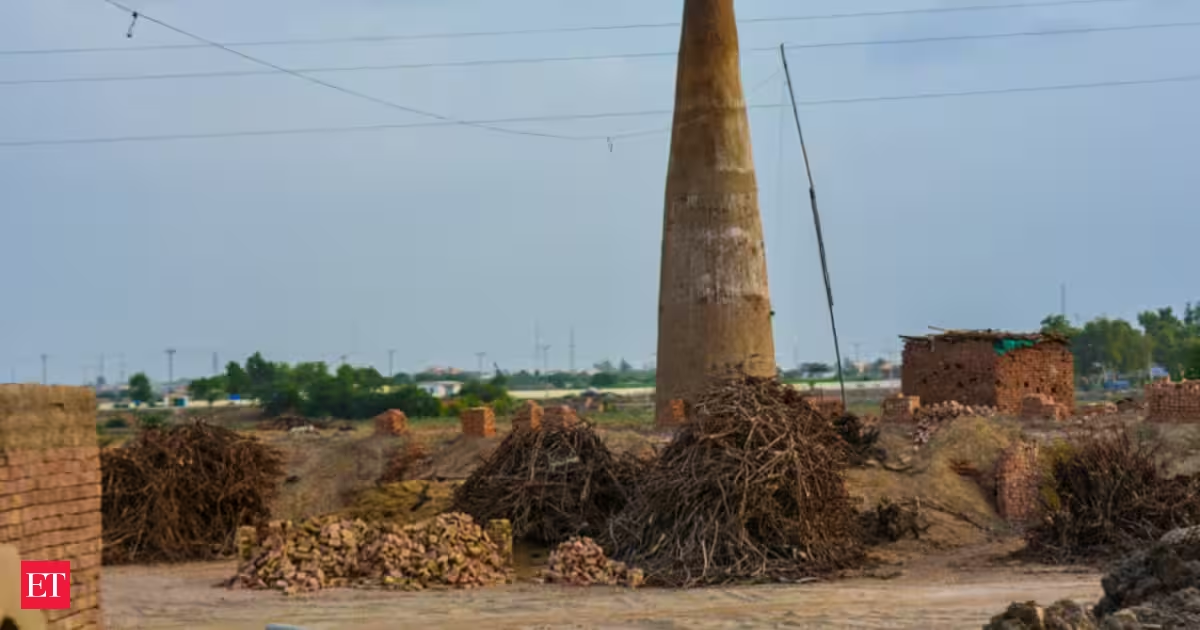
In 2019, RMIT researchers fired clay bricks mixed with treated sewage sludge; a 25% biosolids batch cut firing energy by 48.6% while passing strength testsSynopsisResearchers are exploring ways to recycle sewage sludge into building materials. Mixing biosolids into clay significantly cuts the energy needed for brick firing. This process helps reduce landfill waste and the environmental impact of construction. Studies show sludge can either maintain or improve brick strength depending on conditions. These innovations offer a dual solution for waste management and sustainable building.A tall conical brick kiln in an outdoor brickyard with piles of firewood. Image credits: Wikimedia CommonsTwo unrelated waste problems have been building up in parallel in different parts of the same broader industry. Every year, wastewater treatment plants worldwide generate millions of tonnes of biosolids and about 30% of this material ends up in stockpiles or landfills because there are not enough beneficial uses for it. In the meantime, brick manufacturers worldwide extract more than 3 billion cubic meters of clay soil to produce about 1.5 trillion bricks each year, a figure that rises with construction demand. In 2019, researchers at RMIT University in Melbourne decided to explore the connection between these two issues by producing fired‑clay bricks out of sewage sludge, as described in the university’s 2019 news release on recycling biosolids into sustainable bricks.Mixing biosolids into clay cut the energy needed to fire bricks by nearly half The team, led by Associate Professor Abbas Mohajerani, collected biosolids samples from Melbourne's Eastern and Western Treatment Plants and mixed them with clay at four ratios, ranging from 10% to 25% of the total mass. Every batch of bricks was burned and analyzed for physical, chemical and mechanical properties. The study, titled 'A Proposal for Recycling the World's Unused Stockpiles of Treated Wastewater Sludge (Biosolids) in Fired-Clay Bricks', reported that bricks containing 25% biosolids from the Western Treatment Plant required 48.6% less firing energy than conventional clay bricks. The researchers stated that this reduction in firing energy is explained by the burning of the organic matter contained in the biosolids.However, these bricks maintained their structural integrity. The compressive strength of biosolids-containing batches ranged between 12.04 MPa and 35.5 MPa and was well within the compressive strength range of typical fired-clay bricks. The tests further revealed that heavy metals present in the raw biosolids were largely immobilized during firing, with leaching from the finished bricks well below regulatory limits set by U.S. and Australian environmental agencies. The resulting bricks were more porous than conventional bricks, giving them lower thermal conductivity and better insulating properties.A nearly 50% energy cut comes with trade-offs researchers are still working throughBeing the most energy-consuming step in brick production, firing is a key target for energy conservation, so cutting its energy use by nearly 50% could offer an environmental benefit. Mohajerani has noted that biosolids can vary substantially in chemical composition depending on the treatment plant, and recommended further testing of different biosolids before industrial-scale use. However, the study outlines a specific path forward: incorporating at least 15% biosolids into 15% of global brick production would be enough to absorb roughly 5 million tonnes per year of the biosolids that are currently stockpiled or landfilled in the U.S., EU, Australia, New Zealand and Canada.Other sludge-in-brick studies show strength can improve at lower dosagesAlthough RMIT achieved its results by maintaining strength and reducing energy demand, other scientists who experimented with sludge in clay bricks observed that, at smaller proportions, sludge may enhance the strength of clay bricks, a different trade-off than RMIT's approach of maintaining strength at much higher replacement rates. A 2023 study in the Journal of Material Cycles and Waste Management, ‘The potential of sludge from wastewater treatment plants to improve the mechanical properties of bricks,’ tested waste sludge from two Eastern Algiers wastewater treatment plants in swelling‑clay bricks at 5%, 10%, and 15% by weight and firing temperatures of 600 °C, 800 °C, and 1000 °C. The tests showed that the maximum compressive strength was obtained when 5% sludge was added to the brick and fired at 800°C.Aerial view of a wastewater treatment plant. Image credits: Wikimedia CommonsThis finding differs from the earlier RMIT study, though the two used different biosolid sources, dosages, and firing conditions. While the RMIT study suggests that a significant amount of clay can be replaced with sludge without weakening the brick and while reducing energy use, the other study suggests that sludge may strengthen bricks at lower dosages, possibly because of how it interacts with clay minerals during firing. In other words, both studies suggest that the effect of sludge depends largely on the dosage and firing temperature.What comes next for sludge-based bricksNeither report says biosolid bricks are ready for widespread use yet. Instead, each highlights the potential for wastewater treatment facilities and brick factories to turn complementary waste streams into a useful building material. In efforts to reduce landfill use and the environmental impact of building materials, making bricks from sludge could help address both issues in one process.Read More News on(Catch all the US News, UK News, Canada News, International Breaking News Events, and Latest News Updates on The Economic Times.) Download The Economic Times News App to get Daily International News Updates....moreless
In 2019, RMIT researchers fired clay bricks mixed with treated sewage sludge; a 25% biosolids batch cut firing energy by 48.6% while passing strength tests
Discover how RMIT University transformed wastewater treatment challenges into sustainable building solutions by creating fired-clay bricks that utilize sewage sludge, reducing energy consumption while maintaining strength and safety.
868 words~4 min read