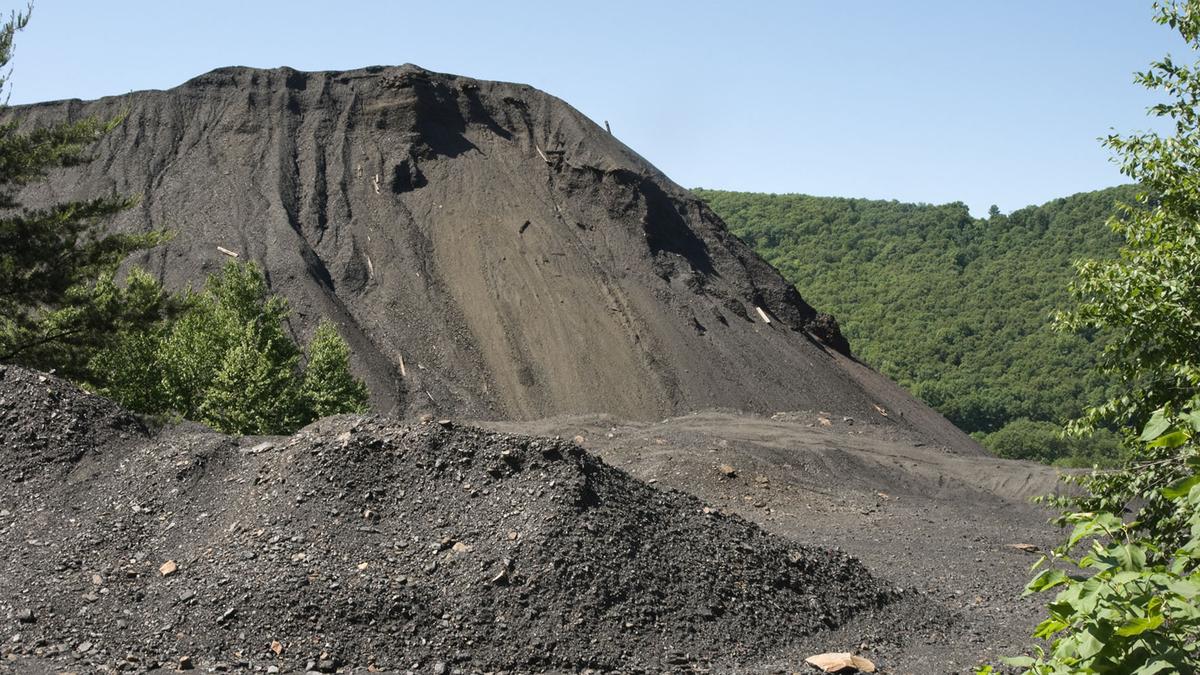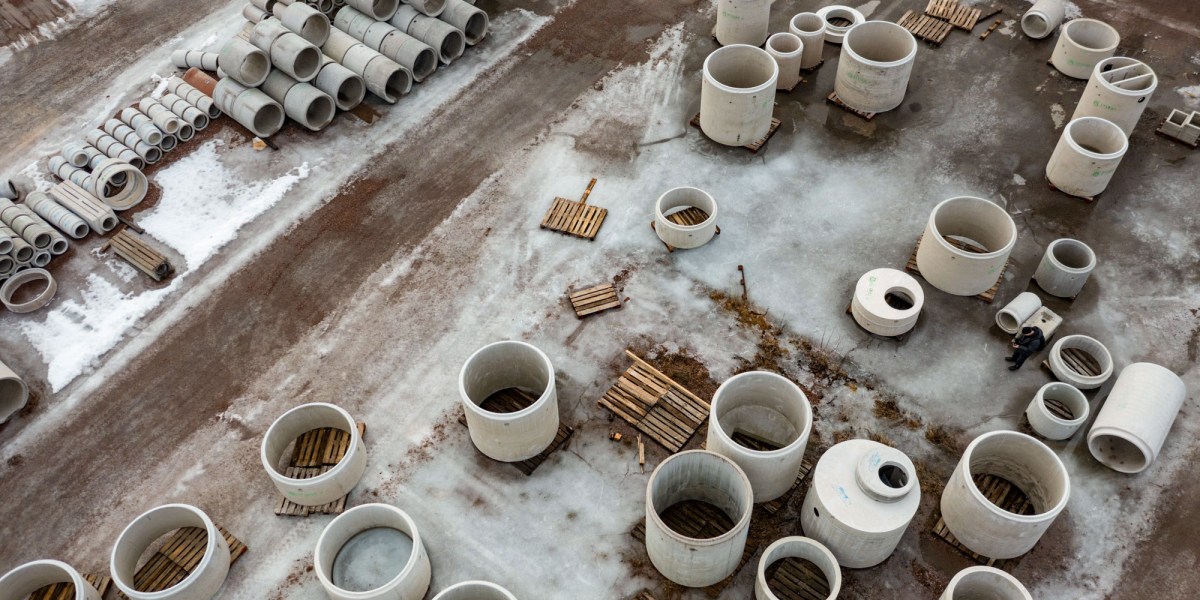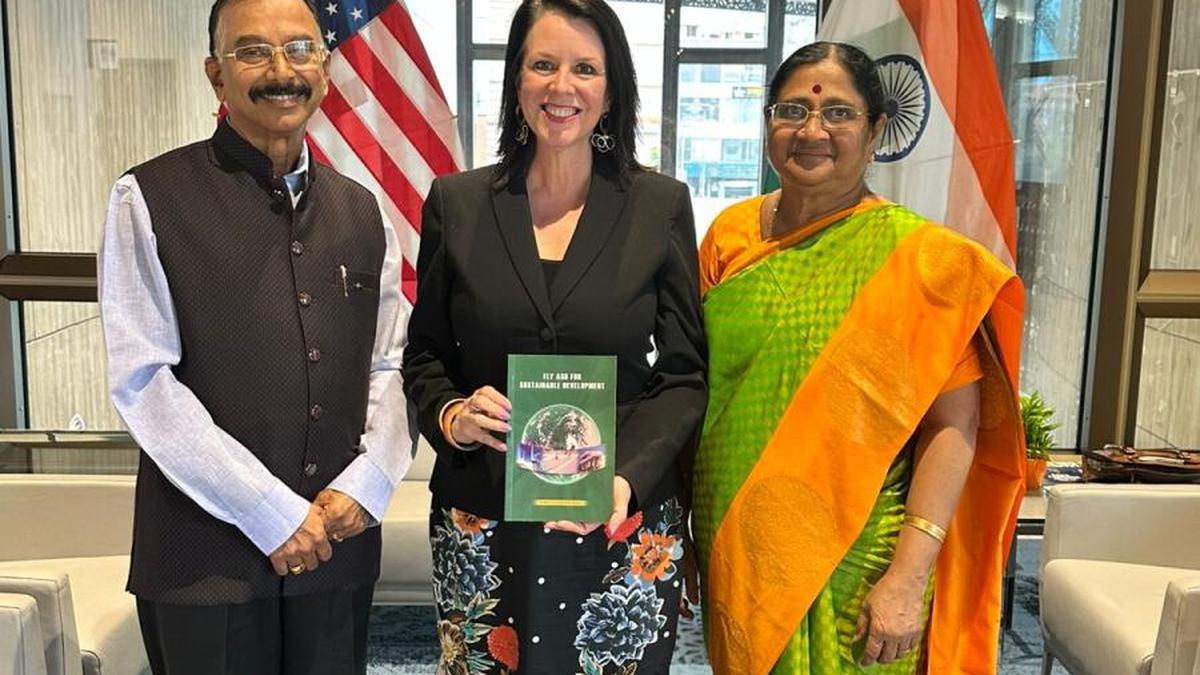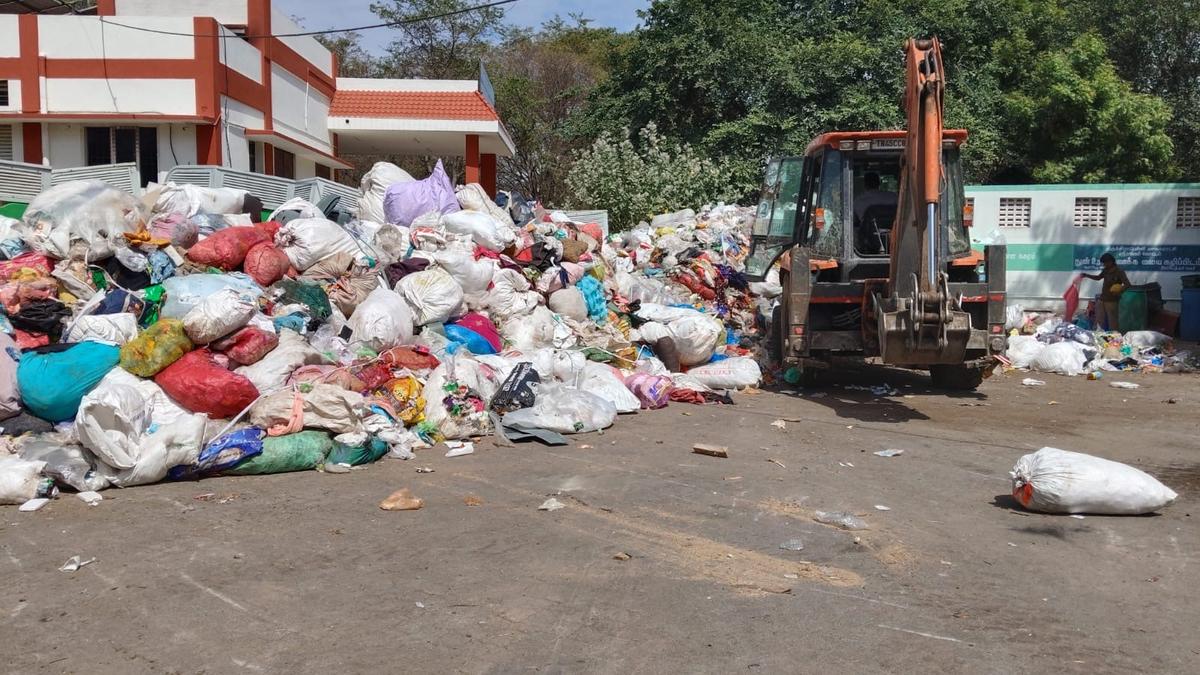
Cement manufacturing accounts for roughly 8% of global greenhouse gas emissions.To address this, N. Bhanumathidas and N. Kalidas, founding directors of the Visakhapatnam-based Institute for Solid Waste Research and Ecological Balance (INSWAREB), have come up with a global action plan proposing a radical shift: replacing fossil fuels with thermal plasma powered by clean nuclear energy.Traditional production relies on coal combustion and high-purity limestone inside rotary kilns, generating extreme heat and massive carbon, sulphur, and fly ash emissions.These researchers propose utilising thermal plasma torches – superheated ionised gases reaching 3,000°C-10,000°C – to achieve clinkerisation without burning fossil fuels.Because industrial plasma requires massive electrical inputs, the proposal pairs it with Small Modular Reactors (SMRs). Unlike coal plants with shorter lifespans and heavy flue emissions, nuclear options offer clean, stable, and long-term energy. Just a fraction of radioactive material fulfils multi-megawatt industrial needs with zero combustion pollution.Operational statistics show that while a conventional rotary kiln consumes over 0.25 tons of coal per ton of clinker, a plasma route requires 0.72 tons of coal-equivalent to meet a 1.2-megawatt demand. However, a nuclear power route drastically shifts efficiency, requiring just 36 grams of radioactive material for that same 1.2-megawatt power need. Furthermore, 20,000 kg of coal is matched by just 1 kg of radioactive material, while nuclear plants exceed 60-year lifespans compared to 20 years for traditional coal-based thermal plants.INSWAREB has also conceived Engineered Granulated Cementitious Slag (EGCS), a revolutionary binder produced exclusively through plasma technology. The intense thermal energy melts and fuses abundant industrial waste—such as India’s 2.86 billion tons of pond ash occupying over 26,000 hectares—into a homogeneous mineral glass. When ground with dry alkali activators, this material creates a breakthrough cement offering blemishless microstructure, ultra-high strength, and remarkable service life.To address the high capital cost of SMR-Plasma plants, researchers suggest tapping carbon funds and new financial pathways opened by the global consensus to triple nuclear capacity: “Yes, we have even posted our global call on ResearchGate and addressed a mail to the Principal Scientific Advisor, Government of India, urging a National “Plasma Policy.” Mr. Kalidas told The Hindu.The approach establishes a circular economic model that clears hazardous fly ash ponds, utilises low-purity limestone, and eliminates direct combustion emissions.“Internationally, pilot-scale initiatives are already gaining momentum: Heidelberg Materials in Sweden successfully operated a continuous plasma kiln pilot using carbon dioxide, and the University of Florida installed high-temperature plasma arc reactors to produce clinker at pilot scale,” he added.“Despite over 3 decades of effort by UNFCCC and COPs, the global circularity rate sits at just 6.9%, ringing alarm bells on the inevitable truth that over 93% of all materials used by production activities towards the global economy are virgin resources stripped directly from Mother Earth. We hope that our proposal may sort this global issue to some extent,” the researcher said. Published - August 25, 2026 12:38 am IST
Proposal to use industrial waste, nuke power for eco-friendly cement
Discover an innovative proposal for eco-friendly cement using industrial waste and nuclear power to reduce greenhouse gas emissions.
474 words~2 min read