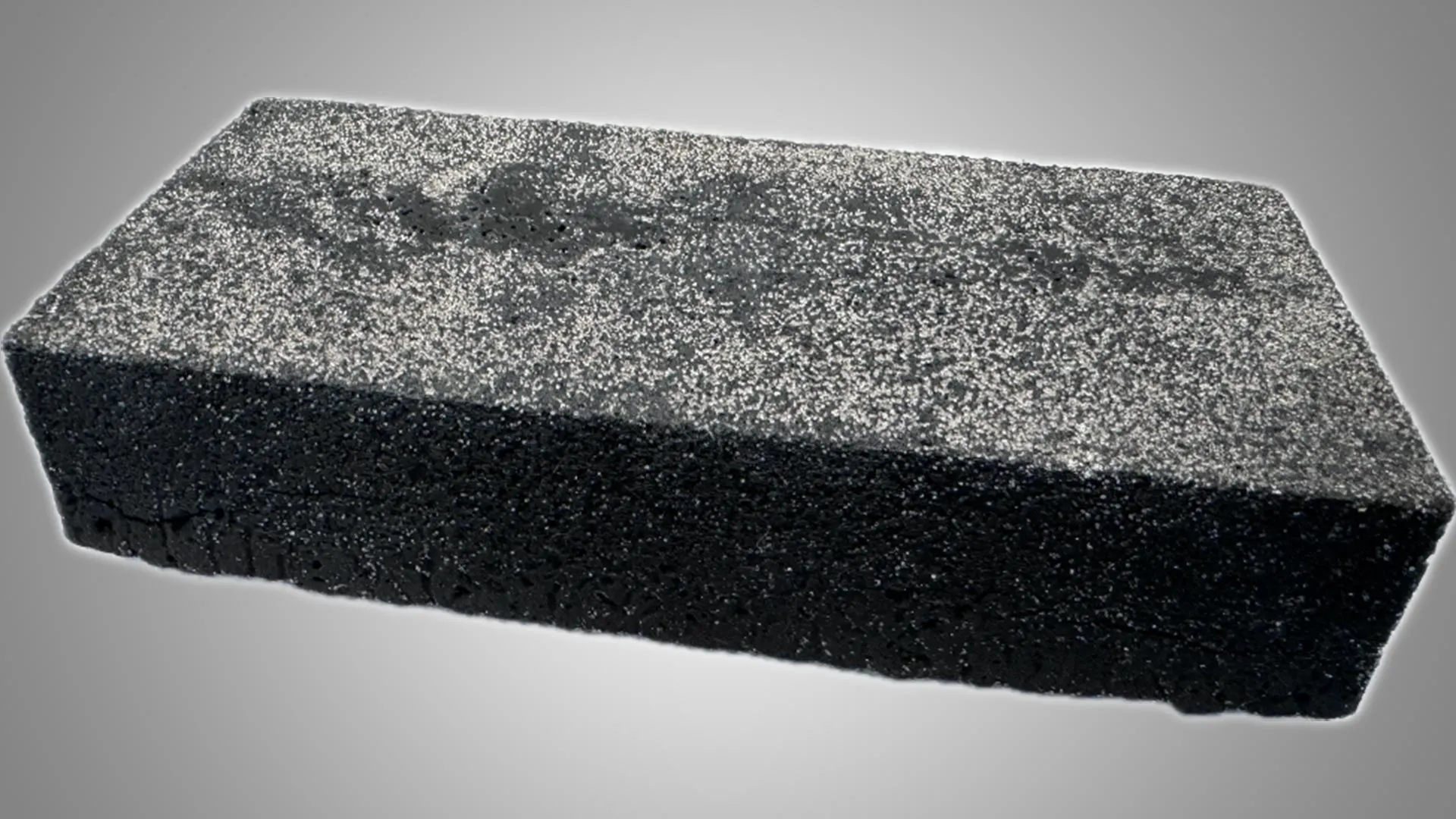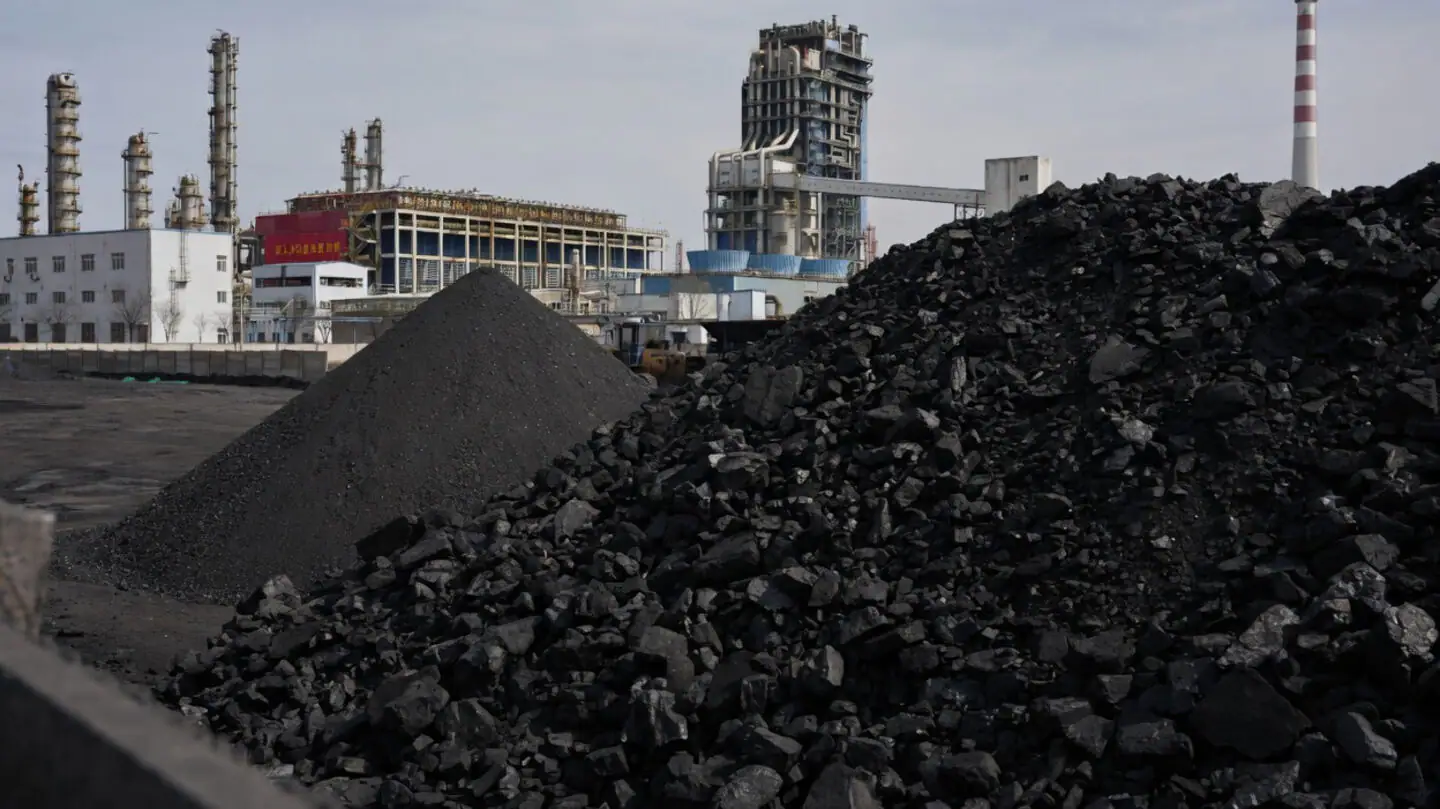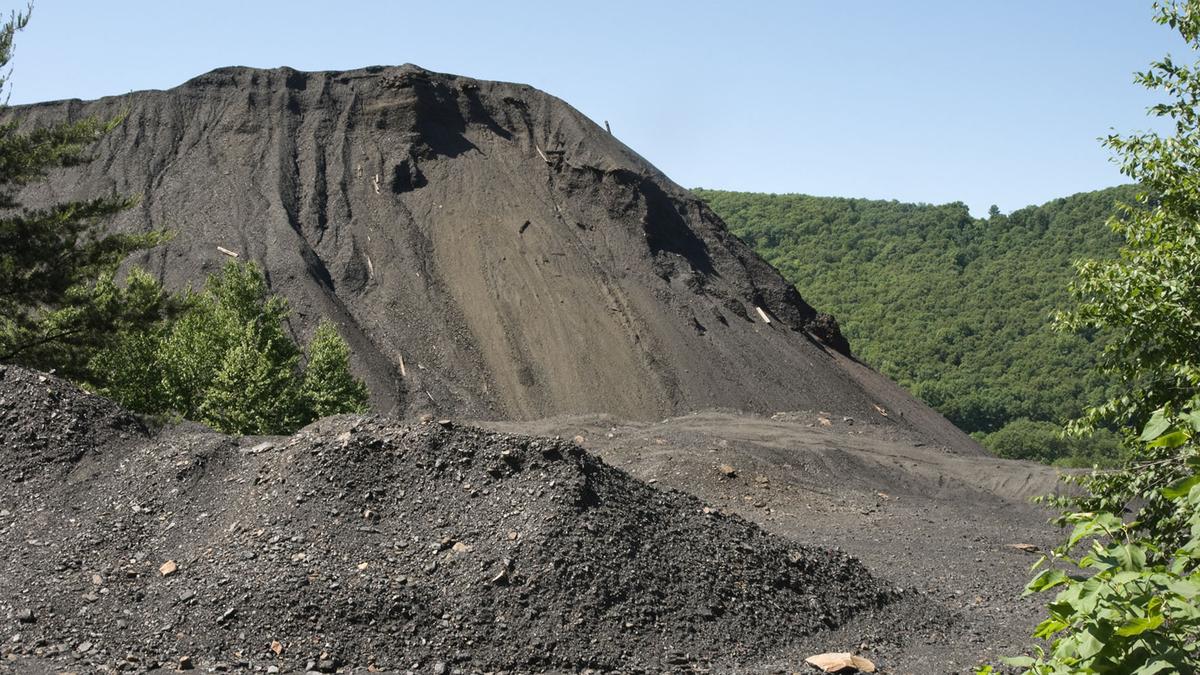
Researchers at the National Institute of Technology, Rourkela, have secured a patent for a high-strength composite material made from coal-mining waste and fly ash, which could be used to build roads capable of withstanding heavy vehicle traffic.The patented technology addresses two problems at once — the disposal of large quantities of waste generated by coal mining and industry, and the need for more durable roads in coal-mining regions, where roads face heavy loads and repeat traffic.India mines about 1 billion tonnes of raw coal a year, around 94 per cent of it from surface mines.Coal mining generates substantial quantities of waste, including coal parting material — rock and other non-coal material separated from the coal.The NIT-Rourkela team found that coal partings contain silica, alumina and clay minerals with useful properties such as compressive strength and stiffness. They combined coal mine parting with fly ash and a binder and optimised the formulation to develop the composite.Prof K Umamaheshwar Rao said the material could be particularly useful in coal-producing areas, where roads routinely carry trucks transporting mined material.Prof Manoj Kumar Mishra described the technology as an example of the circular economy, converting two high-volume industrial wastes into a material with potential engineering and economic value.The researchers now plan pilot-scale field trials to assess the composite’s long-term strength and durability under real-world conditions.Wealth of forest produceA study by researchers at Nagaland University has identified 47 non-timber forest products (NTFPs) used by tribal communities in Nagaland and Meghalaya, highlighting their importance as sources of food, medicine, income and employment.The study covered 20 villages and 250 households, documenting the collection, seasonal availability, utilisation and economic value of plant- and animal-based forest products. Most of the NTFPs were used for nourishment, followed by therapeutic purposes, while surplus produce was sold in local markets.The researchers found significant differences between the two States. Bamboo shoot generated the highest returns among the NTFPs studied in Meghalaya, while wild black pepper was both the most commonly collected and highest-returning NTFP in Nagaland.The study also recorded the plant parts collected, frequency of collection, time spent on collection trips and distances travelled by villagers. It found that NTFPs are an important supplementary source of household income for communities dependent on forests.The researchers said the economic value of many NTFPs remains poorly recognised despite India’s rich biodiversity. India has around 3,000 NTFP species, but only 126 have developed marketability, they noted.The study calls for ecological assessment and scientific identification and valuation of NTFPs, along with structured harvesting guidelines, to prevent overexploitation and ensure that the resources remain available for future generations.The researchers also see scope for NTFPs in creating employment and entrepreneurship opportunities in remote forest areas, providing communities with alternatives or supplements to traditional agriculture.The findings were published in the Indian Journal of Ecology.Published on August 24, 2026
Road laying with coal waste
Researchers develop a patented composite from coal waste to enhance road durability, addressing waste disposal and infrastructure needs.
466 words~2 min read