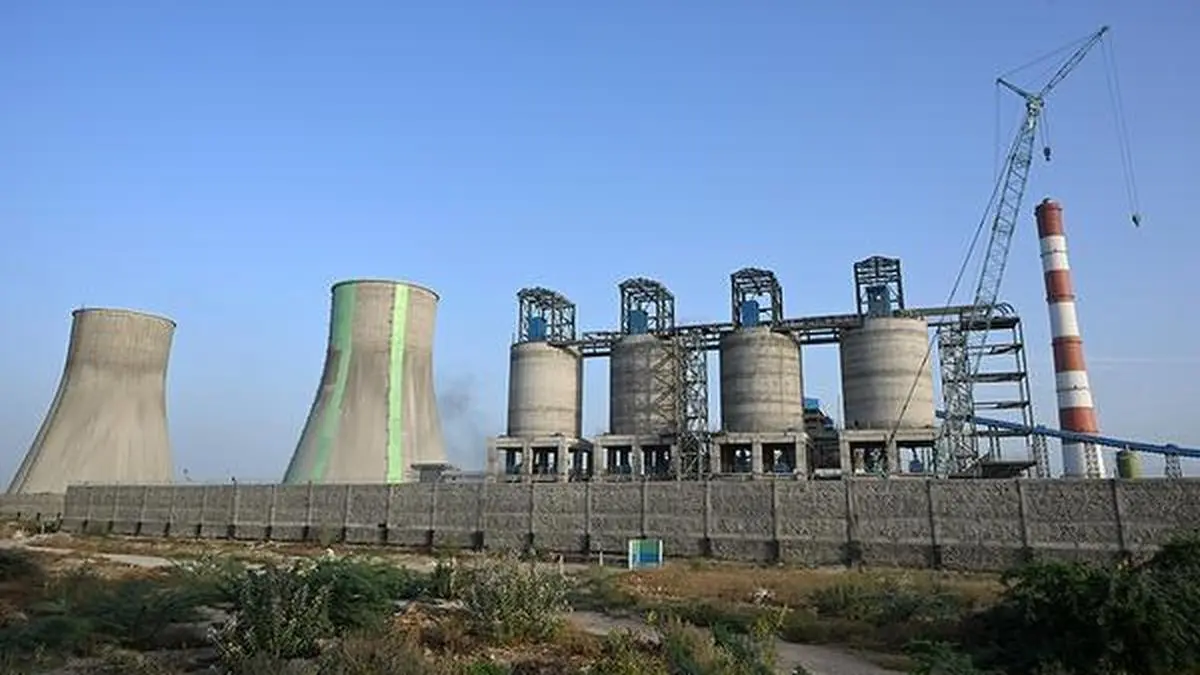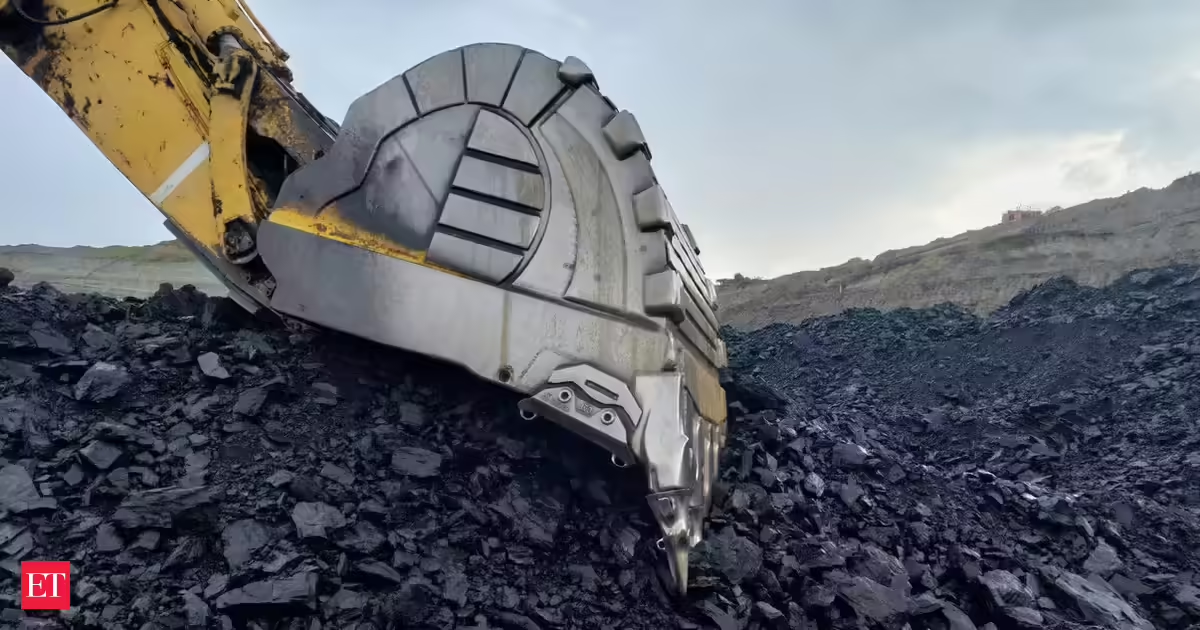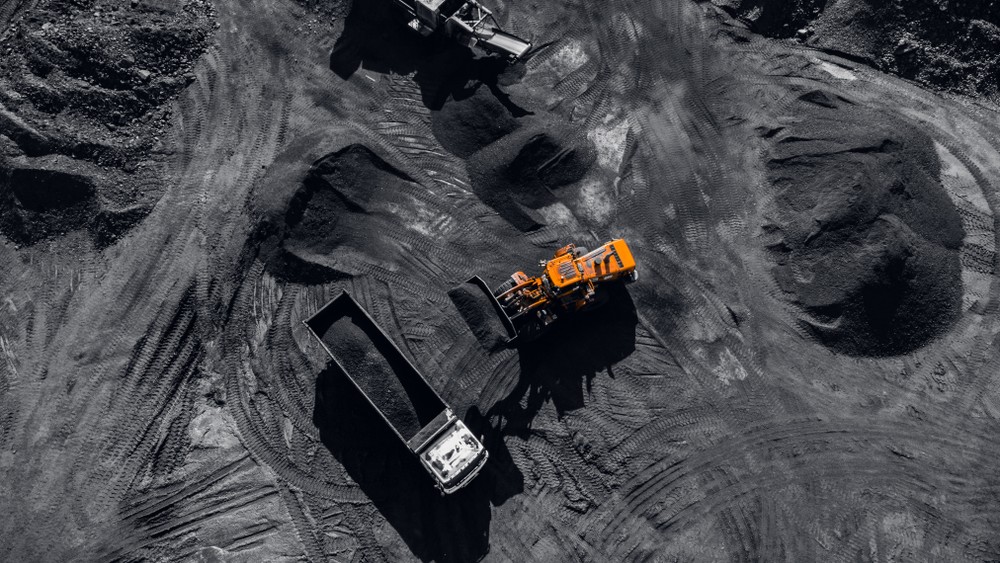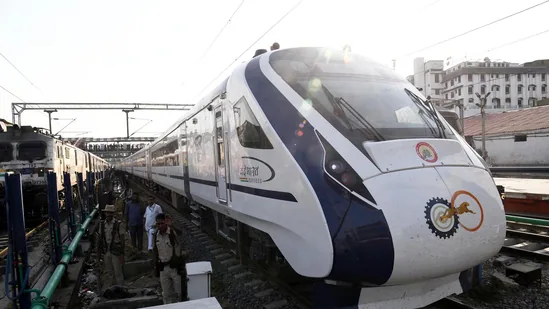
India generates nearly 340 mt of fly ash every year from coal-fired thermal power plants; a significant portion of this is utilised in cement manufacturing, brick production, road construction and in mining applications
| Photo Credit:
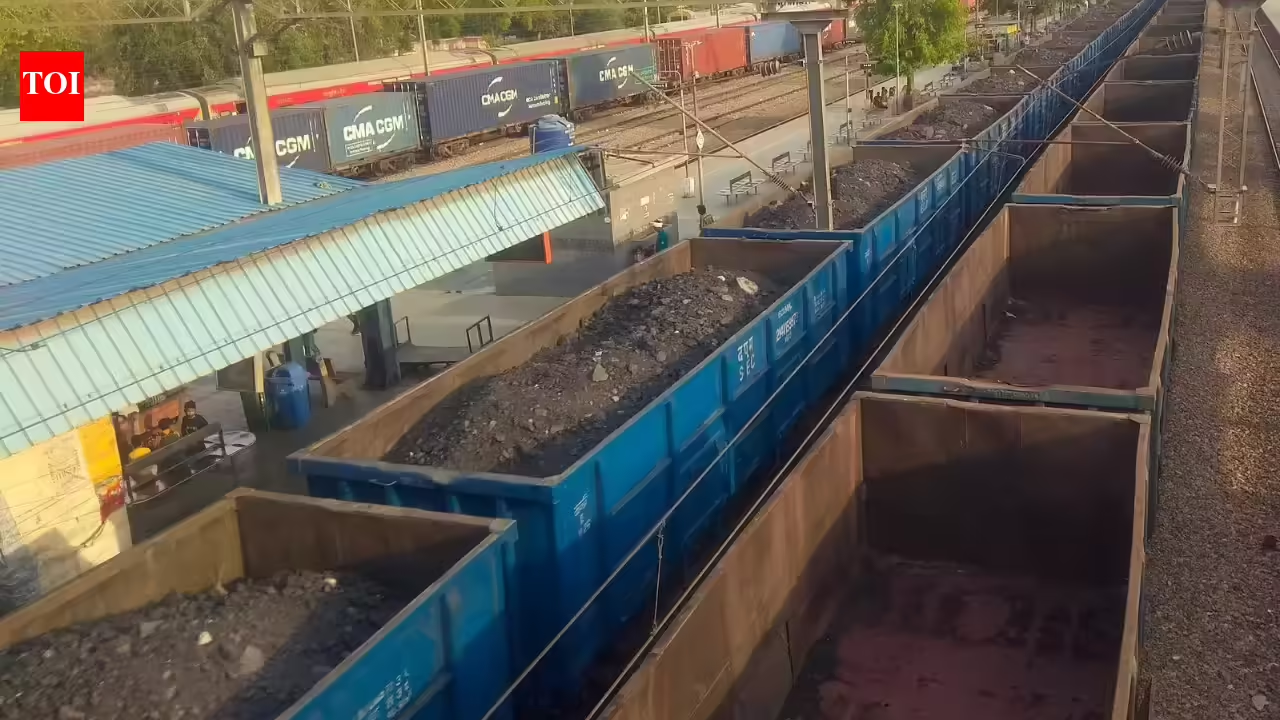
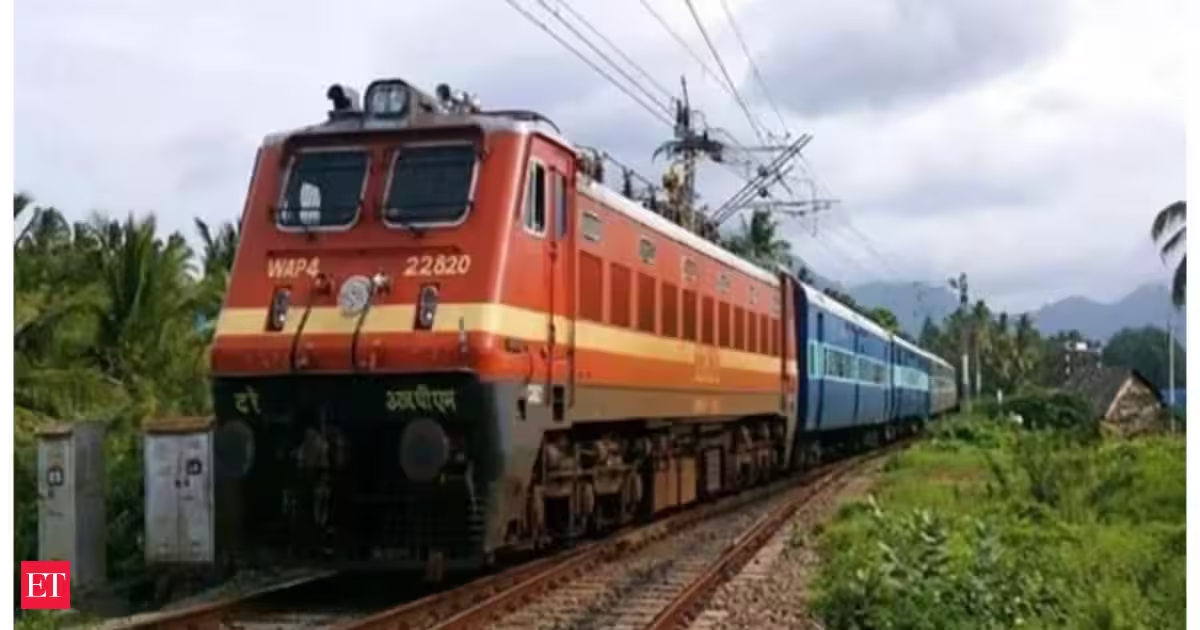
The Indian Railways’ plan to develop a dedicated logistics network for transporting fly ash from thermal power plants to industrial users could become a game changer for both the transporter and key consuming sectors such road construction and real estate, feel industry experts.India generates nearly 340 million tonnes of fly ash every year from coal-fired thermal power plants. While a significant portion is utilised in cement manufacturing, brick production, road construction and mining applications, a large quantity continues to be transported by road or remains underutilised.To improve utilisation and reduce dependence on road transport, the Railways has announced a green logistics initiative involving specialised containers and dedicated rail corridors for fly ash movement. The objective is to transport the material efficiently from generation centres to consumption hubs across the country.According to Railways, the initiative seeks to transform fly ash from an environmental challenge into a valuable industrial input. Through dedicated wagons, containers and logistics systems, fly ash can be moved cleanly and efficiently to support infrastructure development.Lalit Chandra Trivedi, former General Manager of Indian Railways, said the initiative has the potential to create an entirely new bulk freight segment for Railways.“India generates about 340 million tonnes of fly ash annually, but only a part of it is gainfully utilised. Fly ash sources and consumption centres are often separated by 300-1,500 km, making rail the most economical long-distance transport mode,” he said.He noted that Railways can aggregate large volumes through dedicated loading terminals at thermal power plants and distribute them to cement factories, brick manufacturers, road projects and mines through a hub-and-spoke logistics model.The move also aligns with Railways’ strategy of diversifying freight revenue beyond coal. If even 25 per cent of the country’s annual fly ash generation, or about 85 million tonnes, is transported by rail, it would translate into around 1,300-1,400 full rake movements every month, creating a sizeable new freight stream.Besides generating revenue for Railways, the initiative could lower logistics costs for industries. Road transportation becomes expensive beyond 250-300 km, whereas rail can reduce long-distance freight costs by 20-40 per cent depending on distance and terminal efficiency, Trivedi said.The environmental gains could also be significant. A single rail rake can replace about 60-70 heavy trucks, reducing diesel consumption, traffic congestion and carbon emissions.The cement industry is expected to be among the biggest beneficiaries. Fly ash is widely used as a substitute for clinker, the most energy-intensive and expensive component in cement manufacturing.“Assured rail-based fly ash supply reduces dependence on local sources and enables optimisation of clinker-to-cement ratios,” Trivedi said. He estimated that a cement plant consuming one million tonnes of fly ash annually could save ₹20-50 crore a year in logistics costs alone.Rajesh Menon, a maritime and logistics expert, said the initiative reflects Railways’ efforts to increase its freight share through both new cargo streams and modal shifts from road transport.“Fly ash enhances the durability of cement and concrete and is highly valued by the cement industry. It is a win-win for Railways and end users,” he said, adding that blending fly ash can reduce cement and concrete production costs by 10-15 per cent.Haresh Kishor, Managing Director of KG Foundations, welcomed the move, saying it would support greener construction by improving access to a key industrial by-product used in cement, ready-mix concrete and lightweight blocks.Industry experts believe that if implemented successfully, fly ash could emerge as a stable, non-seasonal freight segment for Railways, while simultaneously advancing India’s circular economy and sustainability goals.Published on June 22, 2026