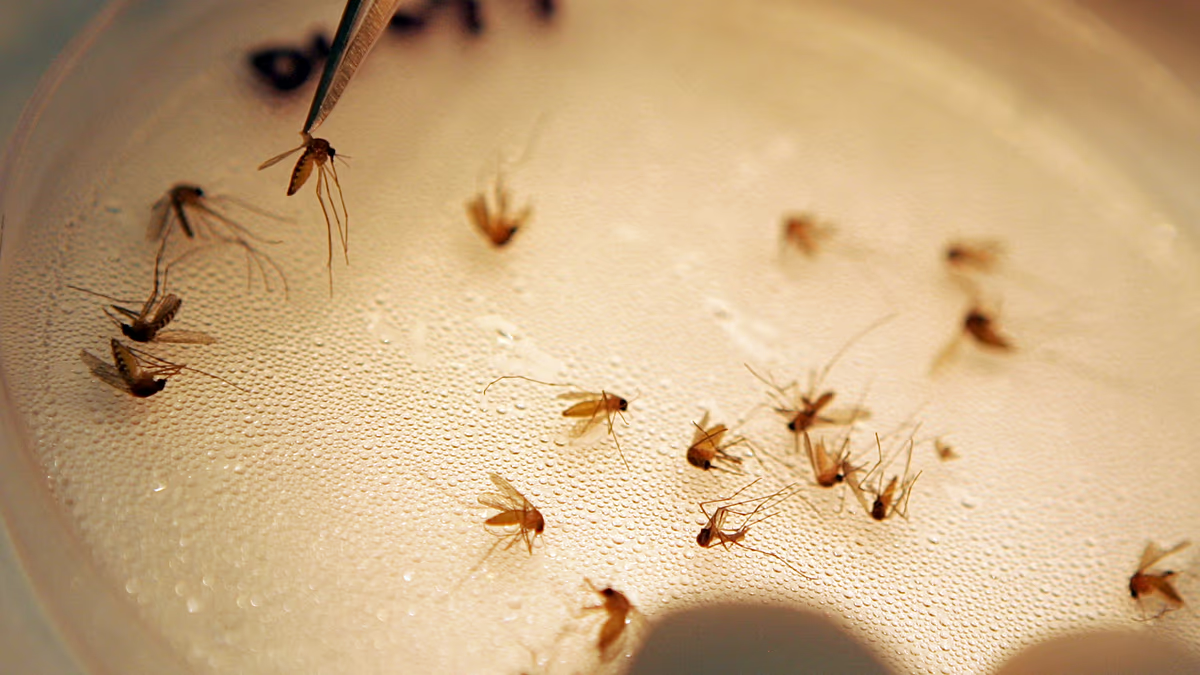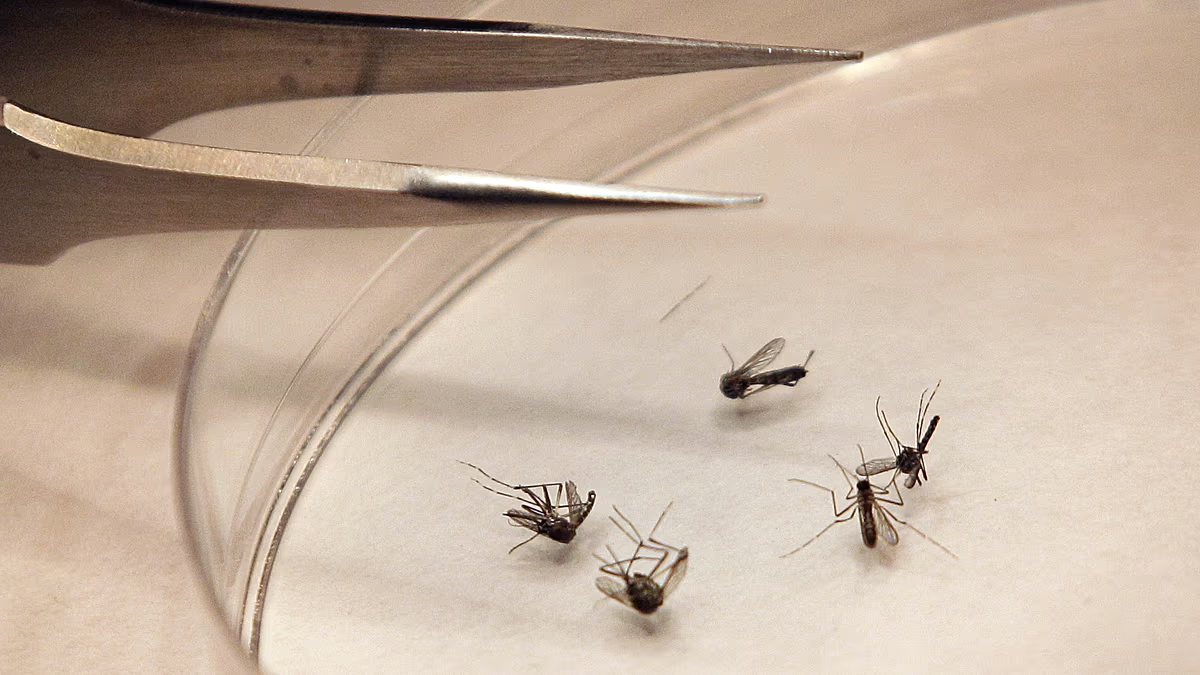
Before maps fill with red zones and new West Nile virus cases are recorded, a quieter process unfolds in university laboratories across Greece.
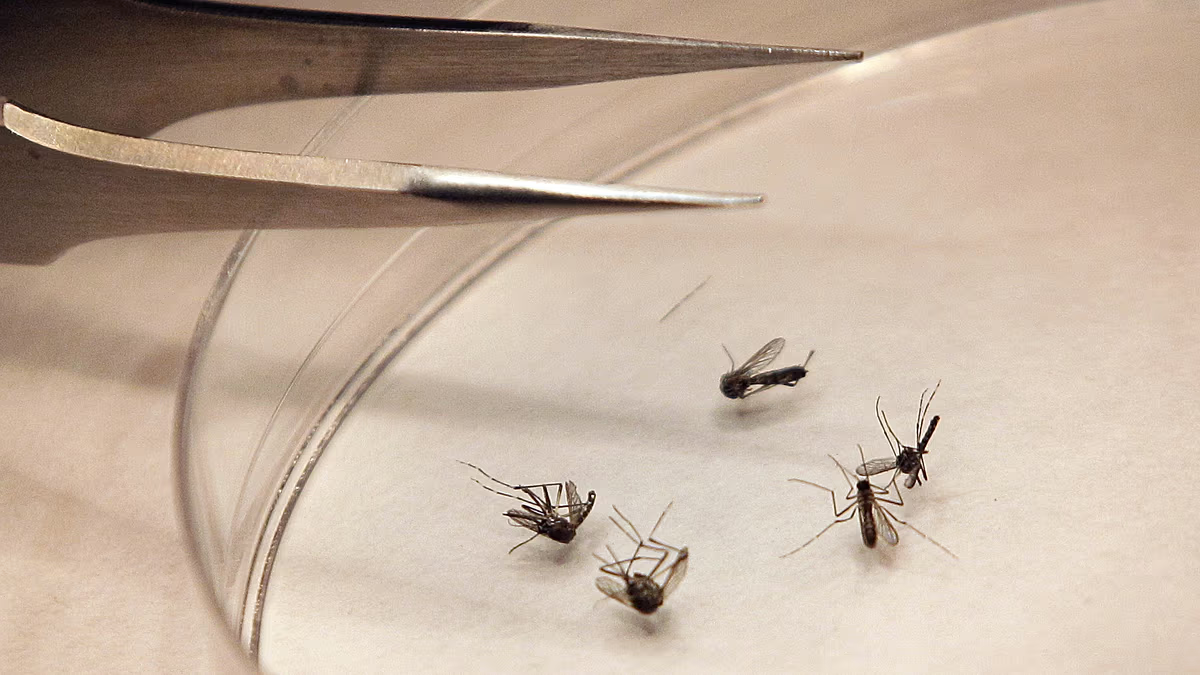
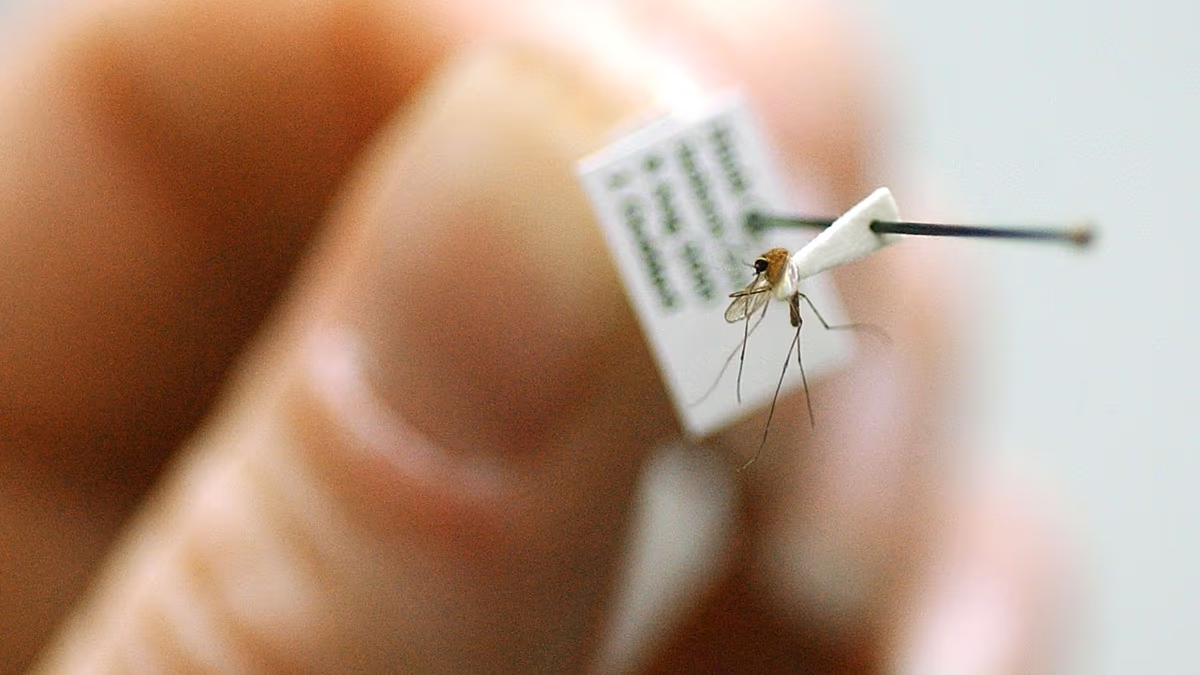
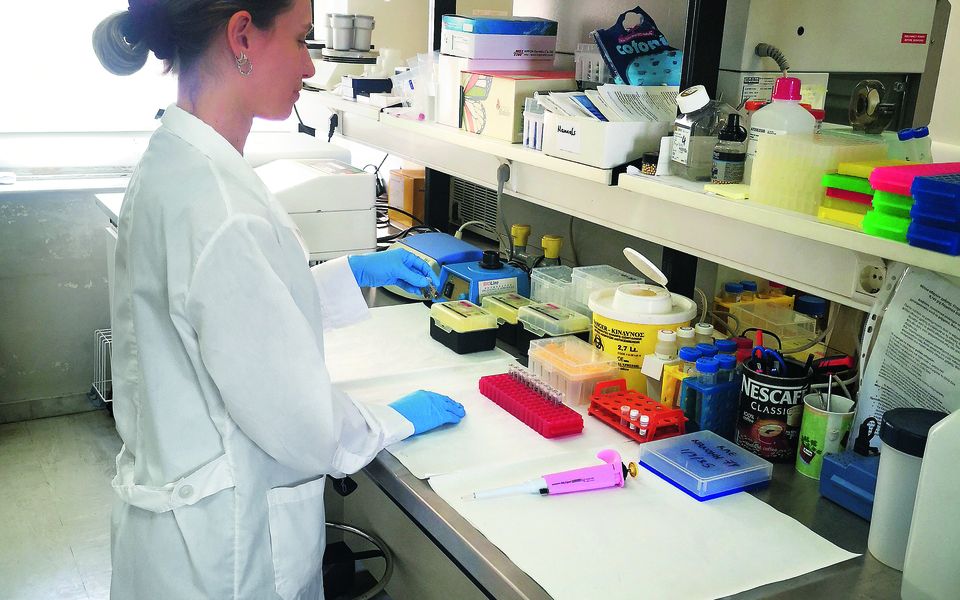
The Medical Entomology Unit of the University of West Attica’s Infectious Disease Surveillance Laboratory conducts molecular testing on mosquitoes collected through a nationwide network of traps coordinated by public agencies and research institutions.
“Every mosquito trap that arrives at the unit is a small surprise,” said Eleni Patsoula, the laboratory’s director.
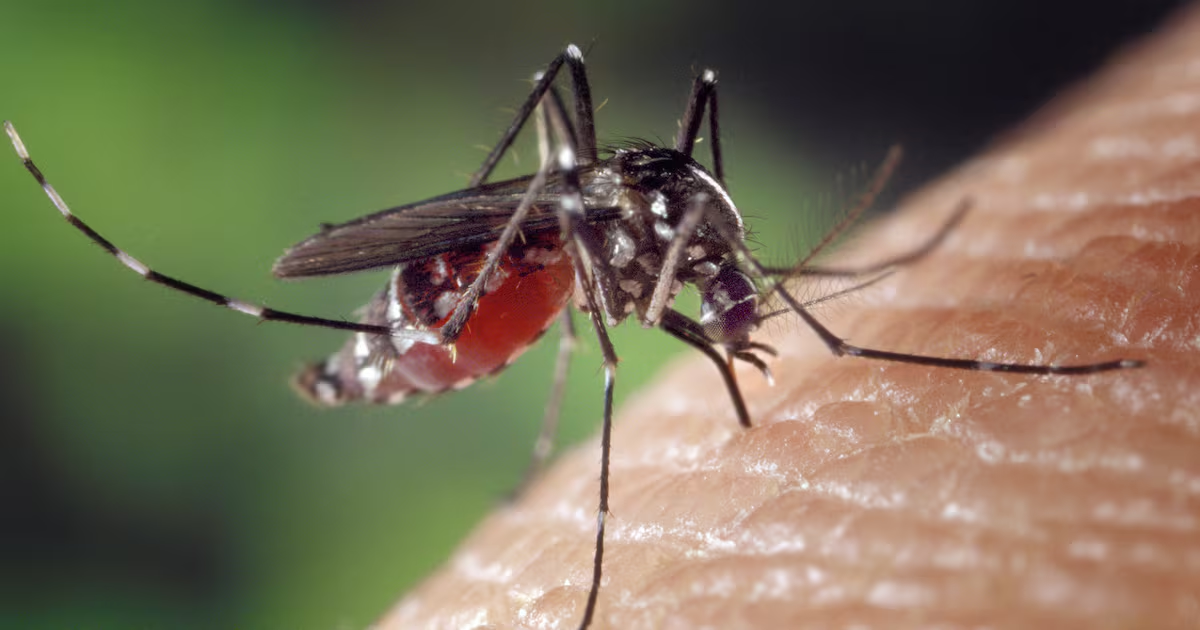
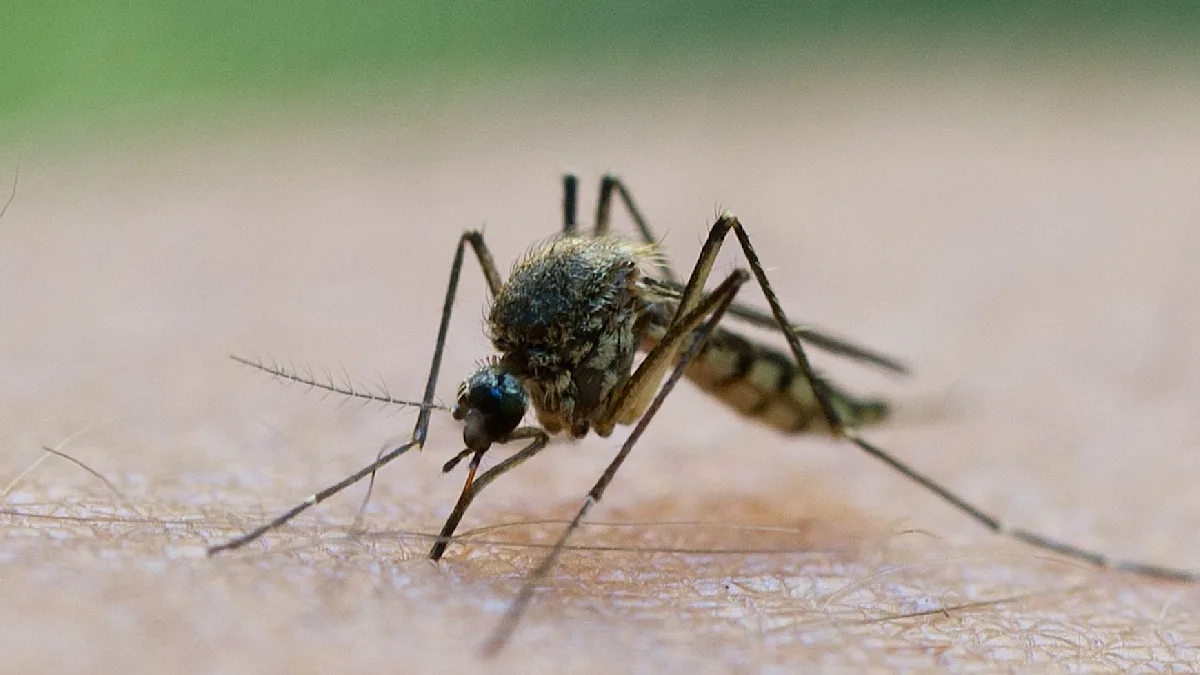
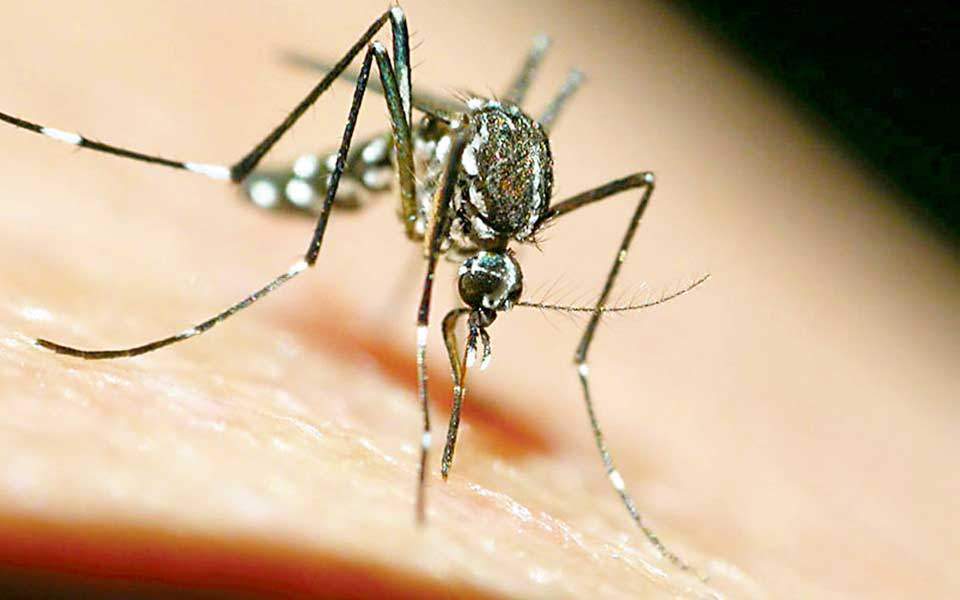
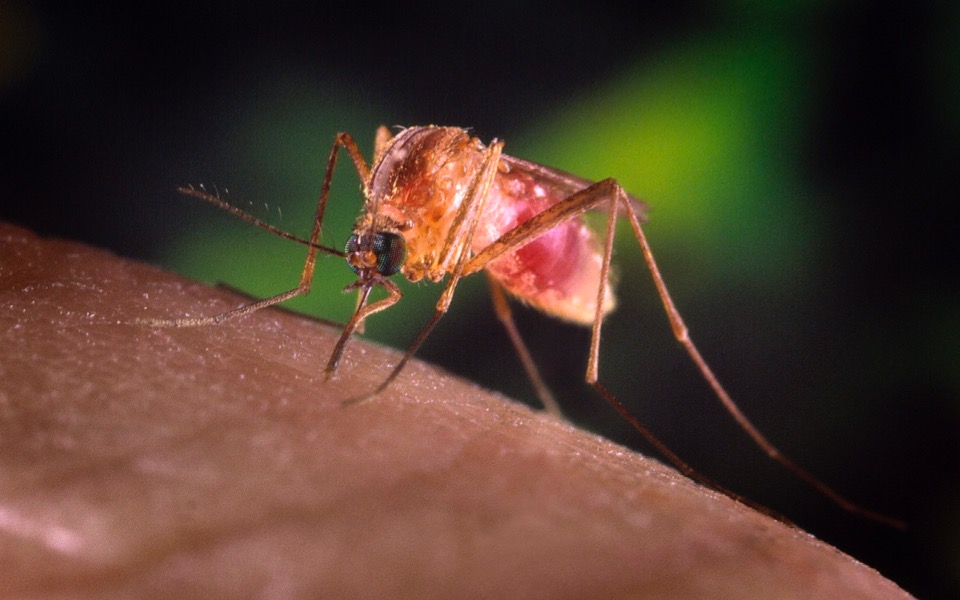
Researchers first identify species, then subject Culex pipiens – the common mosquito that carries West Nile virus – to real-time PCR testing. The work is painstaking: identifying 3,000 mosquitoes from a single trap can take one to two days, and only a handful may test positive. A positive mosquito signals that the virus is circulating in the area where the sample was collected.
Findings are logged in a database accessible to the National Public Health Organization (EODY), helping track the virus across place and time and supporting epidemiological surveillance year-round of the disease.