The Attica region has increased mosquito-control measures following the emergence of West Nile virus cases in several municipalities across the Athens metropolitan area, officials said Wednesday.
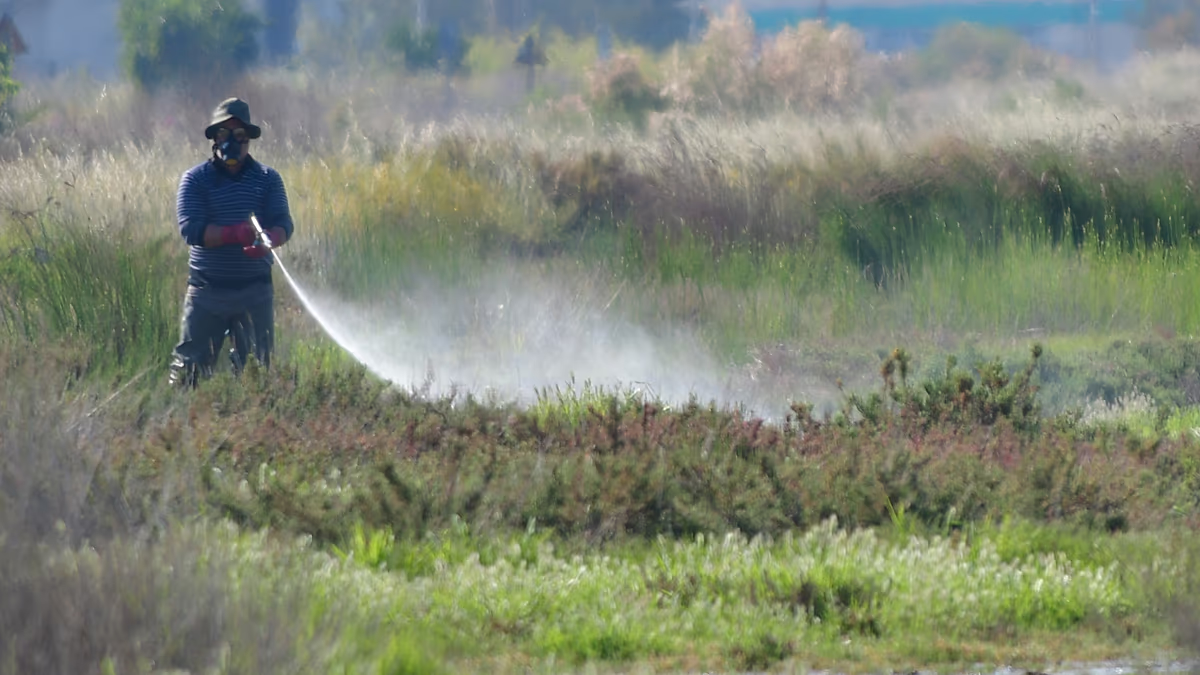
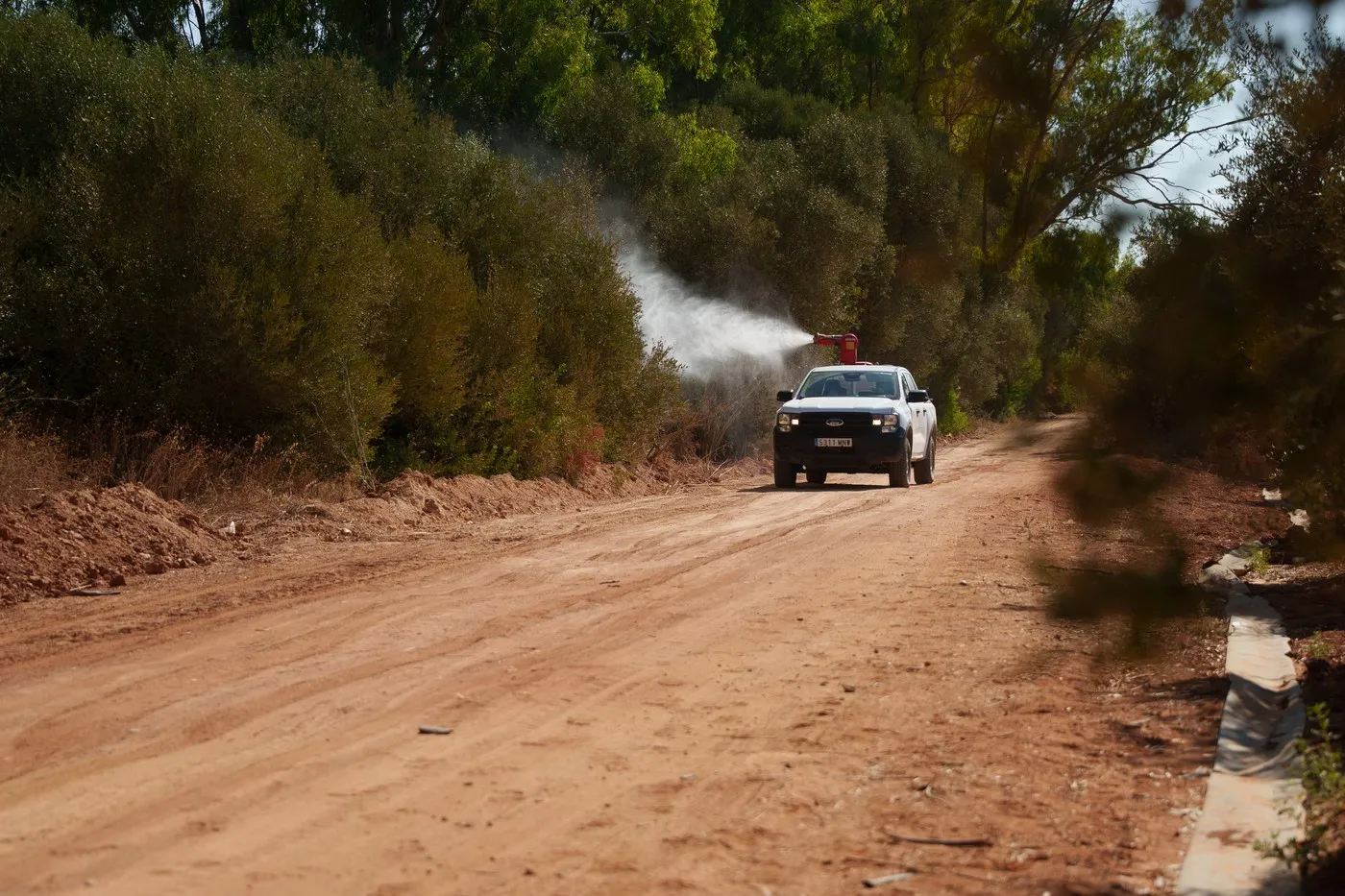
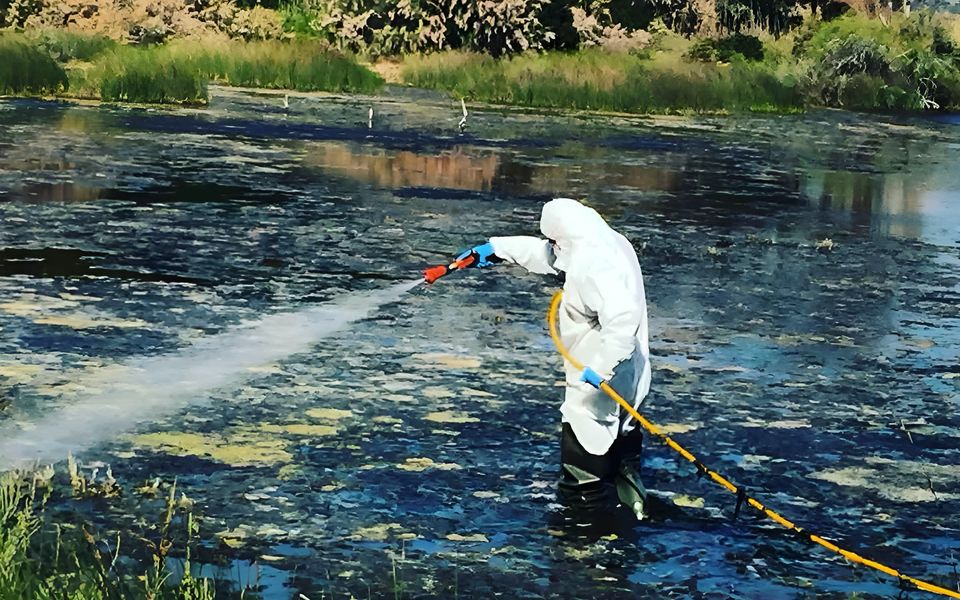
The region has increased aerial and ground mosquito spraying by about 30% this year and plans to maintain the higher level of activity under its new three-year mosquito-control program for 2027-29.
The additional measures include 20 emergency ground spraying operations. The number of ground applications planned for 2026 has risen from 58 to 78, including 24 in peri-urban areas of municipalities in eastern Attica, 24 in ecologically protected areas and 30 additional applications, 10 of which were initially designated as emergency operations.
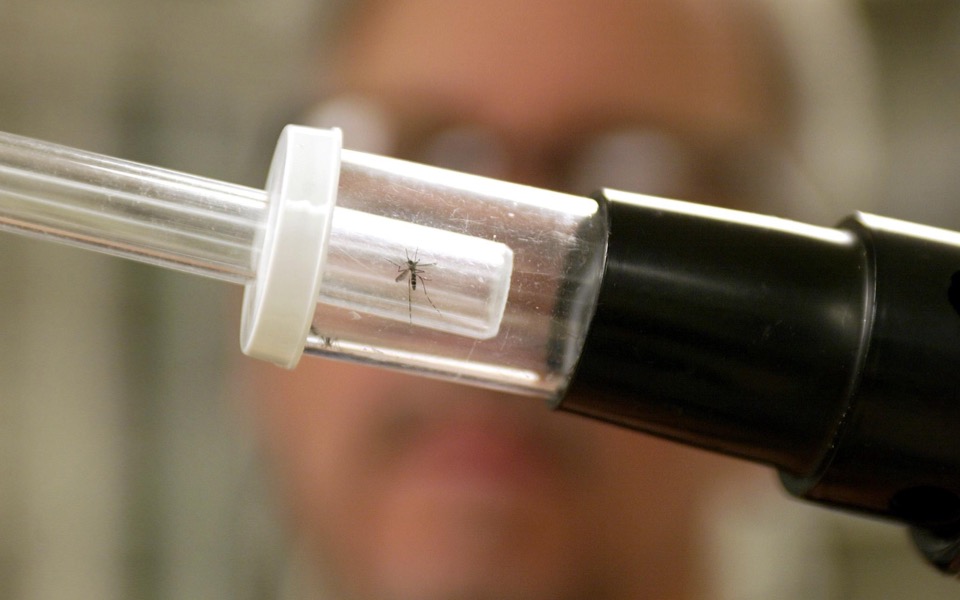
The regional authority said its mosquito-control program is based on scientific monitoring and is being carried out in cooperation with the Benaki Phytopathological Institute, which monitors mosquito populations and breeding sites across the Athens basin to help identify where interventions are needed.
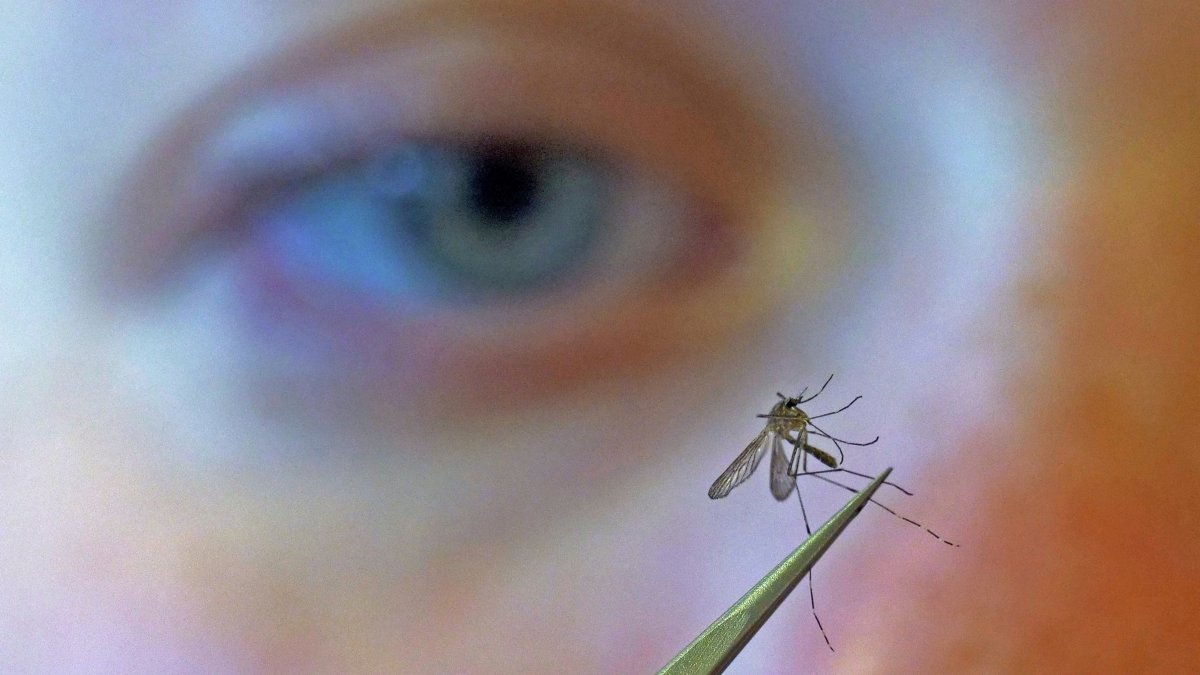
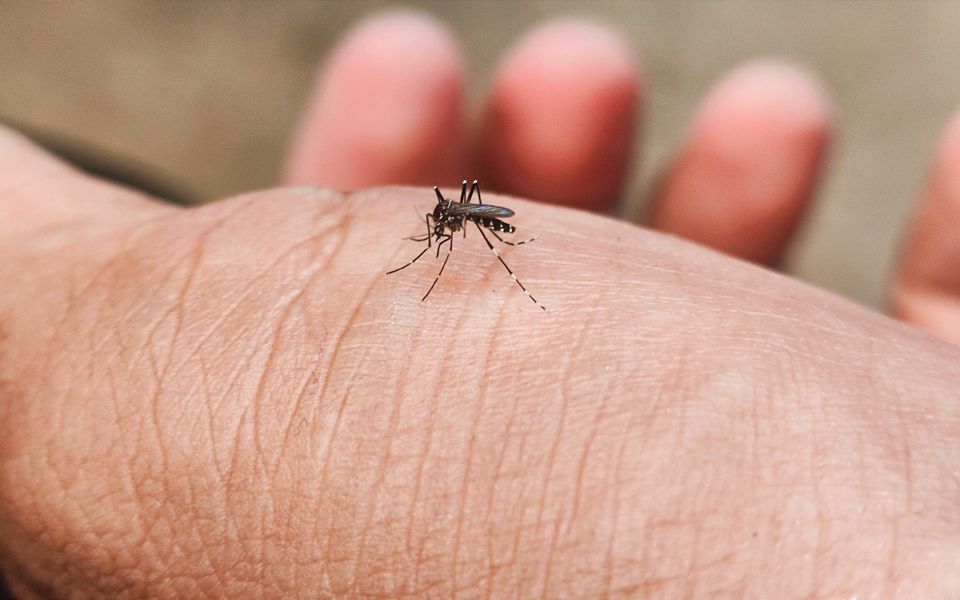
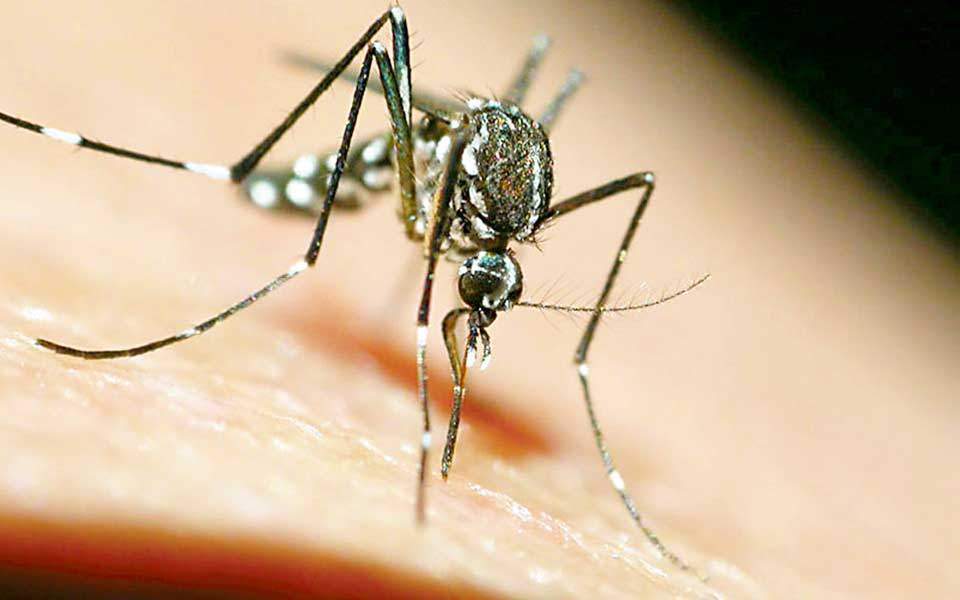
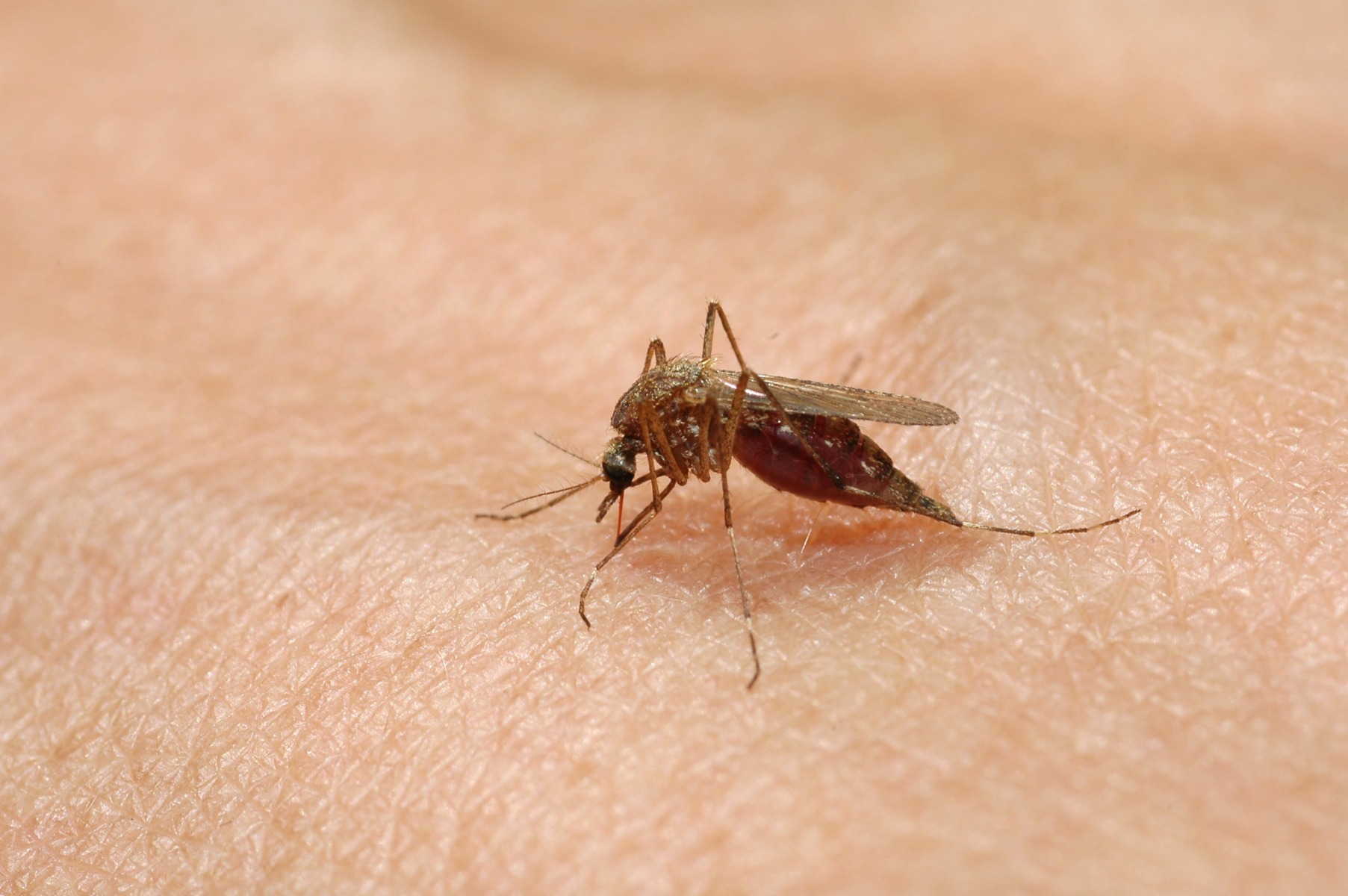
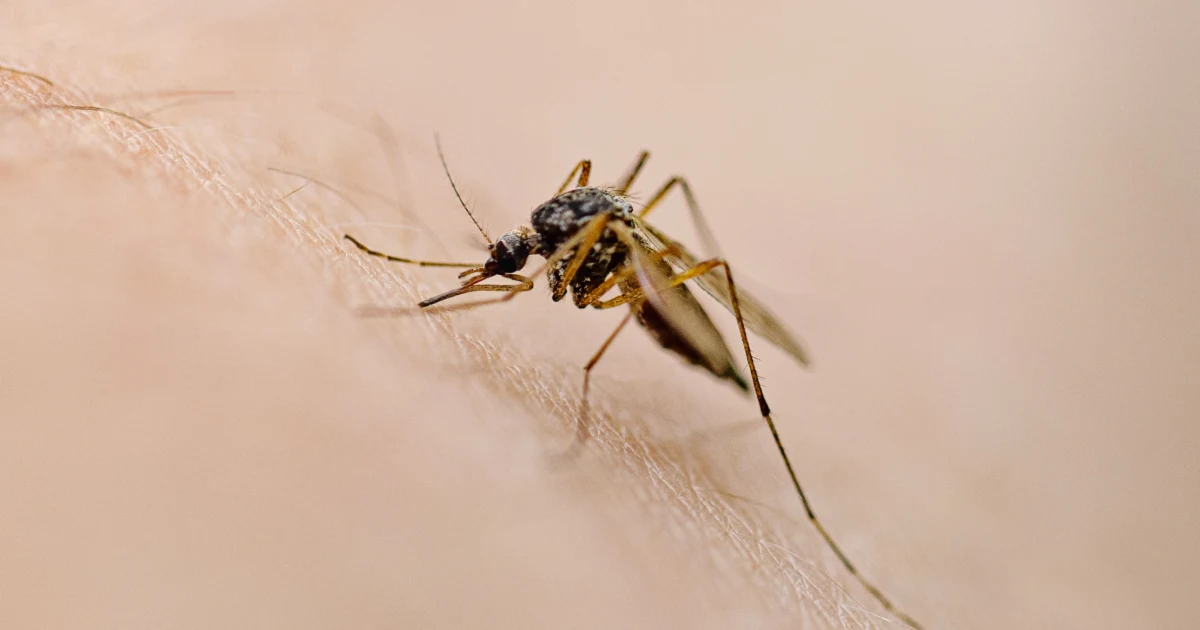
West Nile virus is transmitted to people primarily through the bite of infected Culex mosquitoes, which commonly breed in stagnant water in urban environments, including drains, septic tanks, containers, yards and gardens.