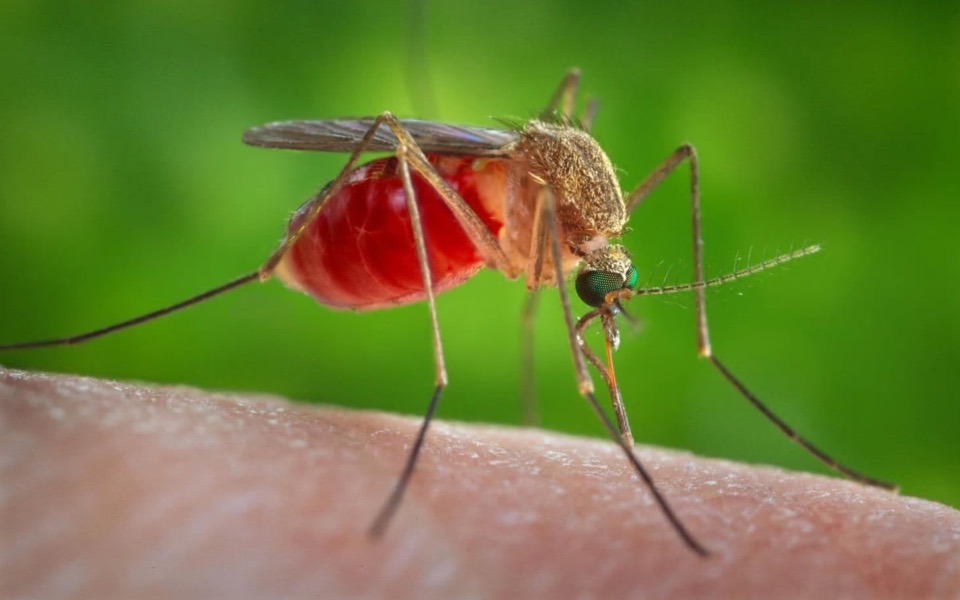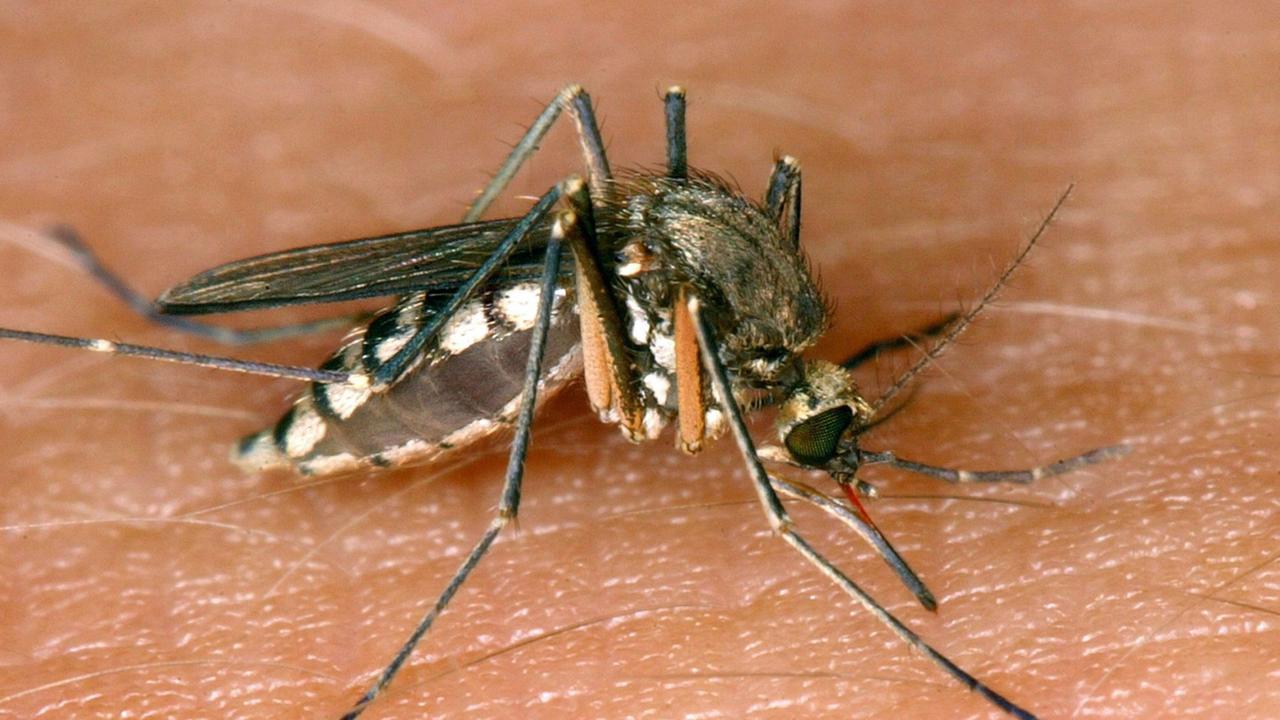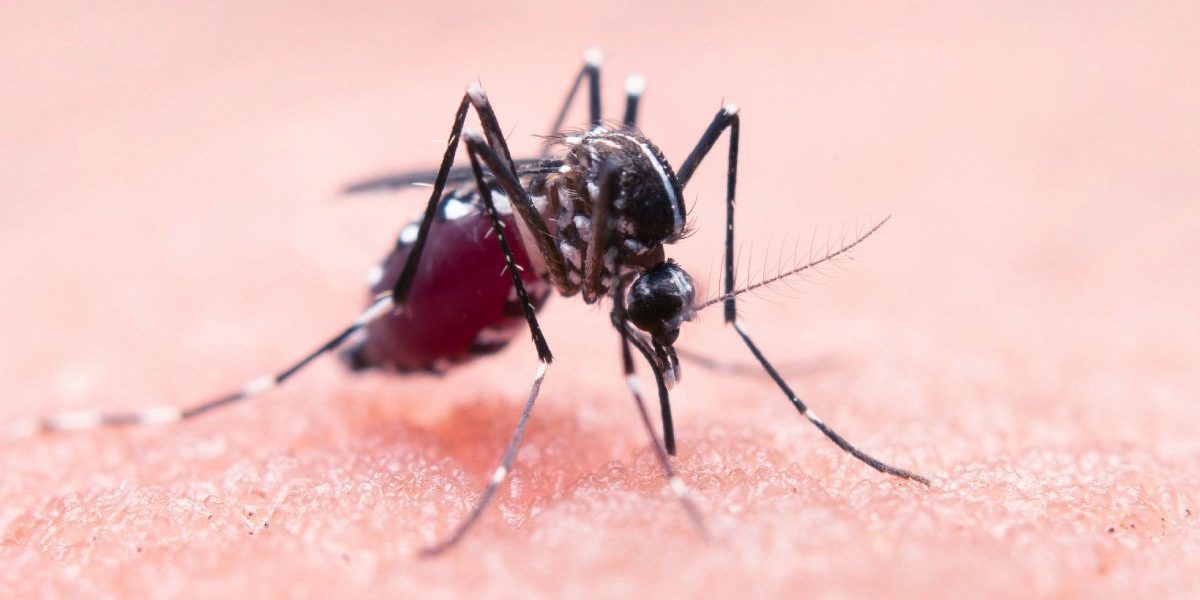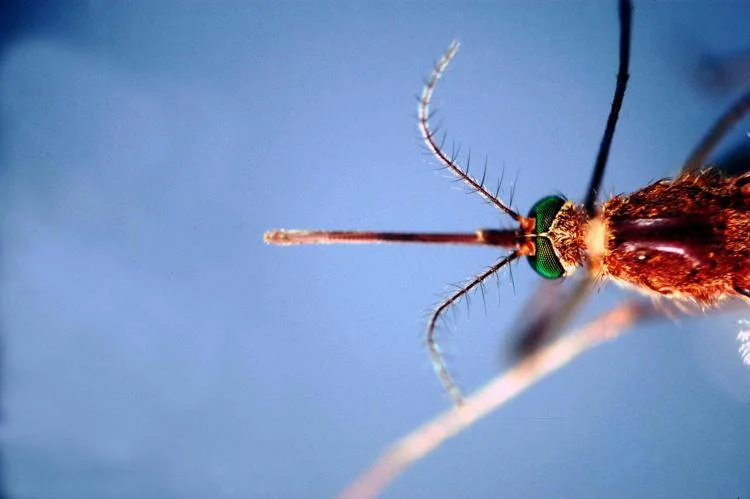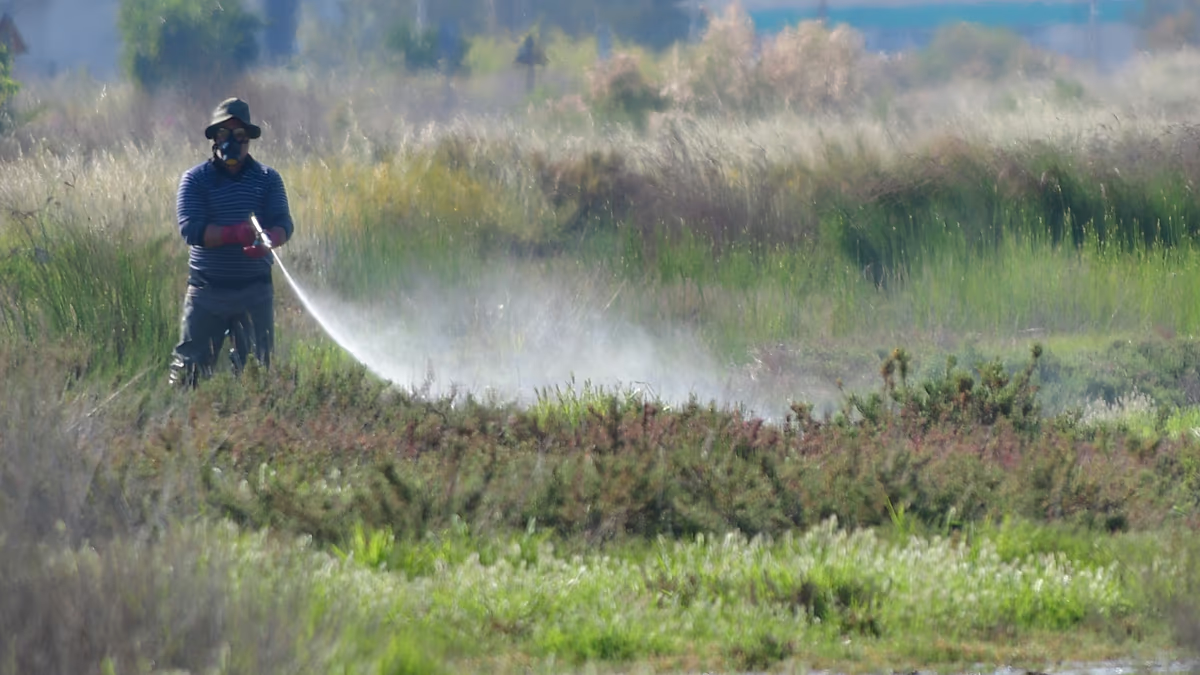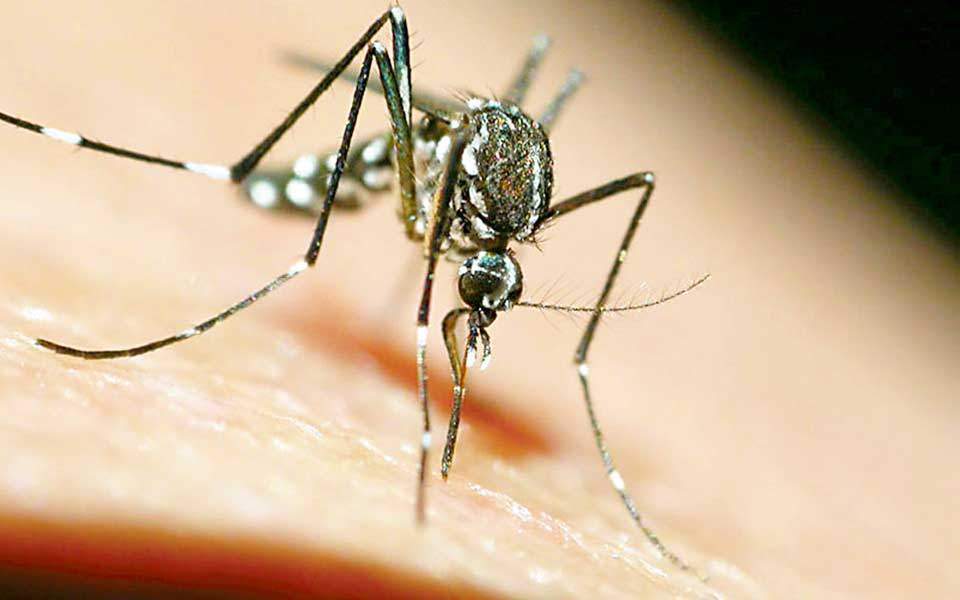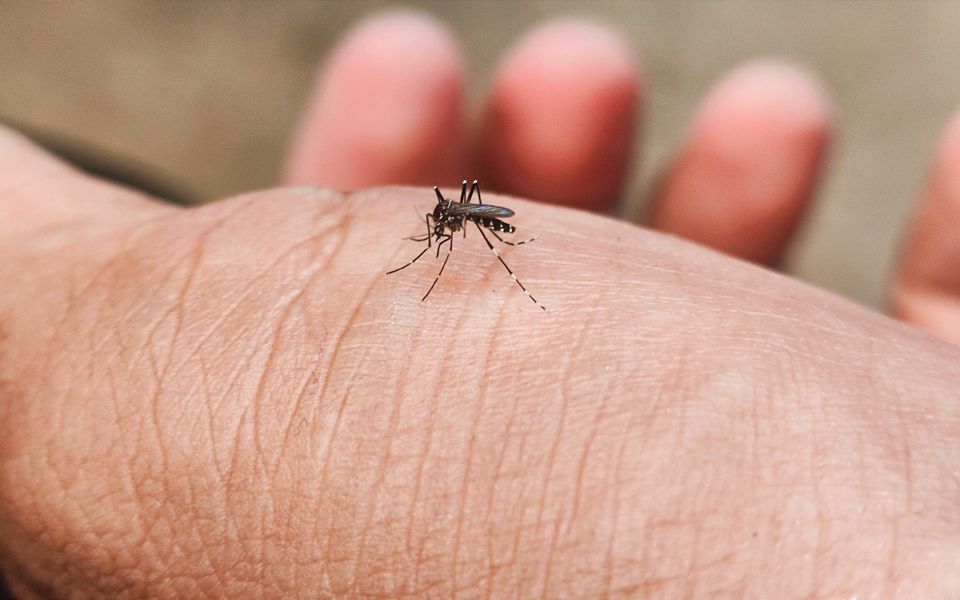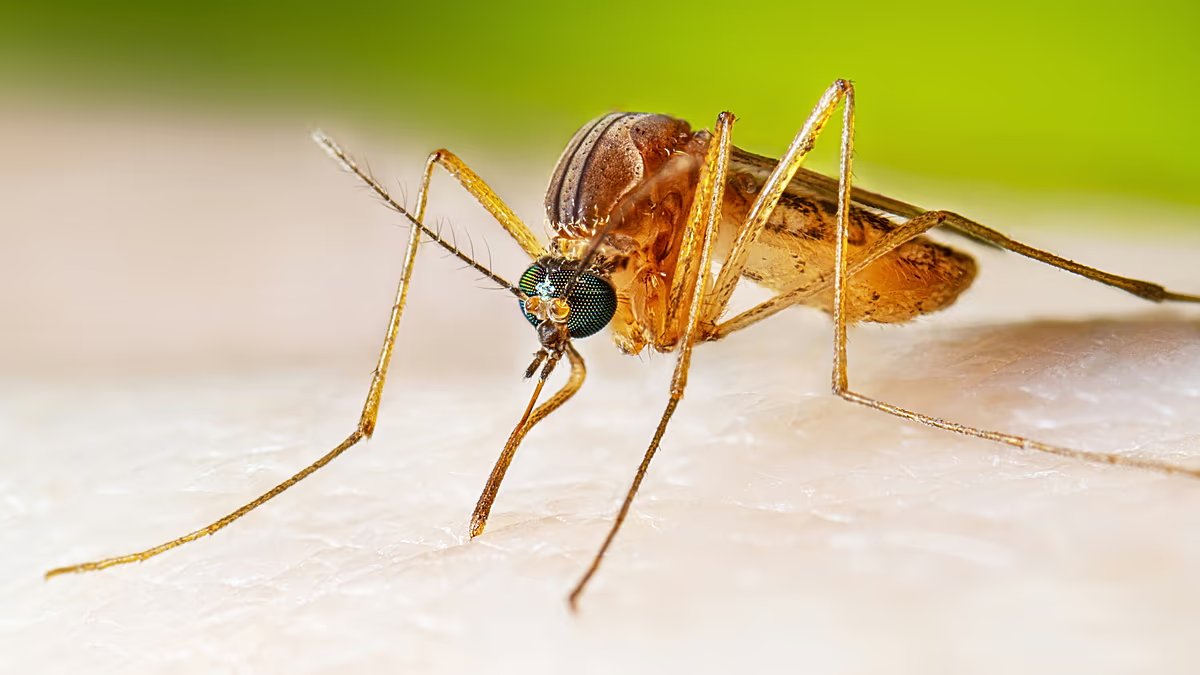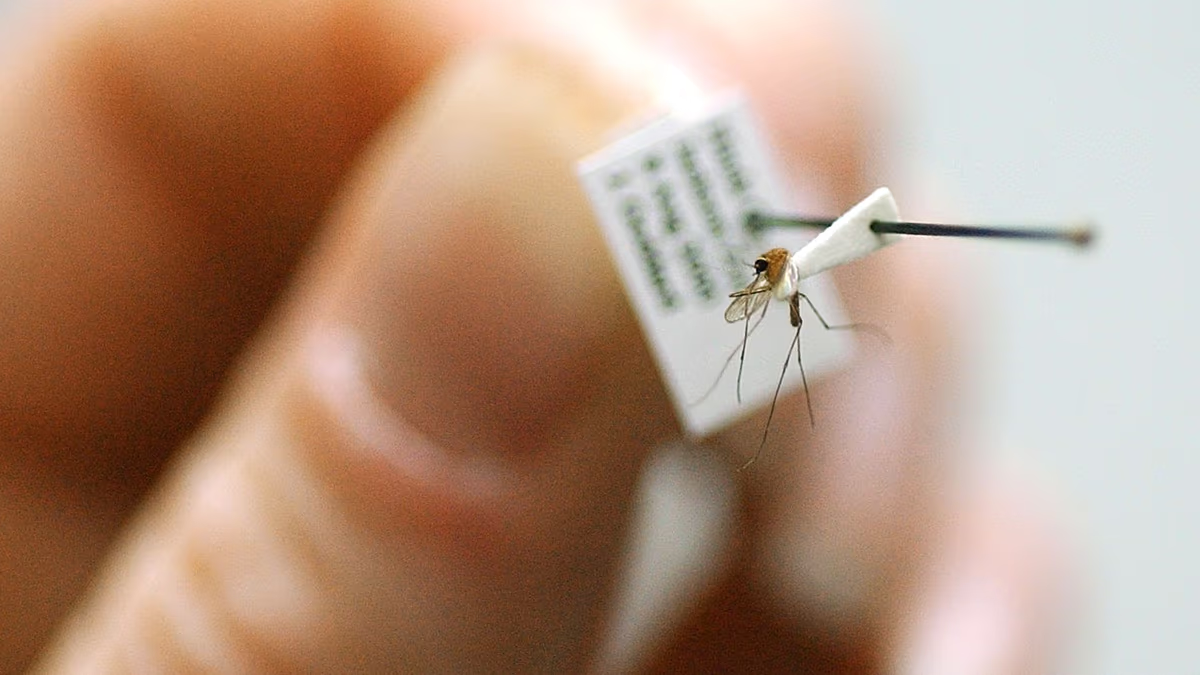
The West Nile virus is circulating more widely in Greece, prompting health and local authorities to step up efforts to curb its spread. Particular emphasis is being placed on mosquito control, with targeted spraying in areas where their populations are densest.
In the space of a week, 47 additional cases were confirmed, bringing the total number of infections to 157. Cases have been detected in 45 municipalities across five regions of the country: Attica, Thessaly, Central Macedonia, the Peloponnese and Central Greece.
Over the same period, four more deaths were recorded, raising the total death toll to 13, with the median age of those who died being 82. At the same time, 42 patients are in hospital, 23 of them in intensive care units.
Of the 157 confirmed cases, 116 developed symptoms affecting the central nervous system, including severe headache, lethargy and high fever.
Scientists stress, however, that the official figures do not capture the full number of infections in the population. This is because most people who contract the virus either show no symptoms at all or develop only mild illness and therefore are not diagnosed. According to estimates by the National Public Health Organisation (EODY), for every confirmed case, there may be roughly 140 infections that go undetected.