West Nile virus infections are surging across Greece, with the Attica region at the epicenter of the outbreak.
The season’s first case was recorded in late June in northern Athens. Experts say 2026 is shaping up to mirror 2018, when Greece recorded a peak of 317 cases and 51 deaths.
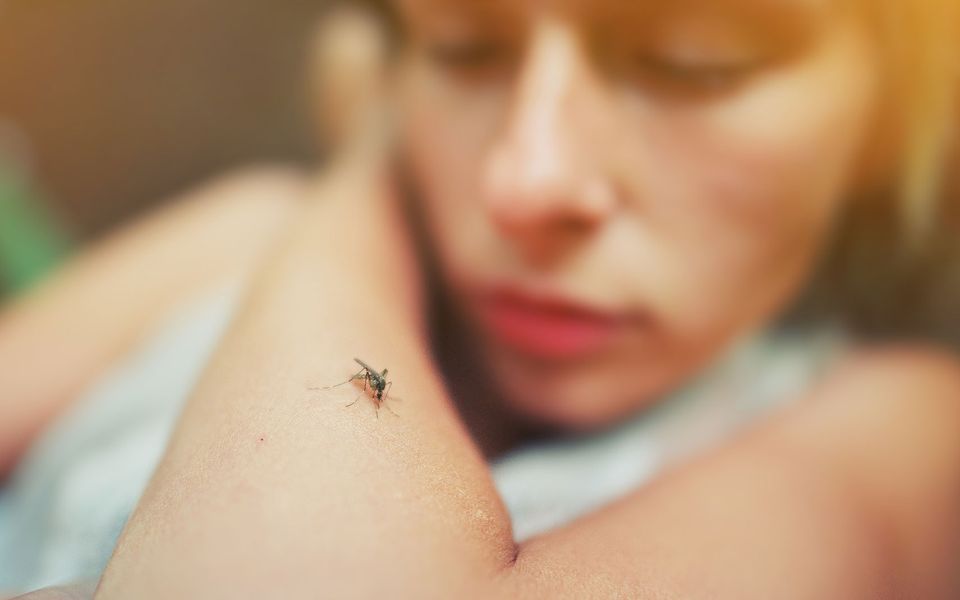
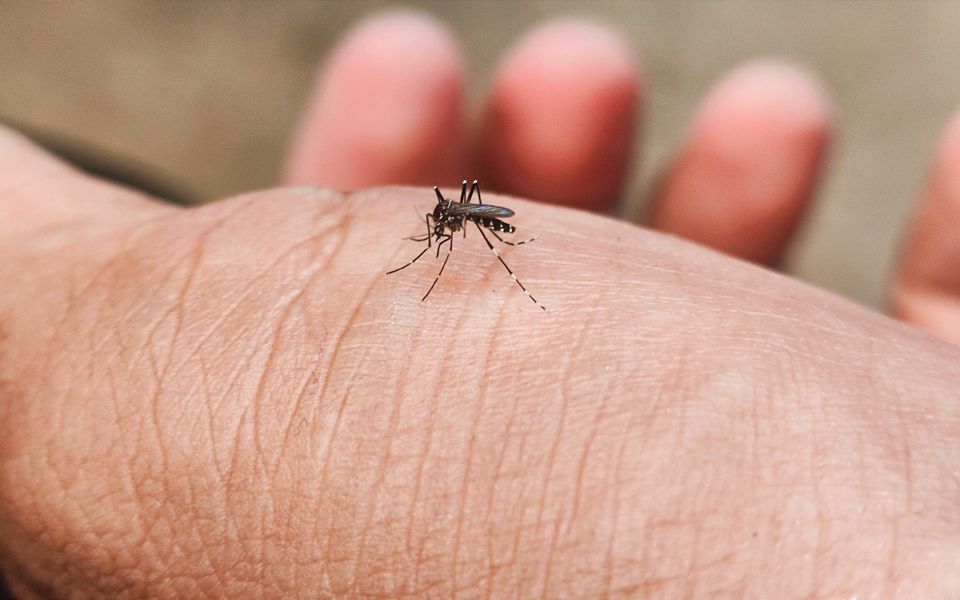
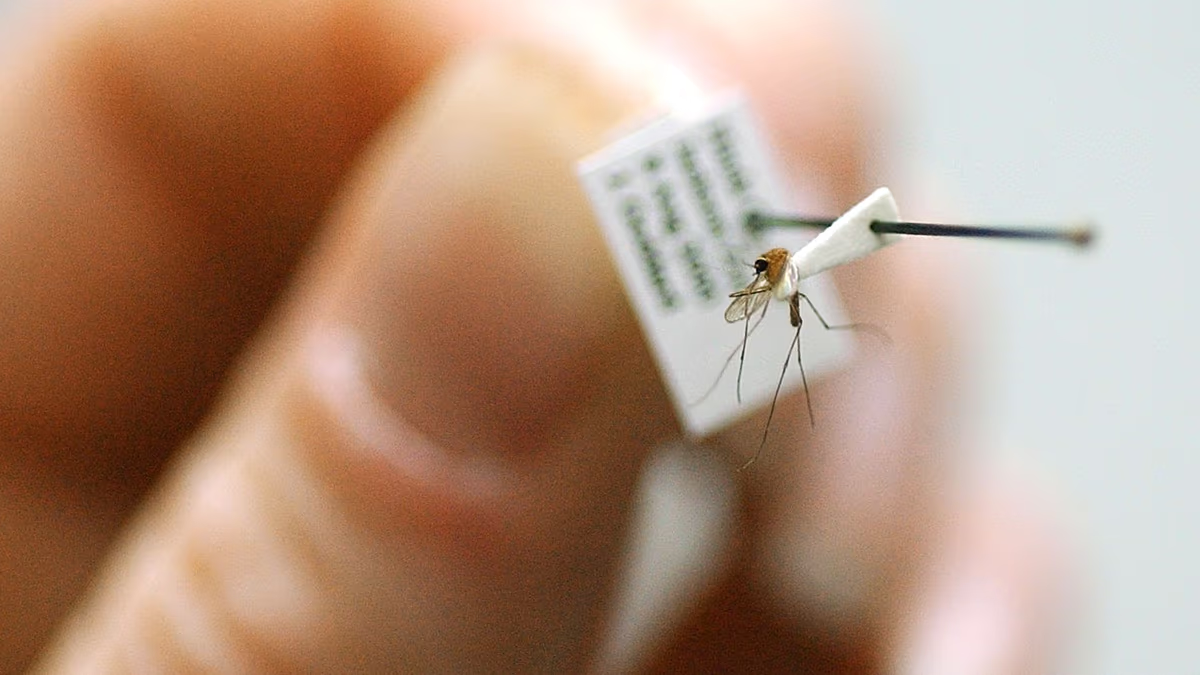
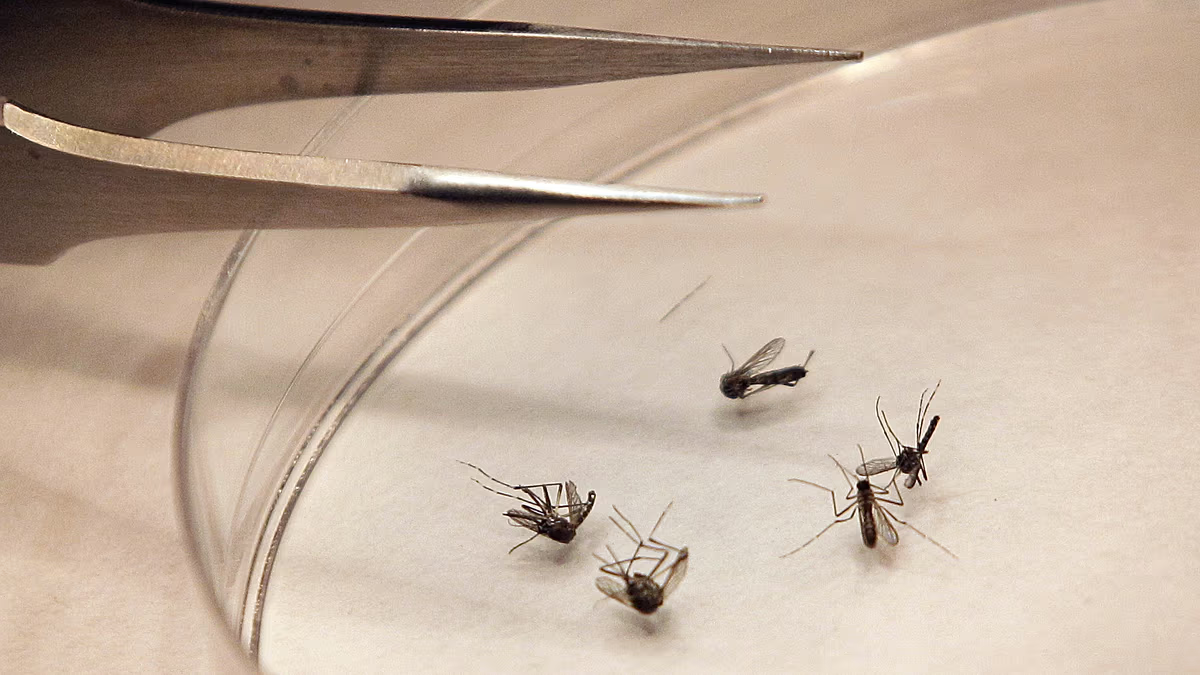
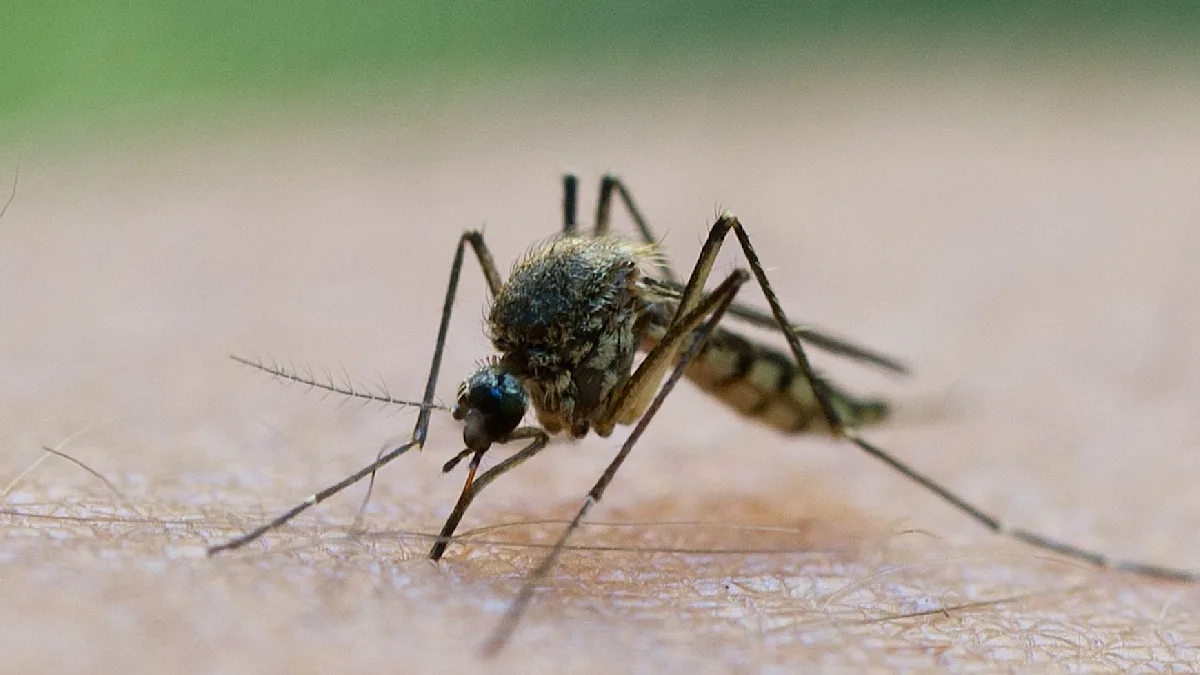
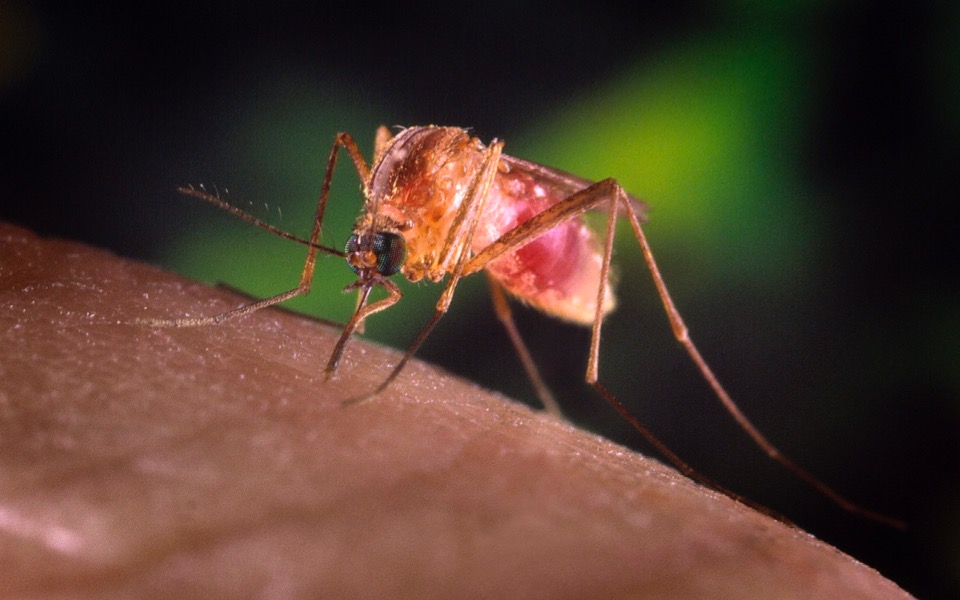
Transmitted primarily when Culex pipiens mosquitoes bite infected migratory or local birds and then bite humans, the virus is not spread person-to-person. Researchers note that infected mosquitoes were detected even during winter, indicating year-round circulation.
While about 80% of infections remain asymptomatic and 20% cause flu-like symptoms, roughly 1% severely affect the central nervous system.
“Because the virus is unpredictable, we can so far only speculate about the reasons for this year’s spread,” said Antonios Michaelakis of the Benaki Phytopathological Institute.