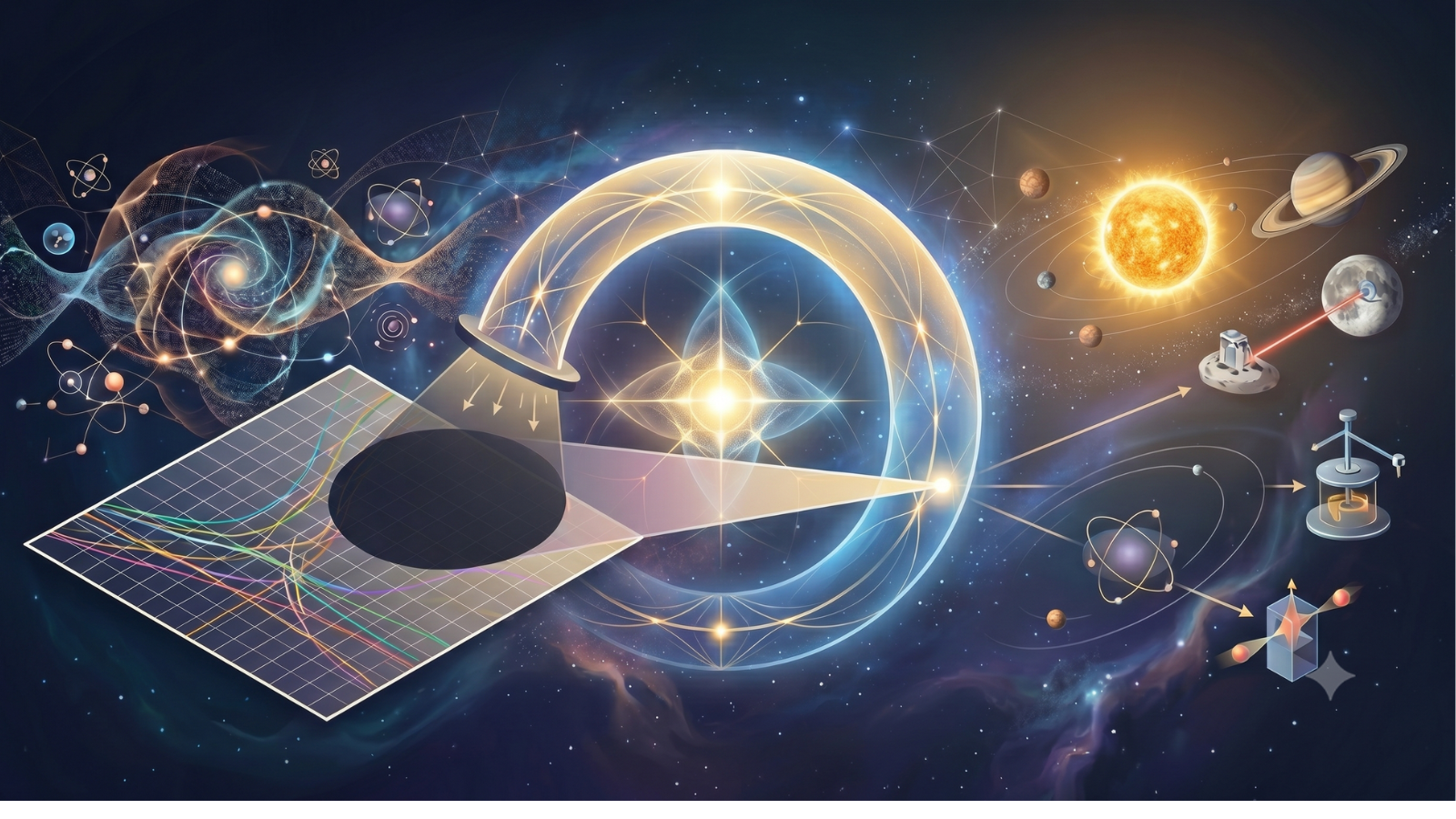
Two remarkably successful theories explain nearly everything we observe in the universe, from tiny atoms and molecules to planets, stars, and galaxies. Quantum mechanics describes the behavior of matter at very small scales, while Einstein's theory of gravity explains how stars and black holes move and how the Universe expands.
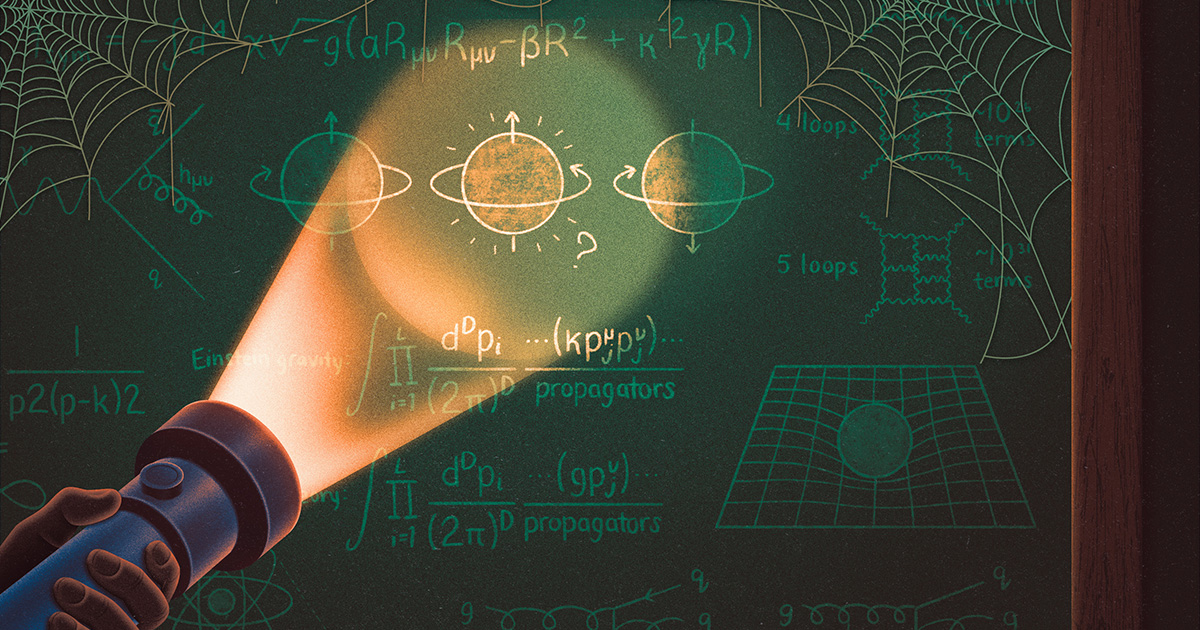
Despite their enormous success, the two theories still do not fit neatly together. Physicists have spent decades searching for a theory of "quantum gravity" that could combine them into one consistent description of nature.
The Challenge of Quantum Gravity
A central expectation is that gravity itself should ultimately follow the rules of quantum mechanics. That possibility quickly becomes difficult to visualize.
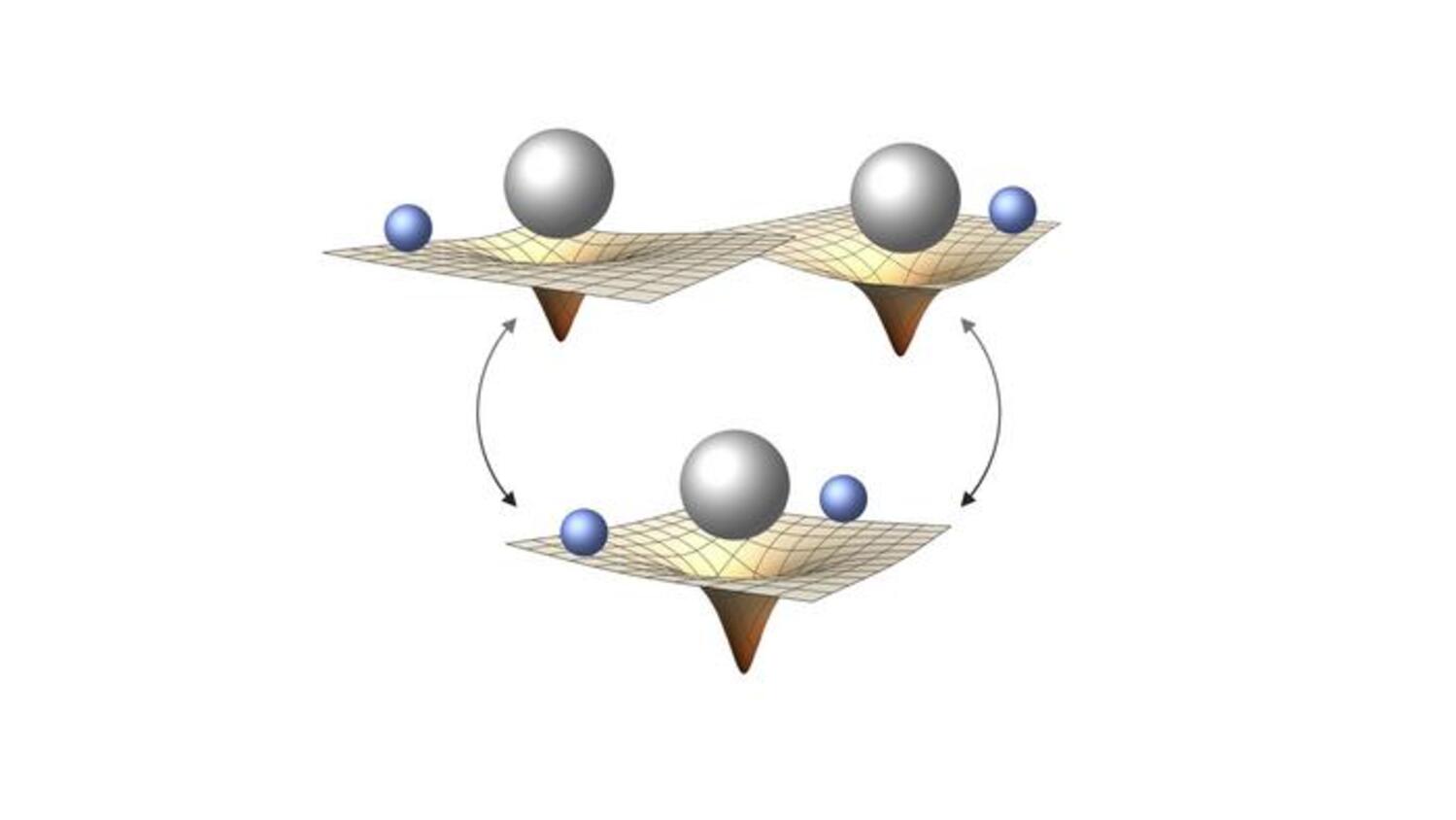
Quantum mechanics allows an object to be delocalized across multiple locations at the same time, an effect that has been repeatedly demonstrated with atoms and even small pieces of metal. Einstein's theory, meanwhile, treats gravity as a property of space and time itself -- it can bend, flatten, and support waves that travel through it, as gravitational wave detectors have confirmed.