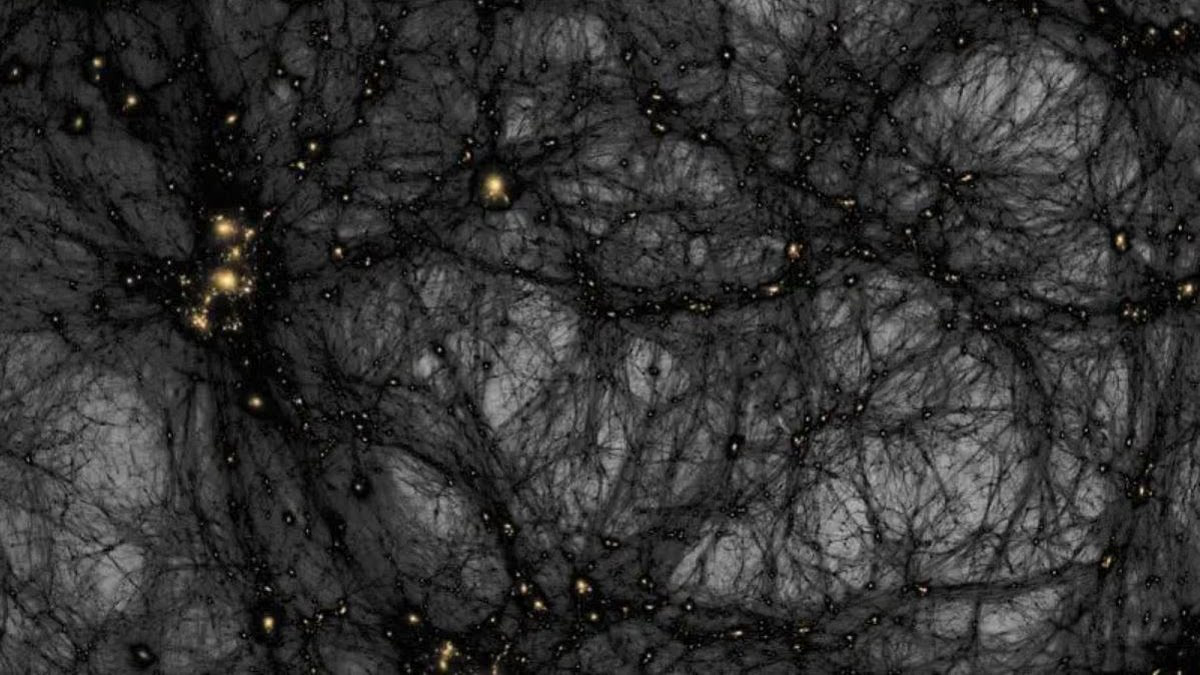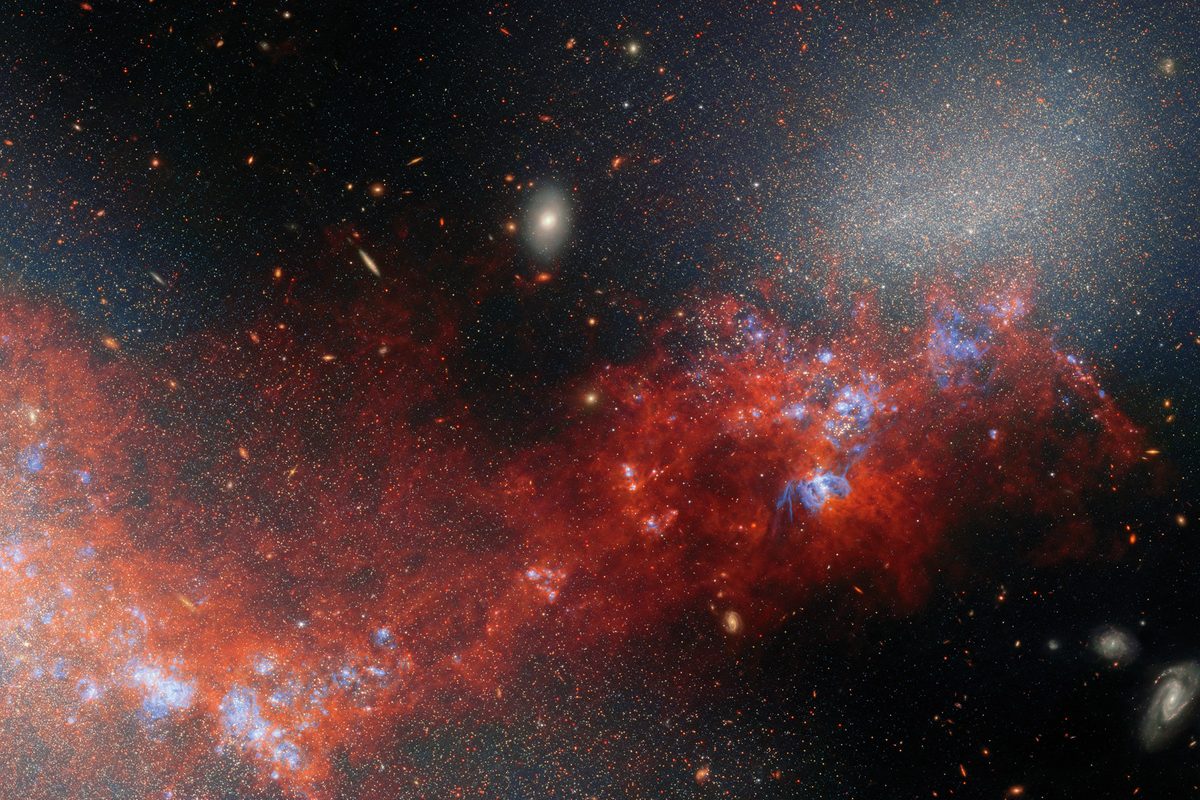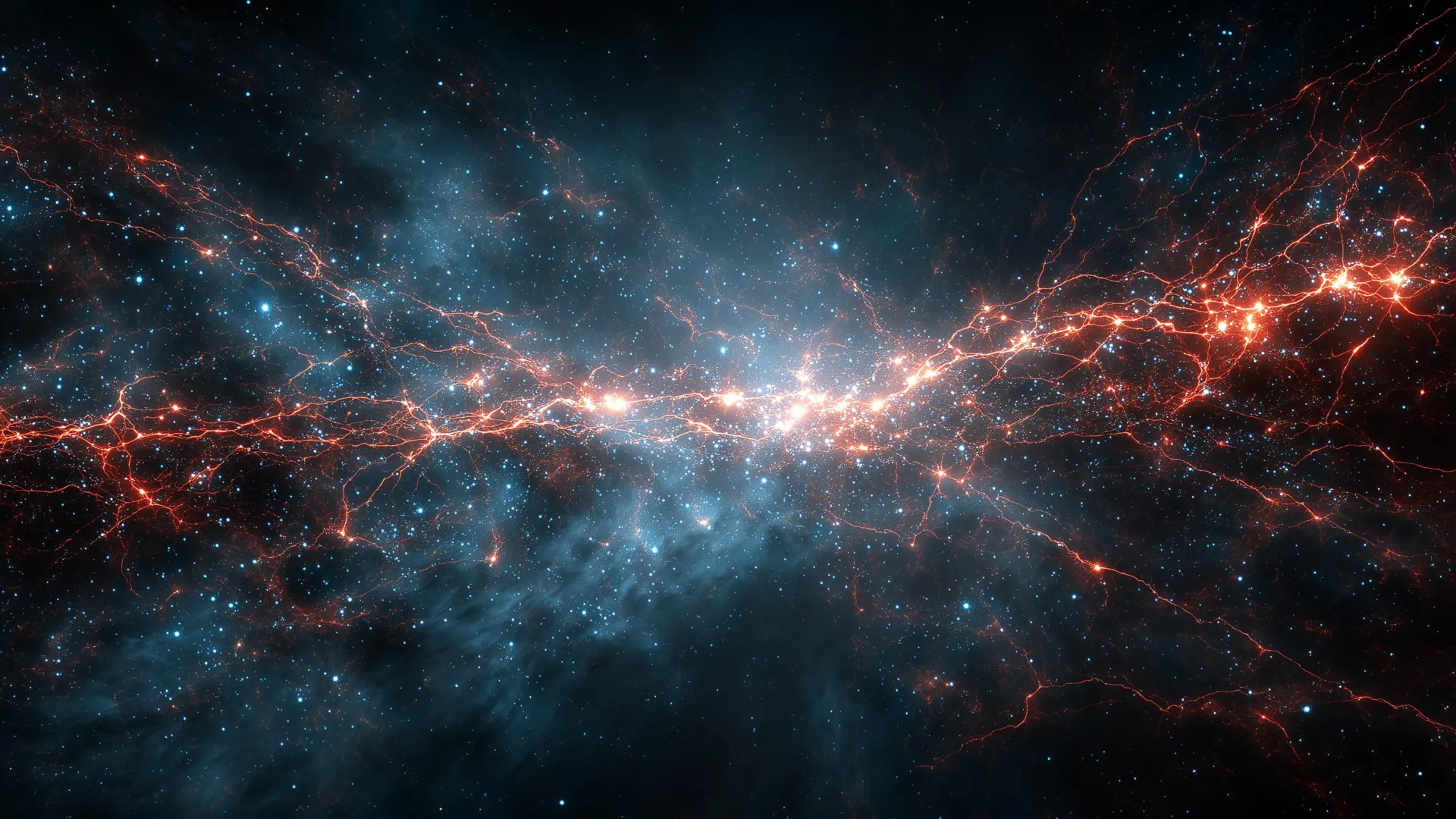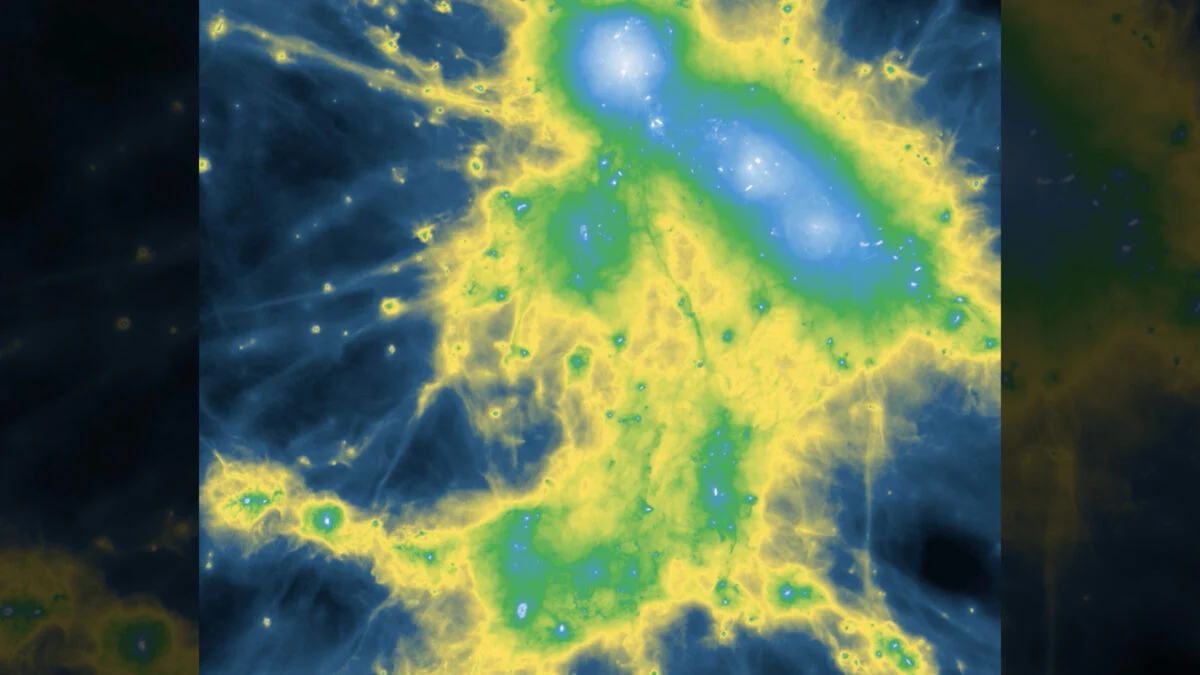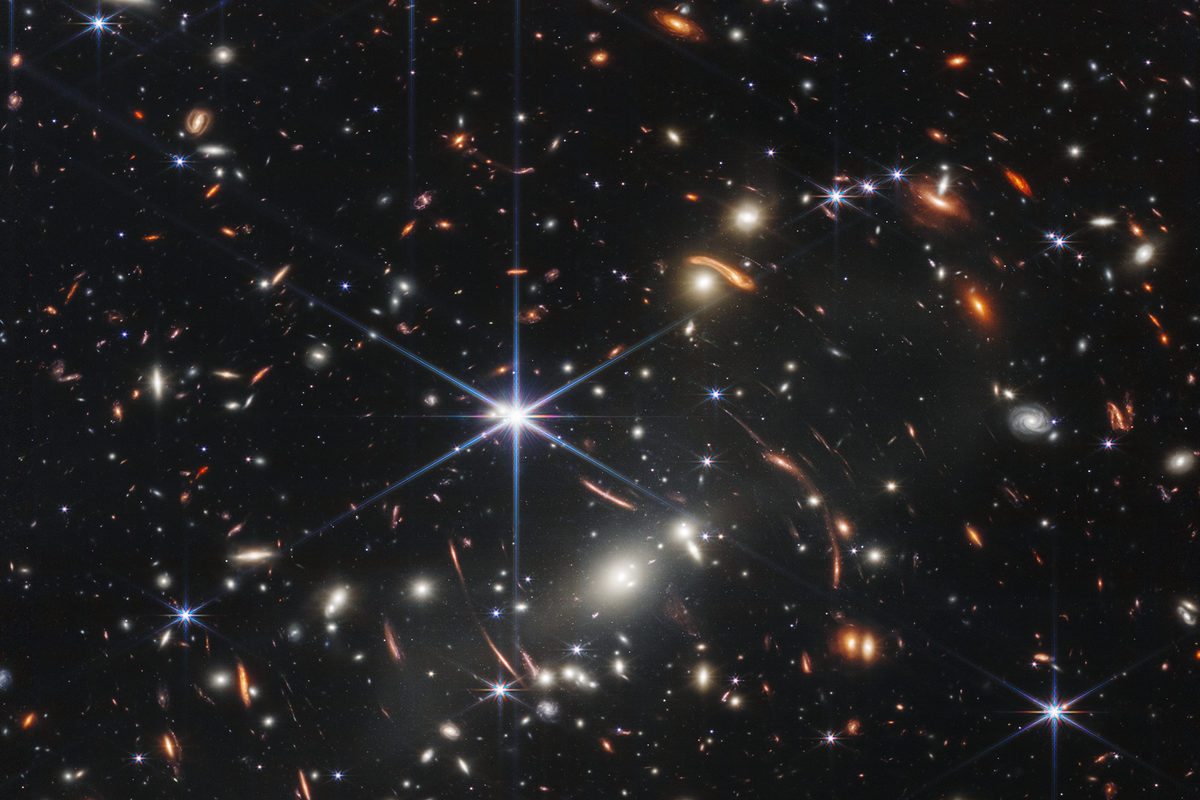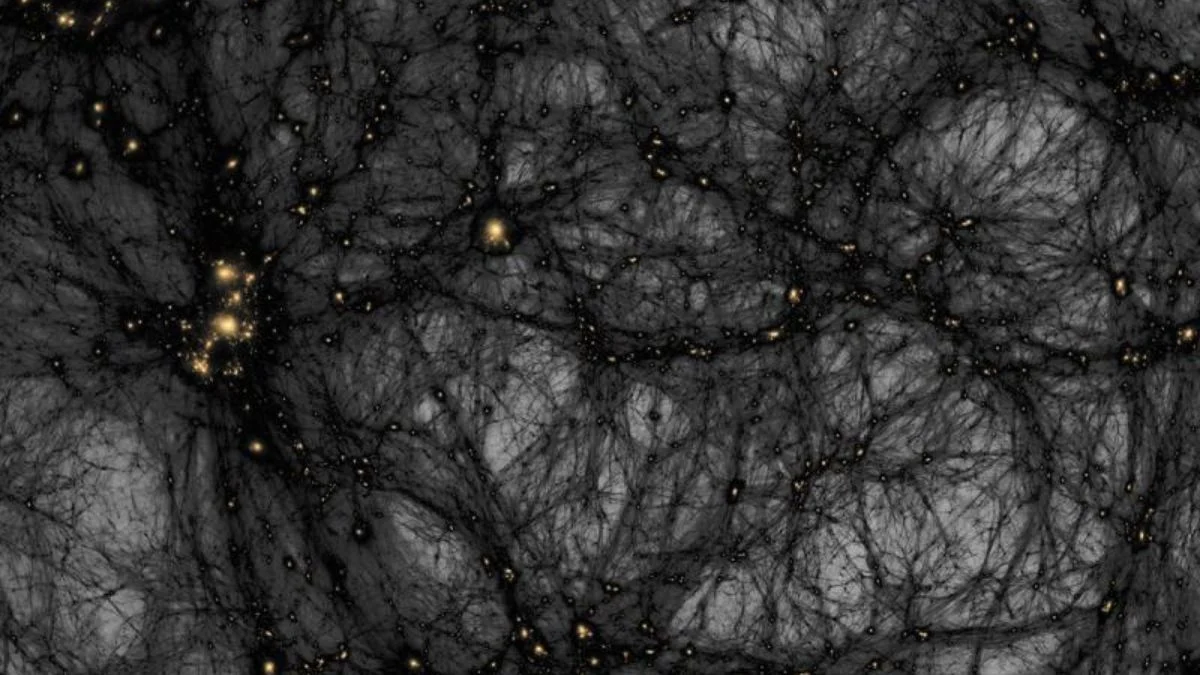
Bewilderingly, most of the matter in the Universe seems to be invisible.All the visible stuff like galaxies, stars, and the sugary, raspberry-flavored gas clouds that leave us so jaw-gapingly awed (and hungry) only make up about 15 percent of the Universe's matter.The rest is composed of unseen dark matter, which only interacts with gravity and seems essential for anchoring major celestial structures like galaxies and clusters of galaxies.Current attempts to detect dark matter, whatever it may be, include using vats of super-cold liquid xenon or probing the glowing heart of the Milky Way for explosively self-annihilating particles.Yet such efforts have failed to demystify this murkiest of matters – perhaps because we've been looking in the wrong places.Instead of seeking, say, exploding dark matter, researchers say that perhaps we should search for the signs of dark matter transforming into even more esoteric particles, such as the hypothetical gravitons that may imbue the Universe with gravity.As detailed in a paper published in the journal Physical Review D, a team of physicists suggests searching for the indirect signs of dark matter decaying into gravitational particles, which themselves may then transform into particles of light.
Dark Matter May Be Transforming Into Weird Particles That Fill The Universe With Gravity
Bewilderingly, most of the matter in the Universe seems to be invisible.
725 words~3 min read