Time may be more wobbly than we thoughtmavrixpixels/Shutterstock
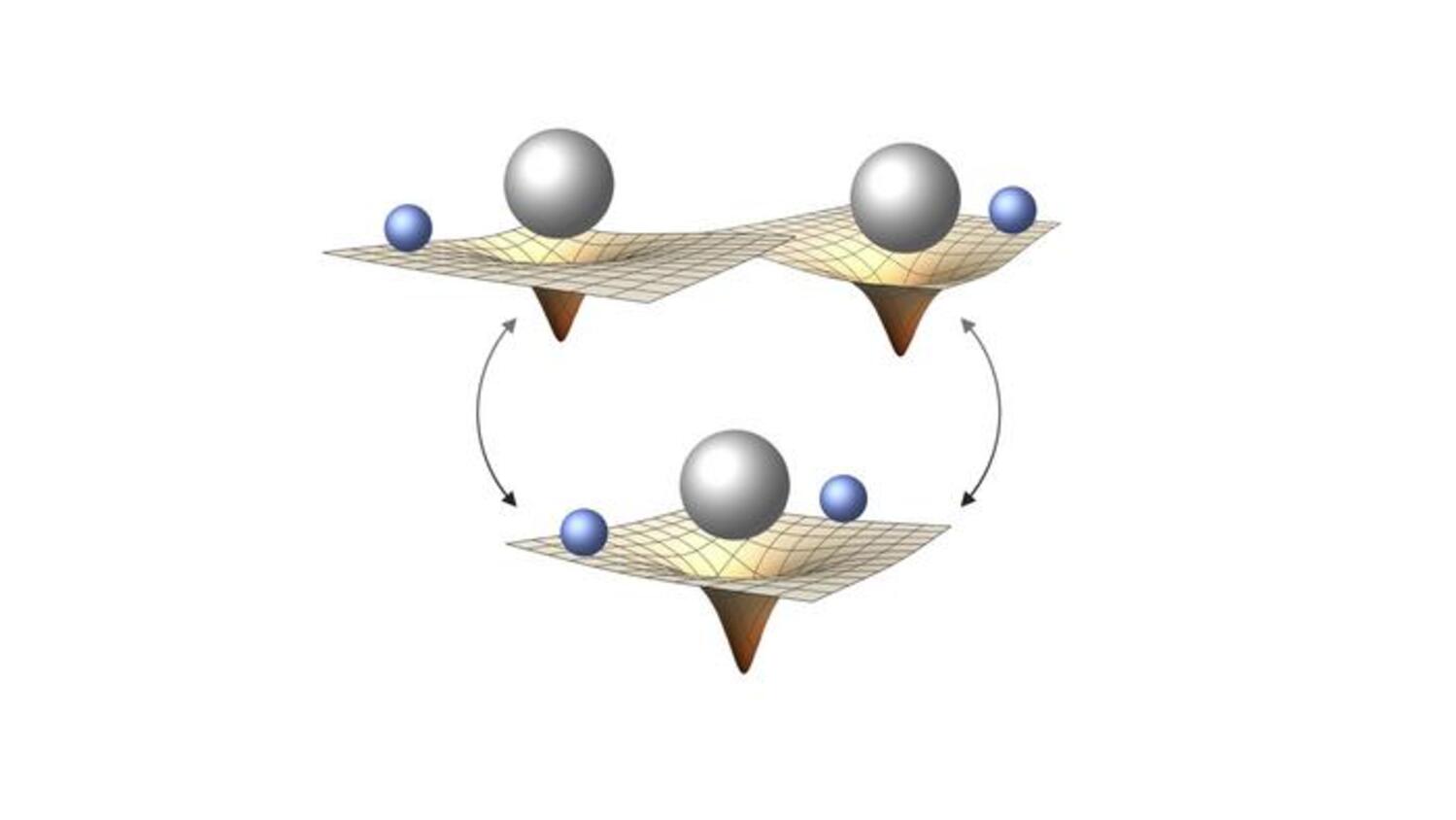
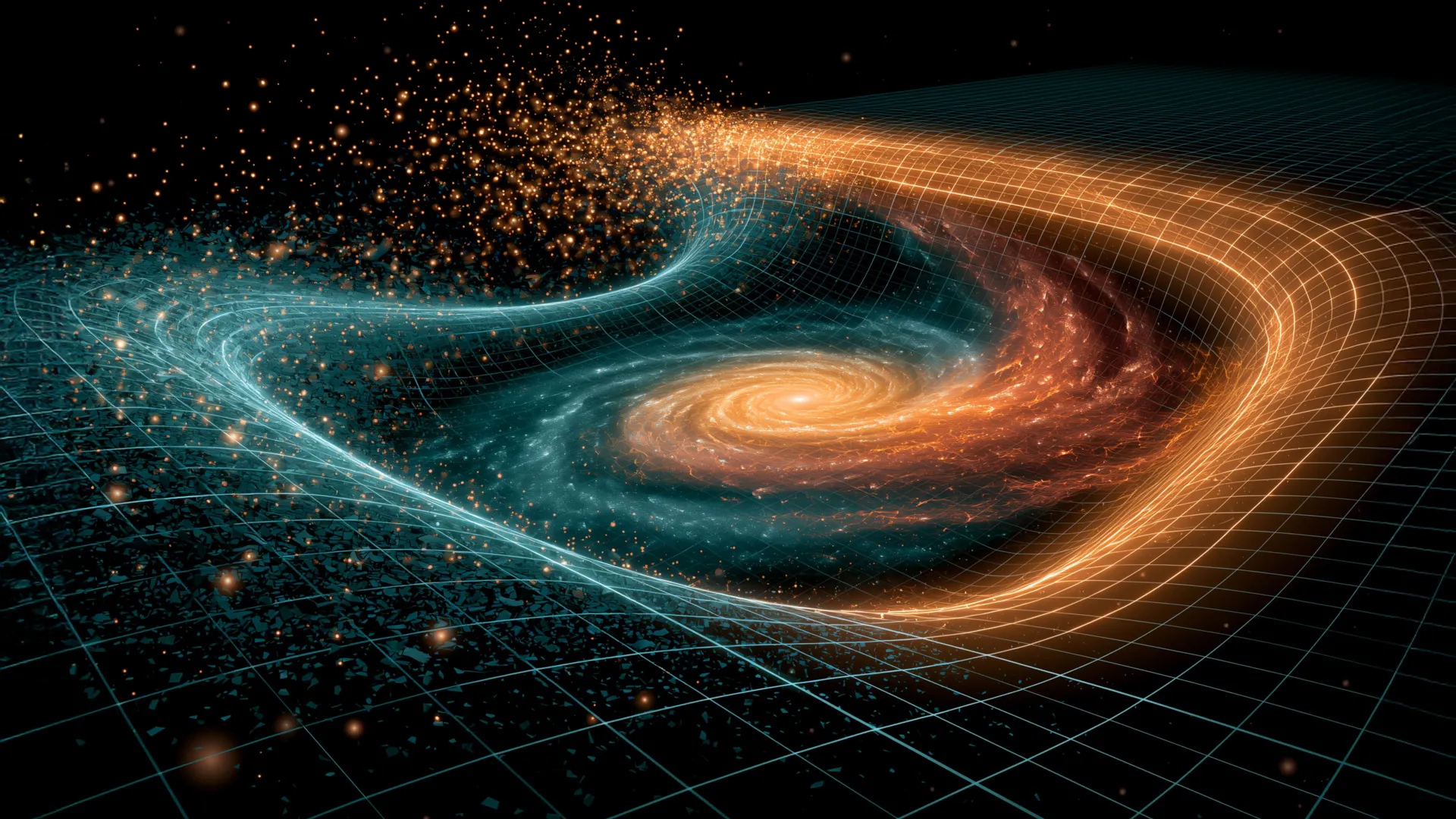
The most vexing question in physics right now is how general relativity – the laws that govern gravity and space-time on large scales – meshes with quantum mechanics, the laws that govern very small scales. There are many potential solutions, none proven, and so far very few of them have been conclusively ruled out either – or even rigorously investigated. Now, though, the day is approaching when one of those ideas could be put to the test. If it holds up, it could dramatically change our view of time.
Most of the proposed ideas to combine relativity and quantum mechanics are called theories of quantum gravity, but the creator of this alternative theory, Jonathan Oppenheim at University College London, calls his post-quantum gravity. Unlike the others, his idea doesn’t attempt to make space-time, and therefore gravity, quantum.
Making a theory quantum, or quantising it, involves breaking it down into its fundamental parts, or quanta. Light is quantum – its quanta are photons, and two of the other three fundamental forces are definitely quantum as well. Gravity is the only one that hasn’t been proven to be quantum, and Oppenheim and his colleagues propose that perhaps it isn’t.