Ryan Wills
Sometimes, you work tirelessly on a problem, only to realise you have been going about it all backwards. Imagine trying to fit a massive antique piano through a tiny doorway. You have tried everything – rotating it, removing the legs, forceful shoving – but you just can’t get it to fit. Eventually, you realise it is easier to construct a room to house the piano where it already sits.
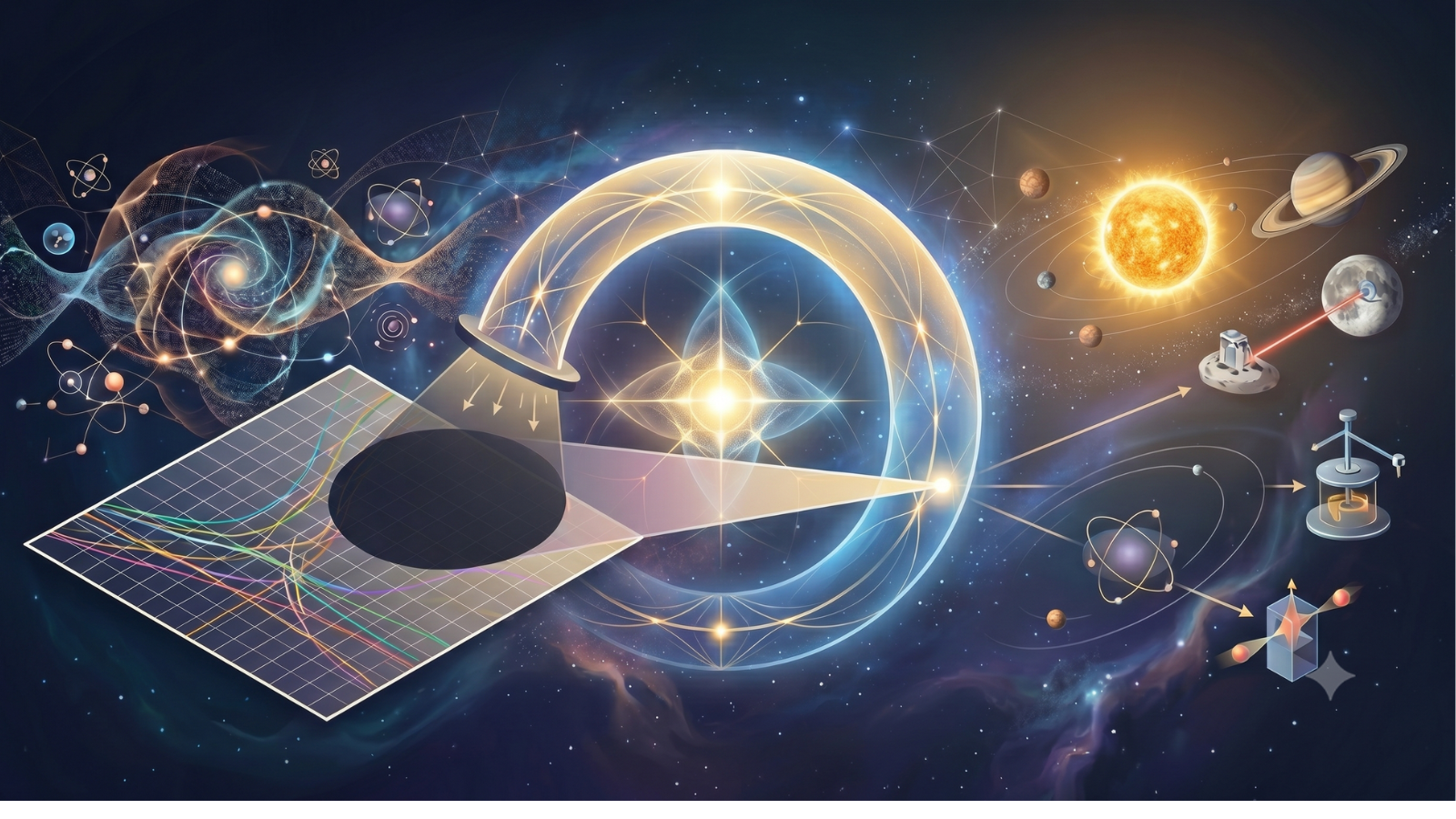
Now, some physicists are grappling with a similar rethink. For decades, the accepted route to an ultimate theory of everything has involved taking our best theory of gravity and squeezing it into the frame of quantum mechanics. Given that quantum theory is wildly successful in describing the other three of the four fundamental forces of nature, it is an understandable approach. Yet, almost a century later, scientists still haven’t managed to make gravity fit.
That’s why a few mavericks have championed an alternative strategy. They suggest that tweaking the equations of quantum mechanics – constructing a new room for gravity – helps explain how the strange world of particles gives rise to our everyday reality.
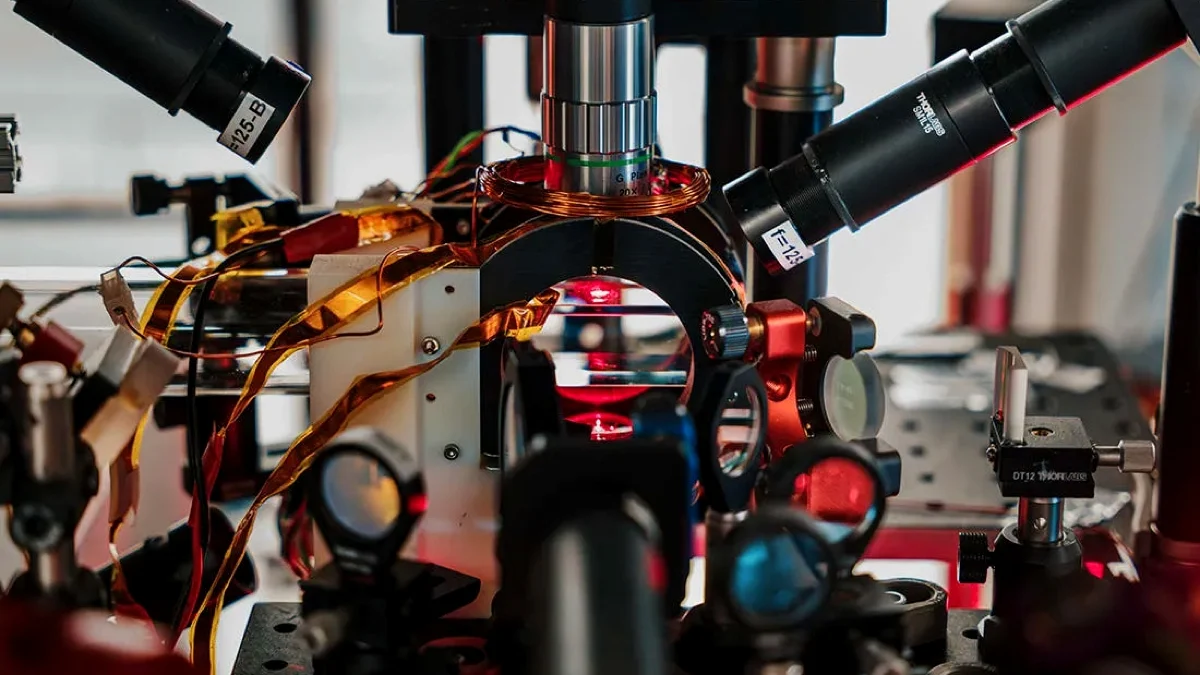
Various experimental avenues are opening up to probe this approach, involving everything from levitating diamonds and glowing metals to swinging pendulums and ticking clocks. The tests promise to shine a light on how the quantum world operates and guide the search for a more complete understanding of the universe. “This is like going into the open ocean: we have no clue where to go,” says Angelo Bassi, a physicist at the University of Trieste in Italy. “But maybe … by going in the wrong direction, we’ll discover the right thing.”