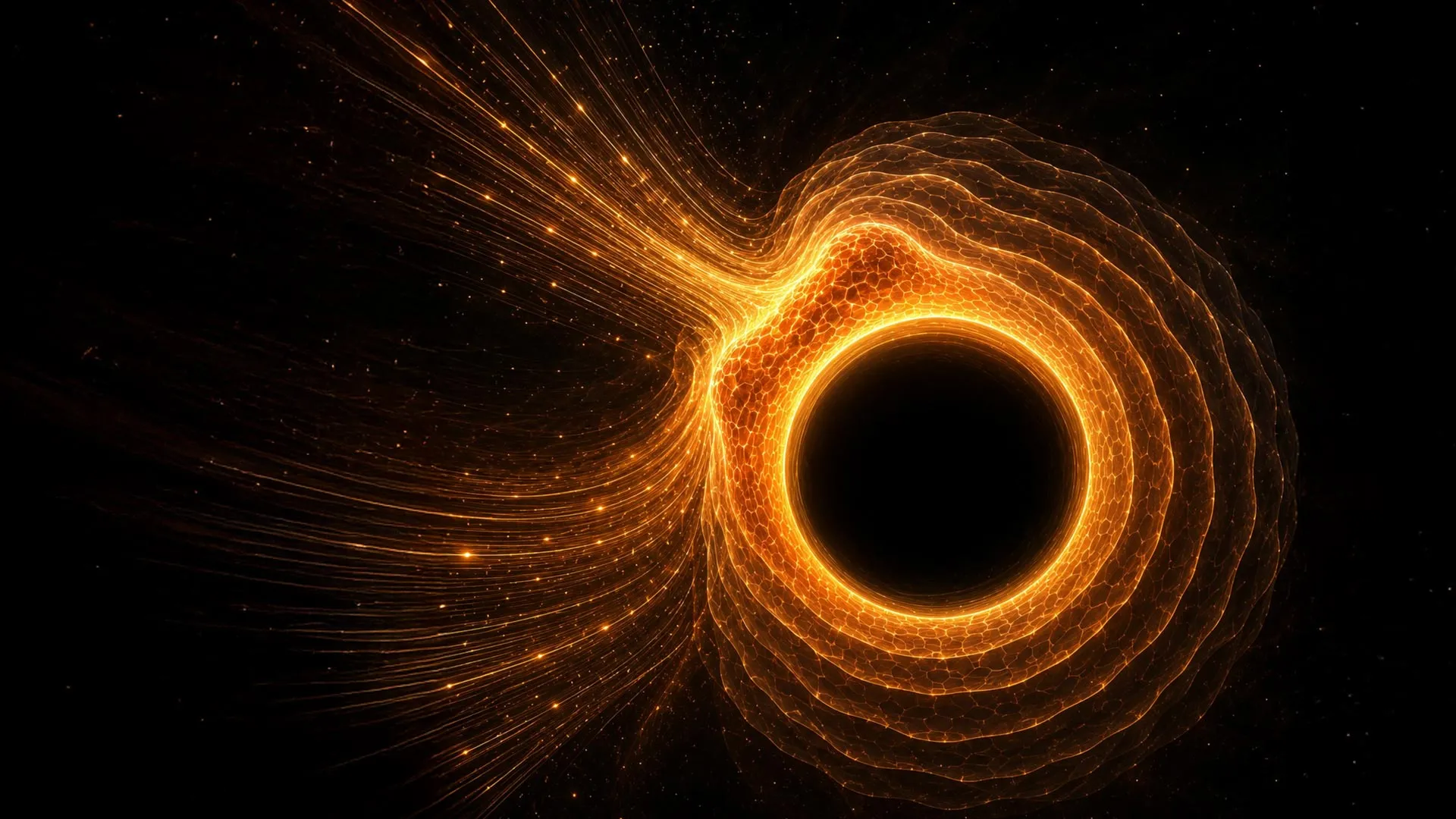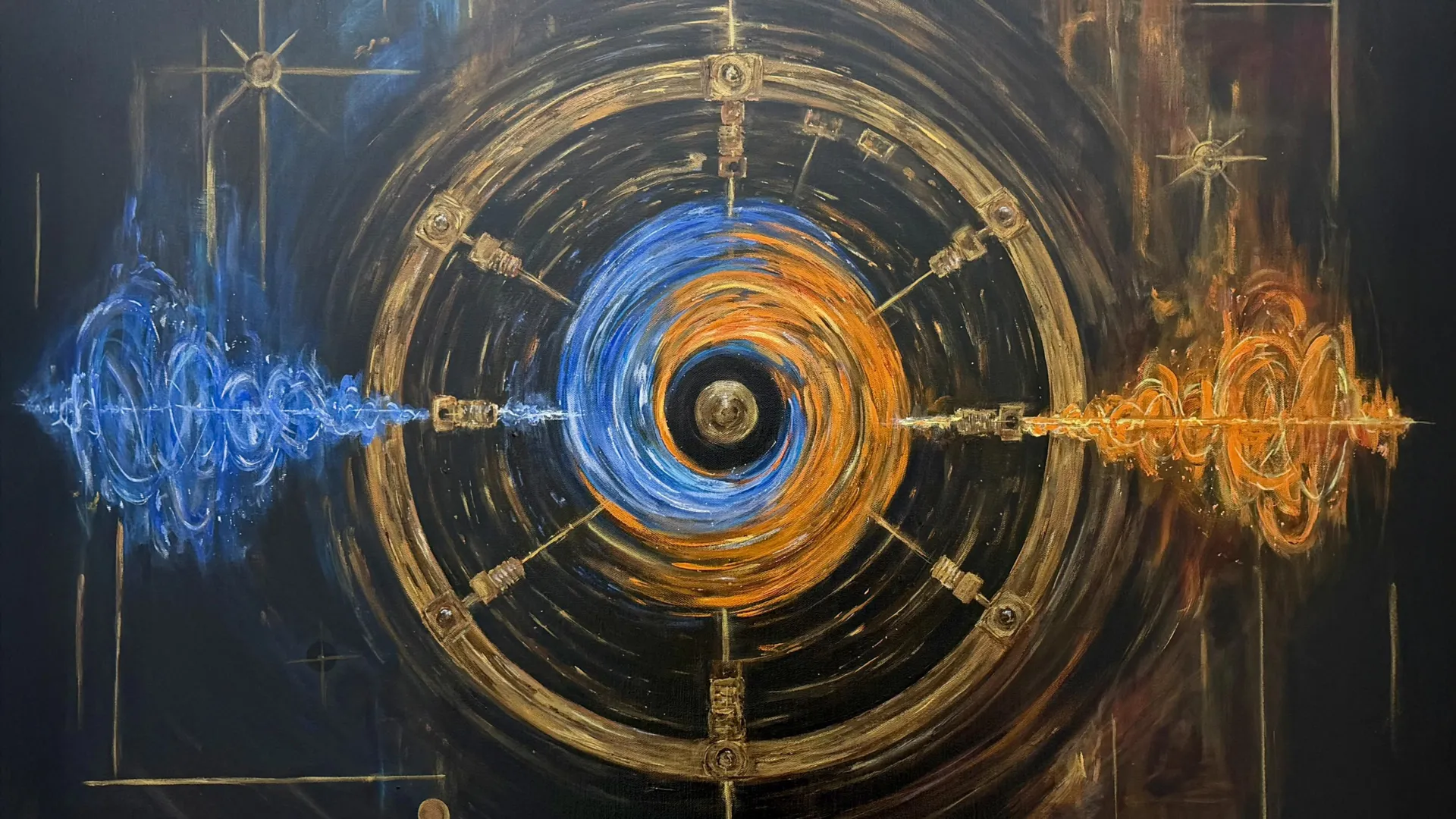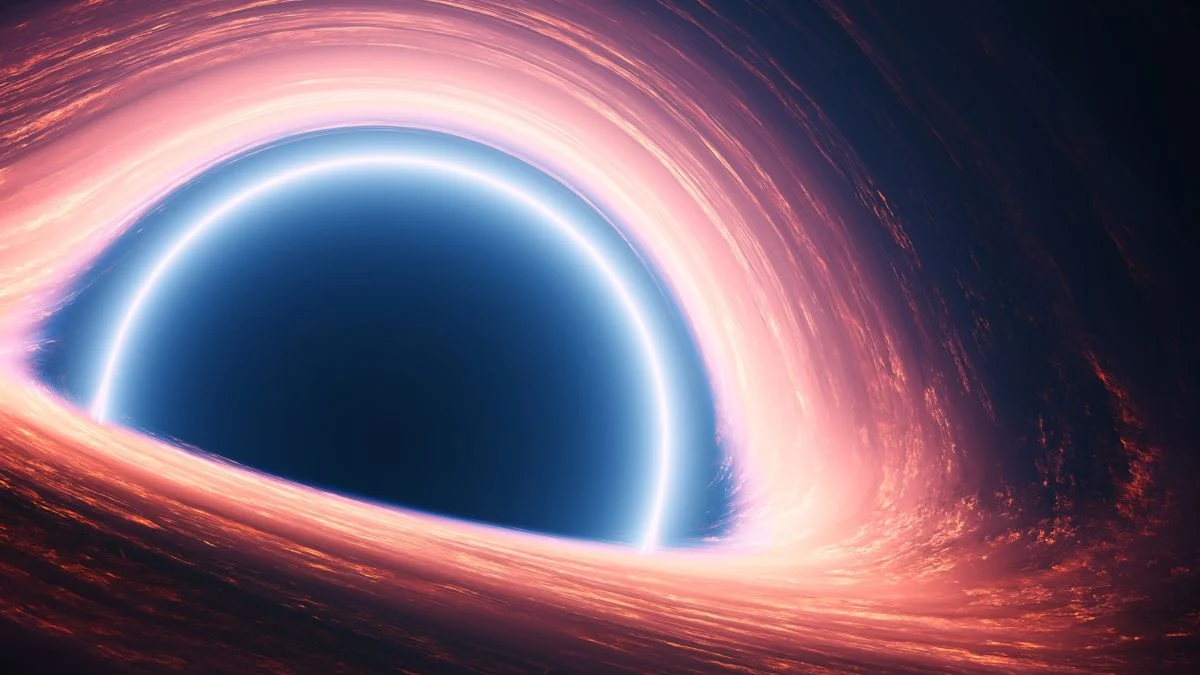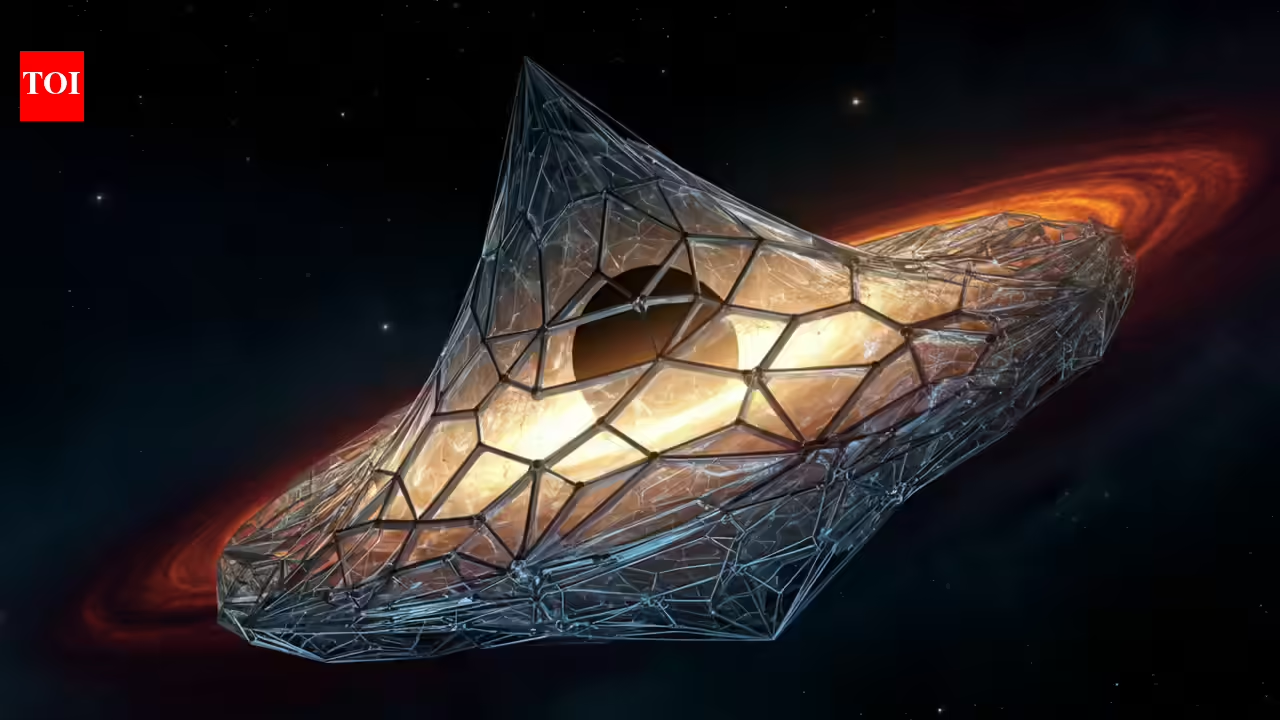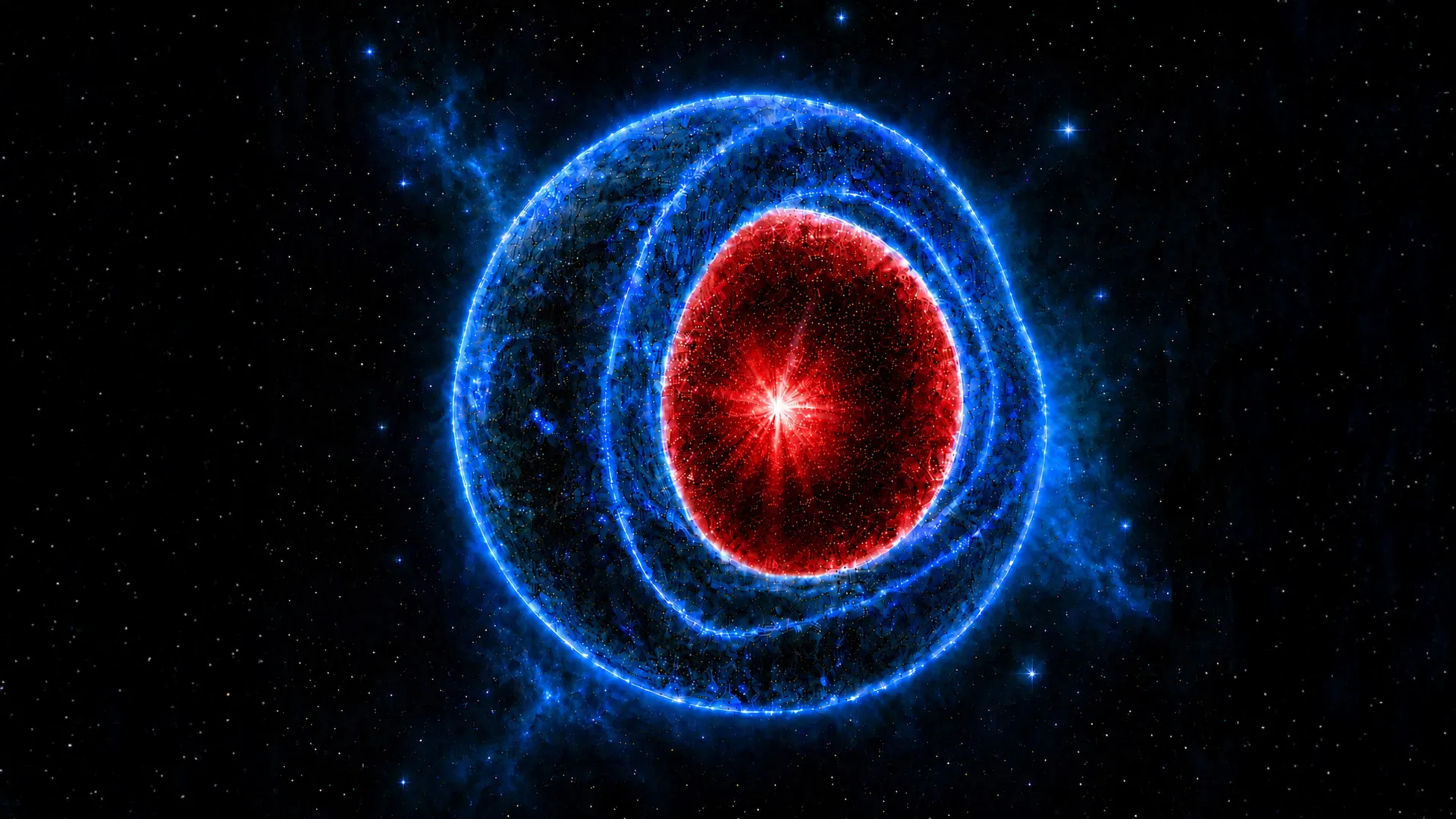
Theoretically, black holes emerged from the principles of Albert Einstein’s general relativity (gravity as distortions of spacetime), but the man himself doubted black holes, saying their singularity “brings so much arbitrariness into the theory that it actually nullifies its laws.” Thanks to the Event Horion Telescope, we now know black holes exist, but a new study published recently in Physical Review D suggests Einstein might have been onto something in his doubts. In the paper, theoretical physicists seriously consider the possibility of gravitational vacuum condensate stars—gravastars for short—which are ultra-compact stars with a thin shell of ordinary matter and an interior of dark energy. As a result, a gravastar externally resembles a black hole, but doesn’t form a singularity or an event horizon. This also means the rules of general relativity don’t break down, either. “An aspect of gravastars that has so far not been addressed, mostly because of the challenges it poses, is their genesis from a generic spherical distribution of matter,” co-authors Daniel Jampolski and Luciano Rezolla of Goethe University in Germany write in the paper. “We here present, for the first time, a model for the creation of a static gravastar following a gravitational collapse of a spherical cloud of matter.”
Physicists Devise Black Hole Alternative With a ‘Mini Universe’ at Its Center
A new paper tries to show how 'gravastars' might mimic black holes without breaking relativity.
621 words~3 min read